



威孚仕VFS Global的团队每天都在与世界各地的旅行目的地相遇,陪伴人们开启一段又一段旅程。而在工作之外,我们的同事也热衷于用脚步丈量世界,在行走中发现不同文明的独特魅力。
本期分享一位同事的欧洲旅行手记——从卢森堡出发,途经德国慕尼黑、列支敦士登与瑞士苏黎世,最终抵达少女峰脚下。她以博物馆为线索,穿梭于古罗马遗迹、欧洲古典绘画与现代艺术之间,在历史的沉淀与自然的壮美中,感受欧洲多元而深厚的文化底蕴。愿这段跨越城市与文明的旅程,为正在规划欧洲之行的你打开新的探索视角。
有人说,欧洲最美的风景在阿尔卑斯山;也有人说,欧洲真正的灵魂藏在博物馆里。这一次旅行,我想两者都拥有!
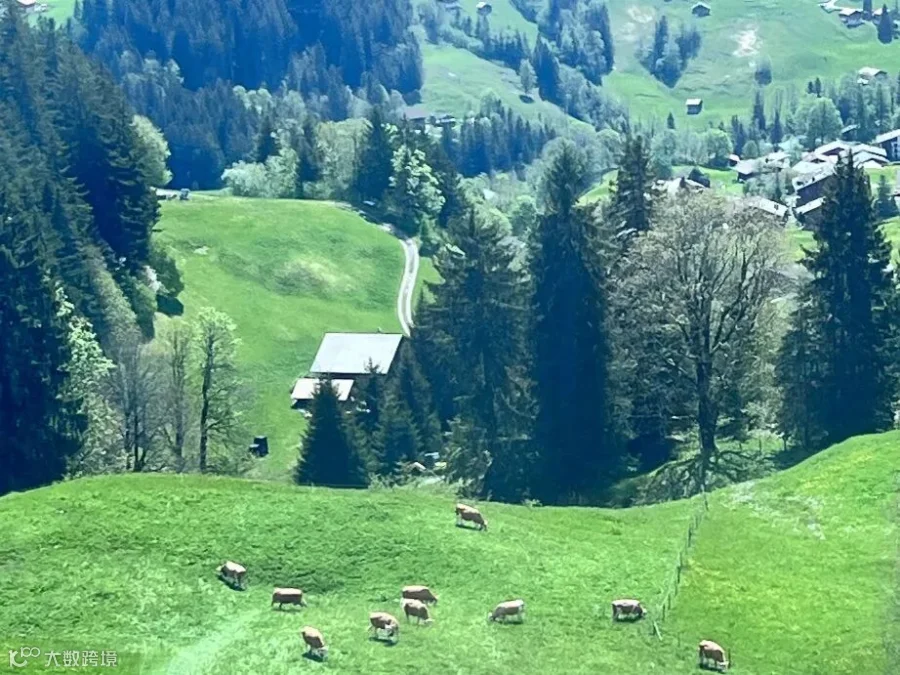
六天时间,从卢森堡到德国慕尼黑,从列支敦士登到瑞士苏黎世,再到少女峰脚下的雪山秘境。不同于热闹的网红打卡路线,这是一趟以博物馆为主线的旅行。没有刻意追逐景点排名,也没有密集地收集城市地标。更多时候,我是在古老画作前驻足,在历史文物旁停留,在安静展厅里与数百年前的欧洲相遇。
卢森堡国家历史与艺术博物馆里,古罗马时代的遗迹依然沉睡在城市地下;慕尼黑老绘画陈列馆中,鲁本斯和伦勃朗的真迹让人重新理解何为艺术杰作;列支敦士登国家博物馆讲述着一个袖珍国家如何在欧洲历史长河中保持独特身份;而苏黎世美术馆,则用梵高、毕加索和贾科梅蒂串联起现代艺术辉煌的篇章。
当这些文明记忆与少女峰晶莹的冰川、卢森堡峡谷的古城、苏黎世湖畔的晨光交织在一起时,我忽然明白:旅行最珍贵的收获,不是去了多少地方,而是看懂了多少地方。
这是一场从博物馆开始的欧洲漫游。也是一次沿着艺术、历史与文明脉络展开的深度阅读。
卢森堡:
欧洲低调而迷人的文化之都
很多人经过卢森堡,却很少有人真正停下来了解它。但当火车从巴黎驶入这座袖珍公国时,我发现这里更像一座被时光眷顾的历史花园。
峡谷里的世界遗产古城
卢森堡老城依山而建。站在佩特罗斯峡谷观景台俯瞰全城,深邃峡谷将城市自然分隔,古老石桥横跨其间,教堂尖顶与灰色屋顶错落分布。这里曾被誉为“北方直布罗陀”,是欧洲最坚固的军事要塞之一。黄昏时分漫步老城区,石板路反射着金色阳光,历史仿佛从未远去。

卢森堡国家历史与艺术博物馆:
穿越两千年的时光隧道
第二天的重点,是卢森堡国家历史与艺术博物馆(MNHA)。这座博物馆最大的特色是纵深感,参观路线不断向地下延伸,仿佛一步步走回历史深处。从史前文明遗迹、古罗马时期文物、中世纪宗教艺术,到近现代欧洲绘画,完整展现了卢森堡的文化演变。
最令人印象深刻的是原址保留的考古遗迹和Vichten罗马马赛克。透过玻璃地面,能够直接看到数百年前甚至上千年前建筑的基础结构。历史不再只是书本上的文字,而是真实存在于脚下。


左滑查看更多
卢森堡市立美术馆:
贵族别墅里的艺术时光
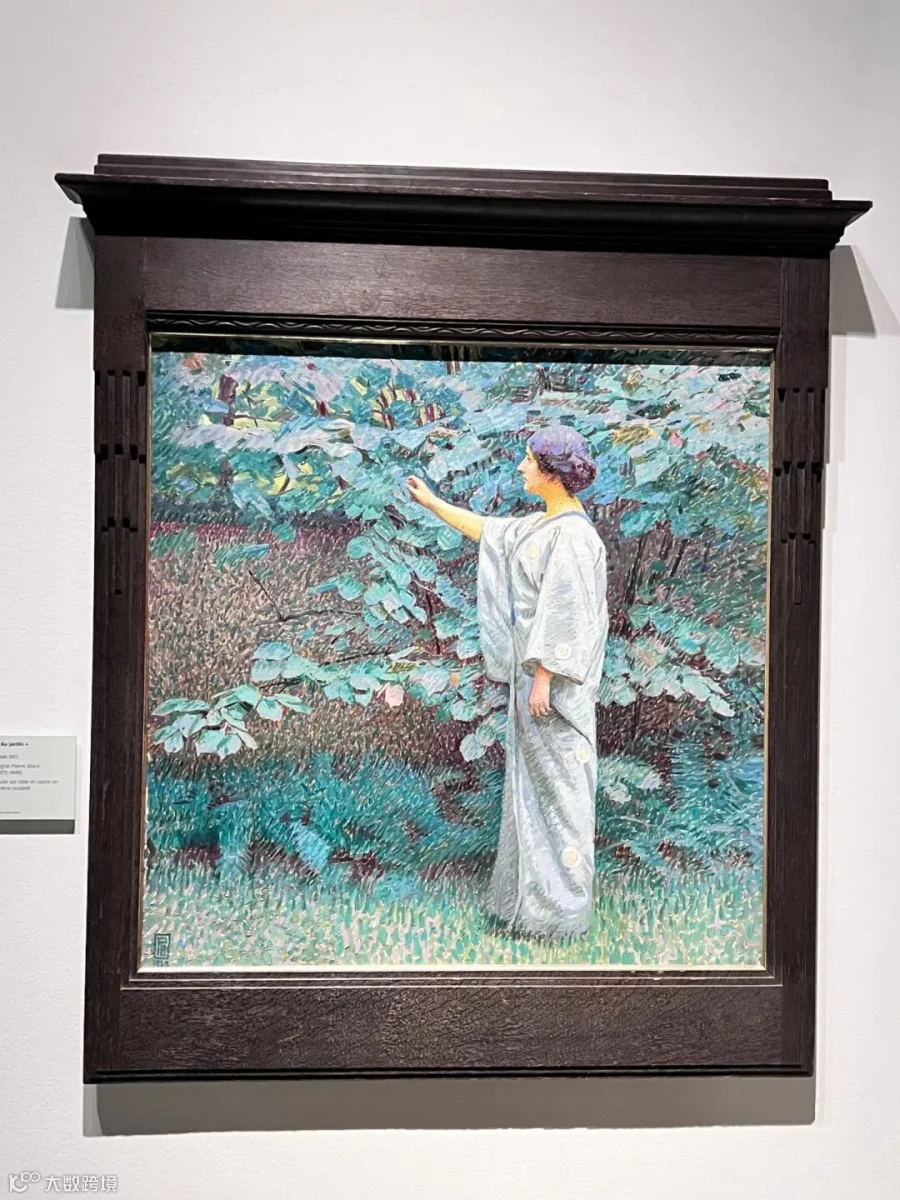
相比国家博物馆的恢弘叙事,卢森堡市立美术馆(Villa Vauban)则显得温柔而优雅。这座十九世纪别墅静静地坐落在公园之中。没有人潮,没有嘈杂。馆藏以十七至十九世纪欧洲绘画为主,荷兰黄金时代绘画、法国学院派作品以及卢森堡本土艺术创作相互辉映。透过落地窗便能看到布满鲜花的花园景色。阳光洒落进展厅内,时间仿佛变得缓慢。这是旅行中少见的时刻,人与艺术之间没有任何距离。
如果说MNHA讲述的是卢森堡的历史,那么Villa Vauban则展现了卢森堡的审美品位。


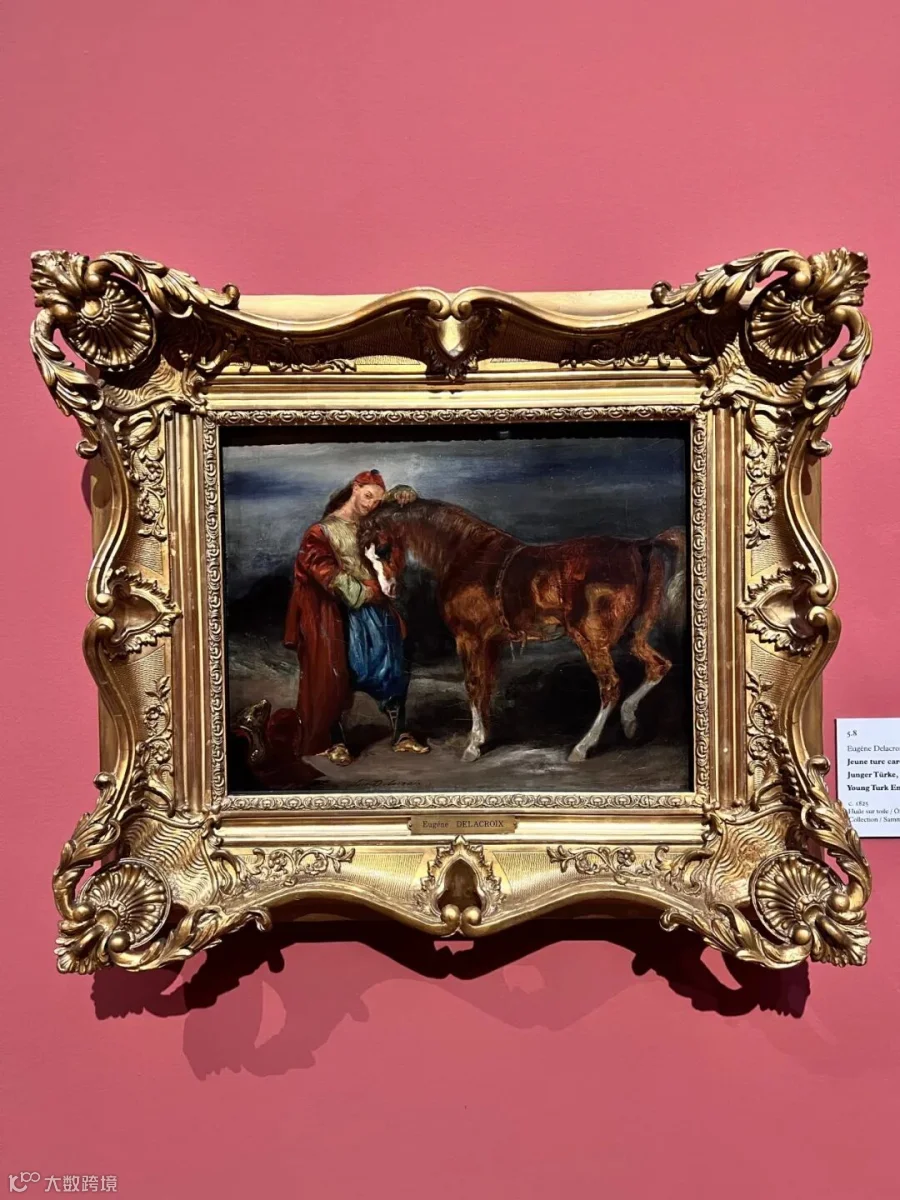


左滑查看更多
慕尼黑:欧洲艺术史的浓缩课堂
离开卢森堡,火车带我来到德国巴伐利亚首府慕尼黑。对于艺术爱好者而言,这里堪称圣地。在慕尼黑,一个博物馆区就足以让人停留数天。
老绘画陈列馆:大师云集的艺术殿堂
老绘画陈列馆(Alte Pinakothek)被誉为欧洲最重要的古典艺术博物馆之一。
这里汇聚了欧洲绘画史上的众多传奇名字:
丢勒(Dürer)
拉斐尔(Raphael)
提香(Titian)
伦勃朗(Rembrandt)
鲁本斯(Rubens)
当真正站在鲁本斯大厅中时,《大最后的审判》等巨幅画作几乎覆盖整面墙壁。无论是人物尺度还是色彩张力,都远超书本与屏幕所能呈现。
这一刻终于理解了为什么有人说:艺术品必须亲眼观看。因为尺寸、光线、笔触与细节,只有身临其境才能感受到。


左滑查看更多
现代艺术陈列馆:见证艺术的进化
如果老绘画陈列馆属于过去,那么现代艺术陈列馆(Pinakothek der Moderne)则属于未来。短短几个世纪间,欧洲艺术经历了从宗教叙事到现代实验的巨大转变。莫奈之后是什么?包豪斯如何影响现代设计?抽象艺术为何出现?这些问题都能在这里找到答案。
恰逢慕尼黑春季狂欢节期间,夜晚的广场充满音乐与欢乐。白天在艺术史中穿梭,夜晚沉浸于巴伐利亚人的热情与活力之中。艺术与生活,在这里从未分离。


左滑查看更多
布兰德霍斯特博物馆:
鲜明大胆的旅途惊喜
布兰德霍斯特博物馆最难忘的,不是沃霍尔,而是赛·托姆布雷(Cy Twombly)的《玫瑰》。十二幅巨作连成一整面墙。鲜红、粉红与深紫色层层晕染,像盛放,也像凋零。
站在画前,视线几乎被花海完全包围。书页上的图片只是作品的缩影,现场却能感受到颜料的厚度、笔触的力度,以及扑面而来的生命力。人很少,空间很静。在这里,艺术不再是被观看的对象,而是一场沉浸其中的漫游。

瑞士阿尔卑斯:
壮美自然中的人文停顿
从德国进入瑞士之后,旅程节奏忽然慢了下来。雪山开始占据视野,湖泊、牧场与森林成为窗外主角。
少女峰:欧洲屋脊的震撼
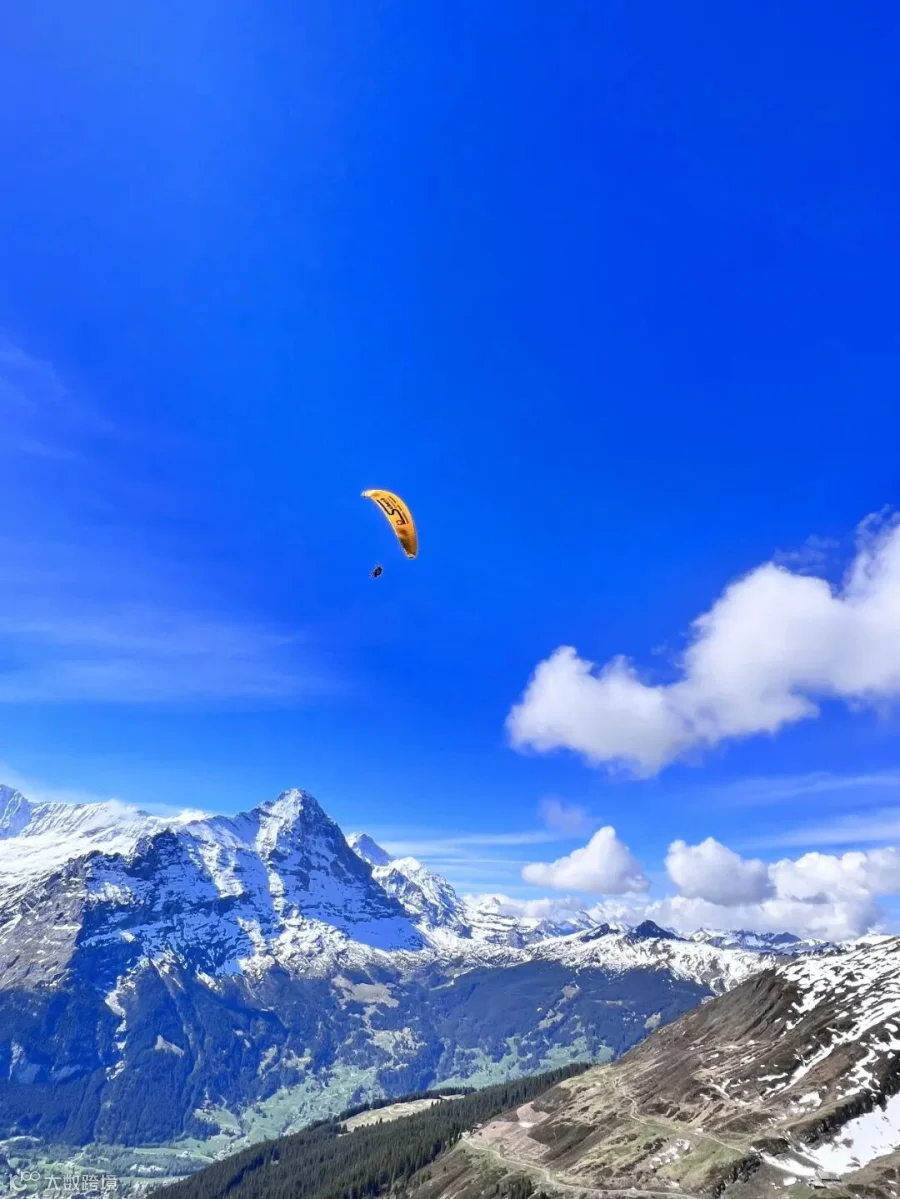
从因特拉肯出发前往少女峰地区,缆车和登山铁路缓缓爬升。绿色草甸逐渐被冰雪覆盖。当海拔不断升高,阿尔卑斯山系的真正面貌终于完整呈现。眼前不仅是一座山峰,而是绵延不断的冰川和雪岭。
站在观景平台上,风声掠过耳边,阳光让我眯起了眼睛,所有旅行攻略和照片都失去了意义。因为自然的壮美,远远超出语言所能描述。难怪无数欧洲诗人、作家和画家都曾在这里寻找灵感。

瑞士国家博物馆:
读懂瑞士为何成为瑞士
瑞士国家博物馆像一座童话城堡。步入其中,仿佛进入瑞士民族记忆的收藏库。从中世纪骑士文化、宗教改革到现代联邦国家建设,瑞士数百年的发展历程被完整呈现。
参观过程中有一个感受越来越强烈:瑞士今天的稳定、富裕与秩序,并不是天生如此。而是数百年制度建设与公民文化积累的成果。这里收藏的不只是文物,更是一个国家形成过程中的集体记忆。


左滑查看更多
苏黎世美术馆:
在梵高与贾科梅蒂之间
如果只能推荐瑞士一座美术馆,那一定是苏黎世美术馆(Kunsthaus Zürich)。作为瑞士规模最大、影响力最强的艺术博物馆之一,这里收藏了大量欧洲现代艺术精品。从莫奈、塞尚、雷诺阿到毕加索、夏加尔,再到瑞士最具国际影响力的艺术家阿尔贝托·贾科梅蒂,都可以在这里遇见。
当真正站在梵高作品面前时,最触动人的并非画中的人物和风景本身,而是画布上那一笔一笔仿佛仍在跳动的生命力。再熟悉的名作,印在书页上终究只是一幅图像;唯有站在原作面前,才能真切感受到画布上的笔触、颜料的肌理,以及艺术家曾经存在过的痕迹,与观者静静相遇。而现代扩建的新馆建筑,则以简洁有力的设计与古典收藏形成鲜明对话。艺术与建筑、历史与现代,在这里达成一种奇妙平衡。


左滑查看更多
列支敦士登:
袖珍公国的大历史
很多人会把列支敦士登当作从苏黎世出发的一次顺路旅行。但实际上,这个面积仅160平方公里的国家,远比想象中更有意思。
瓦杜兹:童话般的阿尔卑斯小国
远处是瓦杜兹城堡。近处是安静整洁的小镇街道。没有喧嚣,没有拥堵。整个国家仿佛一座精心布置的露天博物馆。在这里,时间似乎流动得格外缓慢。


左滑查看更多
列支敦士登国家博物馆:
小国如何塑造自己的身份
国家博物馆是了解列支敦士登最快的方式。馆藏虽然无法与欧洲大国相比,却拥有鲜明特色。这里讲述的不是帝国扩张,而是一个小国如何在欧洲强邻之间保持独立与繁荣。
从早期山区居民生活,到公国建立过程,再到现代金融与经济发展,整个国家的发展脉络被清晰呈现出来。特别有趣的是关于邮票文化和王室历史的展览。让人意识到:一个国家的影响力,并不总是与面积成正比。列支敦士登虽小,却拥有鲜明而独特的国家气质。


左滑查看更多
尾声|旅行的意义,在于与文明相遇
这一路走来,我参观了:
✅ 卢森堡国家历史与艺术博物馆
✅ 卢森堡市立美术馆
✅ 慕尼黑老绘画陈列馆
✅ 慕尼黑现代艺术陈列馆
✅ 慕尼黑布兰德霍斯特博物馆
✅ 列支敦士登国家博物馆
✅ 瑞士国家博物馆
✅ 苏黎世美术馆
从古罗马遗址到现代艺术,从小国历史到国家记忆,从大师画作到阿尔卑斯雪山。这些看似毫无关联的地点,却共同讲述着一个主题:文明究竟是如何被创造、传承并延续下来的。
旅行结束时,我带走的并非多少张照片,而是一种更深的理解。原来欧洲最动人的风景,不只是雪山、城堡和湖泊。真正让人念念不忘的,是博物馆里那些沉默的文物,是画布上跨越几个世纪的目光,是一个个国家留给后人的精神遗产。当你愿意放慢脚步走进博物馆,欧洲便不再只是地图上的国家与城市,而是一部仍在继续书写的人类文明长卷。
本篇游记由威孚仕VFS Global学习与发展部(Learning & Development)Candy Lei供稿。欢迎更多小伙伴分享你的旅行见闻与人文观察。
A European Journey Through Art, History and Culture
At VFS Global, our teams support customers set off on journeys around the world. Beyond the office, our colleagues are travellers too, eager to explore novel places and cultures. In this edition, a colleague shares her exciting six-day Europe journey through Luxembourg, Munich, Liechtenstein, and Zurich, ending at the foot of the Jungfrau. Focused on museums, she explores Roman ruins, old-master works, contemporary art, and lastly, the Alps. We hope this article brings a new perspective for your next journey to Europe.
"Some say Europe's finest scenery lies within the Alps. While others believe its true spirit is found in its galleries. On this trip, I set out to experience both."
Over six days, I travelled across four countries and explored eight museums, where I encountered Roman artefacts, old masters, and modern masterpieces. I was mesmerised by the historic scenery of Luxembourg, the vibrant art atmosphere in Munich, the distinctive heritage of Liechtenstein and the breathtaking landscapes of Switzerland. Rather than the usual must-see spots, I slowed down my pace and marveled at the classical paintings, lingered beside artefacts far older than the room around them, and discovered an ancient Europe through its quiet hallways. Rubens and Rembrandt, and the glaciers of the Jungfrau: this journey showed me that the true value of travel lies not in how much we see, but in how deeply we connect with them.
Luxembourg: Europe's quiet cultural capital
Many travellers pass through Luxembourg without stopping to look. When my train from Paris entered this tiny grand duchy, I found a historic garden that had been preserved by time.
The Pétrusse valley: a World Heritage old town
Luxembourg's Old Town clings to the hillside. From the Pétrusse valley viewpoint, the city unfolds below, divided by deep gorges and connected by ancient stone bridges. Church spires rise above grey rooftops. Once known as the "Gibraltar of the North", Luxembourg was one of Europe's most formidable fortresses. At dusk, the cobbled paths glow in the golden sunlight, making the city's history feel remarkably close by.
National Museum of History and Art: two thousand years underground
Day two belonged to Luxembourg's National Museum of History and Art (MNAHA). The exhibition route gradually descends underground, taking visitors further back through time. From prehistoric remains and Roman artefacts to medieval religious art and modern European paintings, the collection traces Luxembourg's cultural development. The archaeological remains left in situ and the Roman mosaic from Vichten were what stayed with me. Through the glass floor, you gaze down at the foundations of buildings dating back centuries. History is no longer what we read in books but right beneath our feet.
Villa Vauban: art in a townhouse
Where MNAHA carries the grand historical narrative, Villa Vauban offers a gentler experience. A nineteenth-century villa rises in a park, it houses artworks from the Dutch Golden Age, the French academia, and local Luxembourgish side by side. Through the tall windows, I could see the flower fields. Sunlight falls across the gallery floor, as if time has slowed down. I felt like nothing stands between me and the art. While the MNAHA tells the story of Luxembourg, Villa Vauban offers a glimpse into its aestheticism.
Munich: a crash course in European art
Leaving Luxembourg behind, I took the train to Munich, the capital of Bavaria. For art lovers, this is the holy ground: one gallery district fills the agenda.
Alte Pinakothek: the old masters
The Alte Pinakothek is widely regarded as one of Europe's leading collections of classical antiquity. Its collection gathers the greatest names of European art:
Albrecht Dürer
Raphael
Titian
Rembrandt
Peter Paul Rubens
Standing in the Rubens galleries, I was struck by canvases this enormous, covering the entire wall. The scale and intensity of colour were far beyond what words or images could convey. Only in person, do the brushwork and chiaroscuro truly reveal.
Pinakothek der Moderne: the next chapter
If the Alte Pinakothek belongs to the past, the Pinakothek der Moderne looks to the future. Over centuries, European art underwent a remarkable transformation, moving from religious purposes to modern experimentation. What came after Monet? How did the Bauhaus reshape modern design? Why did abstract art emerge? The answers are all here. During my visit, Munich was celebrating its spring carnival. By night the squares filled with music and beer-hall warmth: a day in art history and an evening in Bavarian life. Here, art and daily life belong together.
Museum Brandhorst: the surprise
What stayed with me most at the Museum Brandhorst was not Warhol but Cy Twombly's. Twelve large-scale works form a whole wall, red into pink into deep purple, blooming and fading all at once. Standing before them, I felt surrounded by a sea of color. Reproductions in books can only capture a fraction of the experience. In person, the energy of each brushstroke and the vitality of the paintings become much more tangible. Art here was no longer simply something to look at, but a place to sink in.
The Swiss Alps: a pause among the peaks
After crossing from Germany into Switzerland, the pace of my journey changed. Snow-capped mountains filled the view. Lakes, pastures and forests became the focal point of the landscape.
Jungfrau: Top of Europe
From Interlaken, I took off in the cable car. As the mountain railway climbed, green meadow paved way to snow and ice. The higher we went, the more clearly the vast Alpine came into view. Stood before me was not a single mountain peak, but endless glaciers after glaciers, ridges after ridges. Standing on the viewing platform, the wind hissed past my ears and reflections made me squint. At that moment, travel guides seemed irrelevant. The power of nature was beyond words. No wonder generations of poets and painters came here to be inspired.
Swiss National Museum: how Switzerland became itself
The Swiss National Museum looks like a fairy-tale castle. Inside it holds the nation's collective memory. From medieval chivalric civilisation and the Reformation to the current modern federal state, the exhibition maps the whole of Swiss history. Switzerland's stability, prosperity, and social order today are not innate. They are the result of centuries of institutional development and civic culture. The museum preserves more than historical objects. It also tells the story of how a nation came into being.
Kunsthaus Zürich: between Van Gogh and Giacometti
If I could recommend only one Swiss museum, it would be the Kunsthaus Zürich. Among the country's largest and most influential, it holds a vast collection of modern European art. From the impressionists canons to Chagall and Picasso, and the internationally acclaimed Swiss artist Alberto Giacometti, there is much more to discover. Standing before Van Gogh's paintings, what moved me most was not the sitter nor the view, but the sense of life in every brushstroke. A reproduction is merely a picture; an original is a tale. Standing there, you meet the person who made it — quietly, across a century. The museum's modern extension answers its classical collection. Art and architecture, history and modernity came together in a remarkable balance.
Liechtenstein: a tiny country with a long history
Many people treat Liechtenstein as a side quest from Zurich. Yet this country, at just 160 kilometres squared, has far more to offer than its size might suggest.
Vaduz: an Alpine storybook
Vaduz Castle stands in the distance, overlooking quiet, immaculate streets, no noise, no traffic. The entire country feels like a carefully curated open-air museum. Life here seems to move at a slower pace.
The National Museum: how a small state builds its identity
The Liechtenstein National Museum is the fastest way into its whole picture. Although the collection cannot match the scale of those in larger countries, it has a character of its own. Instead of imperial expansion, it shows how a small principality stayed independent and prosperous among powerful neighbours. From the earliest mountain communities and the establishment of the Principality to the country's modern financial and economic development, the exhibition offers a clear overview of its evolution. The stamp collection and the royal family really impressed me. A country's influence is not proportional to its size. Liechtenstein may be small, but it has a strong distinctive national identity.
Epilogue: travel is to meet a civilisation
-
National Museum of History and Art, Luxembourg Villa Vauban, Luxembourg
Alte Pinakothek, Munich
Pinakothek der Moderne, Munich
Museum Brandhorst, Munich
Liechtenstein National Museum
Swiss National Museum
Kunsthaus Zürich
From Roman remains to contemporary art, from small-state history to national memory, and from masterpieces to Alpine glaciers, these seemingly unrelated destinations share a common theme: how civilisation is created, preserved and continued.
As my journey ended, what I took home was not simply an album of photos, but a deeper understanding. I realised that Europe's most memorable sights are not limited to its mountains, castles, and lakes. They also lie in the silent artefacts preserved in museums, in the centuries-old stories captured on canvas, and in the cultural legacies passed down through generations.
When you take time to slow down and step inside a museum, Europe stops being a set of names on a map. It becomes a story of human civilisation, still being written.
This travelogue was contributed by Candy Lei from VFS Global's Learning & Development department. We welcome more colleagues to share their travel experiences and cultural observations.
相关精彩推荐

逃离班味,给老己放个假,去世界尽头过冬!
追寻文明之光:从华沙到波罗的海,一场穿越历史与人文的旅程
立冬了,如何把签证这件事“暖”着办完?
探索苏里南:全新数字化出入境平台,让电子签证及旅行授权申请更加便捷
关注威孚仕VFS Global,
获取更多签证最新消息↓↓↓