




1.巴交所拟首次推出股票期权并深化对华合作
PSX Plans First Options Trading and Deeper China Cooperation
巴基斯坦证券交易所(PSX)总经理兼首席执行官法鲁克·萨布兹瓦里在卡拉奇与记者非正式交流时披露了一系列扩容资本市场的计划:交易所将首次推出股票期权交易,先在部分股票上试水月度期权,随后推出短期期权,合约采用欧式而非美式期权,相关功能已在现有交易系统中具备,交易所已与经纪商就此召开六次会议。交易所还在筹备面向私营部门公司债的数字交易平台,数字IPO(DIPO)项目的技术改造与测试已完成;ESG指数筹备工作进入尾声,预计数周内正式发布。对华合作是此番表态的一大看点:萨布兹瓦里透露,中国投资者已持有巴交所40%的股份,交易所正考虑与中国推出跨境交易型开放式指数基金(ETF),让中国投资者得以投资巴基斯坦市场,也让巴基斯坦企业能够到中国股市上市;从中国引进的新交易系统(NTS)运行表现持续改善。他表示,目前巴股民每月平均新增约2.5万人,总数已达约68.7万人,目标为250万人,但当前全国仅约0.21%的人口投资股市,远低于至少1%的国际水平,金融素养不足是扩容的主要挑战。他还透露,交易所正与私有化委员会磋商,探讨以IPO方式在股市对国有资产实施私有化,预计本财年将有7至8只新股上市;海外巴基斯坦人通过"罗尚数字账户"持有资金中投向股市的比例不足5%,提升空间可观。
Pakistan Stock Exchange (PSX) is preparing to introduce options trading for the first time, launch a digital platform for private-sector corporate debt and roll out an ESG index, Managing Director and CEO Farrukh Sabzwari said during an informal interaction with journalists in Karachi, Business Recorder reported. The exchange will initially offer monthly options on selected shares followed by short-term options, using European-style rather than American-style contracts, with the facility already available in its existing trading software and six meetings held with brokers on the product. A digital placement platform for private corporate debt is in the works, technical work on the Digital IPO (DIPO) project is complete, and the ESG index is expected to be formally introduced in coming weeks. China cooperation featured prominently: Sabzwari said Chinese investors already hold a 40 percent stake in the PSX, and the exchange is considering a cross-border exchange-traded fund (ETF) with China that would allow Chinese investors to invest in the Pakistani market while Pakistani companies list on Chinese equity markets; the New Trading System acquired from China is performing well. He noted that around 25,000 new investors join monthly, taking the total to about 687,000 against a target of 2.5 million, yet only about 0.21 percent of Pakistan's population invests in equities, well below the international benchmark of at least 1 percent, with financial literacy the key constraint. He also said consultations with the Privatisation Commission are underway on using IPOs to privatise state-owned assets, seven to eight IPOs are expected this fiscal year, and less than 5 percent of funds in Roshan Digital Accounts held by overseas Pakistanis are invested in equities, leaving considerable room for growth.

2.巴基斯坦前十月本土组装手机2303万部
Pakistan Assembles 23.03 Million Mobile Phones in Ten Months
官方数据显示,2026年1月至10月,巴基斯坦本土手机制造与组装工厂共生产手机2303万部,约为同期商业进口量385万部的六倍,本土产能已成为满足国内手机需求的主要来源。仅10月,本土厂商组装295万部,同期商业进口约100万部。在2303万部本土组装手机中,智能手机约962万部,2G功能机约1300万部,表明传统功能机在本土生产中仍占相当大比重。这一生产结构与网络使用结构并不一致:巴基斯坦电信管理局(PTA)数据显示,智能手机占巴基斯坦在网活跃设备的71%,2G手机占29%,说明尽管智能手机已是存量主体,市场对低价功能机仍有可观需求,为本土厂商留出空间。本土制造也正逐步迈向新一代技术:2025年全年本土生产5G手机553079部,仅2026年9月就组装78463部,5G设备在本土产量中的占比正在上升。值得注意的是,中国手机品牌是巴基斯坦本土组装的主力之一,TECNO、Infinix、itel、vivo等品牌均在巴设有组装线,传音控股此前与巴投资委员会会谈时已提出从整机组装向零部件本地制造延伸的意向。巴手机组装产能的扩张,反映出在进口限制与本地化政策推动下,中国手机产业链向巴基斯坦转移的趋势仍在延续。
Pakistan's local mobile phone manufacturing and assembly plants produced 23.03 million handsets during January-October 2026, almost six times the 3.85 million units imported commercially over the same period, official data showed, Business Recorder reported on November 20, underlining domestic production's growing share in meeting national demand. In October alone, local manufacturers assembled 2.95 million handsets against commercial imports of around one million. Of the 23.03 million locally assembled units, approximately 9.62 million were smartphones and around 13 million were 2G handsets, meaning conventional phones still account for a substantial share of local production. The production mix contrasts with network usage: Pakistan Telecommunication Authority data show smartphones make up 71 percent of active devices on local networks and 2G handsets 29 percent, indicating continued sizable demand for low-cost feature phones that local manufacturers can serve. Domestic manufacturing is also moving toward newer technologies: plants produced 553,079 5G-enabled handsets in 2025 and 78,463 in September 2026 alone, with next-generation devices steadily rising in the output mix. Notably, Chinese brands are among the mainstay of local assembly, with TECNO, Infinix, itel and vivo all operating assembly lines in Pakistan, and Transsion Holdings having proposed extending from handset assembly to local component manufacturing in its recent talks with Pakistan's investment authorities. The expansion of assembly capacity reflects a continuing shift of the Chinese mobile phone supply chain into Pakistan, driven by import restrictions and localisation policies.
3.巴基斯坦前四个月大米出口135万吨,中国位列10月主要买家
Pakistan's Rice Exports Reach 1.35 Million in Four Months
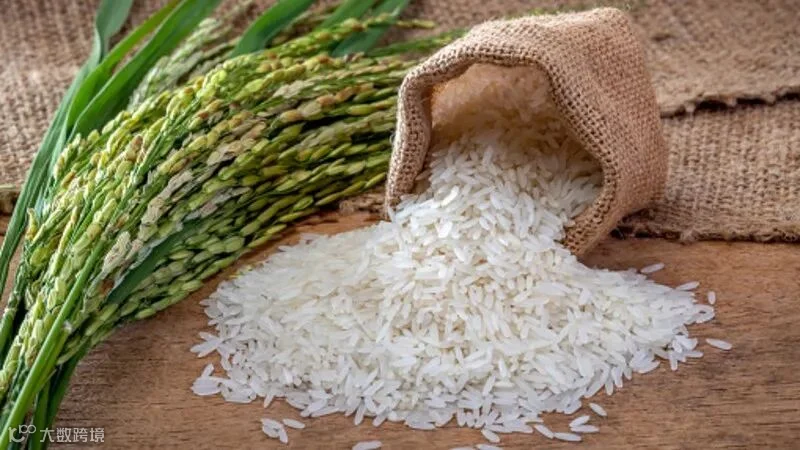
据巴基斯坦《黎明报》11月23日及其姊妹网站Profit同日报道,本财年前四个月(7月—10月)巴基斯坦大米出口总量达135.1万吨,同比增加35.3万吨,其中高端巴斯马蒂大米出口31万吨、同比激增62%(增加11.6万吨),非巴斯马蒂大米出口104.9万吨、增长16%(增加14万吨)。这一成绩是在红海、霍尔木兹海峡及中东局势导致航线改道、运费和海运保险费大涨的背景下取得的。分析人士将巴斯马蒂的强劲表现归因于多项因素:地方税费退税款(DLTL)政策延长至9月底、充足的结转库存、种植面积扩大、部分地区一年两熟、单产提高及有利的天气带来丰收。非巴斯马蒂大米则顶住了受高额补贴的印度大米以及泰国、越南、柬埔寨、缅甸供应商的激烈价格竞争。10月单月国别数据显示:菲律宾以8.75万吨成为当月最大买家,其后为坦桑尼亚4.37万吨、肯尼亚3.31万吨、阿联酋2.53万吨、欧盟2.12万吨、中亚1.64万吨、中国1.19万吨、沙特0.77万吨。
Pakistan's total rice exports reached 1.351 million tonnes in the first four months (July-October) of fiscal year 2026-27, up 353,000 tonnes year on year, according to Dawn and its sister outlet Profit on November 23. Basmati exports surged 62 percent, adding 116,000 tonnes to reach 301,000 tonnes, while non-Basmati shipments grew 16 percent, up 140,000 tonnes to 1.049 million tonnes. The growth came despite shipping disruptions in the Red Sea, the Strait of Hormuz and the wider Middle East, which forced route diversions and pushed up freight charges and marine insurance premiums. Analysts attributed the strong Basmati performance to the extension of the Drawback of Local Taxes and Levies (DLTL) scheme through September, substantial carryover stocks, an expanded cultivated area, double-cropping in some regions, higher per-acre yields and favourable weather that produced a bumper harvest. Non-Basmati rice held its ground against fierce price competition from heavily subsidised Indian rice and aggressive offers from Thailand, Vietnam, Cambodia and Myanmar. Country-wise figures for October showed the Philippines as the largest single buyer with 87,478 tonnes, followed by Tanzania with 43,747 tonnes and Kenya with 33,078 tonnes. Other major destinations included the United Arab Emirates with 25,305 tonnes, the European Union with 21,200 tonnes, Central Asia with 16,400 tonnes, China with 11,949 tonnes and Saudi Arabia with 7,655 tonnes.
