


原文链接: https://www.sciencedirect.com/science/article/pii/S0921344919303143

图片来源于网络(侵删)
文章导读
到2050年,全球水资源需求预计将增长55%。美国政府问责局2014年的一项研究显示,美国40个州的水资源管理者预计,到2024年美国一些州的水资源将出现严重短缺。更多的采用水回收技术可以帮助满足水资源日益增长的需求。然而公众的抵制阻碍了水回收技术在美国的广泛实施。考虑到水回收技术实施的重要性,学者们长期以来一直在研究影响美国和世界各地关于再生水使用的看法和支持的因素。这些研究确定了一些潜在支持使用再生水的关键因素,包括污染担忧等心理因素;对市政机构的信任、当地情况以及社会人口等因素。然而,之前关于美国人对再生水的态度的研究主要是在受干旱影响的地区、主要城市群地区或对水资源再利用设施的管理者进行重点调查。这些样本为了解美国对水需求最迫切的地区的美国人态度提供了重要的见解,因此推动实施和扩大水回收技术的动力最大。然而这些结果缺乏普适性。
文章亮点
1. 本研究对美国人对再生水的态度开展了全国代表性调查。
2. 美国人对水回收技术的认识严重不足。
3. 公众相关认知是支持饮用再生水的最重要的决定因素。
4. 对污水污染最担忧的美国人最不可能支持水回收。
5. 公共活动应缓解水资源短缺和气候变化在公众心目中的影响,以增加水回收技术的支持。
文章摘要
在淡水供应日益减少的时代,水资源回收是满足日益增长的全球用水需求的一个潜在解决方案。然而,公众的反对阻碍了水回收技术在美国的广泛实施。解决公众的担忧并克服这些阻力对于水回收项目的政治可行性至关重要。在现有关于美国人对水资源回收利用态度研究的基础上,本文从三个方面开展了研究。首先,本文探索了公众对水回收的基本要素的理解,并识别了公众认知的空白。其次,本文调查了美国人对水回收最担忧的因素。最后,本研究调查了知识、具体的担忧以及一系列其他因素,包括美国人对环境的考量、当地状况、党派倾向和人口特征,是如何综合影响人们对再生水的态度的。基于研究结果,本文确定了几个未来教育推广工作中的重要目标,以鼓励公众对水回收项目的支持。研究结果表明,政策相关的知识是支持水回收的最重要的决定因素,然而,在少数知情人与不知情的多数人之间,存在着明显的知识鸿沟。缩小这一差距可大大增加对水回收的支持。公众对污水污染的担忧对支持水回收的影响巨大,这使它们成为未来教育推广工作的重要关注点。最后,未来的教育活动会寻求缓解水资源短缺和气候变化在公众心目中的影响,以避免加剧现有的分歧。
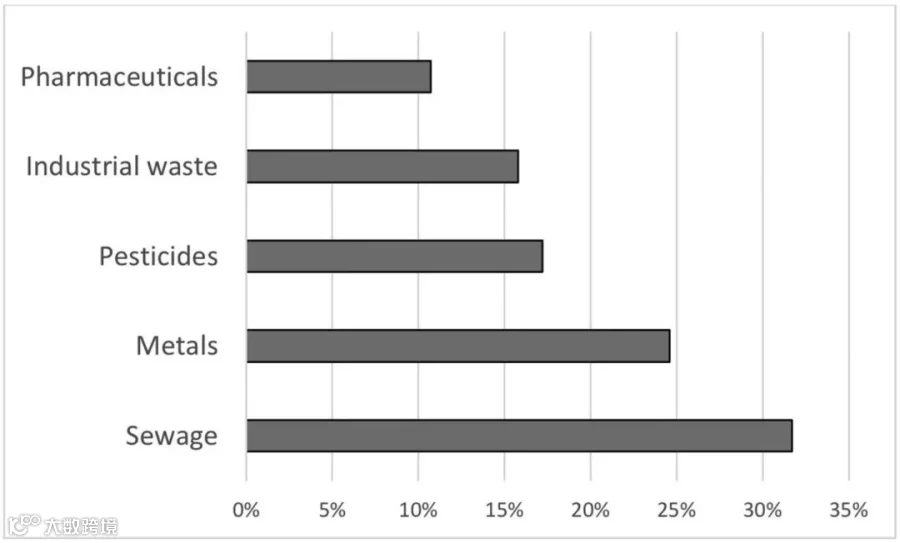
图1 公众对再生水的担忧因素

图2 公众支持的再生水用途
原文信息

ABSTRACT
Water recycling is one potential solution to meeting the growing global demand for water in an age of dwindling freshwater supplies. However, public opposition has played a key role historically in blunting the broad implementation of water recycling technologies across the United States. Addressing public concerns and overcoming this opposition is critical to the political viability of water recycling programs as a response to growing water insecurity. This analysis builds on existing research on Americans’ attitudes toward water recycling in three ways. First, it explores public understanding of basic elements of water recycling and identifies important gaps in public knowledge. Second, it examines the factors that most concern Americans about water recycling. Finally, it investigates how knowledge, specific concerns, and a range of other factors, including Americans’ environmental priorities, local context, partisan leanings, and demographic characteristics, combine to influence attitudes toward recycled water. The results identify several promising targets for future educational outreach efforts to build public support for water recycling projects. Policy-relevant knowledge is the single most important predictor of support for water recycling. Yet, there is a stark knowledge gap between a highly informed few and an unaware majority. Bridging this gap could greatly increase support for water recycling. Concerns about sewage contamination were most corrosive to support for water recycling, making them a prime target for further outreach. Finally, our results suggest that future educational campaigns may seek to decouple water scarcity and climate change in the public mind to avoid exacerbating existing cleavages.

本期编辑:
白羽萍,中国科学院地理科学与资源研究所,资源环境管理与政策方向,博士研究生。
https://www.researchgate.net/profile/Yuping_Bai2

更多优秀论文
尽在RCR
Resources 丨 Conservation 丨 Recycling
欢迎加入公众号编辑团队,简历请投至邮箱:
rcr-office@umich.edu
谈笑有鸿儒:请留言!
都说点赞会变美!不信你试试

