


原文链接:
https://www.sciencedirect.com/science/article/pii/S0921344919303271
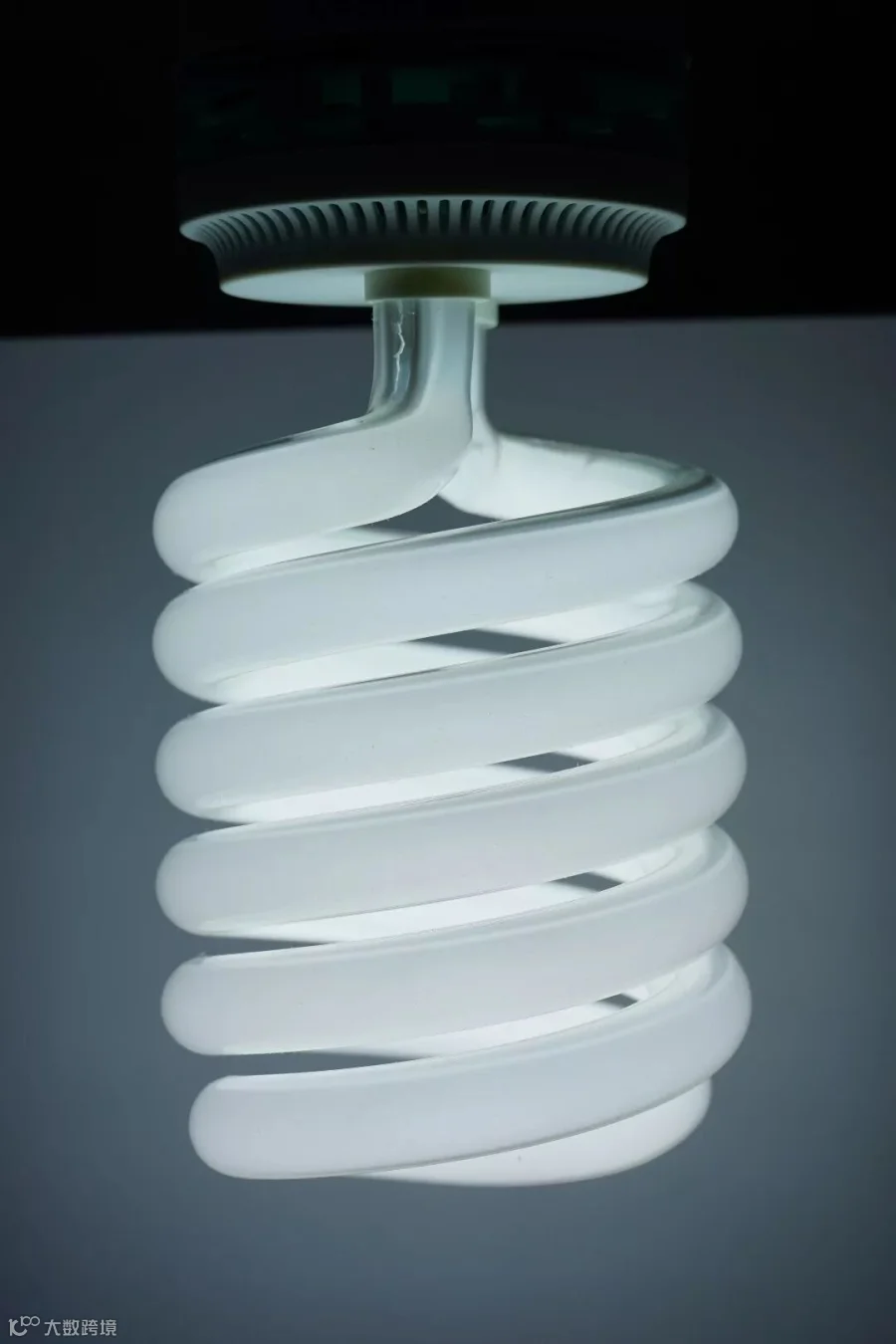
图片来源于网络(侵删)
文章导读
照明技术正在向能源高效率过渡。根据环境署的最新报告,到2030年,向更高效的LED过渡将导致电力消耗减少800TWh/年,温室气体排放减少390Mt CO2当量/年。尽管高效照明技术具有能源和环境效益,但它们增加了多种金属的消耗,包括铝,钡,铜,稼,铁,铅,镍,锌和稀土元素。在这些金属中,稀土元素被认为是世界范围内的关键材料。在高效照明技术中,稀土氧化物(REO)被用于生产磷光体。回收被认为是减轻关键材料供应风险的一种策略,特别是对于那些严重依赖于进口资源的国家。从报废照明技术中回收REO作为辅助供应,需要表征未来REO的需求和照明技术的废弃流,同时经济可行性在理解基于市场的回收实践中起着关键作用。
本研究旨在回答以下问题:首先,来自废弃照明技术的REO流量的未来轨迹如何?其次,来自废弃照明技术的REO数量增加是否可以使REO回收获利?如果不是,从有效的照明技术中获得可再生利用的REO的利润回收所需的REO底价是多少?
文章亮点
1、废弃的节能照明灯具中的稀土金属氧化物(REO)流量有望在2020年至2027年达到峰值。
2、增加回收工厂的规模可以大大降低回收成本。
3、在2018年REO市场价格下,无论回收工厂规模如何,REO回收在经济上都不可行。
4、大幅提高REO价格和相应的政策干预对于改善REO回收至关重要。
摘要
向高效照明技术转型,如荧光灯和LED灯,是减缓气候变化的重要策略。但是,这也增加了对诸如稀土氧化物等关键材料的需求。虽然回收可以减轻对主要REO的依赖,但是回收这些材料目前在经济上不可行,从而限制了其应用。随着越来越多的REO可供回收,规模经济有望降低成本,从而改善其流通性。在这里,我们使用动态物质流分析和技术学习曲线方法来分析回收操作规模和REO价格对REO回收的经济可行性的影响。我们的结果表明,废弃的节能照明灯具中的REO流量有望在2020年至2027年达到峰值。增加回收工厂的产能可以将成本从100吨/年的产能约7200美元/吨的REO荧光粉降低到1500吨/年产能的约2500美元/吨的REO荧光粉。尽管如此,我们发现无论规模大小,在2018年REO价格下,REO回收在经济上都不可行。对于年产能为800吨的工厂,在将2018年REO价格提高三倍后,回收再利用才能实现盈利。同时收支平衡点可以进一步大幅度降低。同时在报废节能灯不断增长的过程中,扩大回收工厂的规模,并不会自动提高当前市场条件下的REO回收率。因此,节能照明技术中REO回收率的显著提高需要大幅提高REO价格或采取相应的政策干预措施。

图1 低(a)、中(b)和高(c)LED渗透情况下不同照明技术的需求。

图2 低(a)、中(b)和高(c)LED渗透情况下照明行业的REO总需求和废物流

图3 不同工厂产能下的回收成本预测

图4 在2018年REO价格水平(a)和其他三个工厂规模收支平衡价格分别为1500(b),800(c)和100 t / yr(d)的情况下,具有不同工厂产能的REO回收过程的利润率

图5 在2018年市场价格下,不同参数对回收的REO混合物销售收入影响的敏感性分析

原文信息

标题:
Economic feasibility of recycling rare earth oxides from end-of-life lightingtechnologies
作者:
Yang Qiu, Sangwon Suh⁎
单位:
Bren School of Environmental Science and Management, University of California, Santa Barbara, Bren Hall, 2400 University of California, Santa Barbara, CA 93117, USA
英文摘要:
Transition to efficient lighting technologies, such as fluorescent and LED lamps, is an important strategy to mitigate climate change. However, it also increases the demand for critical materials such as rare earth oxides (REOs). While recycling can alleviate the dependence on primary REOs, recycling these materials from lighting technologies is currently economically infeasible, limiting its adoption. As more REOs will become available for recycling, the economy of scale is expected to reduce the cost, therefore improving their circularity. Here we analyze the effects that the scale of recycling operation and REO prices have on the economic feasibility of REO recycling using dynamic material flow analysis and technology learning curve approaches. Our results show that end-of-life REOs from lighting technologies are expected to peak between 2020 and 2027. Increasing recycling plant capacity can reduce cost from about $7200/t REO phosphors at 100 t/yr capacity to about $2500/t REO phosphors at 1500 t/yr capacity. Nevertheless, we found that REO recycling would not be economically feasible under 2018 REO prices, irrespective of scale. For a plant at 800 t/yr capacity, recycling becomes profitable only after a threefold increase from 2018 REO prices. The break-even point can be further reduced at a larger scale. Our results suggest that scaling-up recycling plants in the course of growing volume of end-of-life lighting technologies alone will not automatically increase REO recycling under current market conditions. Significant improvement of REO recycling rate in lighting technologies would therefore require substantially higher REO prices or commensurate policy interventions.
本期编辑
张浩然,北京大学城市与环境学院博士研究生,研究方向:资源环境政策和管理。
更多优秀论文
尽在RCR
Resources 丨 Conservation 丨 Recycling
欢迎加入公众号编辑团队,简历请投至邮箱:
rcr-office@umich.edu
谈笑有鸿儒:请留言!
都说点赞会变美!不信你试试
