


原文链接:
https://www.sciencedirect.com/science/article/pii/S0921344921001634

图片来源于网络(侵删)
Part 01
文章导读
气候变化能通过复杂的机制对人类的健康产生直接和间接的影响。澳大利亚经常遭遇极端天气,同时又拥有大量沿海人口,因此对气候变化极其敏感。澳大利亚的气候变化给本土医疗系统带来了严峻的挑战。一方面,气候变化影响居民健康,增加了医疗负担;另一方面,医疗系统必须保持应对极端天气和疾病变化的能力。然而,医疗系统还面临着额外的挑战——医疗系统本身的运作会产生重大的环境影响。据估计,全球因医疗保健产生的碳足迹相当于全球净排放的4.4%,稀缺水足迹约占全球总量的2%。
本文以澳大利亚最大的州——NSW(New South Wales, 新南威尔士州)为研究区域,运用多区域投入产出模型和混合生命周期评价方法,对2017年NSW医疗系统引起的温室气体排放、水消耗和废弃物产生进行量化评估。本文分析包含以下四个方面:
(1)对NSW医疗系统所产生的直接与间接环境影响进行量化评估;
(2)根据为NSW医疗系统提供中间投入的经济部门,揭示澳大利亚国内环境足迹现状;
(3)对上游各生产层的影响进行分解,找出环境影响的热点位置;
(4)基于各州为NSW医疗系统提供的投入,量化各州的贡献,对NSW环境足迹进行分解。
Part 02
文章摘要
气候变化正对人类社会造成一系列重大影响,如更频繁的极端天气、空气污染、传染病分布的变化、心理健康影响等。2018年,《柳叶刀》健康和气候变化倒计时报告指出:“……气候变化是21世纪最大的全球健康威胁”。本研究旨在量化澳大利亚最大的州——NSW医疗系统供应链所产生的环境影响。本文将一系列环境指标(温室气体排放、水消耗和废弃物)纳入云计算平台,并为澳大利亚定制了一个地方多区域投入产出表。我们使用特定的医疗系统数据构建了一个混合生命周期评估模型,并量化NSW医疗系统与其它经济部门,及澳大利亚其他地区经济相互作用所产生的环境影响。研究结果显示,2017年NSW医疗系统产生的温室气体足迹,水足迹,废弃物足迹分别占NSW经济产生总量的6.6%,4%,8%。这些研究结果强调,应实施针对性政策,减少医疗系统及其供应链产生的环境影响。
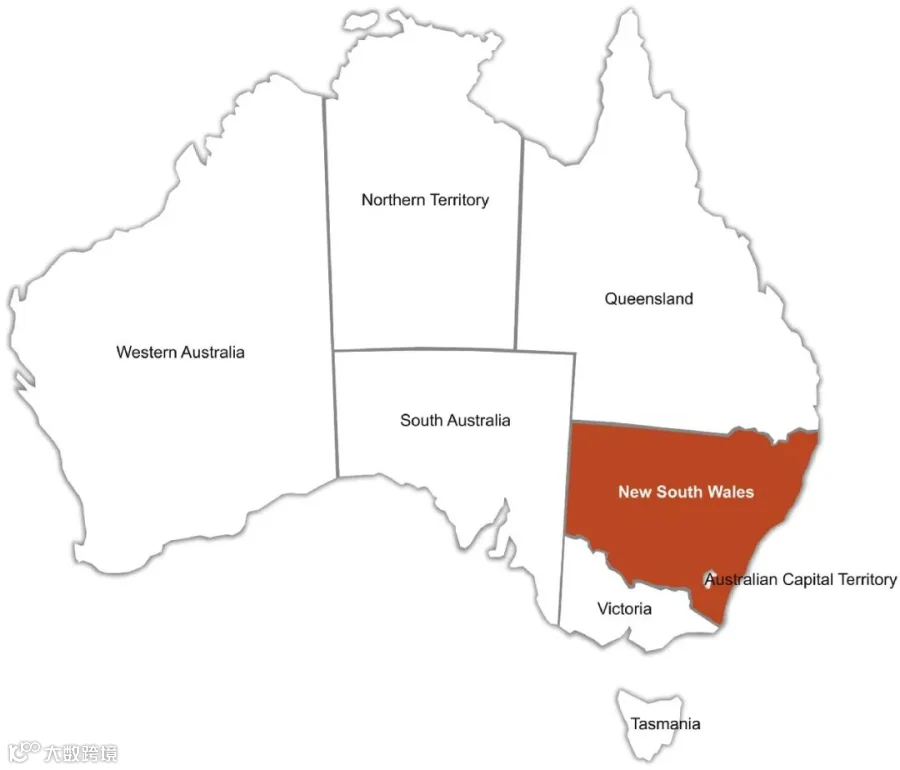
图1 澳大利亚地方多区域投入产出表所包含的区域

图2 选定医疗部门对NSW医疗系统产生的温室气体、水消耗和废弃物足迹的贡献

图3 对温室气体(A)、废弃物(B)、水足迹(C)的生产层分解

图4 对NSW医疗部门温室气体、水和废弃物足迹产生具有关键贡献的部门(示例)

图5 区域间贸易对NSW医疗系统环境影响的贡献
Part 03
原文信息

Abstract
Climate change is causing a range of impacts on communities such as more frequent extreme weather, air pollution, changing distribution of infectious diseases, mental health impacts and others. The 2018 report of the Lancet Countdown on health and climate change concluded that “…climate change is the biggest global health threat of the 21st century” (Watts et al. 2018). This study aims to provide a quantitative supply-chain assessment of the environmental impacts of the health system in Australia’s largest state, New South Wales (NSW). We integrate a range of environmental indicators, such as greenhouse gas emissions (GHGEs), water use and waste into a cloud-computing platform for constructing a custom-built sub-national multi-regional input-output (MRIO) table for Australia. We then use specific health system data to construct a hybrid life-cycle assessment model featuring detail on the health system, and quantify the environmental impact of interactions of the health system with the rest of the NSW and Australian economy. Our findings show that the health system in Australia’s largest state was responsible for 6.6% of the total estimated GHGEs in 2017, 4% of water use, and 8% of waste produced in the NSW economy. The results highlight the need for implementation of targeted policies to reduce not only the direct environmental impacts generated by health systems but also those from its supply chains that connect with many other economic sectors.
本期编辑
刘祎炜,南昌大学经济管理学院,硕士研究生
更多优秀论文
尽在RCR
Resources 丨 Conservation 丨 Recycling
2019年影响因子:8.086
欢迎加入公众号编辑团队,简历请投至邮箱:
rcr-office@umich.edu
谈笑有鸿儒:请留言!
都说点赞会变美!不信你试试

