



游戏化能否提升回收行为?——基于App实验与访谈的混合研究图解
原文标题:
Trash to treasure: Gamification and informed recycling behavior
原文作者:
Silvia Venturi a , Katrin Zulauf b , Roberta Cuel c , Ralf Wagner b, *
作者单位:
a 意大利LVMH集团宝格丽;b 德国卡塞尔大学可持续营销研究所;c 意大利特伦托大学经济与管理系
关键词:
游戏化;游戏化应用;知情回收;学习;助推;废弃物处置行为
原文链接:
https://www.sciencedirect.com/science/article/pii/S0921344924006980
1.首次在“计划行为理论”与“游戏化学习理论”融合框架下,用实验+质性方法检验游戏化对垃圾分类的真实效应。
2.四天现场实验表明:普通信息App与游戏化App均显著提升回收知识,两组增幅无显著差异,游戏化并非“万能钥匙”。
3.深度访谈揭示:30岁以下群体对游戏化接受度高;多数中老年用户认为点数、排行榜等机制“浪费时间”,偏好即查即用的信息工具。
4.负面社会舆论(“分好类也被市政混运”)对行为意图的削弱作用远大于个人态度。
5.为地方政府与开发者提供“去游戏化”也有效的低成本干预方案:聚焦即时查询、本地化规则、可信反馈,而非盲目增加游戏元素。
“游戏化”被寄予厚望,但真能让居民更准确地分类投放吗?本文作者把26位意大利皮斯托亚市民随机分成“游戏化App”“普通信息App”与“纸质宣传单”三组,通过实验前后测评与半结构式访谈,首次用混合方法回答了这一问题。研究发现:两款App都能把分类正确率提高约20%,但点数、勋章、排行榜并未带来额外增益;相反,部分用户因“被迫做任务”而降低使用意愿。作者指出,真正驱动回收行为的是“环境关切+社会信任+即时可查的本地规则”,而非游戏本身。文章为城市管理部门与开发者开出“低成本、高接受度”的干预处方:先做易查、可信、去游戏化的信息工具,再考虑把游戏元素作为年轻群体的补充玩法。
提升可持续性需要在消费者教育中推动回收。集成了游戏化机制、能提供分类指导的互动数字平台、网站与App正成为新趋势。本文通过26次深度访谈与18人参与的四天App实验,比较纸质、普通App与游戏化App三种信息提供方式对居民垃圾分类行为的影响。结果显示,两种App均显著提高了受试者的回收知识,而游戏化元素本身并未带来额外收益。研究拓展了“游戏化学习理论”,为地方政府与开发者设计有效的垃圾分类干预工具提供了实践启示。
表1. 描述性统计
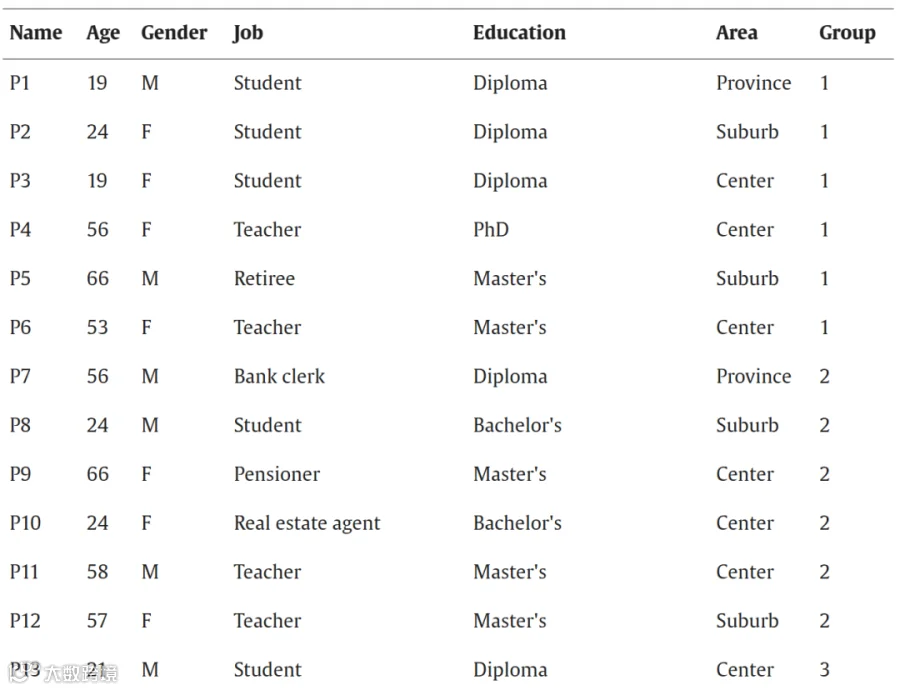

表2. 知识测试结果

表3. 结果概要


图1. 将TGL与消费者行为框架连接起来

图2. Junker和greenApes应用程序

图3. 研究设计和处理

图4. 非参数独立样本中位数检验结果

图5. 学习行为
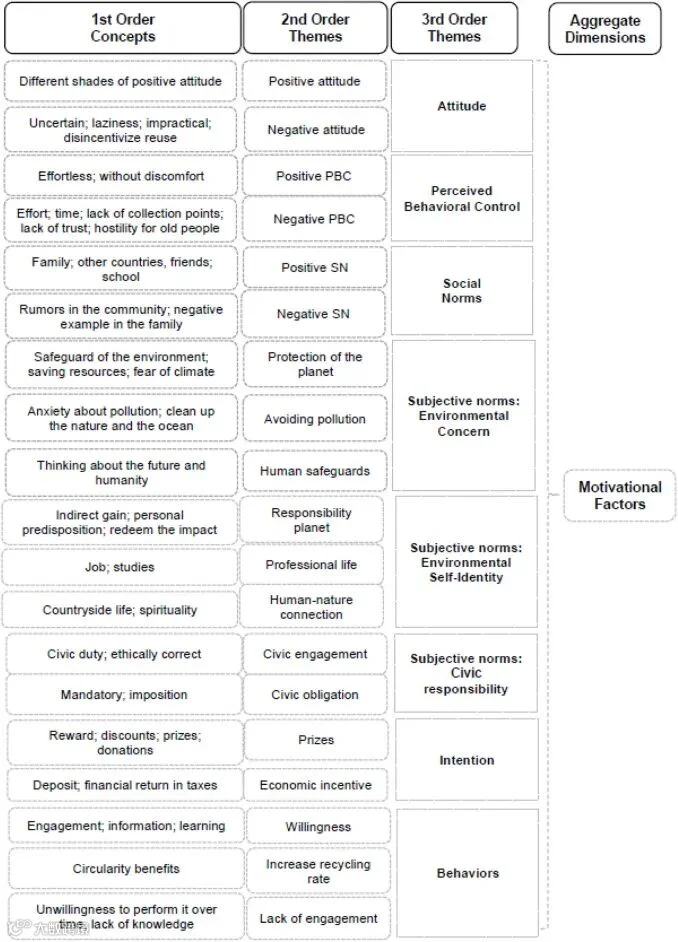
图6. 激励因素

Enhancing sustainability entails promoting recycling in consumer education. Interactive digital platforms, websites, and apps that offer insights and incorporate gamification to interest and incentivize users represent an emerging trend. These include interactive edutainment and recycling games, tailored recycling schemes, and virtual and tangible incentives for specific behaviors. This study is based on 26 interviews and an app usage experiment with 18 participants to evaluate the effects of different information provision (paper-based vs. app and gamified app) modes to engage participants in waste management. The study considers behavior modification by examining the potential effect of gamification on informed recycling. By adopting determinants from behavioral psychology (e.g., social norms, peer influence, and positive reinforcement), this paper focuses on sustainable recycling behavior. It contributes novel perspectives by identifying recycling-oriented games, refining existing theoretical recycling models, and suggesting effective approaches for policymakers and businesses.
孙晓琦,重庆大学经济与工商管理学院,博士研究生
