


近日,土耳其通讯社报道,土耳其中央银行当地时间19日对外发布消息称,所有于本月18日通过该银行支付从中国进口商品费用的公司,均以人民币进行结算,这也是首次土耳其和中国的交易中以人民币的货币交换。土耳其央行还表示,以人民币结算将“进一步加强土耳其与中国之间的金融合作”。并于同日,将所有产中国进口产品用人民币支付。土方还表示,以后推动国际双边的贸易都用人民币支付。
Recently, Turkish news agency reported that the Central Bank of Turkey announced on 19 local time that all companies that paid for the import of goods from China through the bank on 18 this month were settled in RMB, which was the first time that Turkey and China exchanged RMB in a transaction. The Turkish central bank also said that settlement in RMB would "further strengthen the financial cooperation between Turkey and China". And on the same day, all products made in China and imported products will be paid in RMB. Turkmenistan also said that in the future, it will promote international and bilateral trade to be paid in RMB.

中国与土耳其在2019年5月30日便签署了两国本币互换协议,土耳其央行在本币互换协议签署一年多后,日前才宣布土耳其在进口中国货物直接以人民币进行结算,这无疑代表在全球的新冠疫情疫后,土耳其国内极看好“人民币相对坚挺”的表现,这也是对人民币“国际化进程”也有一定的促进。这对人民币来说,的确是一个“好消息”。
土耳其是我国的一个出口大国。从中国进口的主要商品为机电产品、纺织品及原料和化工产品,贱金属及制品、塑料橡胶、家具玩具、运输设备等。主要分为三大类,矿产品,化工产品和纺织品。其中电产品就有一半来自中国进口产品。并且近几年中国对土耳其的出口量还在逐年上升。
近期土耳其政府大力倡导使用本币开展双边贸易结算。此前,土耳其贸易部部长鲁赫萨尔·佩克詹曾表示,希望土耳其和中国继续推动双边国际贸易中的本币结算。
有分析人士指出,人民币在双边贸易下作为风险低和坚挺的计价货币将赢得更多中土贸易客户的青睐,预计未来土耳其人民币结算量将进一步扩大。
2019年5月30日,中国人民银行与土耳其中央银行续签规模为120亿元人民币/109亿土耳其里拉的双边本币互换协议。
China and Turkey signed the local currency swap agreement on May 30, 2019. More than a year after the signing of the local currency swap agreement, Turkey's central bank announced that Turkey's import of Chinese goods will be settled in RMB directly, which undoubtedly represents Turkey's domestic optimistic performance of "relatively strong RMB" after the global epidemic, which is also a "country" of RMB The process of internationalization has also been promoted to some extent. This is indeed "good news" for the RMB.
Turkey is a big exporter of our country. The main commodities imported from China are mechanical and electrical products, textiles, raw materials and chemical products, base metals and products, plastic rubber, furniture and toys, transportation equipment, etc. It is mainly divided into three categories: mineral products, chemical products and textiles. Half of the electric products are imported from China. And in recent years, China's exports to Turkey are still increasing year by year.
Recently, the Turkish government strongly advocated the use of local currency for bilateral trade settlement. Earlier, Turkey's trade minister, ruhsar pekkjan, had expressed the hope that Turkey and China would continue to promote local currency settlement in bilateral international trade.
Some analysts pointed out that the RMB, as a low-risk and strong pricing currency in bilateral trade, will win more customers' favor in China Turkey trade, and it is expected that the RMB settlement volume in Turkey will further expand in the future.
On May 30, 2019, the people's Bank of China and the Central Bank of Turkey renewed the bilateral local currency swap agreement with the scale of 12 billion yuan / 10.9 billion Turkish lire.
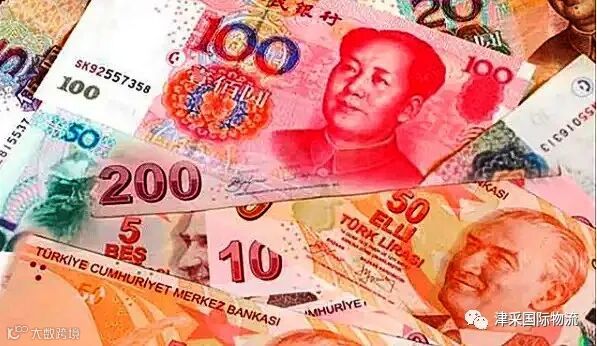
所谓“本币互换协议”,一为促进两国(地区)间贸易往来;二为增大两国相应的外汇储备,稳定两国与地区外币的汇率;以备不时之需。三是两国企业在贸易中可以使用本国货币进行交易,规避使用国际上汇率波动较大第三方货币,比如美元、欧元与日元等造成的损失。可使参与本币互换的两国企业免受“第三方汇率”波动过大而造成换汇的损失。
如中土两国的本币互换协议金额为“120亿元人币/109亿里拉”。协议签署后,两国央行将分别指定一家专门的银行账户,相互给对方指定的银行账户打入协议规定的本国的货币金额。两国被指定的专门银行账户,则为两国企业的进出口提供指定的本币“换汇服务”,这样显然更好地促进两国的进出口交易。
而本币互换协议规定的“人民币跨境交易结算”方式,当然主要针对国家间“大宗货物贸易”而言的,这是人民币“国际化进程”的一个过渡与方向之一,这与在各国民间“人民币自由流通”是不同的概念。
中国从2008年开始实行“人民币跨境结算试点”,先从上海、珠三角部分城市,与港澳地区进行贸易结算开始推行的,继而推广到“广西与东盟地区贸易结算”中使用人民币进行结算。可有效规避“国际金融危机”造成国际货币汇率波动所带来的结算风险。
The so-called "local currency swap agreement" is to promote trade between the two countries (regions), increase the corresponding foreign exchange reserves of the two countries and stabilize the exchange rate of foreign currencies between the two countries (regions), in case of emergency. Third, enterprises of the two countries can use their own currencies in trade to avoid losses caused by the use of third-party currencies, such as the US dollar, the euro and the Japanese yen, with large fluctuations in the international exchange rate. It can protect the enterprises of the two countries from the loss of exchange caused by the excessive fluctuation of the "third party exchange rate".
For example, the amount of local currency swap agreement between China and Turkey is "12 billion RMB / 10.9 billion lira". After the signing of the agreement, the central banks of the two countries will respectively designate a special bank account to input each other's designated bank account with the amount of domestic currency specified in the agreement. The designated special bank accounts of the two countries provide the designated local currency "exchange service" for the import and export of enterprises of the two countries, which obviously better promotes the import and export transactions of the two countries.
The "RMB cross-border transaction settlement" mode stipulated in the local currency swap agreement, of course, is mainly aimed at the "bulk goods trade" between countries, which is one of the transition and direction of the "internationalization process" of RMB, which is different from the concept of "free circulation of RMB" in various countries.
China began to implement the "RMB cross-border settlement pilot project" in 2008, which started from Shanghai and some cities in the Pearl River Delta and started to carry out trade settlement with Hong Kong and Macao, and then extended to "Guangxi and ASEAN trade settlement" using RMB for settlement. It can effectively avoid the settlement risk caused by the fluctuation of international currency exchange rate caused by the "international financial crisis".
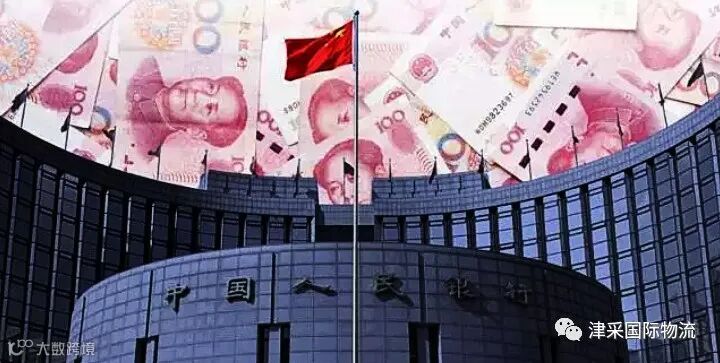
自2008年以来,中国与各国的本币互换协议中使用的人民币总额度共累计了4万多亿元。至2019年5月30日止,中国至少已经与全球33个国家、地区曾签署过本币互换协议。
“本币互换协议”与“人民币跨境自由使用”的区别?前者是国家间大宗贸易本币结算使用。而后者是各国民间,民众在消费中接受与使用人民币的概念。
一般来说,与中国交流较为密切的一些周边国家与地区,其民间也存在大量接受与使用人民币的现象。这些国家分别有越南、朝鲜、泰国、巴基斯坦、蒙古、韩国、日本、新加坡及我国的港澳地区。另外中东地区的一些友好国家,比如伊朗,个别地方会选持性地接受人民币消费。
Since 2008, the total amount of RMB used in domestic currency swap agreements between China and other countries has accumulated more than 400 billion yuan. By May 30, 2019, China has signed local currency swap agreements with at least 33 countries and regions around the world.
What is the difference between "local currency swap agreement" and "free cross-border use of RMB"? The former is the use of local currency for settlement of bulk trade between countries. The latter is the concept that people of all countries accept and use RMB in consumption.
Generally speaking, some neighboring countries and regions which have close exchanges with China also have a large number of acceptance and use of RMB among the people. These countries include Vietnam, North Korea, Thailand, Pakistan, Mongolia, South Korea, Japan, Singapore and Hong Kong and Macao. In addition, some friendly countries in the Middle East, such as Iran, will selectively accept RMB consumption.
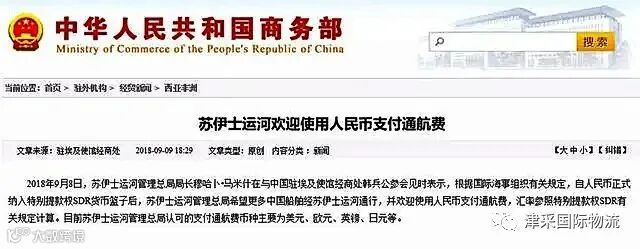
苏伊士运河欢迎用人民币结算Suez Canal welcomes RMB settlement
还有的是埃及苏伊士运河,2018年9月8日起,中国船只通过运河也可以直接以人民币进行付“过路费”。但人民币要真正变成国际上“完全自由流通的货币”,仍然有很长的路要走。
There is also the Suez Canal in Egypt. From September 8, 2018, Chinese ships can also directly pay the "toll" in RMB through the canal. But there is still a long way to go before the RMB can truly become the "fully free currency" in the world.
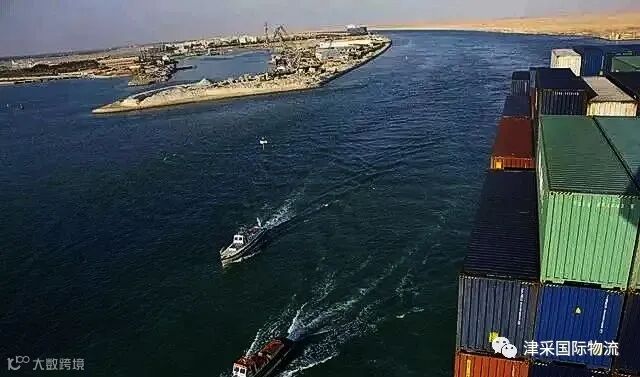
苏伊士运河Suez Canal
2020年世界经济形势受新冠疫情影响变动很大,而美国的新冠疫情更为严重,美国国内印钞量大增,美元汇率有可能面临较大的波动压力。而中国防疫处理得较好;人民币汇率波动相对平稳。使用人民币进行贸易结算,对土耳其显然也非常有利。
In 2020, the world economic situation will be greatly affected by the new crown epidemic, while the new crown epidemic in the United States is more serious. The amount of money printed in the United States has increased greatly, and the exchange rate of the United States dollar is likely to face greater fluctuation pressure. However, China's epidemic prevention is well handled, and the fluctuation of RMB exchange rate is relatively stable. The use of RMB for trade settlement is also obviously very beneficial for Turkey.

货币本身就是一种产品交流的媒介。土耳其这样做无疑是对中国经济实力的一种肯定。这使得人民币在双边贸易下作为风险低和坚挺的计价货币将赢得更多中土贸易客户的青睐。无论在什么时候,中方都会以认真,友好的态度对待每个国家,土耳其的做法无疑是对中国的肯定。
Money itself is a medium of product exchange. Turkey's doing so is undoubtedly an affirmation of China's economic strength. This makes the RMB as a low-risk and strong valuation currency in bilateral trade will win more customers' favor. At any time, China will treat each country with a serious and friendly attitude. Turkey's approach is undoubtedly an affirmation of China.