
执笔:何煦
商业人类学家
上海睿丛文化发展有限公司研究总监
原文发表于数字英文媒体SIXTH TONE
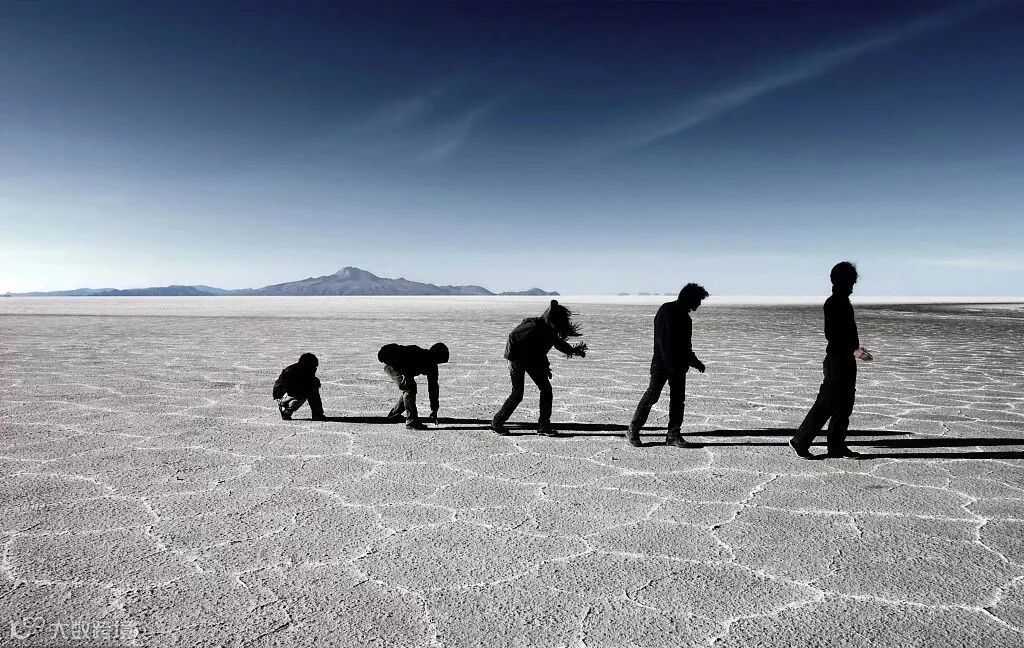
人们的日常生活,
包括观念、行为和习惯,
依据文化、地域和人群的不同而不同。
再微小日常的行为,
也会受到大量宏观社会力量的影响,
但生活与其中的人们却常常“日用而不知”。
商业人类学家,这样的身份在国内学术会议中还很少见。但当我在美国圣菲市中心酒店那颇具历史感的豪华大厅里,与几千名来自各个领域和区域的应用人类学家们共同参与应用人类学年会时,就意识到,参与这次会议是一趟认同之旅。
商业人类学,作为人类学应用于实践的一种,正在国内受到越来越多的关注,尤其在设计研究、商业策略研究等领域。我所就职的上海睿丛文化发展有限公司,是国内第一批将人类学与商业实践相结合的独立研究机构,将生活志(ethnograpgy)以及相关的人类学理论推广到策略研究领域,在过去的几年中逐渐赢得了市场声誉,并搭建起了应用人类学研发与宣传的平台。商业人类学家,作为一种身份也开始逐渐为人所知。商业人类学在中国市场的兴起,是中国市场发展的必然需求,同时也为人类学在当代中国的发展提供了新的探索方向。
人类学在中国的发展
人类学曾经在美国被认为是最不好找工作的专业之一,在中国的知名度也不高,大概不会是中国父母亲会愿意让孩子选择的志愿。10年前,当我面临继续深造的领域选择时,甚至都不太清楚人类学到底是学什么的。在公众眼中的低知名度跟学科发展历程有一定关系。
首先,中国的人类学是起步较晚的社会科学。到目前为止,国内开设人类学作为本科专业的学校也集中在211或者985的少数高校中,大概不超过20所。开设人类学专业博士点的学校就更少了。
其次,中国人类学被大众熟知也很晚。不像管理学、心理学,一直有与商业机构打交道的经验,在应用领域已经积累起了学科声誉。各种新闻报道和影视文学,也一直在塑造这些学科是如何解决实际问题的形象。关于人类学的流行文化内容却一直几乎是空白。同时,民族学与生物学塑造了中国人类学的印象。自学科重建以来,人类学在各大高校的恢复都依托于民族学和生物学。与人类学有关的全国性学会包括中国人类学民族学学会——从名字上即可看出它与民族学的关系——以及中国人类学学会,这个学会脱胎于20世纪上半期的解破学与人类学学会。复旦大学生物人类学关于基因溯源的消息,在近年来也屡屡见诸报端。
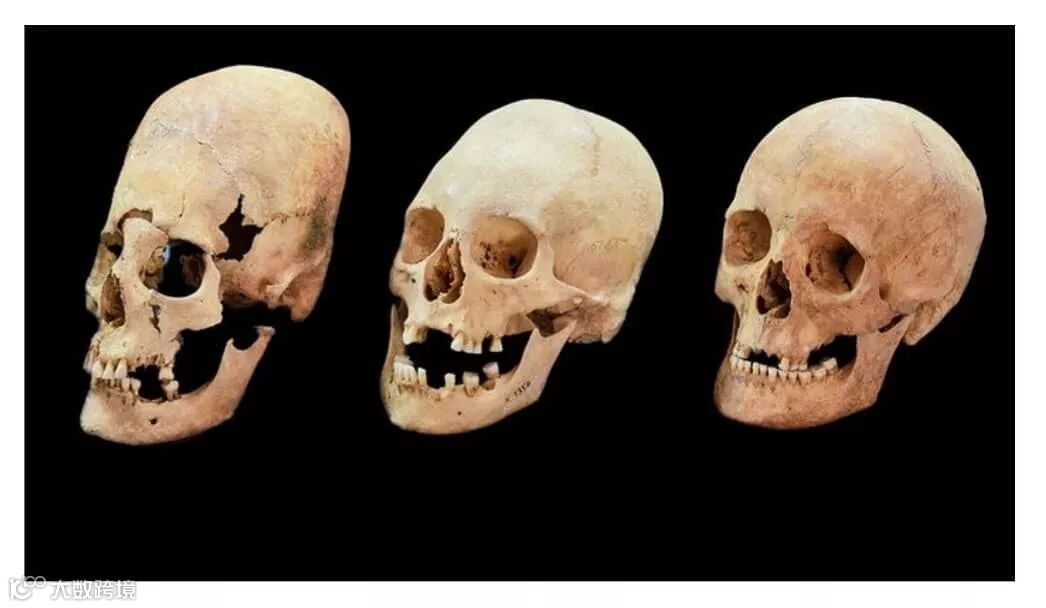 人们对于人类学的反应常常是,是研究头盖骨的吗?是研究原始人的吗?
关于日常生活的学问:所有问题都离不开人的问题
在美国的情况有所不同。人类学从一开始就是有独立的研究领域、研究方法和理论传统的学科。生活志(ethnography)的研究方法和整体论的理论传统,是人类学与其他社会科学的重要区别。在公众视野中,人类学家深入部落从事田野工作,经历各种现代社会的人难以想象的惊险故事,这类刻板印象随着“夺宝奇兵”、“识骨寻踪”等影视内容的宣传而逐渐深入人心。
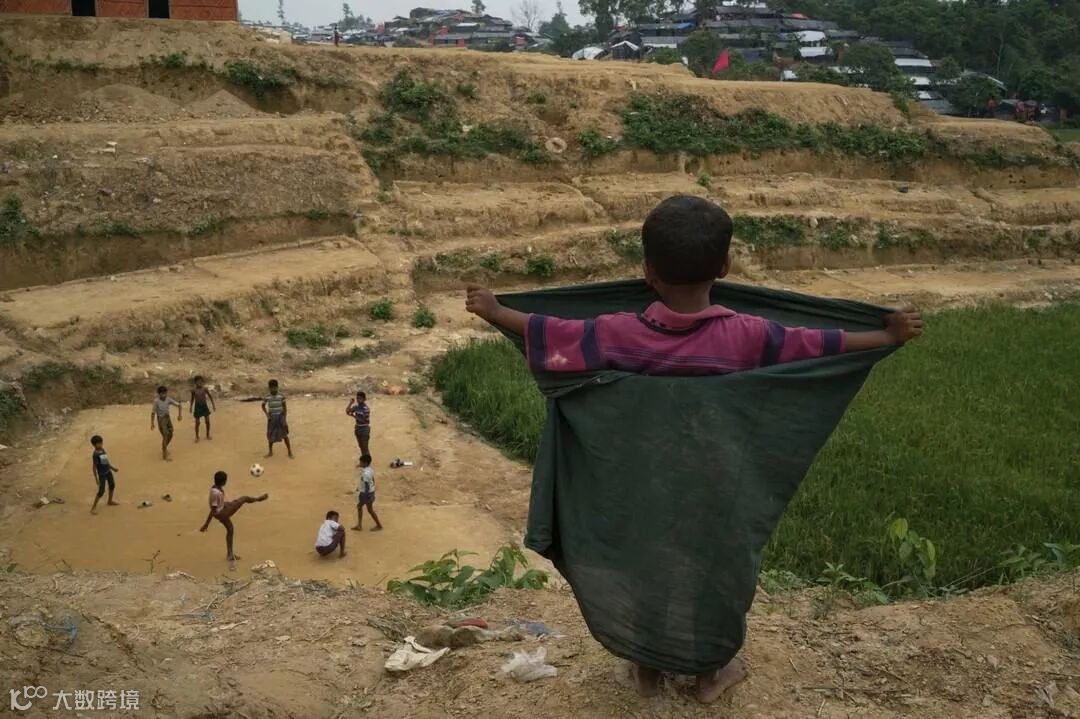
但人类学在应用领域发挥的价值, 并不因为它有这种异域色彩。恰恰相反,人类学关注人们生活中最日常的东西。无论是少数民族部落,还是当代都市的社区,有一些东西是人类学家进行田野时的必看:一日三餐,穿衣打扮,日常用品,休闲娱乐玩什么、闲来无事八卦什么。这些在外人看来再普通不过的信息,在人类学家眼中蕴藏着巨大的价值。美国普渡大学人类学系的诺兰教授曾经告诉我关于日本车在美国如何获得成功的故事。初次进入美国市场的日本车表现非常糟糕,在美国人看来,那样设计的车简直可以被称作滑稽。让市场发生逆转的契机来自于人类学式的研究。来自日本的汽车工程师们开始以家庭住宿的形式进入到加州的美国本土家庭中,跟美国人一起吃住,一起活动,一起看电视,一起开车出去玩。这样的田野工作持续了半年,汽车工程师们回到日本,并很快设计出了适合美国人观念的汽车,打开了美国市场。

人们的日常生活,包括观念、行为和习惯,依据文化、地域和人群的不同而不同。再微小日常的行为,也会受到大量宏观社会力量的影响,但生活与其中的人们却常常“日用而不知”。人类学家能够敏锐的意识到日常生活的这种差异,并形成知识来描述这种不同,以及解释为什么会产生这样的不同。与社会学家相比,人类学更加注重个体经验,同时,比心理学家更加重视从社会宏观角度寻求对人类行为的解释。既重视森林,也重视每一颗树,人类学家能够通过生活志,能够实现对“人”的日常生活的深度解释,从而为解决问题提供依据。
在美国,人类学的这类应用已经非常广泛,从苹果、微软、通用这类大量启用学者进行消费者和市场研究的大型商业组织,到医院、学校、博物馆等,以人类学家身份参与策略制定和执行的工作人员不在少数。
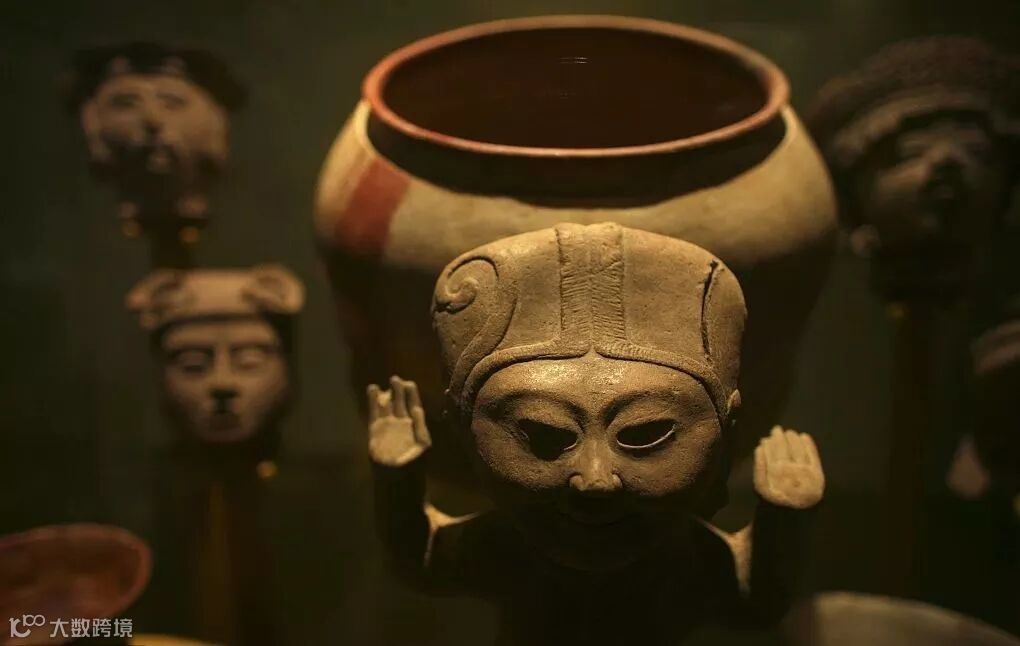
商业人类学在中国
国内人类学在商业领域的应用历史不长,但发展却很快。在2008年,微软的上海总部第一次找到复旦大学社会学院,想要寻找能够帮助他们进行一项研究的人类学家,复旦大学的人类学才正式开始与商业机构的合作。
那时候的中国企业对人类学能够做什么还知之甚少,许多企业也并不具备能够与人类学家对接的机构,比如对消费者研究有足够理解的市场和设计人员。在企业工作或者为企业工作的人类学家就更少了,甚至不被认为是一种可能的就业方向。当我做出不去高校就业的决定时,家人都惊呆了,他们无法想象这样一个专业能够为企业提供什么样的价值。而来自学术圈的质疑也存在,人类学和社会学素以他们对消费社会、对资本主义、对科层制的批判而闻名,为什么博士毕业不去生产理论,而要去为企业打工呢?坦白说,在决定从事这份职业的初期,我也并没有那么自信,因为“古人”太少了。但大概从工作的第二年起,我从大量为企业提供策略的经验中领悟了一件事情,真正的知识能够在任何地方为人所用,并且对世界产生实实在在的影响,无论组织是否是为了利润而运营,都需要这些知识,来让人们的工作和生活更方便、轻松、美好。最近几年人类学在中国商业领域的发展证明了这一点,我所从事的职业尽管少有“古人”,却有越来越多的“来者”。甚至很多客户会在项目结束以后,向我们询问哪里可以招到人类学的学生。在2017年美国应用人类学年会上,我也遇到了在美国从事商业人类学的许多人类学家们,三言两语就会发现,大家对人类学、对工作方式、对职业理念竟然有如此多的共同点。
当时能够并且愿意启用人类学家来从事研究的商业机构,几乎全部是微软、麦当劳、欧莱雅,这类跨国企业,他们有这样的意识和经验,同时也有强烈的需求:需要快速理解中国消费者的习惯、偏好和认知,简言之,文化。
短短几年的时间,情况发生了很大的变化。人类学家在商业领域逐渐声名鹊起,比如著名设计公司IDEO在中国推行其设计理念,其中重要的一部分就是强调人类学家在设计创新过程中的参与。我所在的上海睿丛文化,也在短短几年间成为业内权威的商业人类学研究机构。
并且,随着中国经济的发展和变迁,消费市场已经开始了新一轮的竞争。在各个品类中,企业都开始感觉到来自消费者和市场的压力,他们越来越难取悦,尤其是新生代的消费群体。他们正在面临Raill Nolan称之为“Mass Production Diversity”的问题:大规模标准化的产品设计、广告投放和品牌沟通,已经逐渐开始显现其在满足个性化、个人化以及长尾需求方面的劣势。
更重要的是,这一变化不仅仅是市场单方面的,全球化、个体化、信息技术的发展和产能升级都在推波助澜,中国消费者已经进入了全球消费时代,新的消费文化正在形成,并开始重塑人们关于“什么是好的品牌 / 产品 / 服务”的认知。在这一趋势中,老牌的大型跨国企业与中国本土企业处在同一起跑线上。在近几年,越来越多的本土企业也开始寻求更具人类学视角和文化视角的研究支持。人类学家在这类企业中也具有越来越重要的作用。在美国,人类学家常常以雇员的身份参与日常工作,集中在产品设计的细节、本土市场信息获取这些方面。当前中国的人类学家,其对商业活动的作用已经不再限于产品设计细节优化,而是拓展到了商业战略的各个方面,能够对商业活动起到更大的影响。举个例子,越来越多的企业开始意识到,影响消费者行为的不仅仅是产品的功能满足和性价比,需要从文化心态、经济、政策等多角度来综合考量他们所面临的市场,因此开始提出对社会发展趋势、区域文化历史洞察、人类行为洞察以及相关研究方法拓展的需求。睿丛文化的人类学研究不仅仅告诉企业,他们的消费者需要一个什么样的产品,还能够指明,企业作为社会生活和价值传播的重要参与者,应该以怎样的视角来看待社会,采取怎样的成长和发展之道,传播怎样的价值观念,承担怎样的社会责任。
来自应用领域的这些需求,也开始产生对学术培养体系的新需求。目前的人类学训练都更多的集中在专业技能层面,人类学家们惯于“孤独”的田野工作和内心独白式的研究结论呈现,然而商业领域需要多方协作,简单明了,需要弄清楚“what really matters”。这不仅需要熟稔的人类学专业技巧,也需要实用化的沟通和协作技巧,以应对商业组织的快节奏、跨领域和科层化沟通方式。这些都是目前的人类学教育中缺乏的东西。
但无论如何,人类学的价值在当今社会已经越来越重要,它独具特色的方法和理论传统积累了对人、社会、对自我的深刻洞察和领悟,是一种扎根生活,不断生长和发展的,有生命力的学问。商业人类学在中国的发展,正是这一生长过程结出的硕果。相信在不久的将来,企业中的人类学家会越来越多,发挥更重要的价值,影响商业价值的生产和传播,实现人类学家的共同追求:让人们的日常生活变得更美好一点。
(本文图片来源于视觉中国及网络)
Why Anthropology is Becoming Big Business in China
Written by He Xu
Business Anthropologist
Research Director,
Shanghai Rhizome Cultural Development
Initiallly published on SIXTH TONE
" Long considered a pointless persuit, companies are now turning to experts in the hope of understanding the roots of consumer behavior. "
At academic conferences in China, scholars who belong to my field — business anthropology — are still few and far between. Not long ago, I and several thousand other anthropologists from across the globe participated in the 2017 Annual Meeting of the U.S. Society for Applied Anthropology at a hotel in downtown Santa Fe, New Mexico. Standing in the spacious, decadent lobby, I realized that this meeting would be a life-affirming experience.
The truth is that in China, anthropology — let alone sub-branches such as applied or business anthropology — is still not considered a well-known field. The former sub-branch refers to the use of anthropological theories and methods to solve practical issues; the latter hones this definition further, limiting it to business contexts only. Most Chinese parents don’t let their children pursue careers in anthropology, believing that it is not a lucrative industry.
Anthropology’s lack of popularity in China is linked to its development as an academic field. It was introduced to China only very recently, and even now there are only 20 or so Chinese universities that offer the subject as an undergraduate major. As you might expect, doctoral programs in anthropology are even harder to come by.
Secondly, in Chinese schools, anthropology is often spoken of and taught in terms of how it relates to other fields, such as ethnology and biology. National societies related to anthropology have names like the China Union of Anthropological and Ethnological Sciences, indicating that the two disciplines are often seen as interchangeable. Furthermore, in contrast to disciplines such as management or psychology, which have always been welcomed in Chinese business, anthropology has yet to establish a reputation for itself as a discipline with a wide scope of practical application.
Of course, it’s a totally different story in the United States. Since its early days, anthropology in the U.S. has been an independent field of research with its own methods and theoretical traditions. In the public mind, anthropologists are people who do fieldwork among remote tribes and who have adventures that most of us can hardly imagine — a stereotype popularized by films and TV shows such as “Indiana Jones” and “Bones.”
However, anthropology has the potential for application in a vast range of contexts. This includes not only billion-dollar businesses such as Apple and Microsoft, who often hire large teams of anthropologists to study consumers and markets, but also anthropologists who assist hospitals, schools, and museums in their attempts to understand human behavior and interaction.

“The role that anthropologists play in Chinese companies has expanded to include practically every aspect of business strategy.”
- He Xu, business anthropologist
In business contexts, anthropologists have a knack for spotting subtle differences in consumer lifestyles, as well as for collecting necessary data to describe those differences and explain their origins. We place a greater emphasis on individual experiences than sociologists do, but we are more inclined to explain human behavior on a macro level than psychologists are. By carefully documenting human activity, anthropologists are able to provide in-depth insights into the everyday lives of different groups of people.
That said, applied anthropology is an extremely recent concept in China. In 2008, the Shanghai office of American technology corporation Intel contacted Fudan University in the hope of recruiting an anthropologist to help them complete a study on computer usage habits among rural Chinese. This was the first time that Fudan’s anthropologists had officially participated in a commercial undertaking.
Even rarer are anthropologists who work for companies, either on a contractual basis or as full-time employees — so rare, in fact, that such work is not thought to be a viable career path in China.
It was at Fudan University in Shanghai, where I had a role as a teaching assistant in the “Marketing to China” class of a renowned anthropology professor, Pan Tianshu, that I first understood the essential role the subject played in explaining the commercial cultures of different groups of people. But when I decided shortly after completing my doctoral degree to seek employment at Rhizome, a business anthropology company, my family was dumbfounded that I thought my major would be of any value to a business. My decision was also regarded with skepticism by some of my friends in academia. Why, after finishing a Ph.D. in anthropology, would someone choose to work for a business instead of contributing new theories to their field?
To be honest, even I came to doubt my decision during my first year on the job. I had no one with whom to compare my experience, and I wasn’t sure if I had chosen the right path. However, around the beginning of my second year at the company, the many experiences I had helping my co-workers determine policy made me realize that anthropological knowledge can be applied almost anywhere and has a very real impact on the world. Regardless of whether they aim to make a profit, all organizations require this knowledge if they want to make people’s lives more convenient, relaxed, and fulfilling.
Along with realizing my own potential, I have also seen the field of applied anthropology achieve rapid growth in China over a remarkably short period of time. In the past few years, the commercial institutions on the Chinese market that have been willing to employ anthropologists for research purposes have virtually all been transnational corporations, such as Microsoft, McDonald’s, and L’Oréal. However, these days, a growing number of domestic companies have begun to seek out research experts who are capable of analyzing problems from an anthropological or cultural perspective.
Companies are realizing that consumer behavior is influenced by more than just the functions and cost-effectiveness of their products; they’re also discovering the need to consider markets from perspectives such as cultural attitudes, economic conditions, and government policies. This has led to greater demand for insight into social development trends, local culture and history, and human behavior.
These days, the role that anthropologists play in Chinese companies is no longer limited to the finer details of product design. Rather, their role has expanded to include practically every aspect of business strategy, allowing them to have a greater impact on commercial activity.
Meanwhile, the company where I worked in Shanghai, Rhizome, has transformed within the short space of a few years into one of the consumer research industry’s most influential players. We not only tell companies what kind of products their consumers need, but also teach them how they, as entities that exert a significant influence on people’s lives and values, should consider society. This includes the path that they take throughout their development and the values that they communicate, as well as their social responsibilities.
Working for a company hasn’t dampened my enthusiasm for anthropology; on the contrary, my job has made me even more passionate about my field. Anthropology boasts a unique set of methods and theoretical traditions, and has allowed us to develop profound insights into people, societies, and ourselves. Now, an increasing number of Chinese anthropologists have begun working for companies. In doing so, they are shaping more humane commercial values and the means by which these values are disseminated, while at the same time realizing the common pursuit of all anthropologists: to change people’s lives for the better.
Translated by Lewis Wright
Pictures from VCG and Internet