工业发展和工业化不仅可以帮助世界从新冠疫情中复苏,短期内使经济和民生重回正轨,更重要的,工业将成为更好地重建和保障长期繁荣的关键。
来自德国政府和联合国工发组织的代表在近期的会谈中一致认为,工业化对于满足疫情影响下世界人民的迫切需求具有重要意义。
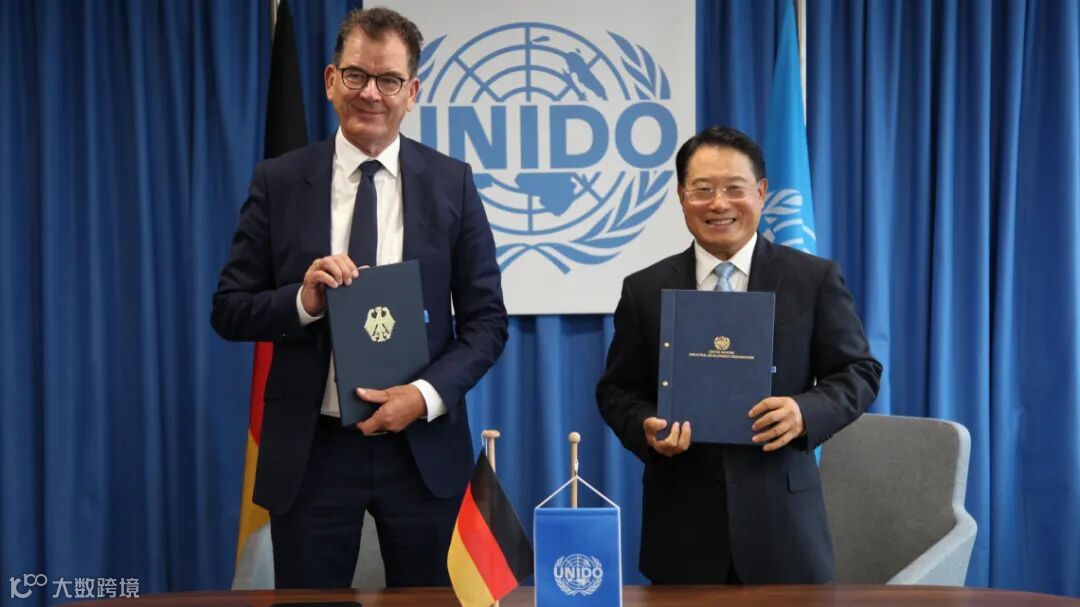
会上,德国联邦经济合作与发展部部长Gerd Müller和联合国工发组织李勇总干事代表双方签署了当前和未来合作的路线图。路线图勾勒出了双方共同的战略规划,包括如何努力提高生产率,促进贸易和投资,从而创造就业并帮助中小企业复苏以及重塑价值链。
Müller相信工业发展将对促进实现可持续发展目标起到决定性作用,然而“我们必须加快步伐”,他补充道,路线图与其他多边合作倡议有助于加快实施《2030年可持续发展议程》。
德国和工发组织相信,工业化可以为受疫情影响的人们提供社会经济机会。展望未来,合作双方一致认为应重新思考工业方法,并重新关注工业政策。包容与可持续的工业发展可以促进创新,使第四次工业革命惠及所有人,减少气候变化的影响,并增加供应链的循环性,最重要的,它能为创建一个有复原力的基础设施奠定基础,从而促进经济的稳定与增长。
鉴于发展需求的紧迫程度,撒哈拉以南非洲、中东和北非地区、最不发达国家和弱势二十国将成为未来双方合作的焦点。同时,路线图对包容与可持续工业发展的规划,将与全球共享长期减排带来的益处和发展福祉。
自1985年6月以来,德国一直是工发组织的重要成员国,并为工发组织政策制定和决议做出了重要贡献。此外,德国是分摊工发组织会费以及提供自愿捐款的重要捐助国。
工发组织一直是德国的重要合作伙伴。作为以工业和创新为核心的联合国专门机构,工发组织在支持成员国推进落实第九项可持续发展目标的过程中扮演着独特的角色。
2019年11月,在阿布扎比举行的工发组织大会上,工发组织及其成员国承诺促进基于知识、对环境负责、资源和能源节约型工业发展,从而带动私营部门发展、减少贫困并惠及所有人。
Industrial development and industrialization can help the world recover from the COVID-19 pandemic by getting economies and livelihoods quickly back on their feet. But, more than this, industry can be key to building back better, to safeguarding prosperity for the long term.
Representatives of Germany and the United Nations Industrial Development Organization (UNIDO) met today and agreed on the importance of industrialization in meeting the immediate needs of those across the world affected by the COVID-19 crisis.
Gerd Müller, Federal Minister of Economic Cooperation and Development of Germany, and LI Yong, UNIDO Director General, signed the Roadmap for our future and present cooperation between Germany and UNIDO. The Roadmap outlines ways in which the two partners will work together to increase productivity, boost trade and promote investment in order to create jobs and rehabilitate small and medium-sized enterprises (SMEs) and value chains.
Müller stated his belief that industrial development will play a decisive role in advancing the Sustainable Development Goals (SDGs) but said that "we must move faster", adding that multilateral initiatives such as the Roadmap can help accelerate the implementation of the 2030 Agenda.
Germany and UNIDO’s shared concept is that industrialization can provide socio-economic opportunities for those suffering from the fallout from the pandemic. Looking ahead, the two partners also agreed that industrial approaches can and must be re-imagined and industrial policies re-focused. Inclusive and sustainable industrial development can spur innovation, make the Fourth Industrial Revolution work for the good of all, reduce climate change impacts, and increase the circularity of supply chains, but, most importantly, lays the foundation for the creation of a resilient infrastructure which allows for economic stability and growth.
In view of their most pressing needs, sub-Saharan Africa, the Middle East and Northern Africa (MENA) region, least developed countries (LDCs) and the Vulnerable Twenty Group (V20) will be a focus for future cooperation. However, the Roadmap envisages inclusive and sustainable industrial development that will share the benefits of long-term emission reductions and well-being around the globe.
Germany has been a key member of UNIDO since June 1985 and has contributed to the shaping of UNIDO's policies and resolutions as a platform for dialogue around industrial development. Moreover, Germany is a critical contributor of assessed contributions and an important contributor of voluntary contributions to the organization.
UNIDO has been an important partner for Germany. It is a specialized agency of the United Nations, uniquely placed to support to Member States with the implementation of the SDG 9 since it has industry and innovation in its core mandate.
In November 2019, at UNIDO’s General Conference in Abu Dhabi, UNIDO and its Member States committed to promoting knowledge-based, environmentally responsible, resource- and energy-saving industrial development that involves the private sector, reduces poverty and benefits all segments of the population.