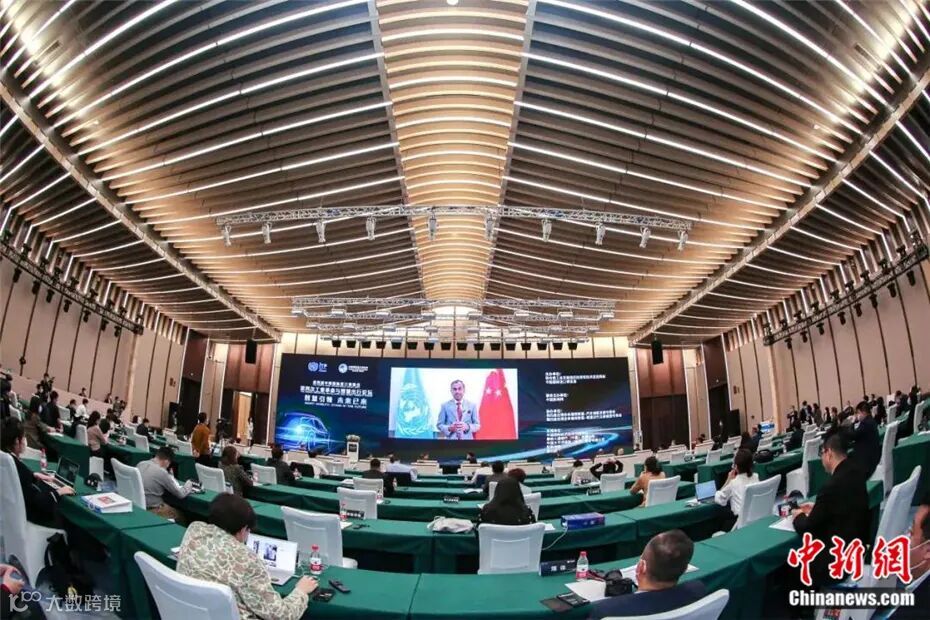
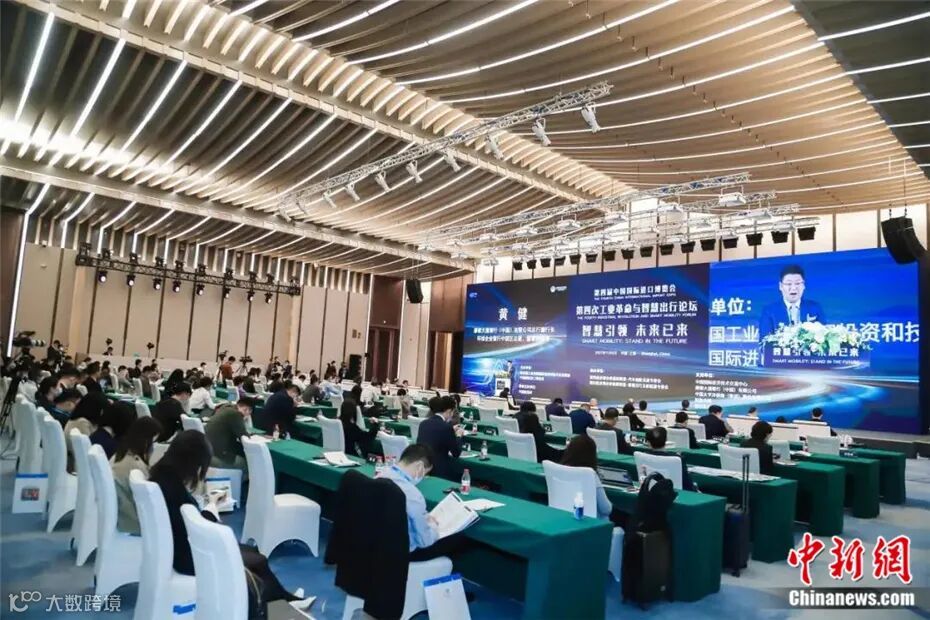
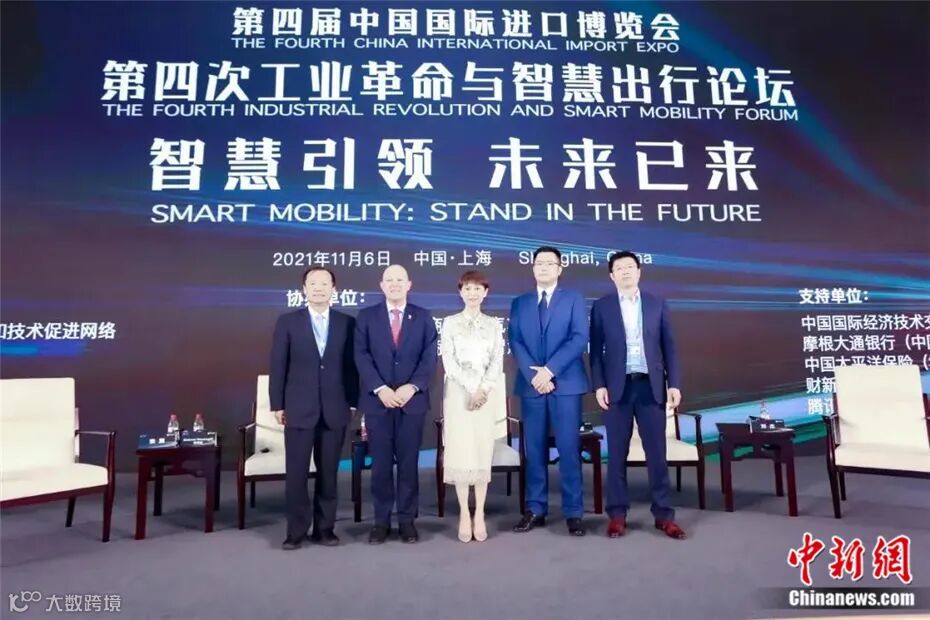
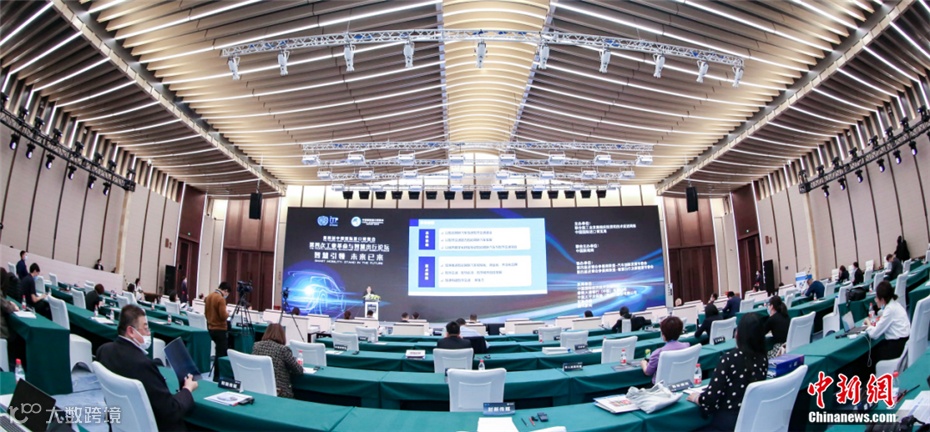
On 6 November 2021, the Fourth Industrial Revolution and Smart Mobility Forum with the theme of “Smart Mobility: Stand in the Future” was held at the Fourth China International Import Expo(CIIE) in Shanghai.
The Forum was organized by the United Nations Industrial Development Organization (UNIDO) Investment and Technology Promotion Network (ITP Network) and the China International Import Expo Bureau, co-organized by China News Network, assisted by the Fourth CIIE Exhibitors Alliance Special Committee for Automobile Innovation and Development and Special Committee for Smart Transportation and New Energy, and supported by China International Center for Economic and Technical Exchanges (CICETE), China Pacific Insurance (Group) Co., Ltd., JPMorgan Chase Bank (China), Caixin Media, and Tencent News.
The Fourth CIIE - The Fourth Industrial Revolution and Smart Mobility Forum
The forum invited representatives from global mobility leading corporations, international organizations, Chinese central and local governments, well-known enterprises in the fields of technology, energy, finance, insurance, investment and Internet, etc., to exchange and share their views on the future of “digital intelligence”, “decarbonization” and “cross-sectoral collaboration” of mobility, and provide multiple solutions for smart mobility and unite the power of collective actions.
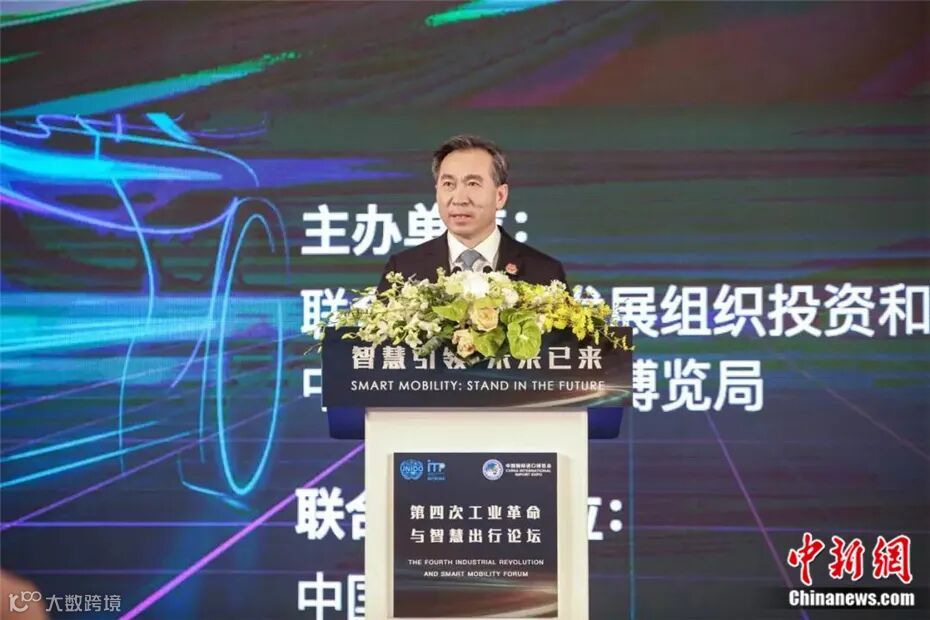
Ren Hongbin, Member of the CPC Leadership Group of the Ministry of Commerce of the PRC and Vice Minister, Tang Zhiping, Vice Mayor of the Shanghai Municipal People’s Government, and H.E. Mr. Siddharth Chatterjee, United Nations Resident Coordinator in China, delivered welcome speeches.
Speech by Ren Hongbin, Member of the CPC Leadership Group of the Ministry of Commerce of the PRC and Vice Minister
Vice Minister Ren Hongbin expressed that China's auto industry has a strong foundation and huge market potential. New energy vehicles are fast emerging, and self-driving, low-carbon and smart models are being increasingly favored by consumers. China's booming auto market, especially the widespread use of self-driving and smart network technology, creates a vast space for the global smart industry and brings new opportunities for carbon emission peak and carbon neutrality goals. The Ministry of Commerce will continue to support the growth of vehicle consumption, widen market access, promote trade and investment liberalization and facilitation, and create a favorable environment to accelerate the integration of new technologies into the auto industry and to promote smart mobility and robust development of the industry.
Vice Mayor Tang Zhiping delivered a speech and pointed out that Shanghai will focus on innovative modes and foundation building to support the transformation to mobility services and products supply of local automotive manufacturing enterprises. With new energy vehicles and intelligent connected vehicles as the focal point while integrating multiple modes of transportation, Shanghai will accelerate the establishment of an ecosystem of smart mobility. Shanghai will take the opportunity to comprehensively promote digital transformation, to construct the foundation for smart transportation, build city infrastructure connecting people, vehicles, roads, networks, ends and clouds, and vigorously develop new modes and methods of transportation services, towards a brand new picture of high-quality and inclusive digital life, and to achieve the goal of building a global highland of smart mobility services by 2025.
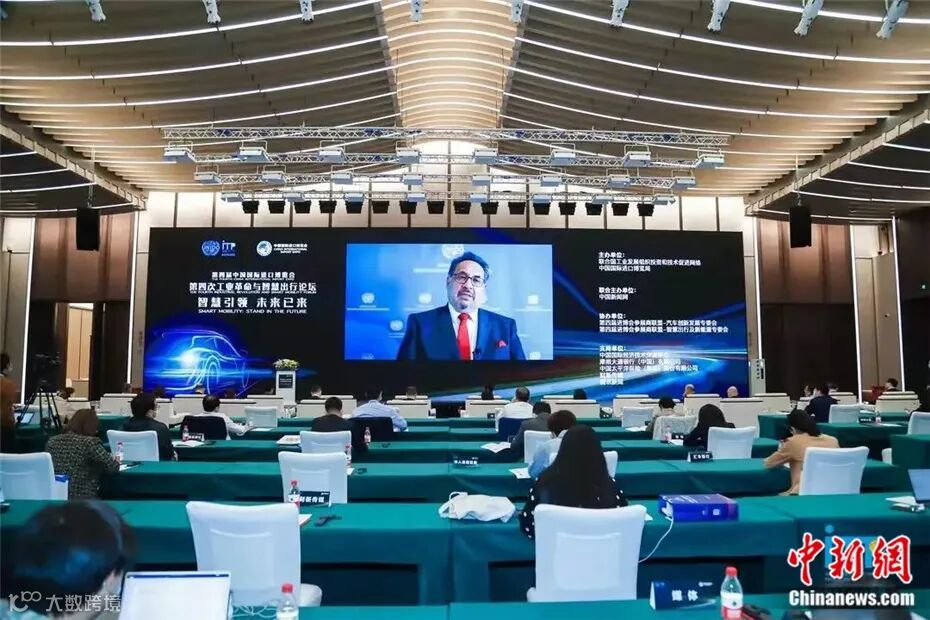
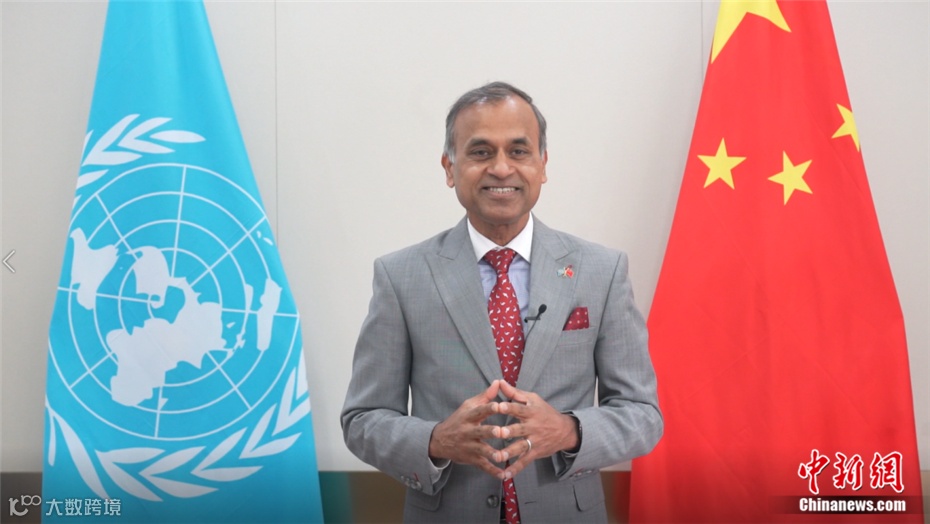 Video speech from H.E. Mr. Siddharth Chatterjee, United Nations Resident Coordinator in China
In his speech, H.E. Mr. Siddharth Chatterjee expressed that smart mobility, as one of the major products of the fourth industrial revolution, has become a focal point in upgrading global manufacturing production and enables seamless integration of transport modes including on-demand and autonomous options and reshapes the mobility ecosystem. He is confident that this forum can facilitate deeper communication and coordination which would make a unique contribution to digital intelligence, decarbonization, and cross-sectoral collaboration of the mobility industry as well as the realization of the 2030 United Nations Sustainable Development Goals.
During the keynote speech session, Bernardo Calzadilla-Sarmiento, Managing Director of UNIDO, Timothy Huang, Deputy CEO of JPMorgan Chase Bank China, Managing Director and Head of Global Corporate Bank China, and Gu Yue, Secretary of the Party Committee of China Pacific Property Insurance Co., Ltd., Chairman of the Board of Directors, delivered speeches.
Video speech by Bernardo Calzadilla-Sarmiento, Managing Director of UNIDO
In his speech, Bernard Calzadilla-Sarmiento pointed out that smart mobility offers countries an opportunity to convert their linear structure transport sectors into circular ones. Developing countries are limited in their contribution due to the lack of access to digital infrastructure and skills. Hence, in order to promote equitable development of smart mobility globally, it is imperative that the exchange of knowledge between stakeholders be reinforced to accelerate the adoption of new technologies in industrializing economies.
The Forth CIIE - The Fourth Industrial Revolution and Smart Mobility Forum
In his speech, Timothy Huang expressed that J.P.Morgan is optimistic about the prospects of new energy vehicles in China, which is well aligned with the anticipation of Chinese investors. From a long-term perspective, the penetration rate of new energy vehicles in China is expected to reach 35% by 2025. J.P.Morgan will continue to strengthen its cooperation with the Chinese government and enterprises, combining J.P.Morgan’s global resources and strengths to facilitate the innovative transformation of vehicle enterprises and the development of the smart mobility industry.
Gu Yue argued that the new technologies and models brought by the fourth industrial revolution are accelerating the upgrade of the global mobility industry, which requires comprehensive innovation of the whole industry chain. Compared with the traditional model, the challenges of smart mobility faced by the insurance industry include the differences in insurance services, subject matter insured, risk pricing model, risk exposure and risk management model. In customer services, it is necessary to seize four key points, namely “product innovation, service continuity, dynamic control and sharing integration”.
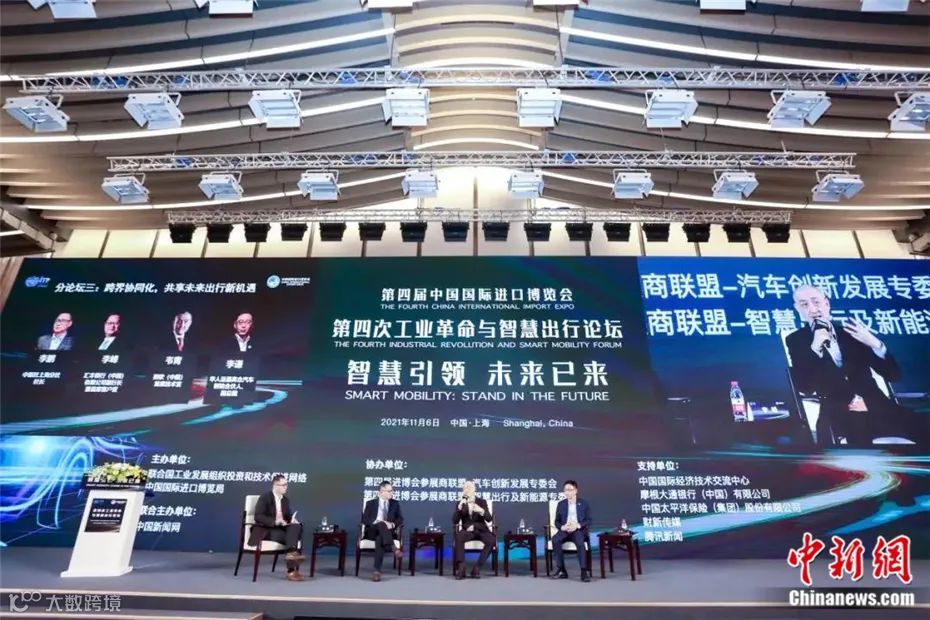
In the panels, guests shared their views on three key concepts: “digital intelligence”, “decarbonization” and “cross-sectoral collaboration” in the future development of the mobility industry, and exchanged ideas during in-depth exchanges.
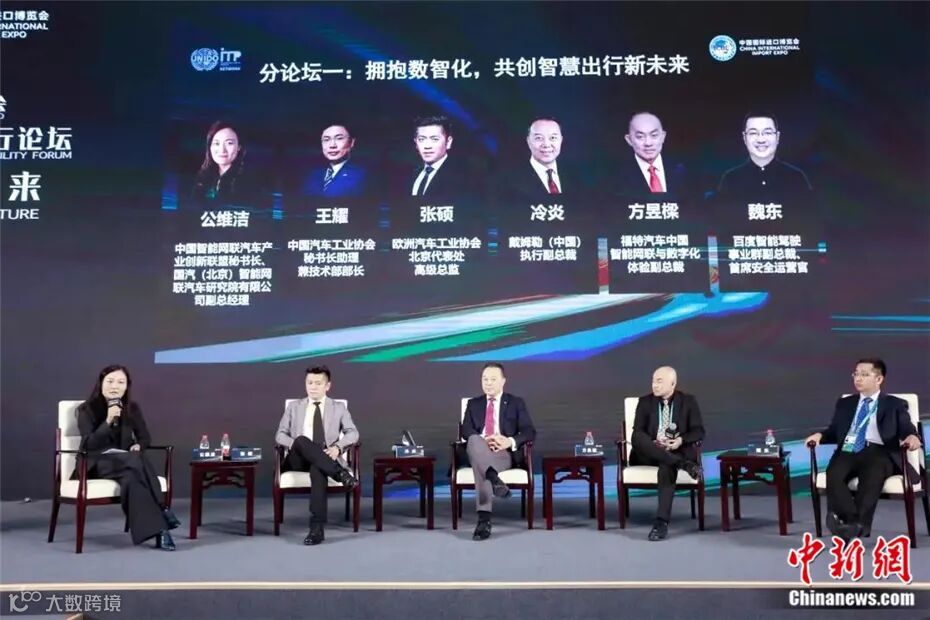
Panel I “Embracing Digital Intelligence: New Future of Smart Mobility”
In Panel I, “Embracing Digital Intelligence: New Future of Smart Mobility”, Wang Yao, Secretary General Assistant, Technology Department Minister of China Association of Automobile Manufacturers, pointed out that there are serious data silos in China’s mobility industry, and also a lack of data exchange channels between enterprises, which requires unified interaction standards to promote the establishment of the mobility industry ecosystem. The China Association of Automobile Manufacture is preparing to build an automotive big data blockchain platform, leveraging the characteristics of blockchain technology including non-tampering, traceability, openness and transparency, to provide the industry with desensitized data interaction as well as data trusted attestation services.
“Data security is the most discussed policy and regulation in the entire automobile industry,” said Zhang Shuo, Senior Director of European Automobile Manufacturers (ACEA) Beijing Office. It is also the threshold for the establishment of a data economy, the core of which lies in promoting the free and sufficient flow of data and the regulated use of data.
Leng Yan, Executive Vice president of Daimler in China, said that automobile transformation and innovation are trending towards intelligence and electrification, with the ultimate goal of optimizing customers’ experience. The next step for intelligent connected vehicles is landing. No matter with what technical solutions and technical pathways, landing is most likely to be achieved in China. A comprehensive consideration of the whole domestic market and a reasonable transition period are highly desired.
“The era of software-defined cars has begun. It should be customer-oriented and be able to quickly deliver products that meet customer needs and satisfaction through a software-driven approach,” said Leon Hong, Vice President of Enterprise Connectivity and Digital Experience of Ford Motor (China). It is incumbent to protect personal privacy and information security, which should be regarded as the first and highest priority.
Wei Dong, Vice President & Chief Safety Operation Officer of Baidu Intelligent Driving Group, pointed out that automotive technology has its distinct genes, and so is it for the Internet. They used to be in separate business environments, but now we need to combine the two to expand the market. Autonomous driving requires extensive standards. We hope that through trial or interim measures, everyone can first start trying and get going.
Panel II“Benchmarking for Decarbonization: New Era of Green Transportation”
In Panel II, “Benchmarking for Decarbonization: New Era of Green Transportation”, Tu Ruihe, Head of United Nations Environment Programme China Office, expressed that the mobility and transportation sector, including highway, rail, water, sea and air transport, is the second largest emitter of greenhouse gases and pollutants following the energy sector. The rapid development of digital information technology has provided technical support for green and smart mobility, and increased the feasibility of this cause. For the general public, it is more important to adopt green mobility habits.
President and CEO of Michelin Greater China Kamran Vossoughi argued that sustainable development is not only about the environment. Instead, people, profit and the planet need a balance. This year, Michelin appears in the CIIE with the theme of fully sustainable development. In the future, everything in Michelin will be sustainable.
Diana Yao, Vice President of Government and External Affairs of BMW Group Region China, expressed BMW’s aim to achieve an overall 40% decarbonization per vehicle by 2030. Decarbonization should be reflected the whole value chain, which requires both cooperation and innovation.
Chad Jin, China Technology Strategy VP, Faurecia (China) Holding Co., Ltd., pointed out that approximately 20% of the total vehicle sales are commercial vehicles, which actually account for 50% of carbon emissions. In response, Faurecia has committed to R&D and investment in hydrogen-fueled mobility.
Liu Jie, General Manager of the Shanghai Environmental and Energy Exchange, mentioned that China Carbon Emission Trade Exchange (CCETE) has already become the largest carbon trade market in the world since its launch. From the launch of CCETE on 16 July to now, more than 20 million tons of carbon emission have been traded, with a daily average of 300,000 tons and an overall transaction of nearly one billion CNY.
Panel III “Facilitating Cross-sectoral Collaboration: New Opportunities in Transportation Sector”
In Panel III, “Facilitating Cross-sectoral Collaboration: New Opportunities in Transportation Sector”, Chief Technology Officer of Microsoft China Wei Qing stressed that clothing, food, housing and transportation will have to be computable and digitalized in the future. If the car is regarded as a computer on four wheels, it is actually defined by software. Microsoft will take its advantages in computing, algorithm, storage and network capabilities to help the mobility industry improve consumers’ driving experience, making the vehicle manufacturing industry more efficient, energy-saving and environmental-friendly.
Li Qian, Founder, Chairman, and CEO of Human Horizons and HiPhi, argued that vehicle is no longer just a means of transportation. Smart cars should be nodes of smart cities or smart life in the future. In the past, players from different industries have entered the mobility field, bringing new ideas. What’s more important is our own learning ability, innovation capacity, and perception and grasp of the future.
“Green empowerment and green finance are topics the banking industry is working together to explore,” said Richard Li, Executive Vice President and Chief Client Officer of HSBC Bank (China) Co., Ltd. A complete certification mechanism to classify green vehicles should be established, to define the green mobility industry that is worth cultivation and support. This also requires us to establish guidelines, criteria and accountability mechanisms in the financial industry.
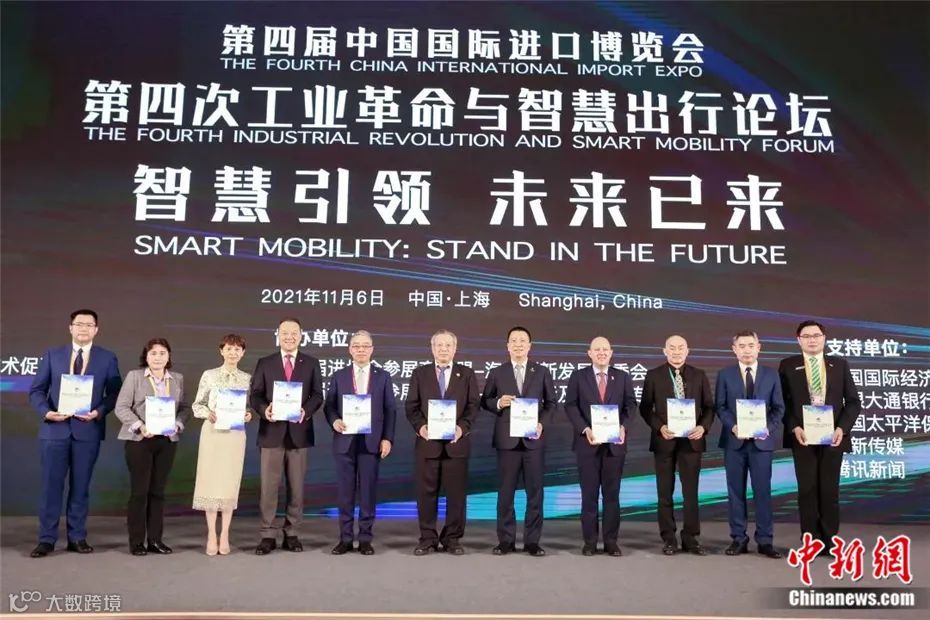
During the forum, the CIIE Exhibitors Alliance Special Committee for Automobile Innovation and Development and Special Committee for Smart Transportation released their annual accomplishments. The UNIDO ITPO Beijing Partnership Signing Ceremony with its policy, industrial, business and knowledge partners was held. Shanghai Transportation Committee also released its ICV Test and Application Results.
The forum called for improving future international cooperation on smart mobility and illustrated the prospect and blueprint of sustainable mobility development, contributing to accelerating the realization of UN’s 2030 Sustainable Development Goals and the “Put True Multilateralism into Practice” initiative of China.
Video speech from H.E. Mr. Siddharth Chatterjee, United Nations Resident Coordinator in China
In his speech, H.E. Mr. Siddharth Chatterjee expressed that smart mobility, as one of the major products of the fourth industrial revolution, has become a focal point in upgrading global manufacturing production and enables seamless integration of transport modes including on-demand and autonomous options and reshapes the mobility ecosystem. He is confident that this forum can facilitate deeper communication and coordination which would make a unique contribution to digital intelligence, decarbonization, and cross-sectoral collaboration of the mobility industry as well as the realization of the 2030 United Nations Sustainable Development Goals.
During the keynote speech session, Bernardo Calzadilla-Sarmiento, Managing Director of UNIDO, Timothy Huang, Deputy CEO of JPMorgan Chase Bank China, Managing Director and Head of Global Corporate Bank China, and Gu Yue, Secretary of the Party Committee of China Pacific Property Insurance Co., Ltd., Chairman of the Board of Directors, delivered speeches.
Video speech by Bernardo Calzadilla-Sarmiento, Managing Director of UNIDO
In his speech, Bernard Calzadilla-Sarmiento pointed out that smart mobility offers countries an opportunity to convert their linear structure transport sectors into circular ones. Developing countries are limited in their contribution due to the lack of access to digital infrastructure and skills. Hence, in order to promote equitable development of smart mobility globally, it is imperative that the exchange of knowledge between stakeholders be reinforced to accelerate the adoption of new technologies in industrializing economies.
The Forth CIIE - The Fourth Industrial Revolution and Smart Mobility Forum
In his speech, Timothy Huang expressed that J.P.Morgan is optimistic about the prospects of new energy vehicles in China, which is well aligned with the anticipation of Chinese investors. From a long-term perspective, the penetration rate of new energy vehicles in China is expected to reach 35% by 2025. J.P.Morgan will continue to strengthen its cooperation with the Chinese government and enterprises, combining J.P.Morgan’s global resources and strengths to facilitate the innovative transformation of vehicle enterprises and the development of the smart mobility industry.
Gu Yue argued that the new technologies and models brought by the fourth industrial revolution are accelerating the upgrade of the global mobility industry, which requires comprehensive innovation of the whole industry chain. Compared with the traditional model, the challenges of smart mobility faced by the insurance industry include the differences in insurance services, subject matter insured, risk pricing model, risk exposure and risk management model. In customer services, it is necessary to seize four key points, namely “product innovation, service continuity, dynamic control and sharing integration”.
In the panels, guests shared their views on three key concepts: “digital intelligence”, “decarbonization” and “cross-sectoral collaboration” in the future development of the mobility industry, and exchanged ideas during in-depth exchanges.
Panel I “Embracing Digital Intelligence: New Future of Smart Mobility”
In Panel I, “Embracing Digital Intelligence: New Future of Smart Mobility”, Wang Yao, Secretary General Assistant, Technology Department Minister of China Association of Automobile Manufacturers, pointed out that there are serious data silos in China’s mobility industry, and also a lack of data exchange channels between enterprises, which requires unified interaction standards to promote the establishment of the mobility industry ecosystem. The China Association of Automobile Manufacture is preparing to build an automotive big data blockchain platform, leveraging the characteristics of blockchain technology including non-tampering, traceability, openness and transparency, to provide the industry with desensitized data interaction as well as data trusted attestation services.
“Data security is the most discussed policy and regulation in the entire automobile industry,” said Zhang Shuo, Senior Director of European Automobile Manufacturers (ACEA) Beijing Office. It is also the threshold for the establishment of a data economy, the core of which lies in promoting the free and sufficient flow of data and the regulated use of data.
Leng Yan, Executive Vice president of Daimler in China, said that automobile transformation and innovation are trending towards intelligence and electrification, with the ultimate goal of optimizing customers’ experience. The next step for intelligent connected vehicles is landing. No matter with what technical solutions and technical pathways, landing is most likely to be achieved in China. A comprehensive consideration of the whole domestic market and a reasonable transition period are highly desired.
“The era of software-defined cars has begun. It should be customer-oriented and be able to quickly deliver products that meet customer needs and satisfaction through a software-driven approach,” said Leon Hong, Vice President of Enterprise Connectivity and Digital Experience of Ford Motor (China). It is incumbent to protect personal privacy and information security, which should be regarded as the first and highest priority.
Wei Dong, Vice President & Chief Safety Operation Officer of Baidu Intelligent Driving Group, pointed out that automotive technology has its distinct genes, and so is it for the Internet. They used to be in separate business environments, but now we need to combine the two to expand the market. Autonomous driving requires extensive standards. We hope that through trial or interim measures, everyone can first start trying and get going.
Panel II“Benchmarking for Decarbonization: New Era of Green Transportation”
In Panel II, “Benchmarking for Decarbonization: New Era of Green Transportation”, Tu Ruihe, Head of United Nations Environment Programme China Office, expressed that the mobility and transportation sector, including highway, rail, water, sea and air transport, is the second largest emitter of greenhouse gases and pollutants following the energy sector. The rapid development of digital information technology has provided technical support for green and smart mobility, and increased the feasibility of this cause. For the general public, it is more important to adopt green mobility habits.
President and CEO of Michelin Greater China Kamran Vossoughi argued that sustainable development is not only about the environment. Instead, people, profit and the planet need a balance. This year, Michelin appears in the CIIE with the theme of fully sustainable development. In the future, everything in Michelin will be sustainable.
Diana Yao, Vice President of Government and External Affairs of BMW Group Region China, expressed BMW’s aim to achieve an overall 40% decarbonization per vehicle by 2030. Decarbonization should be reflected the whole value chain, which requires both cooperation and innovation.
Chad Jin, China Technology Strategy VP, Faurecia (China) Holding Co., Ltd., pointed out that approximately 20% of the total vehicle sales are commercial vehicles, which actually account for 50% of carbon emissions. In response, Faurecia has committed to R&D and investment in hydrogen-fueled mobility.
Liu Jie, General Manager of the Shanghai Environmental and Energy Exchange, mentioned that China Carbon Emission Trade Exchange (CCETE) has already become the largest carbon trade market in the world since its launch. From the launch of CCETE on 16 July to now, more than 20 million tons of carbon emission have been traded, with a daily average of 300,000 tons and an overall transaction of nearly one billion CNY.
Panel III “Facilitating Cross-sectoral Collaboration: New Opportunities in Transportation Sector”
In Panel III, “Facilitating Cross-sectoral Collaboration: New Opportunities in Transportation Sector”, Chief Technology Officer of Microsoft China Wei Qing stressed that clothing, food, housing and transportation will have to be computable and digitalized in the future. If the car is regarded as a computer on four wheels, it is actually defined by software. Microsoft will take its advantages in computing, algorithm, storage and network capabilities to help the mobility industry improve consumers’ driving experience, making the vehicle manufacturing industry more efficient, energy-saving and environmental-friendly.
Li Qian, Founder, Chairman, and CEO of Human Horizons and HiPhi, argued that vehicle is no longer just a means of transportation. Smart cars should be nodes of smart cities or smart life in the future. In the past, players from different industries have entered the mobility field, bringing new ideas. What’s more important is our own learning ability, innovation capacity, and perception and grasp of the future.
“Green empowerment and green finance are topics the banking industry is working together to explore,” said Richard Li, Executive Vice President and Chief Client Officer of HSBC Bank (China) Co., Ltd. A complete certification mechanism to classify green vehicles should be established, to define the green mobility industry that is worth cultivation and support. This also requires us to establish guidelines, criteria and accountability mechanisms in the financial industry.
During the forum, the CIIE Exhibitors Alliance Special Committee for Automobile Innovation and Development and Special Committee for Smart Transportation released their annual accomplishments. The UNIDO ITPO Beijing Partnership Signing Ceremony with its policy, industrial, business and knowledge partners was held. Shanghai Transportation Committee also released its ICV Test and Application Results.
The forum called for improving future international cooperation on smart mobility and illustrated the prospect and blueprint of sustainable mobility development, contributing to accelerating the realization of UN’s 2030 Sustainable Development Goals and the “Put True Multilateralism into Practice” initiative of China.
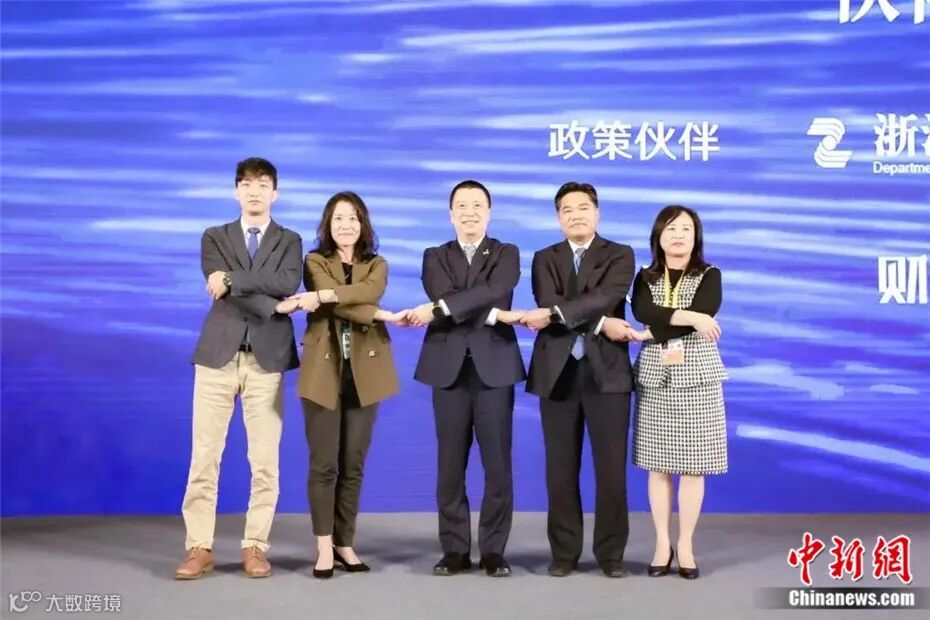
UNIDO ITPO Beijing Partnership Signing Ceremony
CIIE Exhibitors Alliance Special Committee for Automobile Innovation and Development and Special Committee for Smart Transportation and New Energy Annual Accomplishments Release Ceremony
Shanghai ICV Test and Application Results Release Ceremony




 UNIDO ITPO北京