
Click to watch vedio
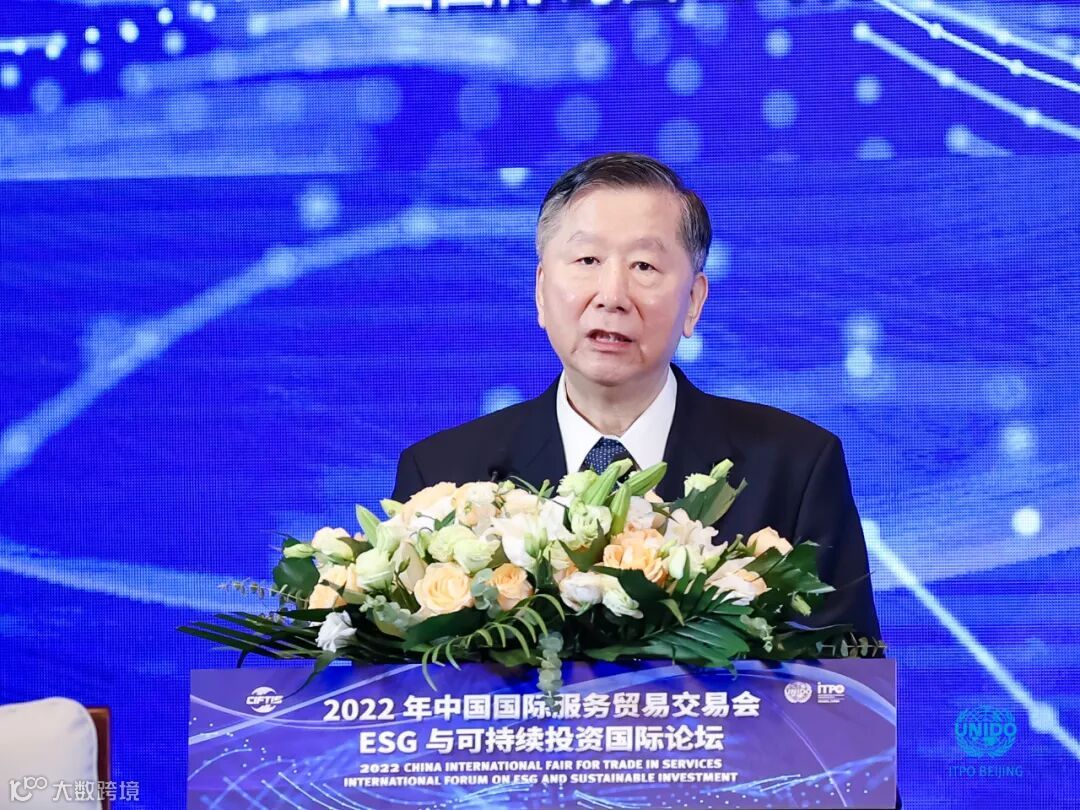
Fulin SHANG, Chairman of the Committee for Economic Affairs of the CPPCC National Committee, former Chairman of China Banking Regulatory Commission, former Chairman of China Securities Regulatory Commission and Special Vice-President of CICPMC said in his address, the leading role of ESG's value in investment standard should be fully exerted to promote more economic resources flow to innovation- and employment-driven sectors with good prospects for green circular development. The improvement of green financial standard system should be accelerated, financial institutions should be encouraged to optimize financial products and service system, and to improve ESG investment strategies in order to divert more financial resources to ESG industries. It is necessary to actively improve the national carbon emissions trading market, so that the decisive role of the market can be manifested in emission reduction and environmental policies, and gradually establish a long-term mechanism.
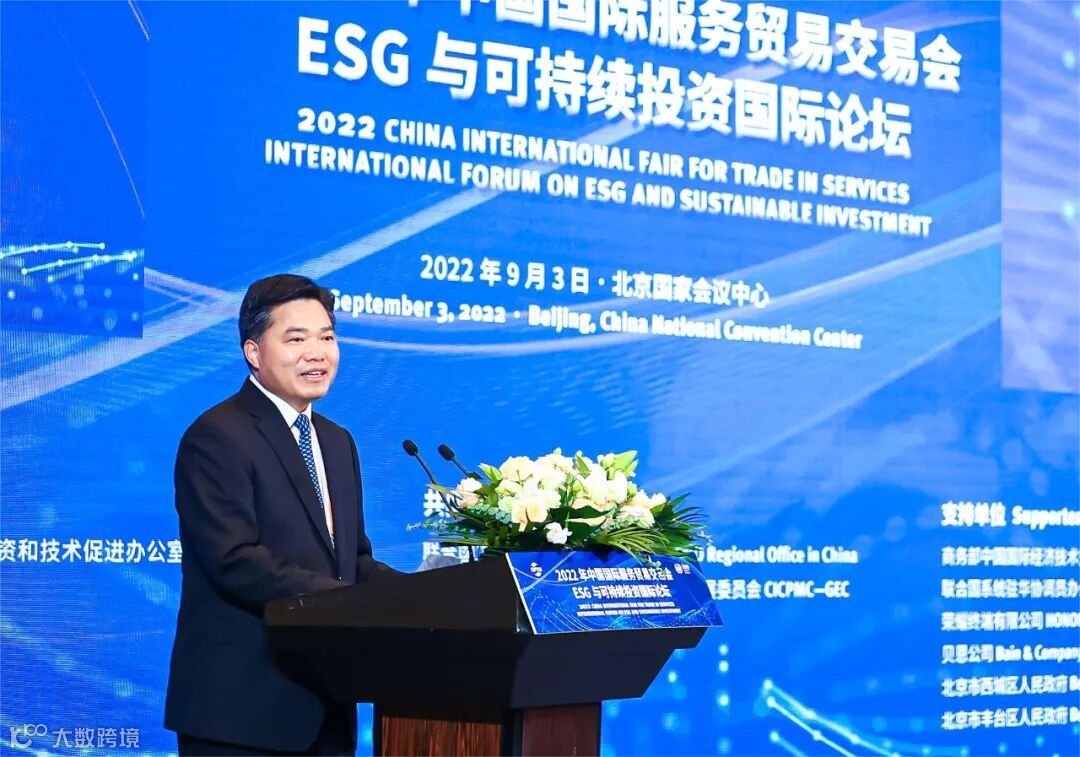
Qiuping SHENG, Member of the CPC Leadership Group of the Ministry of Commerce and Vice Minister, pointed out that ESG concept is an important direction for the future development of the world that can drive sustainable development of the real economy and the capital market, enhance social responsibility delivery of enterprises in their investment and operation, continuously improve environmental quality, establish a sound environmental governance system, promote economic development and energy emission reduction in synergy, and facilitate the achievement of carbon peaking and carbon neutral goals. The Ministry of Commerce will implement the new development concept thoroughly, accurately and comprehensively, continue to promote higher level of opening-up, stimulate the momentum of service trade, stabilize economic development, and provide a favorable environment for achieving green transformation and upgrading to high-quality development.
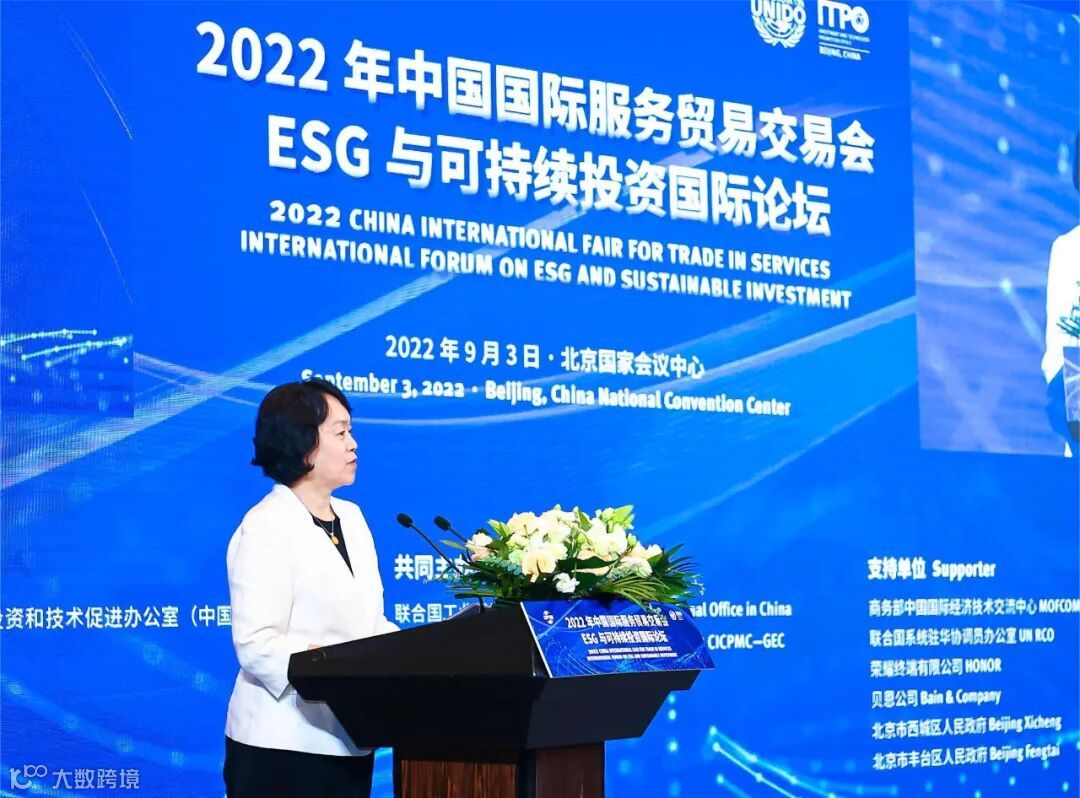
Jun CHEN, Vice Chairman of CPPCC Beijing Municipal Committee, said in her address that Beijing has been continuously promoting the transition to a low-carbon energy system. In August, Miyun District and Tongzhou District were selected as national climate investment and financing pilots, and Beijing has been building a national green exchange open to the world. In the future, Beijing will continue to underpin the strategic positioning of the capital, exert the overlapping advantages of the "Two Zones" policy, focus on key areas such as technology innovation, digital economy and green finance, adjust industrial and energy structure, vigorously promote greening of production and lifestyle, effectively promote high-quality economic and social development, and improve the level of sustainable development.
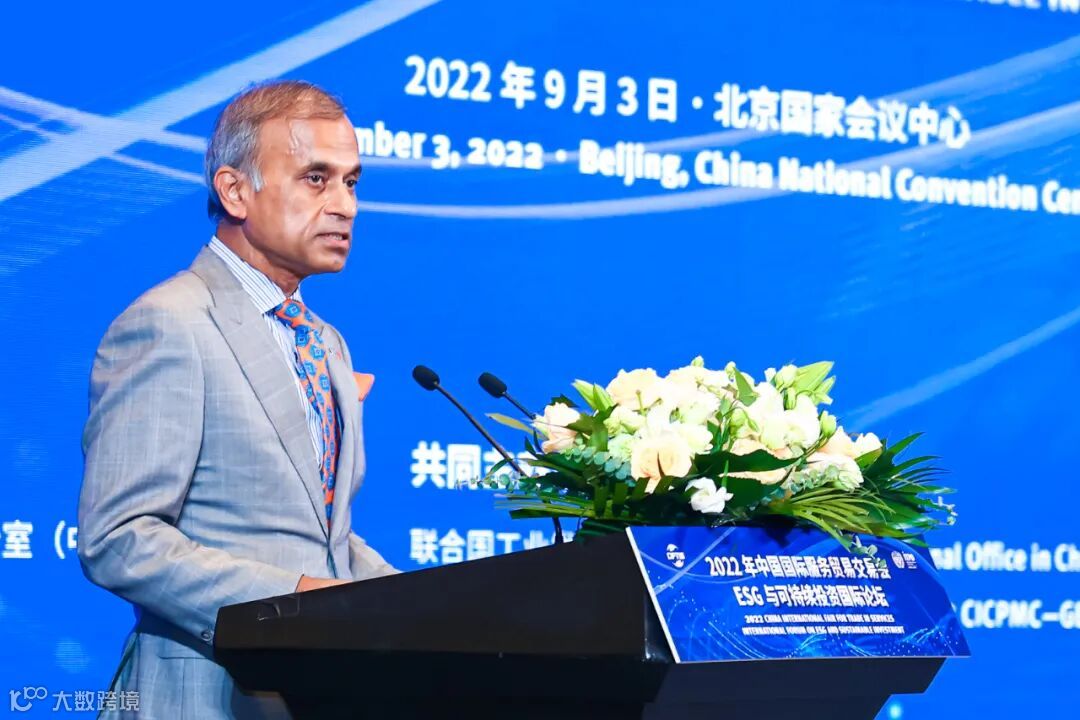
Siddharth CHATTERJEE,UN Resident Coordinator in China, pointed out that the COVID-19 pandemic has created vast financing gaps. As countries are now on the way to recovery, future financing and stimulus packages need to be better aligned with the SDGs and the Paris Agreement on Climate Change. New forms of financing are needed. The UN has been leading ESG investment through the Principles for Responsible Investment and by urging corporates to adopt SDGs-driven business models. UNIDO is leading UN efforts to facilitate environmentally sustainable and resource-efficient industrial development. China’s “Dual Carbon Goals” are of fundamental importance for the development of its ESG investment system, with important lessons to share with the developing world on how to transition to a low-carbon economy.
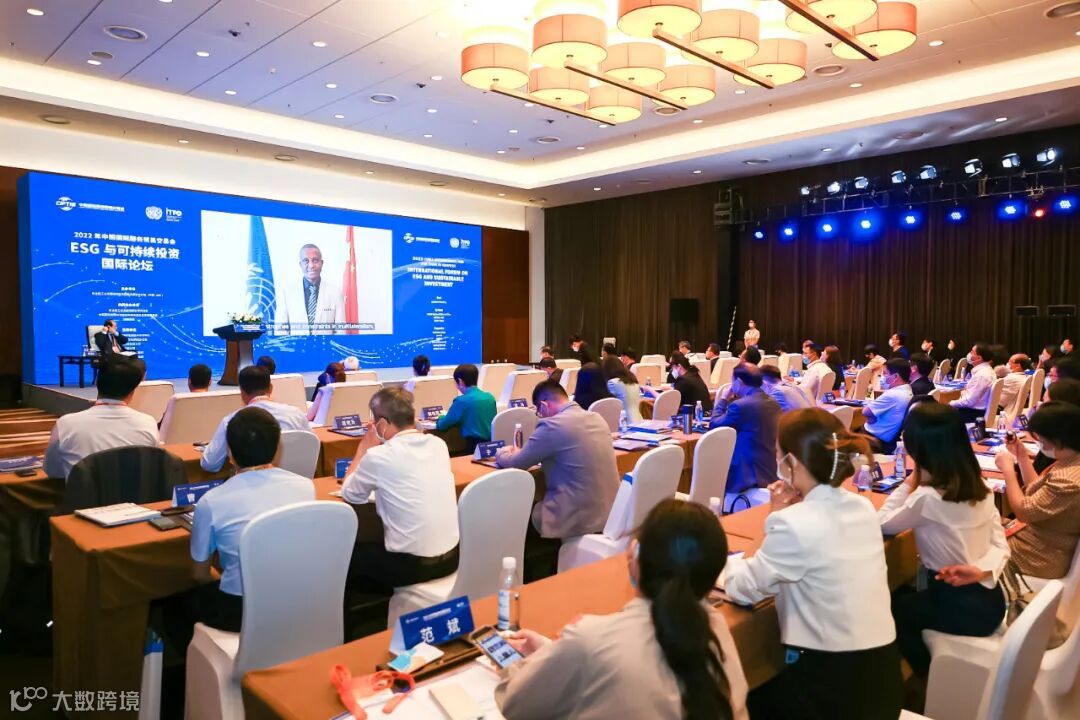
Stephen KARGBO, Representative and Head of UNIDO Regional Office (China, Mongolia, Republic of Korea), pointed out that for economic and social investments to be impactful, responsible and accountable governance frameworks must underpin them. Adoption of innovations throughout the investment value chain can encourage greater private investment in sustainable development, resulting in greater impact, such as increased resource- and energy efficiency, low-carbon production, circular economies and climate action.
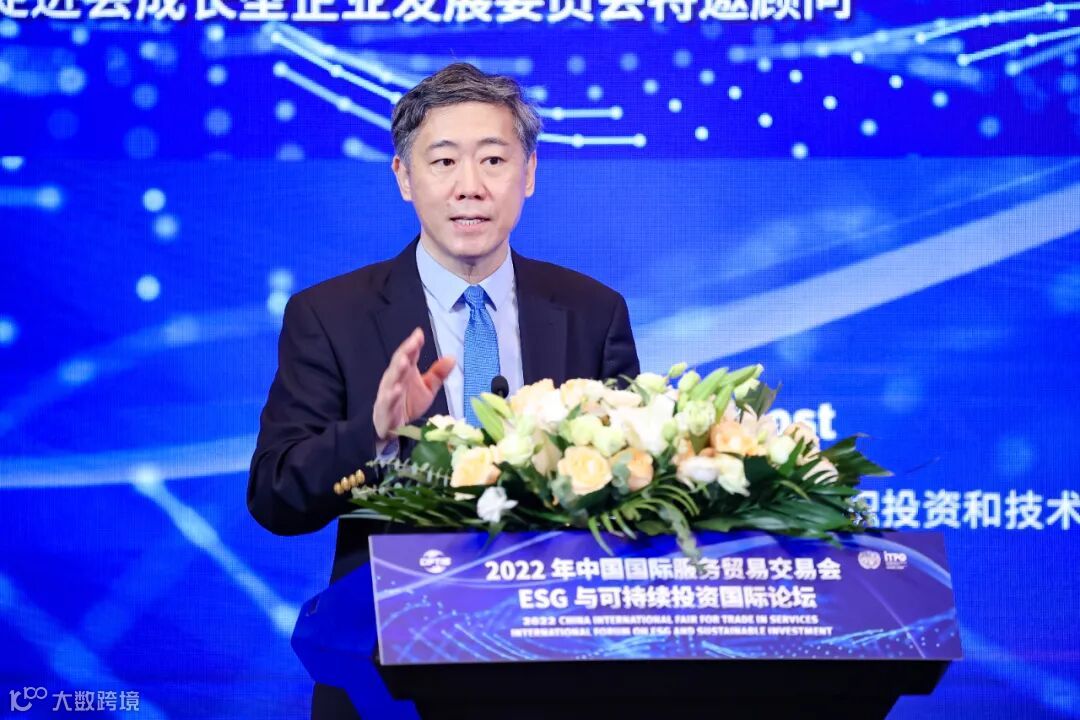
Daokui LI, Famous economist, Director of Academic Center for Chinese Economic Practice and Thinking at Tsinghua University, Special Consultant of CICPMC Growth Enterprises Committee (CICPMC-GEC), said in his keynote speech that digital development facilitated by the COVID-19 pandemic will further promote trade in services as the main driving force of international trade in the future, in which process ESG plays a significant role. The government needs to formulate and improve relevant laws and regulations, establish relevant institutional mechanisms, so that enterprises can better fulfill ESG responsibilities. In addition, through gradual increase of carbon emission tax, it should form a unified national carbon emission market and set a unified carbon emission pricing. The government, market and enterprises need to work together to promote the development of green and low-carbon transformation.
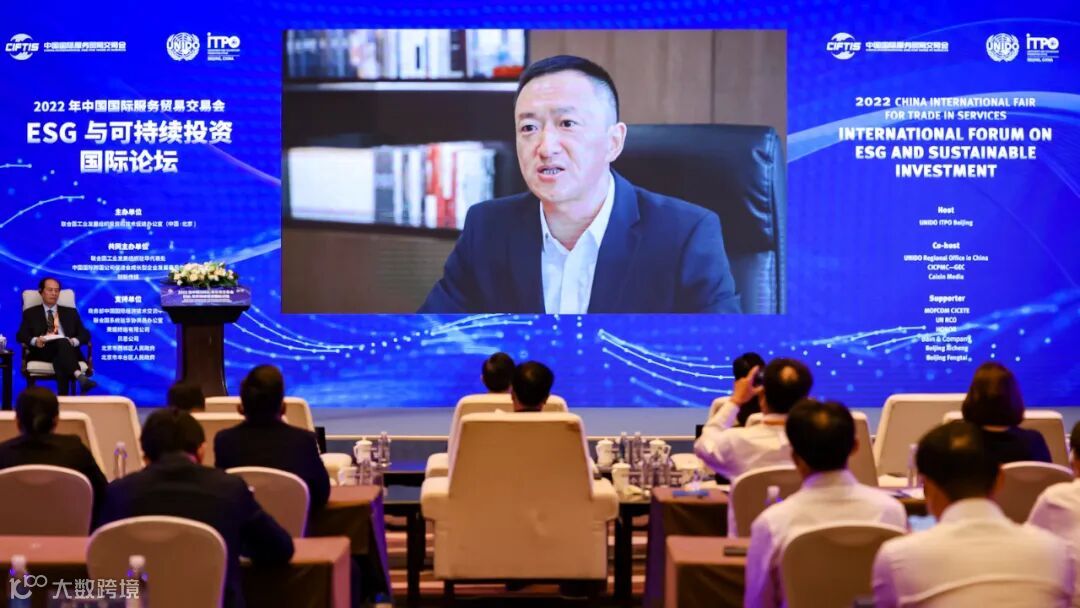
Martin XU,Senior Vice President of Honor Device Co., Ltd said that Honor has always entrenched ESG concept in the company's development strategy and business practice. Honor focuses on investing in key areas such as green environment protection, technology for good, and youth empowerment, convening to create a green industry chain, promoting information accessibility, and carrying out HONOR Talents global design competition. Honor is open to cooperate with industrial partners, actively contribute and empower the society with technology.
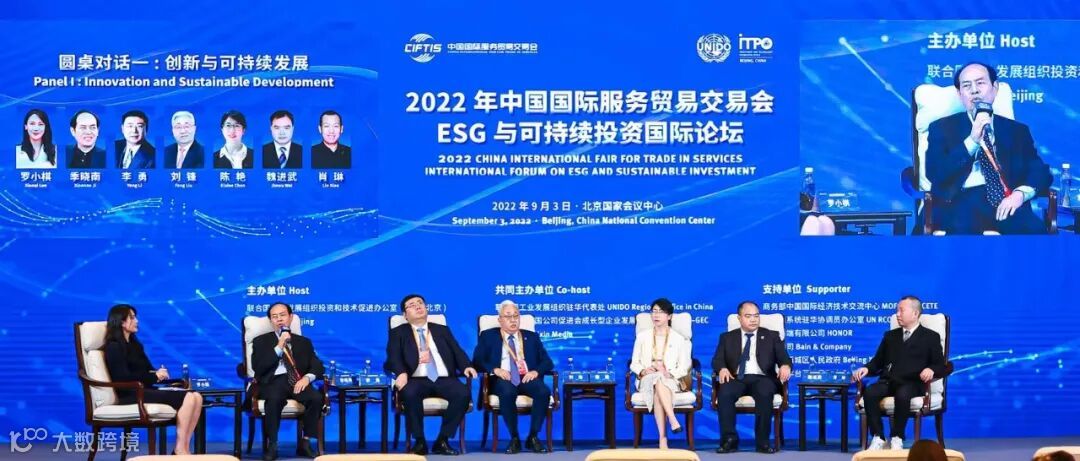
In this forum, Xiaoqi LUO, Executive Secretary General of CICPMC and Secretary General of CICPMC Growth Enterprises Committee (CICPMC-GEC), moderated a panel discussion on "Innovation and Sustainable Development". Panelists shared their views and discussed topics such as the opportunities of integrating the digital economy with the real economy, digital transformation of SMEs, 5G development etc.
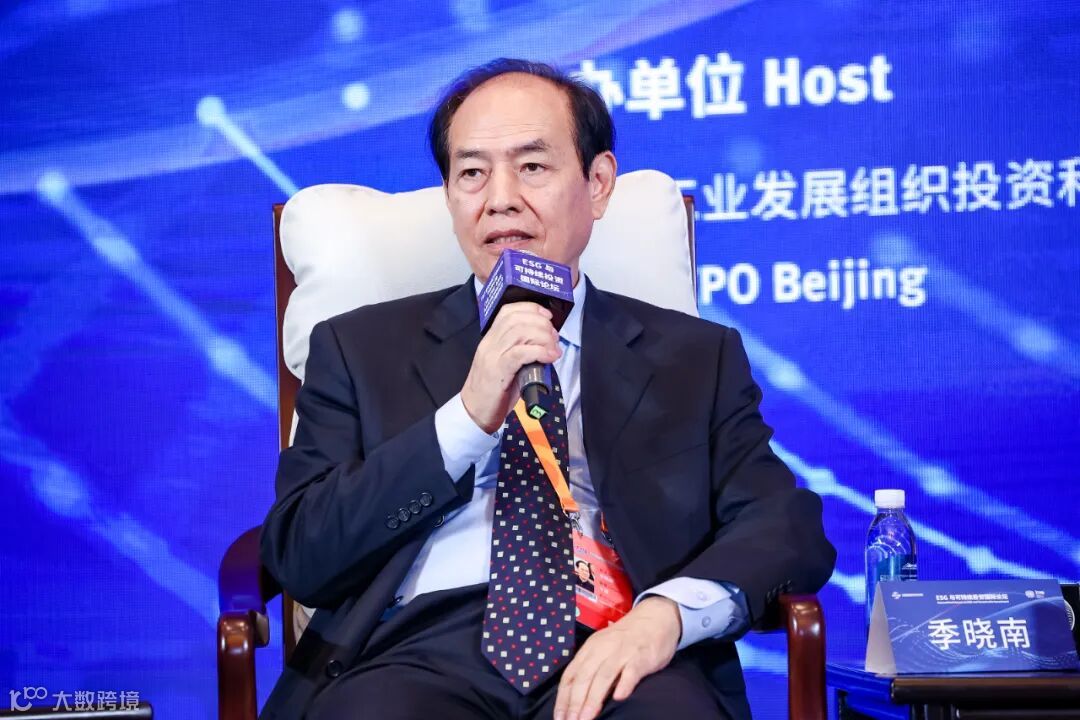
Xiaonan JI, former Chairman of the Board of Supervisors of the State Owned Key Large Enterprises of the State Council, Special Vice-President of CICPMC, Chairman of CICPMC Growth Enterprises Committee (CICPMC-GEC) and
Chairman of SOE Management Think Tank, pointed out that the digital economy has a relatively high technological threshold and is a double-edged sword for most enterprises. Enterprises need to improve their ability to innovate, learn and integrate resources. In addition, SMEs are the cornerstone of sustainable development, and helping them to successfully navigate the digital transformation is an important task to ensure China's social and economic stability.
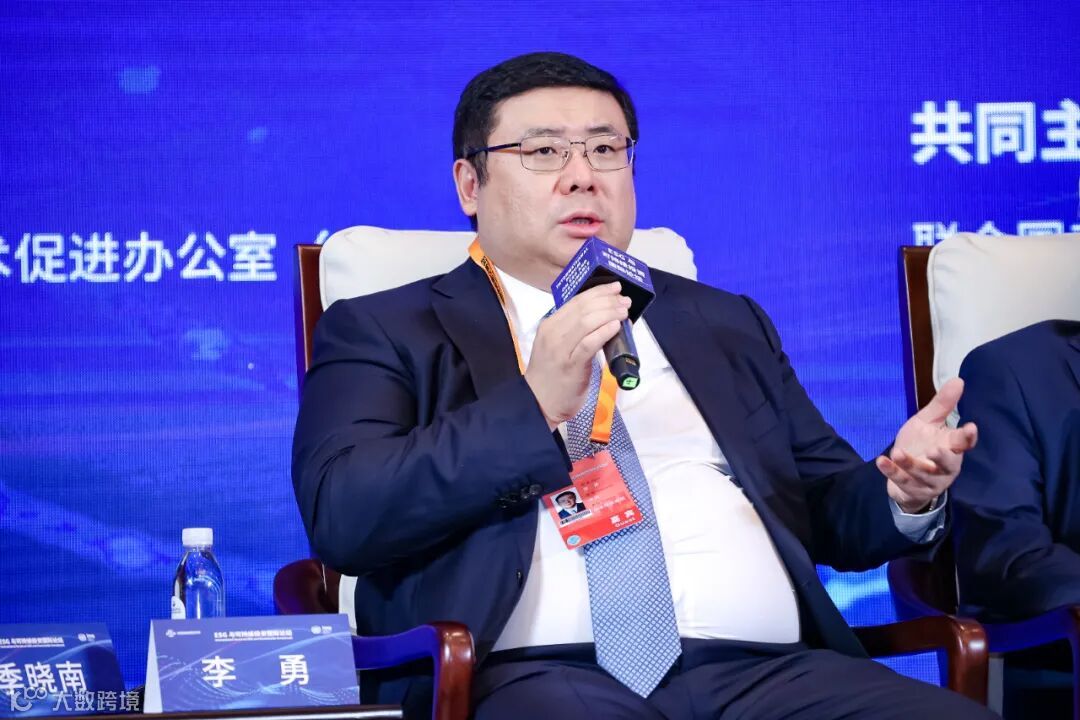
Yong LI, Board Chairman of Chinayong Investment Group said, it is necessary to restrain and control investment behavior in terms of environment and social responsibility, in order to promote sustainable human development through investment-driven innovation. The construction of a unified national market is turning one circulation into a dual circulation of domestic and foreign markets that facilitates each other. It has key goals of gathering resources, driving competition, stimulating innovation, optimizing the division of labor and promoting growth, and is a robust support for Chinese enterprises to compete internationally.
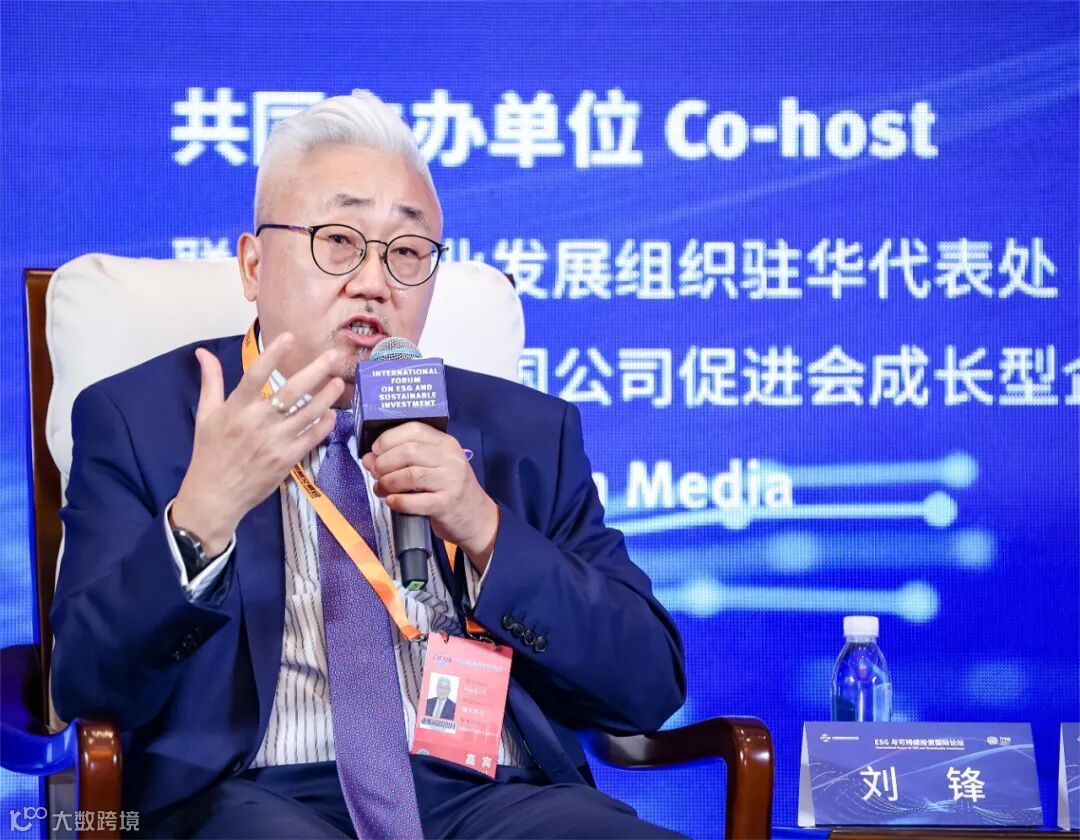
Feng LIU, Chief Economist at China Galaxy Securities pointed out, China currently relies on banks for sustainable investment and does so with loans, but the scale of investment required to achieve carbon neutrality is huge and calls for multi-level capital markets. Although ESG-related products such as green bonds and stocks are already available in the capital market, the E (environment) dimension in ESG has not yet been standardized, creating many barriers to investment. Meanwhile, it is precisely because of the single financing structure, that the share of investment in science and technology innovation in China is relatively small. Therefore, strong participation of equity capital needs to be encouraged in order to solve this problem.
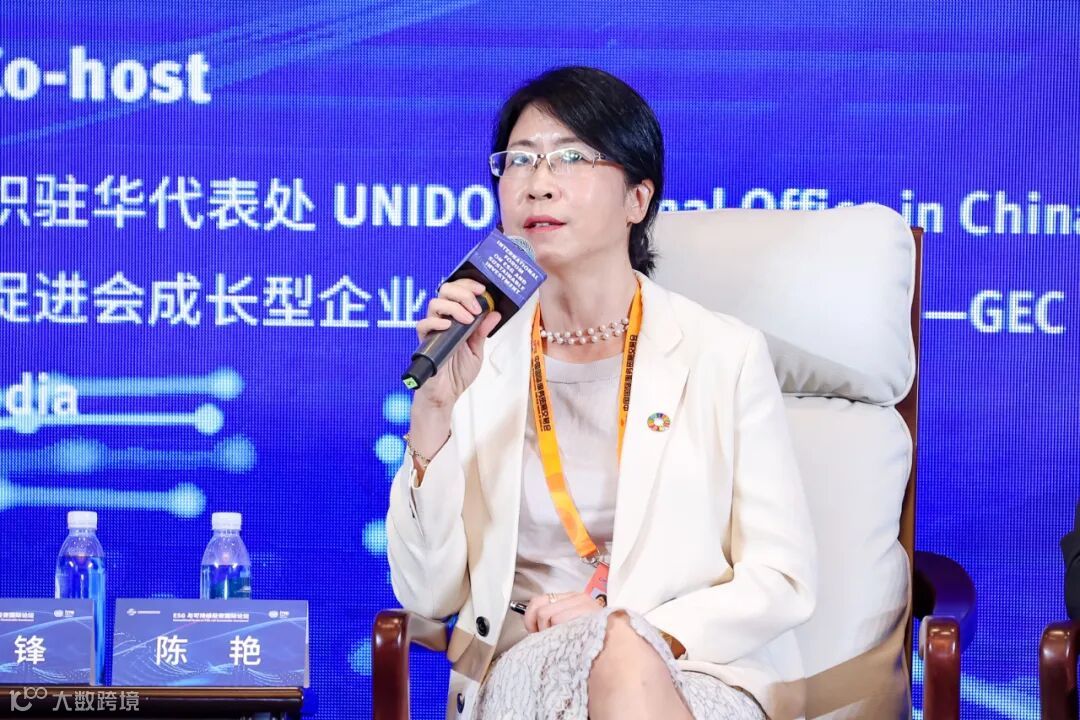
Elaine CHEN, Vice President of Deutsche Post DHL (DPDHL) Corporate Office China said, sustainability is at the heart of ESG. Logistics and transportation require a very large number of vehicles, and the transportation industry is one of the top three global carbon emissions sources. In 2021, Deutsche Post DHL Group announced that it will continue to invest €7 billion in areas such as clean jet fuel to accelerate emissions reductions in order to achieve its 2030 corporate carbon emissions target. In the meantime, from 2021, the Group's new infrastructure will be designed according to zero carbon emissions standards.
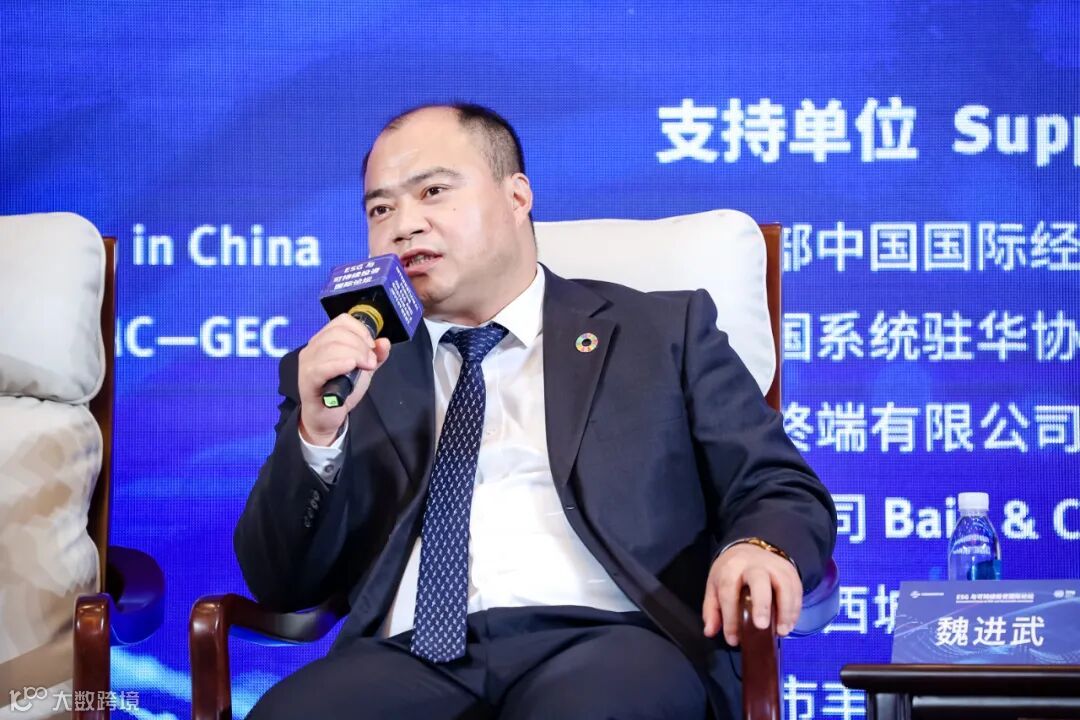
Jinwu WEI, Deputy General Manager of Research Institute China United Network Communications Corporation Limited, said that direct investment in 5G by China's three major telecom operators has reached more than ¥400 billion, and another ¥1.2 trillion is expected for 5G development and its related investments by 2025. China's 5G has always been developed under international standards, reaching a global leading level in terms of specifications, products and scale, which is driven by institutional and operational innovations. In the future, communication and every other industries will develop in tandem. The continuous integration of 5G and optical communication, and channeling computing resources from East to West will further encourage cross-regional integration of East and West, improve the imbalance of China's economic development, and solidify the infrastructure of digital economy. Telecommunication’s further combination with industrial manufacturing will also promote the digital upgrade of industries.
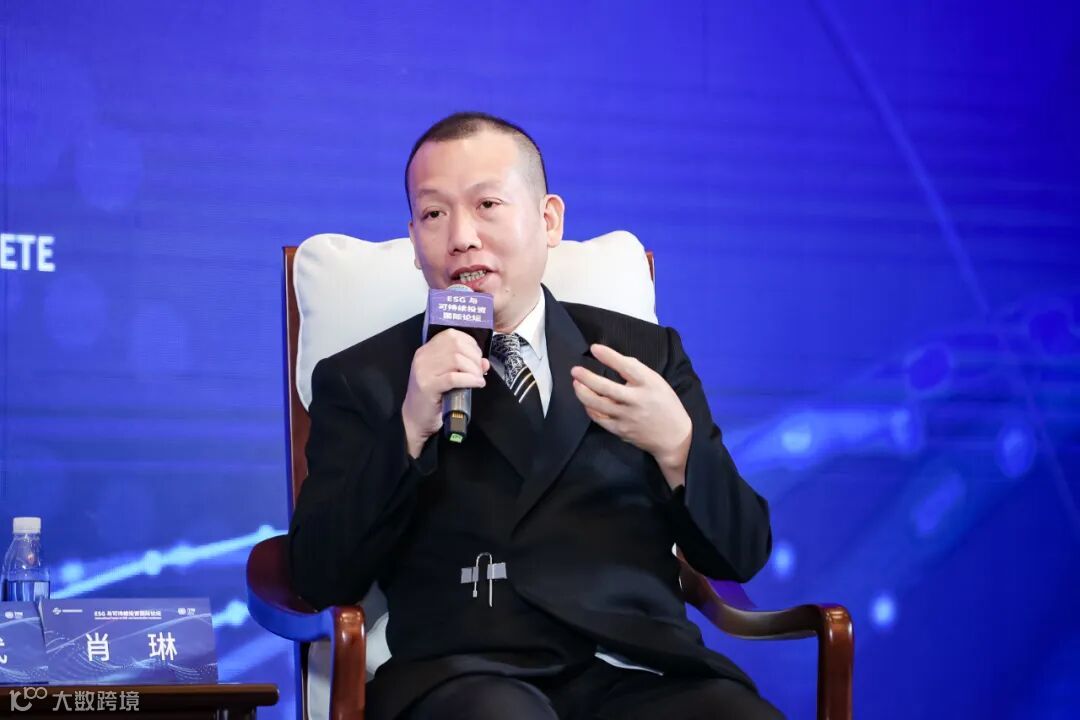
Lin XIAO, President of NALINV Nanotechnology (Shanghai) Co.,Ltd said, a competitive and regulated market can stimulate enterprises’ creativity. For manufacturing enterprises to innovate, they cannot do without three elements: materials, techniques and equipment. Innovation in these areas will benefit manufacturing companies to improve production efficiency and reduce energy consumption and carbon emissions. NALINV Nanotechnology has maintained high growth during the pandemic by securing seven areas, including strategic security, capital security, manufacturing security, channel security, technology security, legal security and supply chain security.
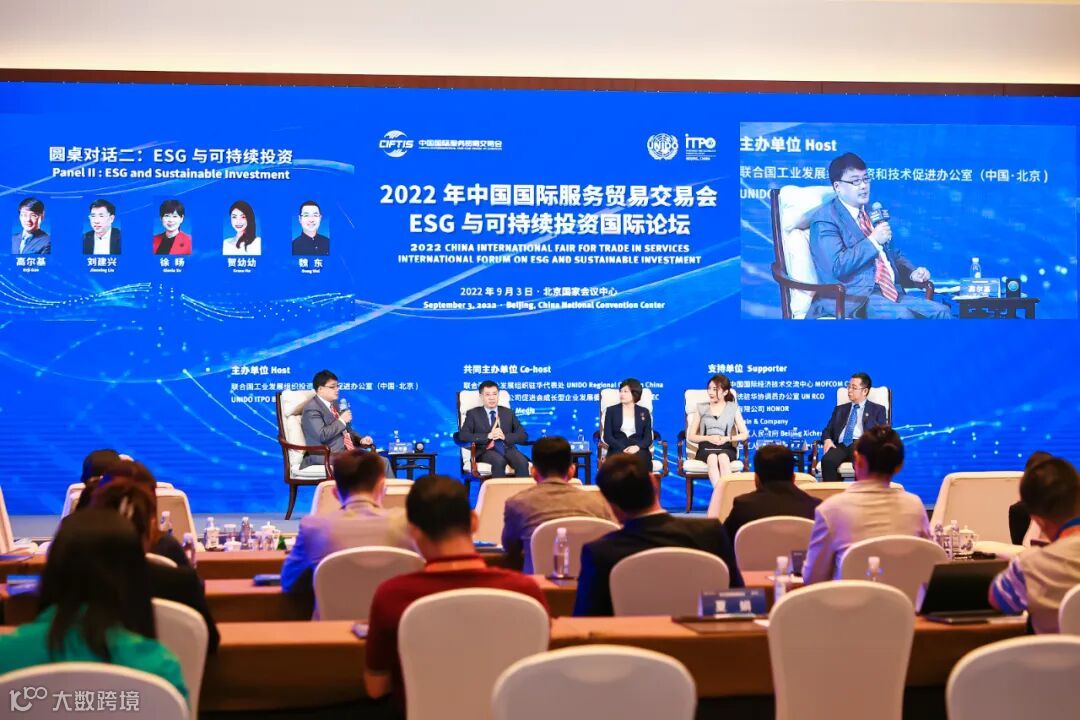
The second panel discussion "ESG and Sustainable Investment", moderated by Erji GAO, Vice President of Caixin Media and Executive President of Caixin Insight, featured a deep exchange of views on ESG investment and corporate social responsibility.
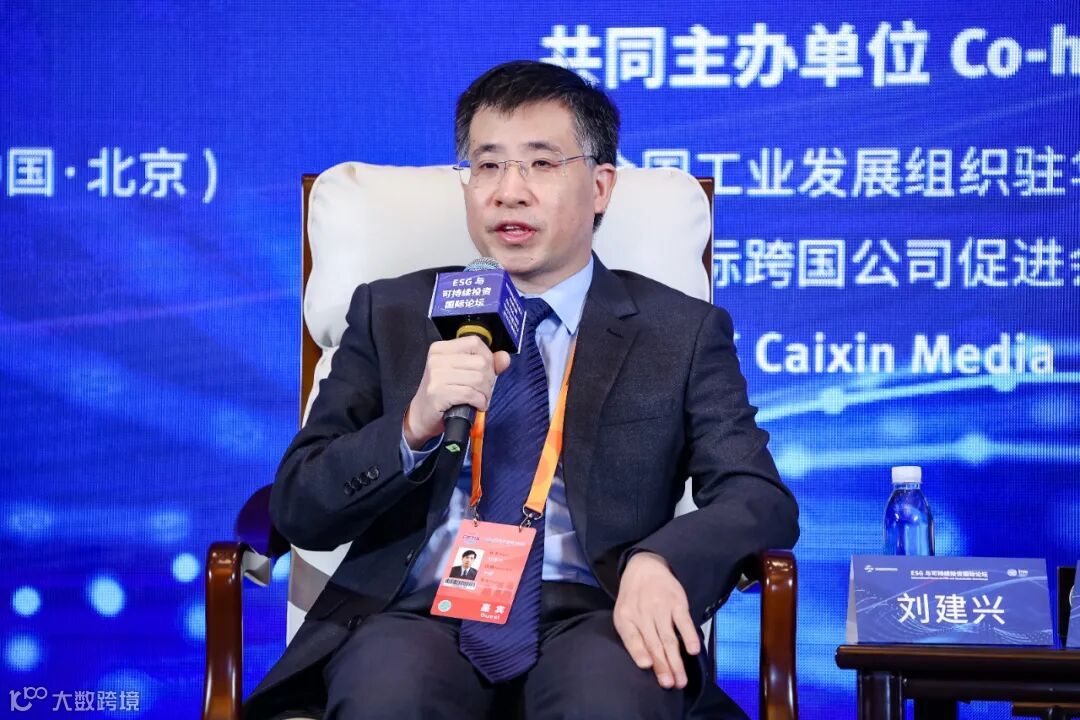
Jianxing LIU, Deputy Director of International Cooperation Center of NDRC, pointed out that there are two major difficulties in promoting ESG, which are technological progress and international coordination. The original supply chain, system chain were built under the assumption that the international community can operate according to market-oriented rules, but currently, some developed countries uphold protectionism in the name of national security, constantly threatening the economic and industrial security of other countries, increasing the difficulty of international coordination. In the face of common global challenges, technological progress is the most effective solution in the long run.
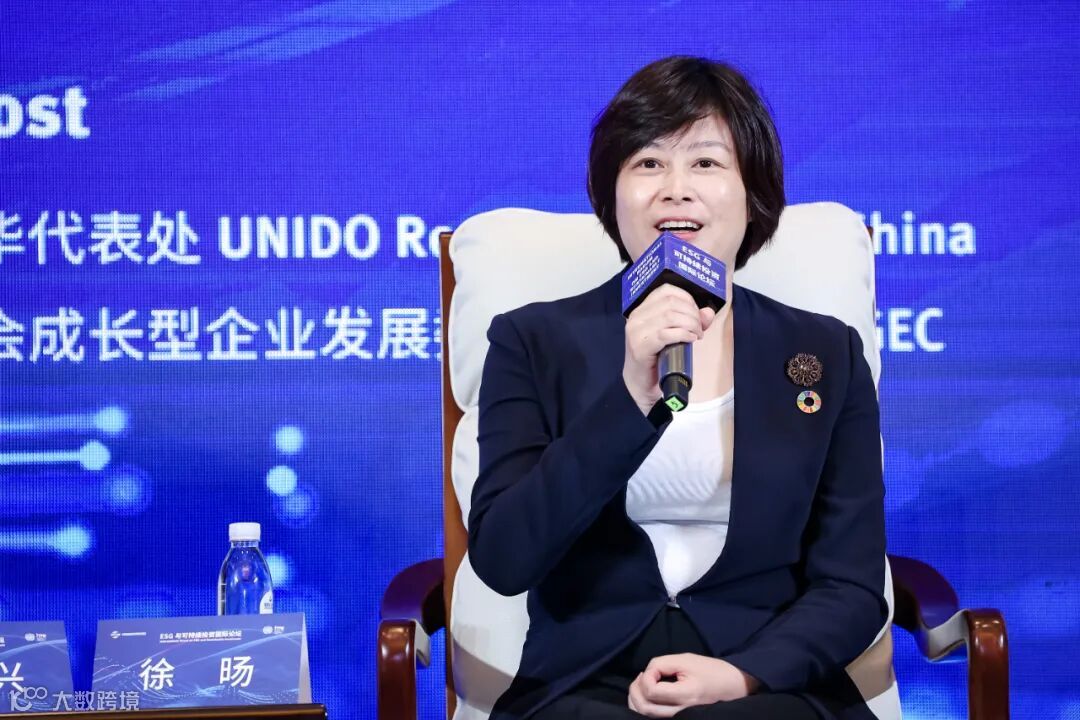
Gloria XU, China Country Manager and Vice President of External Affairs at Albemarle, said that ESG involves many elements and indicator systems, and companies should specialize in their fields of expertise. With the introduction of the dual carbon goal, that government and market participants need to work together to explore how to further improve the quality of policies, and to consider how to high-quality engagement of different stakeholders. Although there may be some uncertainty in the short term, ESG is a future trend that we need to be embrace.

Grace HE, Global Executive Director at JP Morgan Chase Bank (China) Company Limited said, digital technology tracking, quantifiable carbon assessments and sustainable development goals will help drive ESG. By 2030, JP Morgan will provide and leverage $2.5 trillion in financing to address climate change, fueling emerging markets and social responsibility for sustainable development.
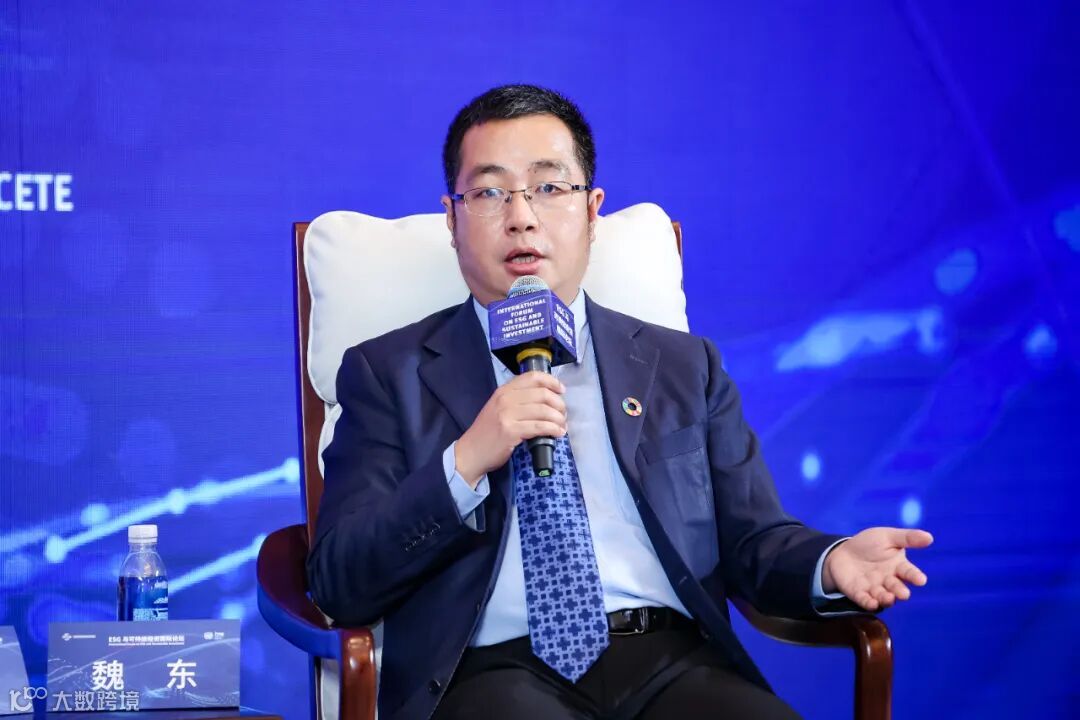
Dong WEI, Vice President & Chief Safety Operation Officer at Baidu Intelligent Driving Group said, the fulfillment of ESG, improvement of enterprises' own comprehensive competitiveness, long-term value investment and social recognition are mutually reinforcing. ESG development should be promoted from three dimensions: first, guiding the public to participate in ESG system construction. Second, encouraging innovation and breakthroughs in policy design, giving space for early and pilot implementation of new technologies and new businesses. Third, to address the realistic conflict between short-term survival pressure and long-term social ecological construction of some enterprises, the government should use policy levers such as tax breaks and subsidies, to help small or emerging economic entities both adhere to ESG and withstand the survival pressure.
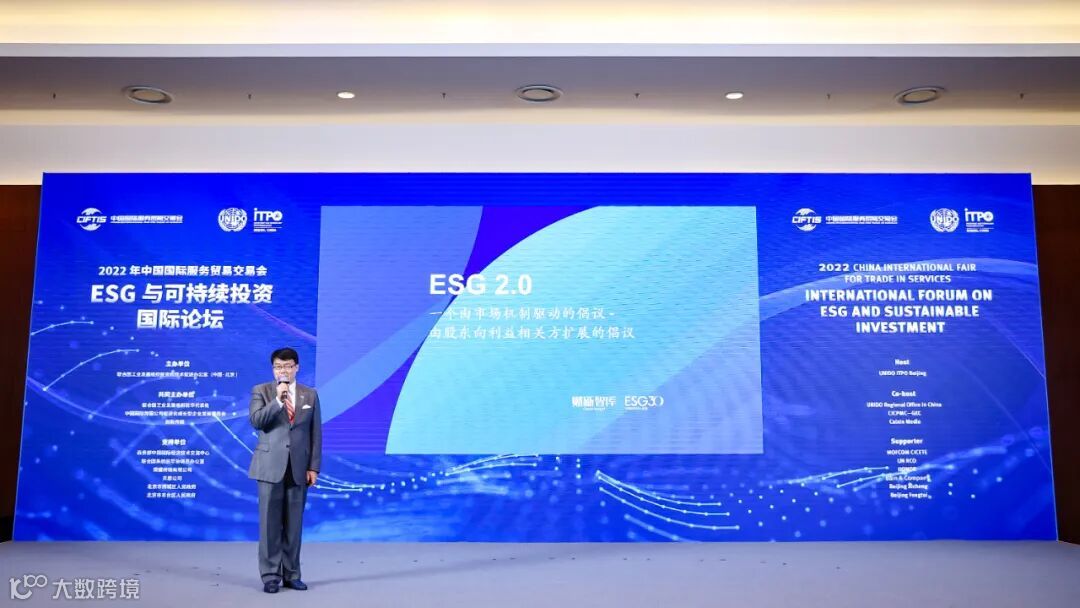
During the forum, Caixin ESG 30 released recent research results, including cutting-edge topics such as ESG 2.0 Global Initiative, ESG development in the trust industry, how institutional investors can contribute to high-quality development, foresight of impact investment in China, and industrial re-engineering in the zero-carbon era.
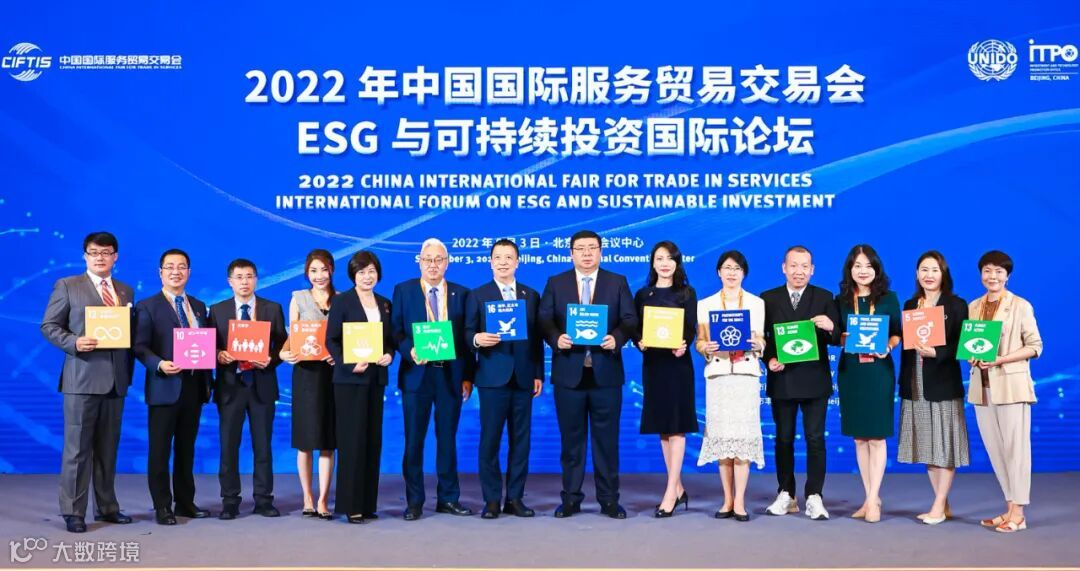
The forum was supported by the China International Center for Economic and Technical Exchanges, United Nations Resident Coordinator’s Office, Honor Devices Co. Ltd., Bain & Company, Xicheng District People's Government of Beijing Municipality and Fengtai District People's Government of Beijing Municipality.