
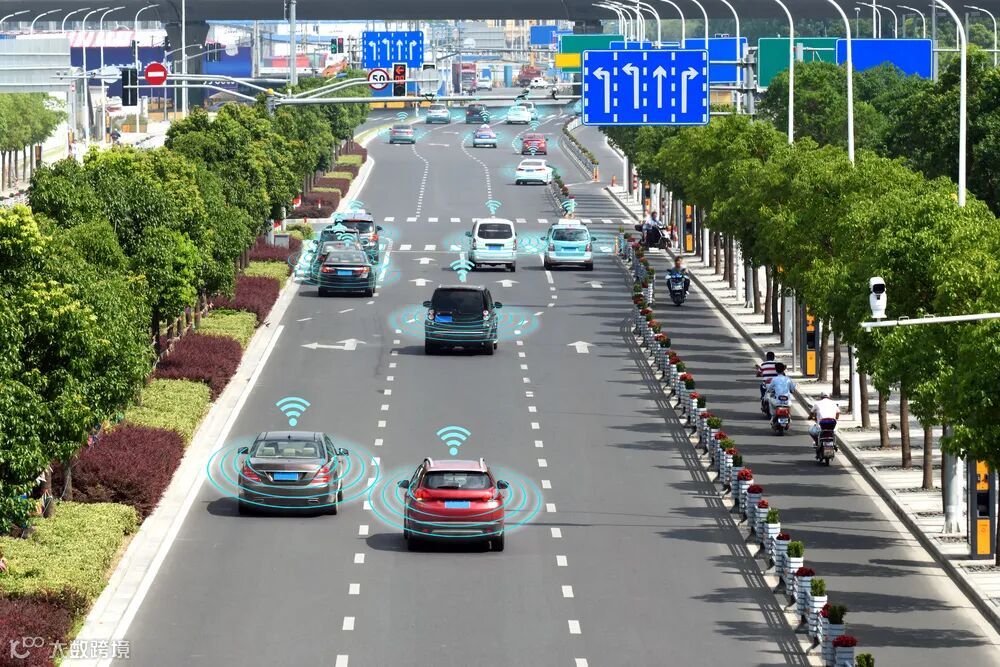


Most auto companies are using their vehicles that are equipped with various Advanced Driver Assistance Systems (ADAS) features to achieve autonomy of Level 2 and 3. While, Baidu and Pony.ai are focusing on achieving Level 4 and higher – which can operate by themselves and execute necessary functions without any human intervention.
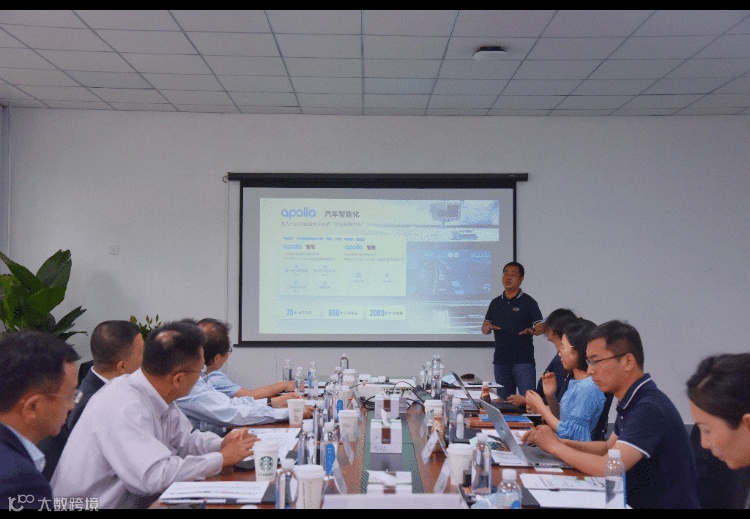
Autonomous mobility has a wide-ranging impact, of which safety is the most significant feature. “Approximately 90% of accidents today are caused by improper driving.” Wei Dong, Vice President at Baidu Apollo, pointed out to the delegates in the seminar.
Unlike humans, AVs will respect the right-of-way and stringently follow the transportation regulations and rules – such as don’t drive drunk or text while driving. Its average braking reaction time is around 0.5 seconds, five times faster than human drives. Therefore, driverless vehicles could “potentially reduce road accidents by up to 90%”, dramatically improving vehicle safety. In addition, an autonomous car can also avoid any potential issues of the person getting mired in a car accident or similar concern.
Safety is the essentiality of self-driving technology. However, a perfect 100% safety cannot be realized as unpredictability will still exist. “Assuming that driverless vehicles gain worldwide popularity, there will still be around 1,000 traffic accidents per year, pushing us to iterate and upgrade the technology constantly.” Said Wei Dong.

A delegate from a leading global investment firm emphasized the increasing influences of ESG factors on autonomous vehicles. In the realm of automated ride-sharing, AVs are expected to dramatically reduce the number of cars on the road to reduce motor traffic congestion and create fewer ground parking lots. If powered by green electricity or hydrogen, they could further reduce local vehicle emissions.
In Changsha, Baidu built a full-stack intelligent traffic solution to develop its Robotaxi services. The holistic upgrading of urban public transportation helped reduce 20% of transportation delays and 35% of transportation accidents in the city, creating the "Changsha Mode" for developing urban smart transportation.
The driverless vehicles also promise to enhance the quality of life of commuters who would otherwise spend hours behind the wheel – to free former drivers to work or relax en route, as well as the elderly and physically disabled who would otherwise have limited geographic mobility.

An AV is a highly software-hardware integrated terminal and the software can be considered as its “brain” – the “brain” analyzes and utilizes the information collected by various sensors to help the vehicle make the best driving decisions. In this vein, the conventional automakers are described as the “body”, which manufacture the hardware of a vehicle. It, therefore, raises the concern of “who will be the leading role of the industry?”.
Both Baidu and Pony.ai believe in the interdependence between traditional automakers and autonomous companies. “They can either have a healthy competitive relationship or autonomous companies provide customized software services to conventional automakers on their new models. Cooperation can be varied.” said Wang Qiang, Vice President of Government Affairs at Pony.ai.
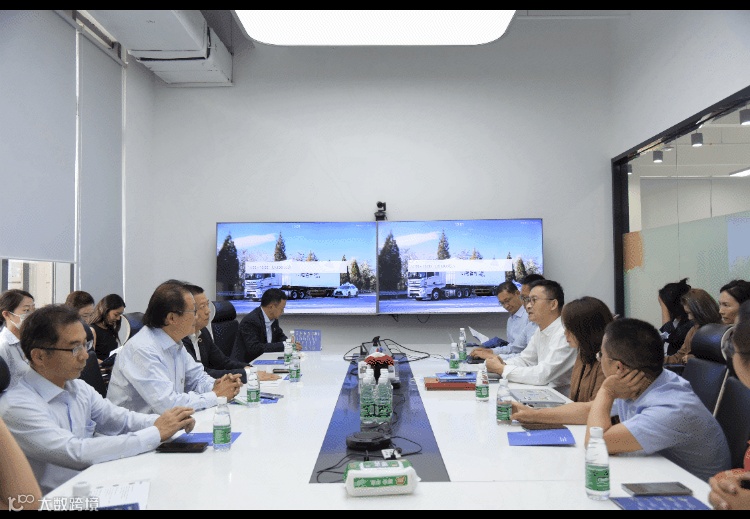
Not limited to traditional automakers, expertise outside of automakers’ core competencies, partnerships and joint ventures are also crucial. Cross-industry cooperation has several benefits, including partaking the research and development costs that would otherwise have to be fully absorbed by the automaker.
A delegate from a remote sensing technology company showed great interest in collaborating with autonomous companies on the highway driving scenario. AV require precise knowledge of their position and orientation in all weather and traffic conditions for path planning, perception, control, and safe operation. The impact of meteorology change when driving on the highway poses a challenge to self-driving cars, especially driverless trucks. Using remote sensing technology to analyze and anticipate meteorological changes can improve the resilience of autonomous driving in extreme weather conditions, such as gale, rainstorms or snowstorms, and also enable to deal with sudden meteorological changes such as crosswind which is a major safety hazard for many truck drivers.

Residents in Yizhuang area can now hail a driverless Robotaxi through “PonyPilot+” app or “Luobo Kuaipao” app. Hundreds of pick-up and drop-off locations include public facilities such as subway stations, parks, and stadiums, alongside central business centers and residential areas. For a 3 kilometers ride, Robotaxi shows a sample fare of RMB34. On the same occasion, the basic express care service cost about RMB14.
The high price may hinder the commercialization of driverless vehicles. Baidu is optimistic on controlling the cost reduction. The radar is seen as the most expensive part of the driverless vehicle.
The delegation also proposed numerous suggestions on the future charging mode, such as charging on ilometer, charging an annual fee for driving a car, or “buy service & get a car free”.

The government provides both strong policy support and a framework to facilitate the development of the AV industry in China. With rapid urbanization and increased implementation of smart cities, governments are spending a number of resources on developing smart roads, smart traffic signal systems, better wireless connections, new road sensors, and better road signs. Many cities have issued licenses for autonomous driving testing. Still, relevant policies and regulations need to pace up.
The reality is that China’s traffic lights and road signs are not yet fully standardized. Likewise, right-of-way issues resulting from the fault of Chinese drivers add a major uncertainty to programing requirements for AV. Consequently, the mass adoption of AV in China should take more effort.
In fact, Chinese AV access to road test data is unmatched by the US in terms of quality and quantity as road conditions in China are far more complex. Pony.ai autonomous vehicles have driven over 11 million real-world autonomous kilometers globally, including over 200,000 driverless kilometers. The figure for Baidu Apollo is 27 million real-world autonomous kilometers. Therefore, a policy one step ahead of technology will be the engine to develop self-driving vehicles.
China has the longest expressway network in the world, with 149,600km as of 2019. In the future, the extensive highway network in China will offer a stable environment to roll out autonomous driving.

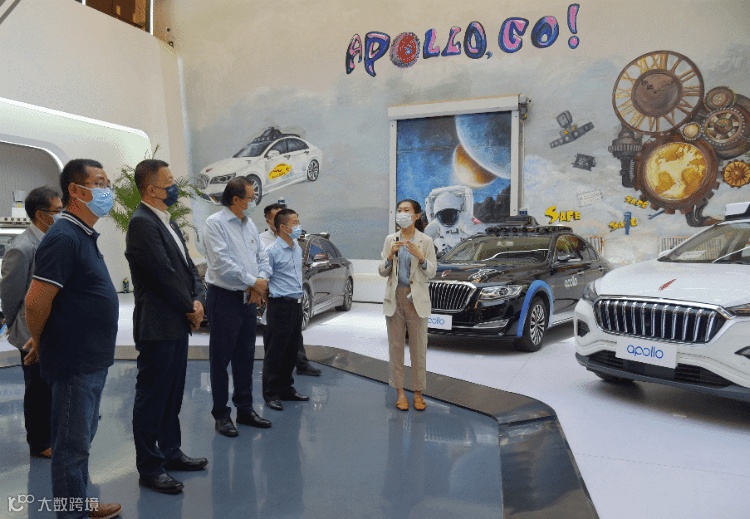
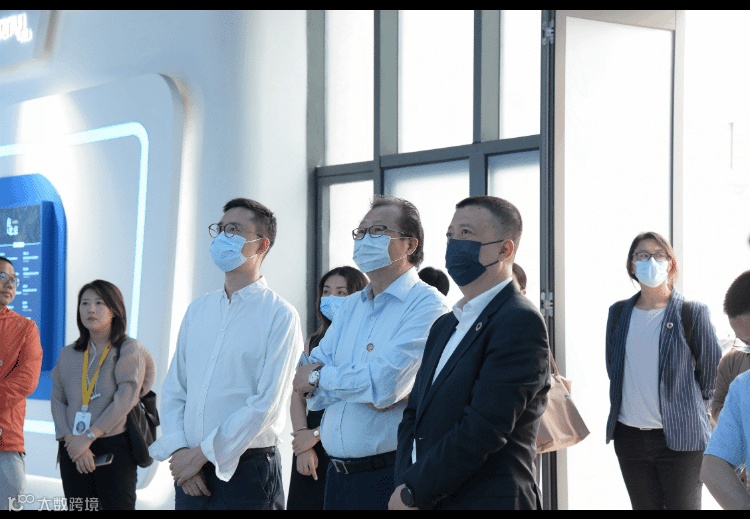
The delegation appreciated the one-day visit, commenting that it was informative and practical. It provided a cross-industry and cross-field knowledge sharing platform for participants to interact and communicate the reality and future of this fast-changing industry. In addition, the test ride experience raised their awareness of self-driving cars and brought them the taste of technology advancements.
“I’ve heard so much about autonomous vehicles via the internet, but only after this visit, I realize how close it is to us. The world is ushering in an era of self-driving.” Said a delegate from a think tank.
“It was my first time riding a driverless car though I have seen it on many occasions. It surprised me with its comfy and clever response to the road. I had to frequently ask the safety officer if he was driving instead of the car. I can foresee a prosperous future for the industry and beyond.” Said a delegate from an investment firm.
“The visit is far beyond its value. We not only learned the development of autonomous vehicles, but open the path to cross-industry cooperation. I would hope ITPO Beijing organizes more activities as such.” Said a delegate from lens manufacturer.

Upcoming Industry Visits of 4IR Alliance will focus on remote sensing, hydrogen/green energy, lighthouse factory, dual carbon, etc. ITPO Beijing looks forward to the participation of partners and stakeholders in empowering the digital and green transformation of the industries, contributing to the achievement of the SDGs.
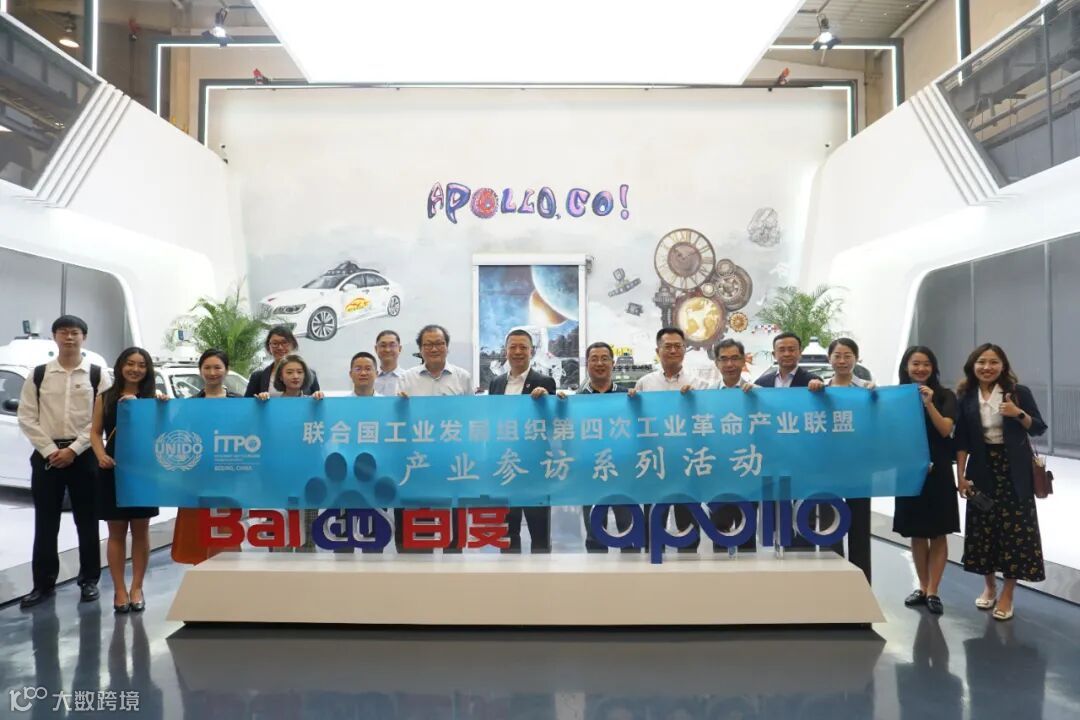
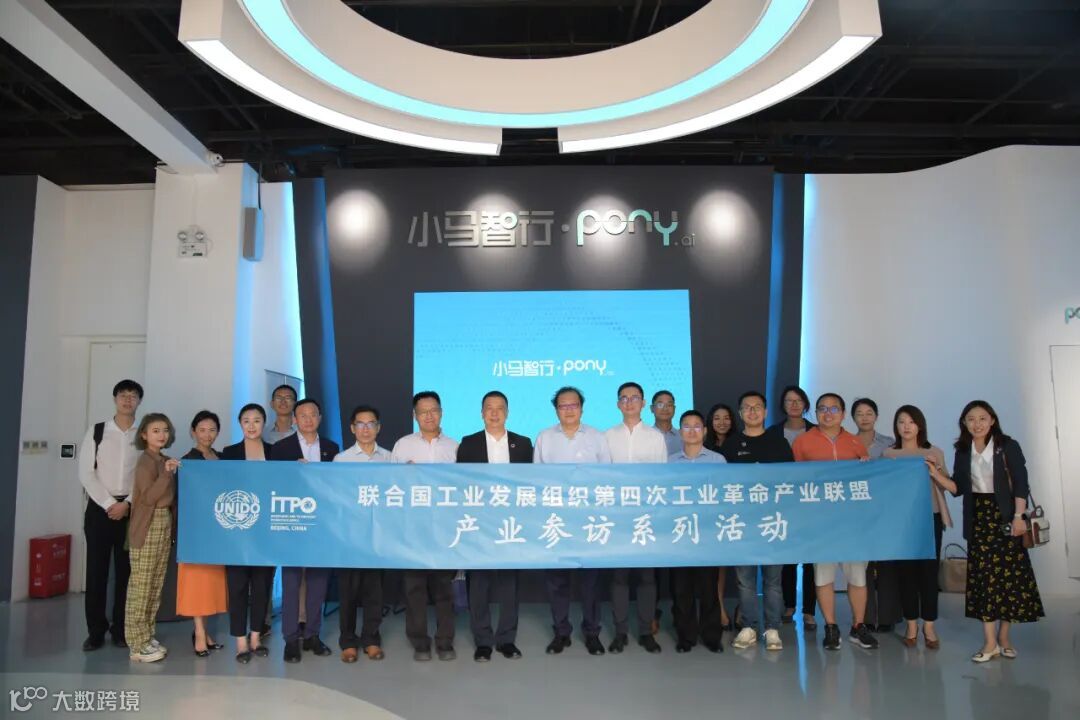

Recognizing the vast opportunities presented by the Fourth Industrial Revolution (4IR) for developing countries/regions, UNIDO launched the 4IR Alliance, which aims at enabling everyone to address the challenges and reap the opportunities of the 4IR, narrowing the digital divides, “leaving no one behind”.
This loose collaborative mechanism is an important example of UNIDO's systematic approach to providing innovation support to all stakeholders in a value-added manner. The practice of setting up 4IR Alliance through ITPO Beijing is a practice of UNIDO in facilitating the dialogue of players and stakeholders for an in-depth sector-specific collaboration in both vertical and horizontal ways.
Since its launch on 5 November 2020, the Alliance has organized a series of activities focusing on digital transformation, green transformation, advanced digital production technologies, and women/youth empowerment through the form of global forums, policy consultation, capacity building, visiting and technology and investment matchmaking.
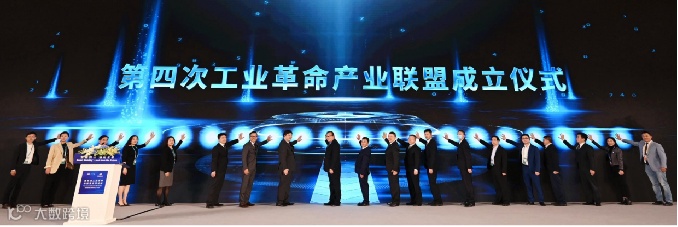
This year, the Alliance will continue expanding its membership by inviting partners from home and abroad who are committed to promoting inclusive and sustainable industrial development.Look forward to working with more partners!

itpo.beijing@unido.org
010-86469374-803