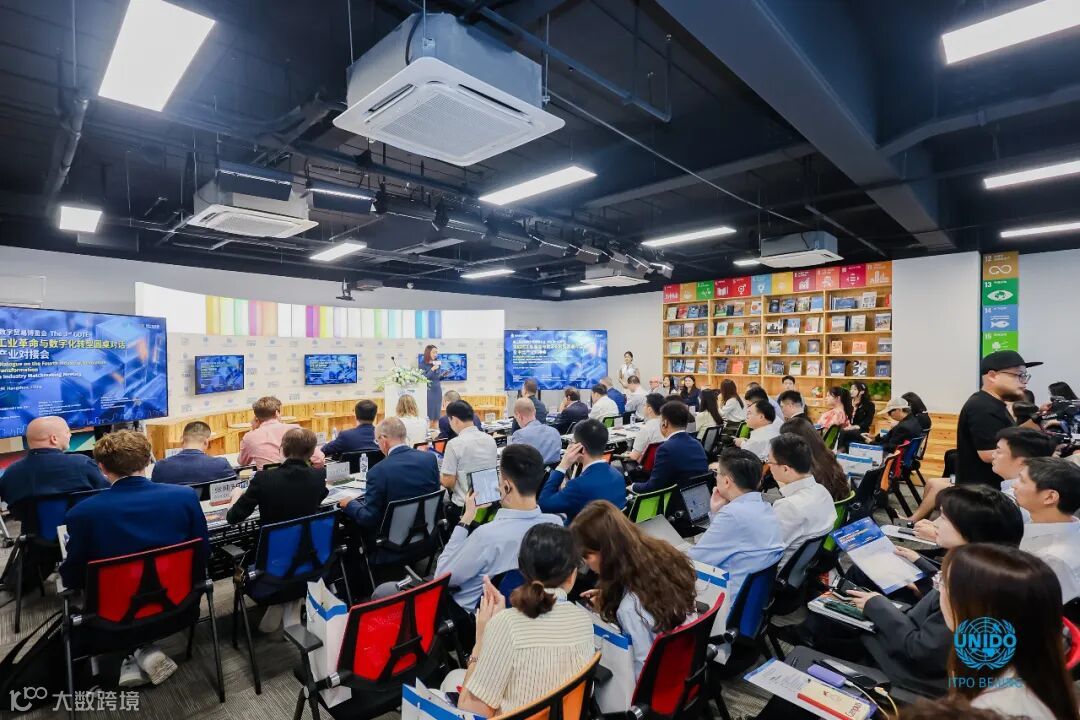
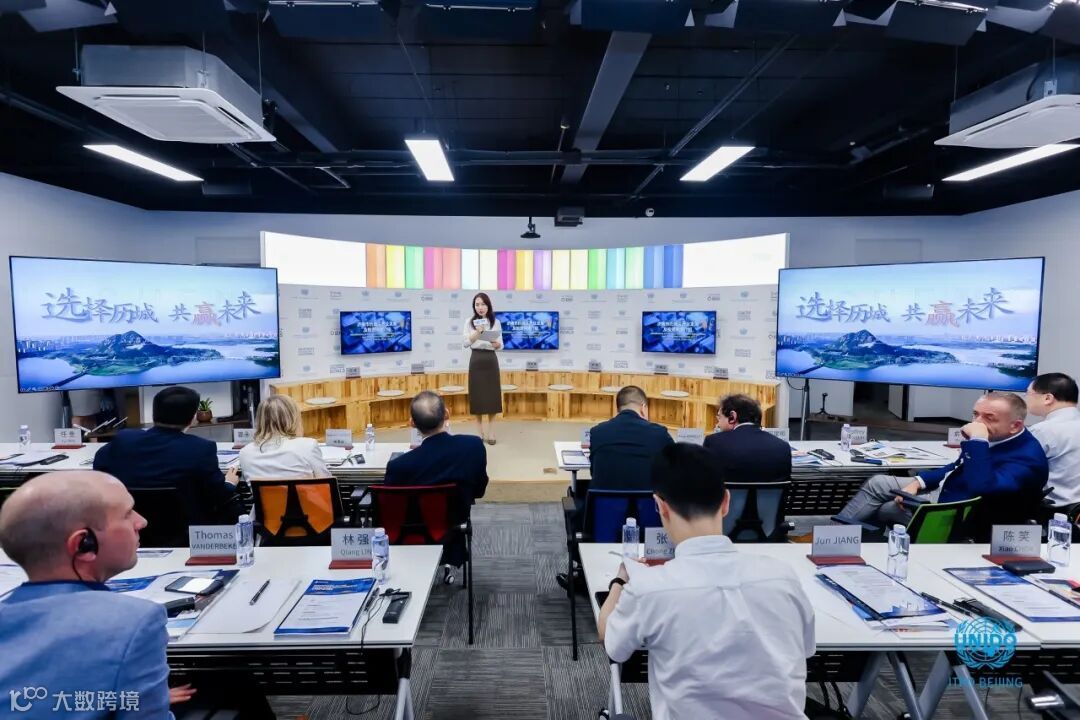
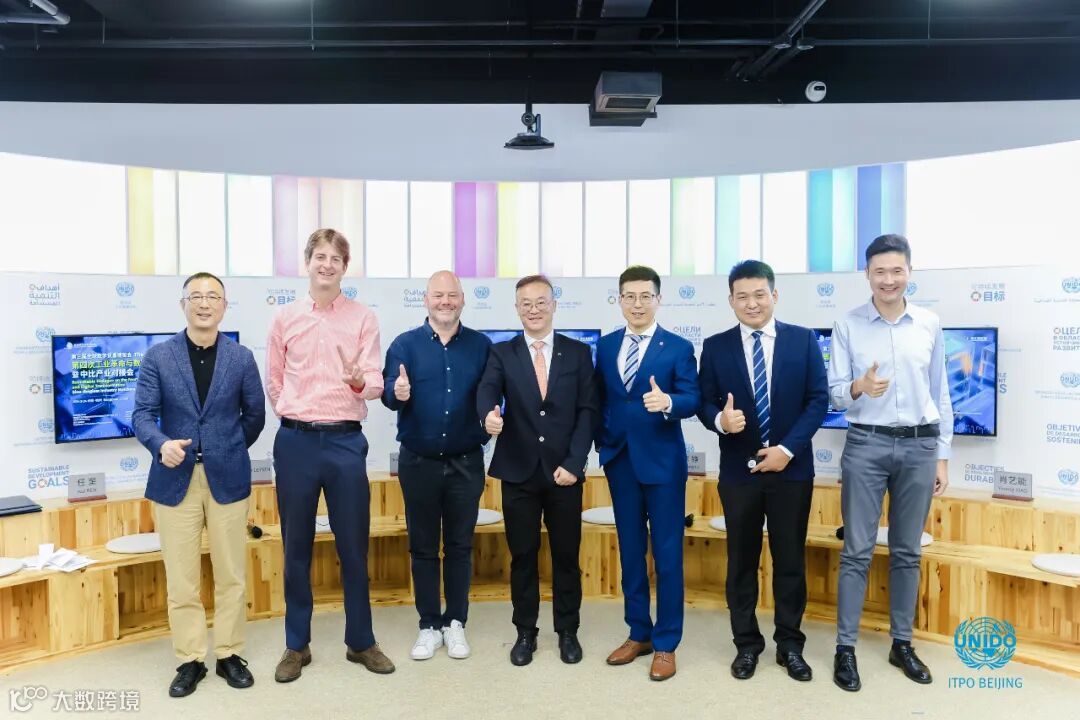
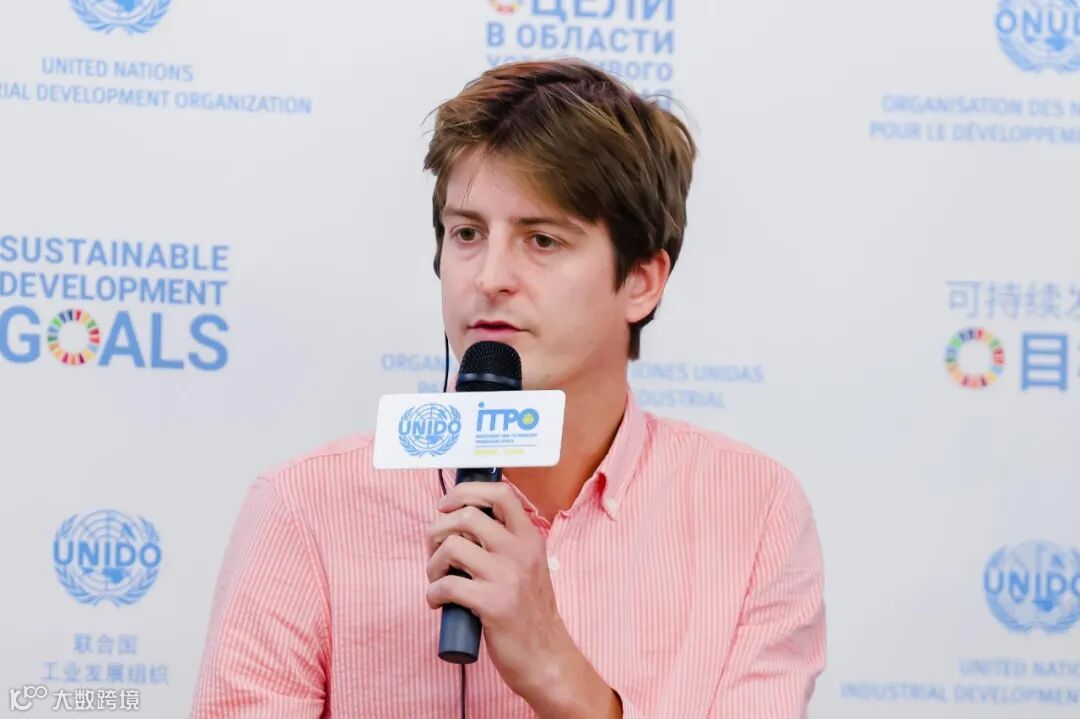
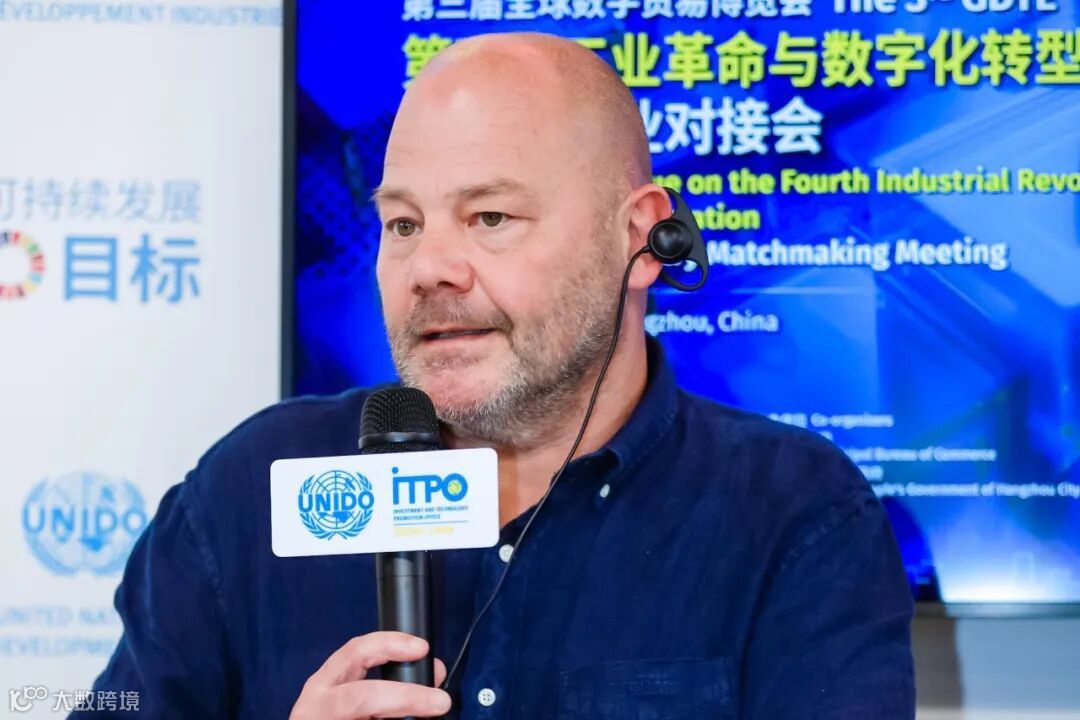
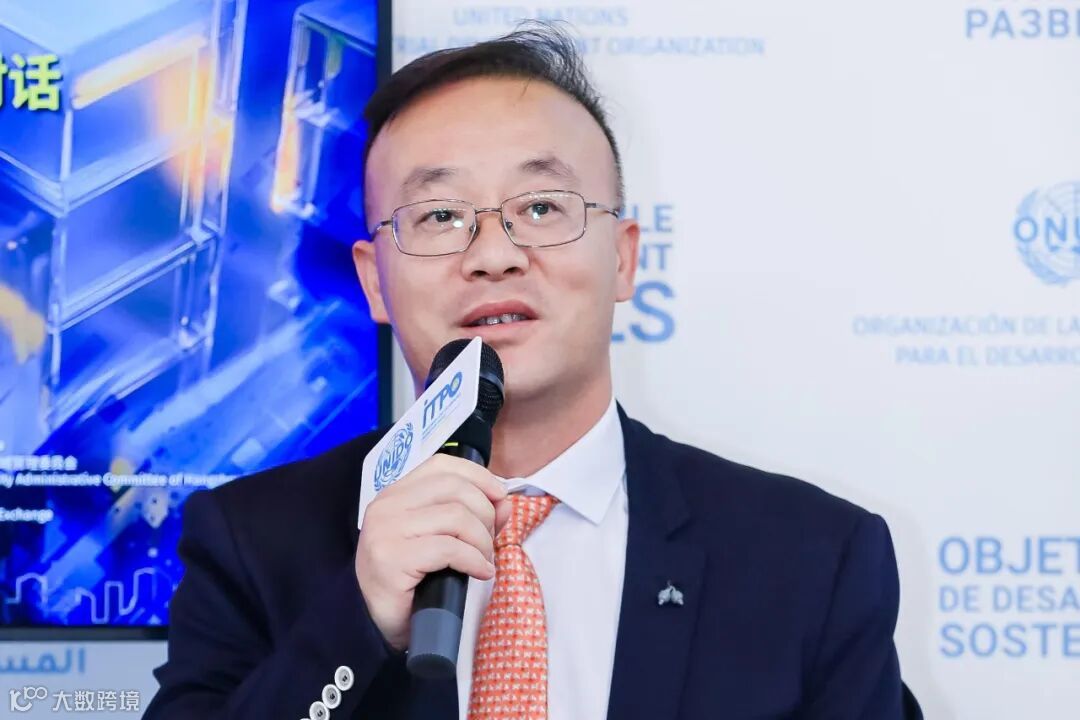
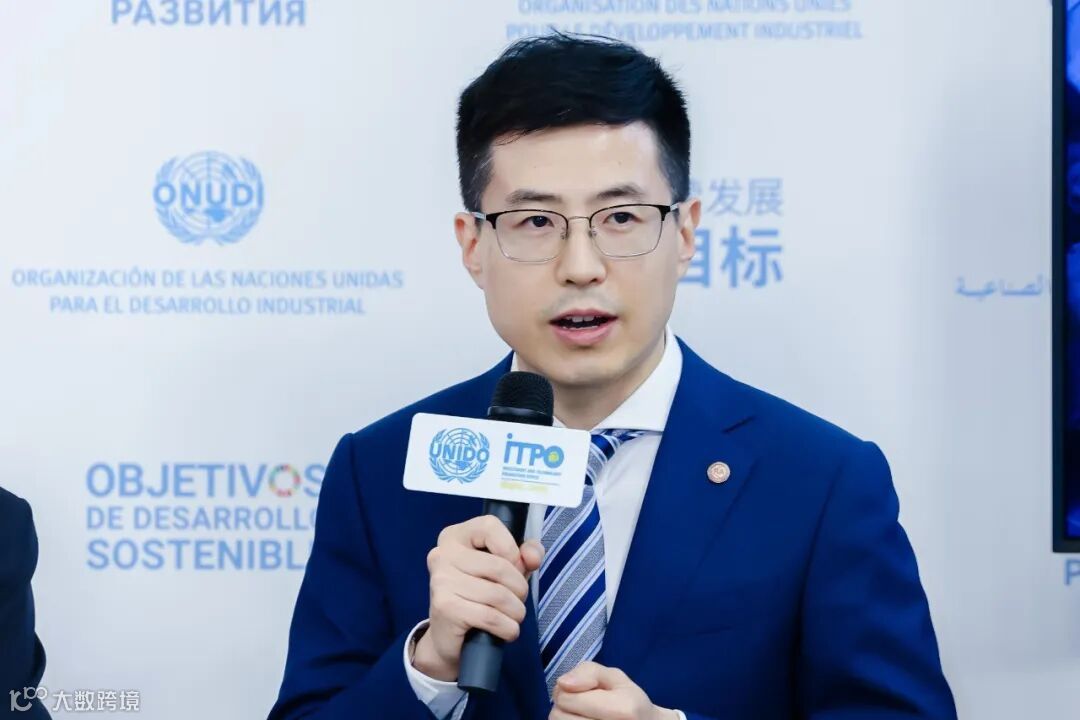
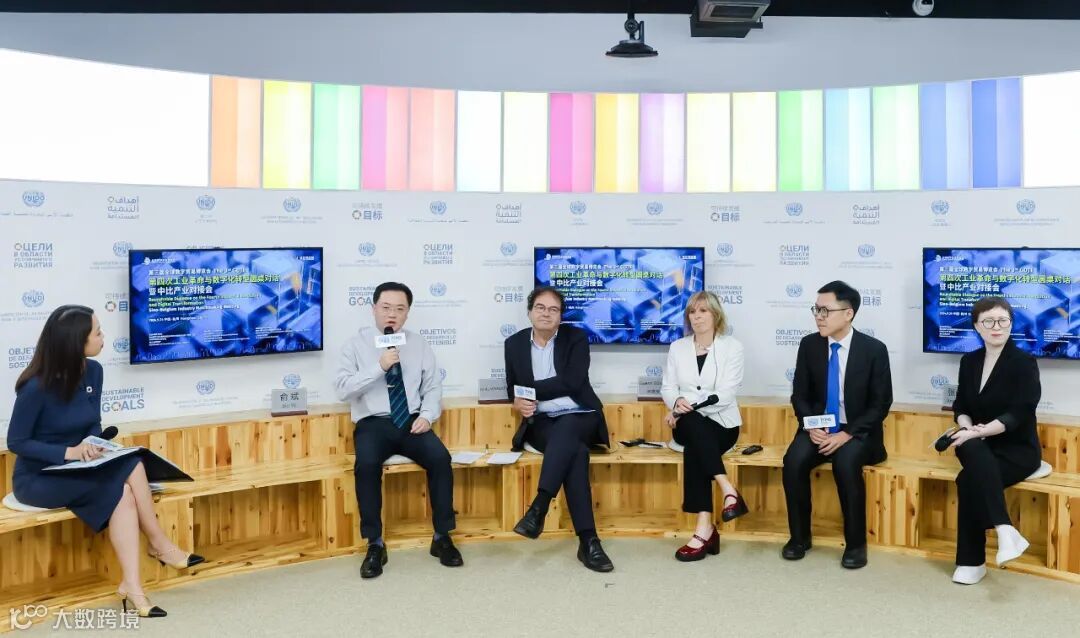
On the afternoon of September 24th, the 3rd Global Digital Trade Expo “Roundtable Dialogue on the Fourth Industrial Revolution and Digital Transformation & Sino-Belgium Industry Matchmaking Meeting” was held at the UNIDO Fourth Industrial Revolution Accelerator (Hangzhou).
This event focused on two major themes: “Enhancing International Cooperation on Capacity-building of Artificial Intelligence (AI)” and “Harnessing Digital Trade for a Sustainable Future”. It gathered government representatives, leading enterprises, industry associations, think tank experts, and professional media related to global advanced manufacturing and digital industries. A high-level business delegation from Belgium was invited to engage in in-depth exchanges with stakeholders in China’s artificial intelligence, intelligent manufacturing, e-commerce, and other fields, and to explore new opportunities for industrial cooperation between China and Belgium.
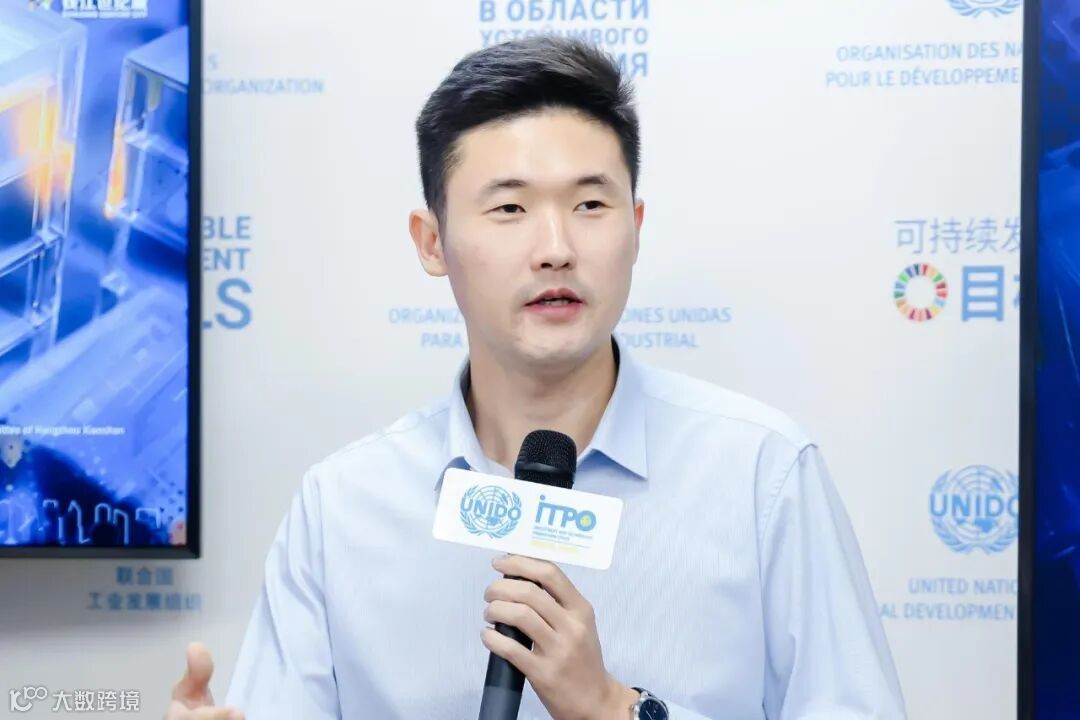
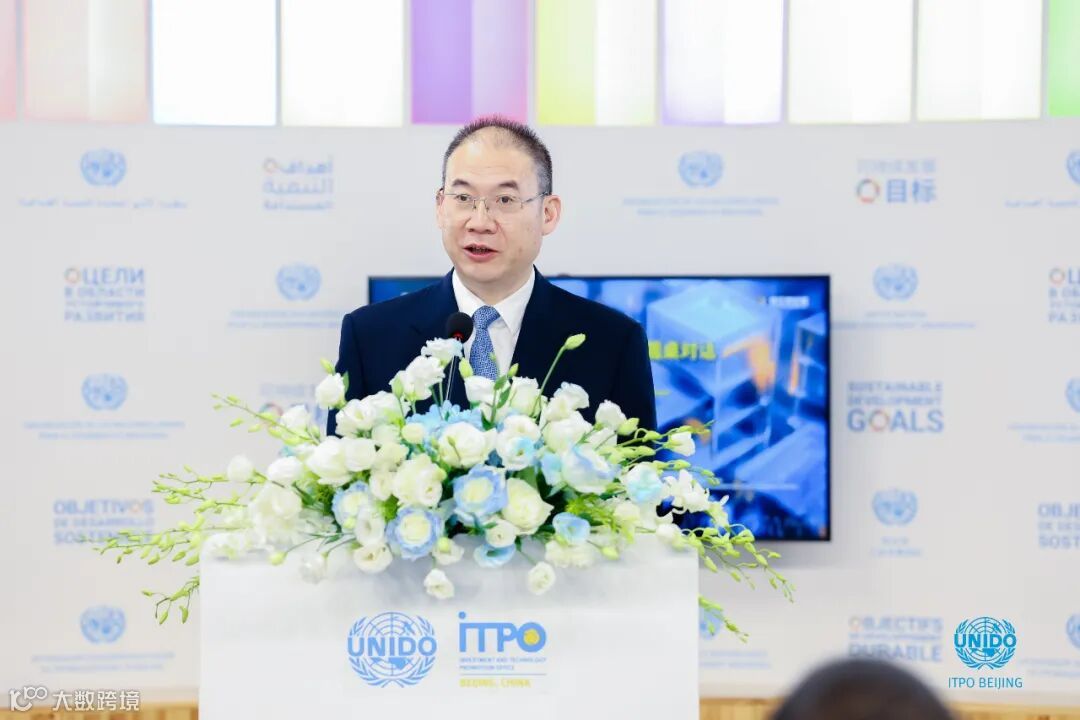 In the speech section, Jun Zhu, Member of the Party Group and Chief Economist of Department of Commerce of Zhejiang Province, pointed out that under the wave of the Fourth Industrial Revolution, global digital technology is accelerating iteration, and application scenarios are becoming increasingly rich. Characterized by data as a key element, with digital services at its core, and featuring digital ordering and delivery, digital trade represents a new trend in international trade and a fresh impetus for economic growth. Zhejiang Province, as the vanguard of China’s digital economy development, actively promotes the reform and innovation of digital trade through a series of measures such as hosting the Global Digital Trade Expo at a high level, building a pilot demonstration zone for digital trade, and helping the digital transformation of traditional industries and small and medium-sized enterprises, providing a “Zhejiang Solution” for the high-quality development of global digital trade.
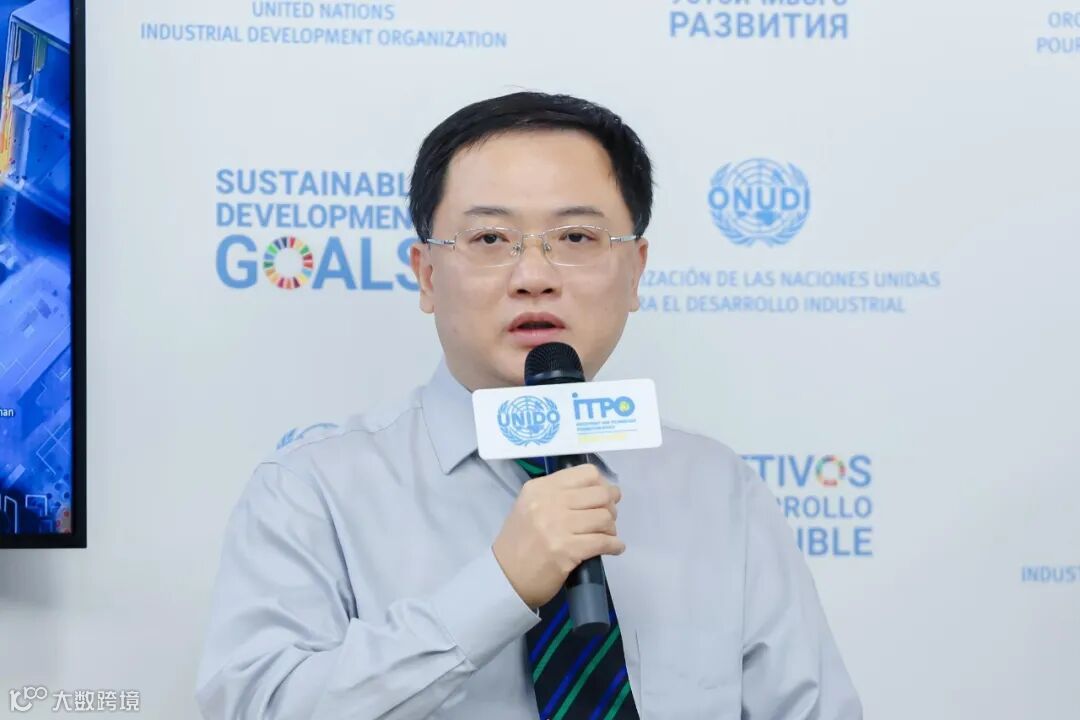
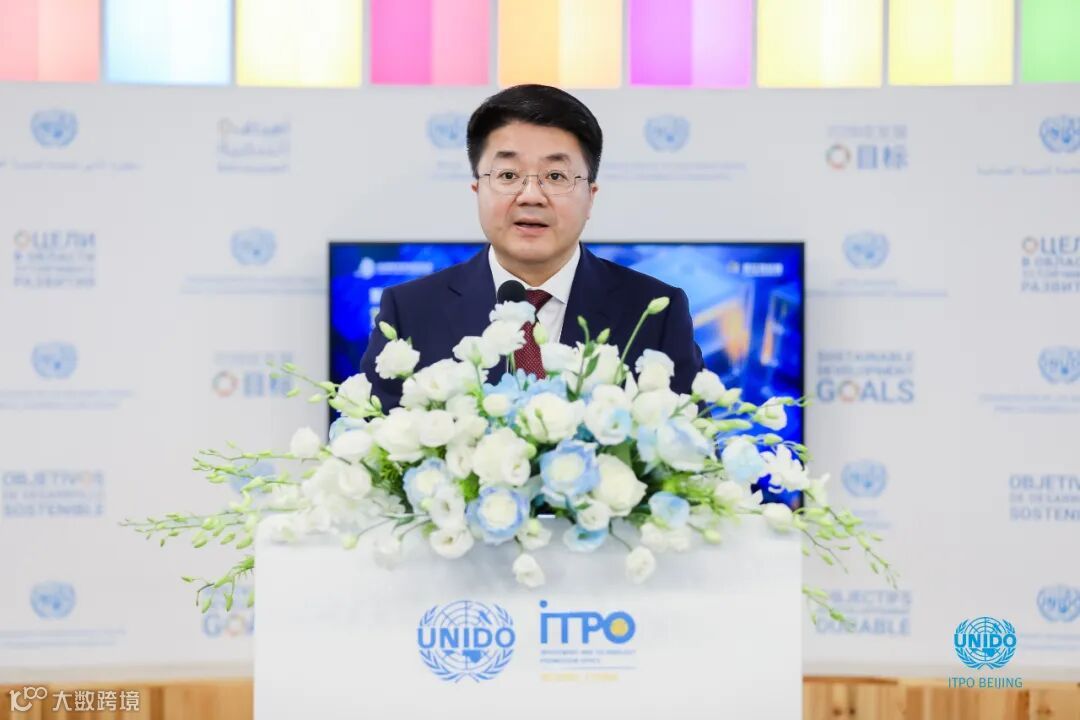 Yongzhu Jiang, Deputy Secretary of Xiaoshan District Party Committee and District Mayor of Xiaoshan District, introduced that as the permanent location of the Global Digital Trade Expo and a land with high expectations from the General Secretary, Xiaoshan has unique development advantages and a good practical foundation in seizing the new track of digital trade, accelerating the Fourth Industrial Revolution and digital transformation. Xiaoshan boasts unique urban development potential, sustained industrial momentum, and vibrant growth in digital trade. Xiaoshan will create the best development environment for everyone with the utmost sincerity, the most practical measures, and the best services. It will share the development achievements of the Fourth Industrial Revolution and digital transformation with everyone, and jointly explore new opportunities for digital trade.
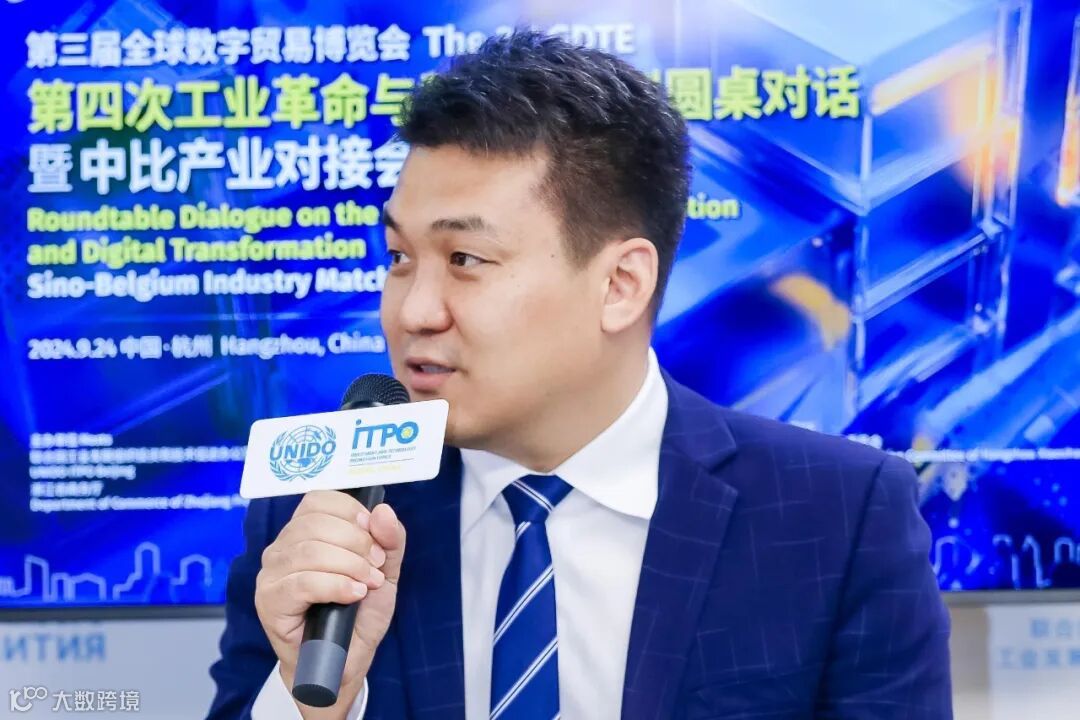
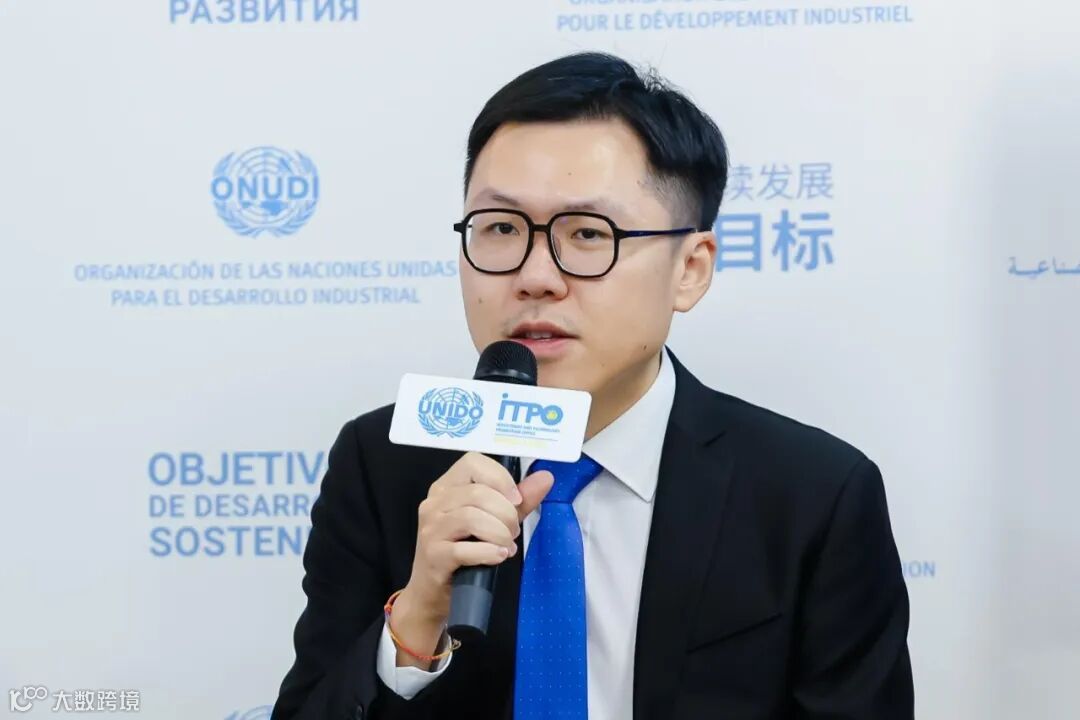
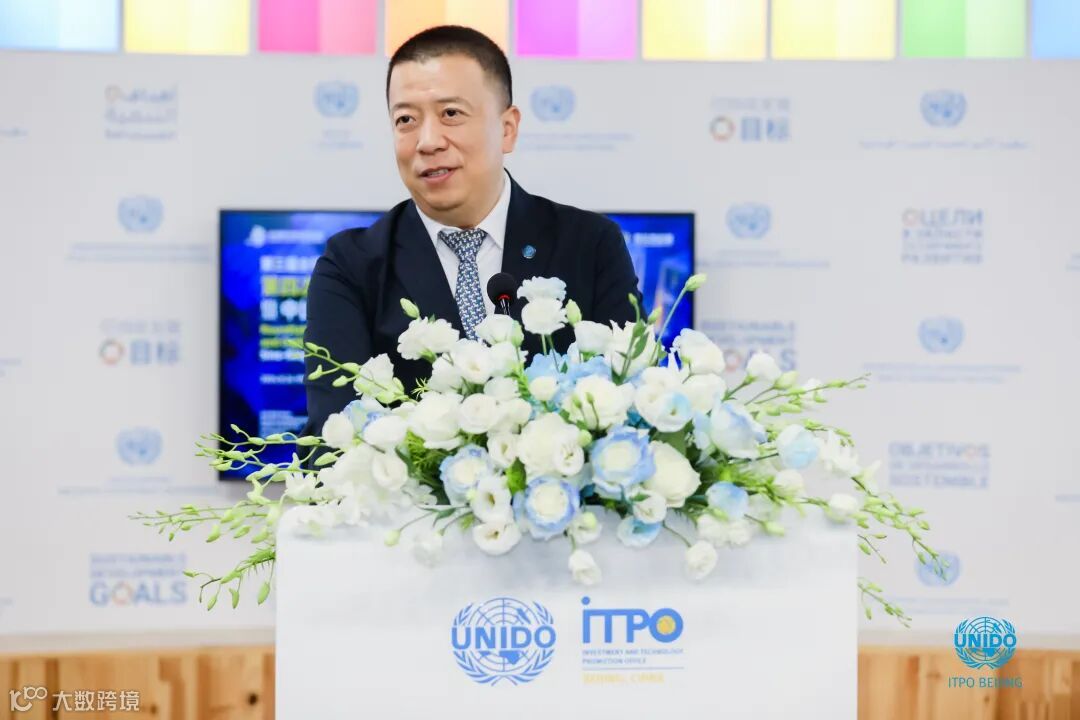 Professor Yabin Wu, Head of UNIDO ITPO Beijing, emphasized that UNIDO is an advocate of the Fourth Industrial Revolution (4IR), which is a profound revolution faced by the entire society and even the whole world. In the digital age, all industries need to be “redone”. China, as the world’s factory, has attracted a large amount of investment in the past 40 years of reform and opening-up, and has now entered the stage of “new consumption determines new manufacturing”. The scale of China’s consumer market is close to that of the United States, which will bring huge investment opportunities for China and the world. Facing these changes, documents like the Global Digital Contract, adopted by the Summit of the Future, aim to bridge the digital, data, and innovation gaps through robust international cooperation, and collective action on future technologies is essential.
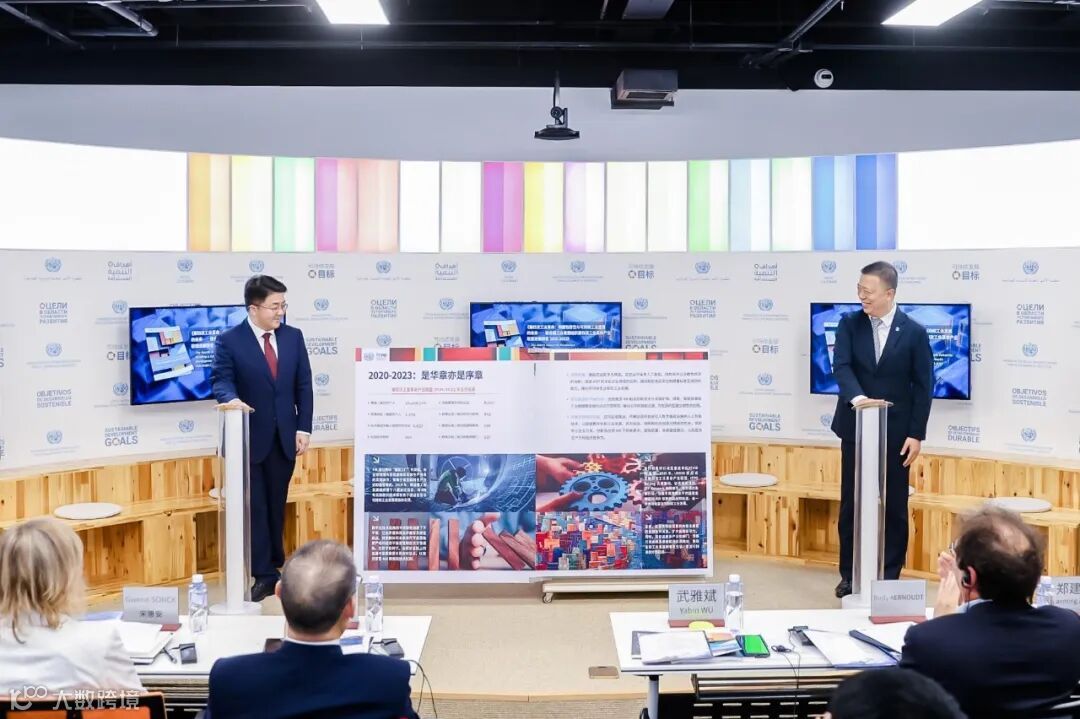 In the report release section, Professor Wu and District Chief Jiang jointly released the report The Fourth Industrial Revolution: Building a Future of Inclusive and Sustainable Industrial Development — Progress Report of UNIDO Fourth Industrial Revolution Industry Alliance 2020-2023. The report summarizes the trends of 4IR and digital transformation, reviews the development process and related activities of the alliance in the past three years, and showcases the outstanding achievements of alliance members in important tracks of 4IR such as smart agriculture and food, smart production manufacturing, smart energy, and smart circular economy, conveying its goal and determination to “further expand international influence in the future, penetrate more industrial sectors, and promote global industry towards a more inclusive and sustainable direction”.
<<Swipe to view more pics>>
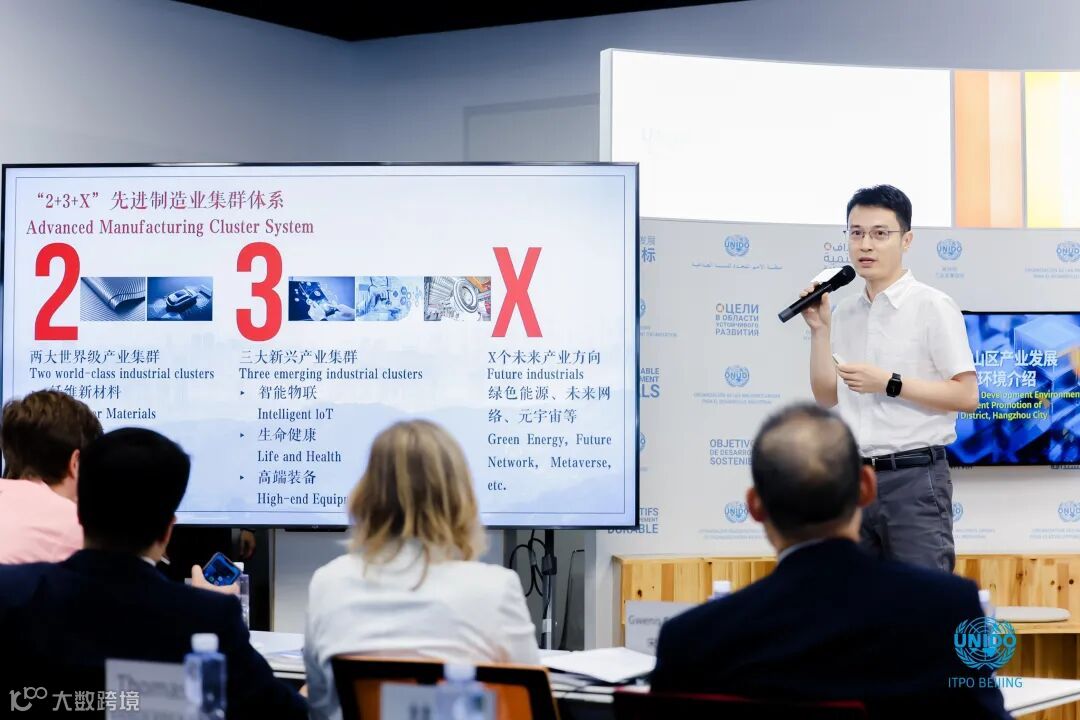
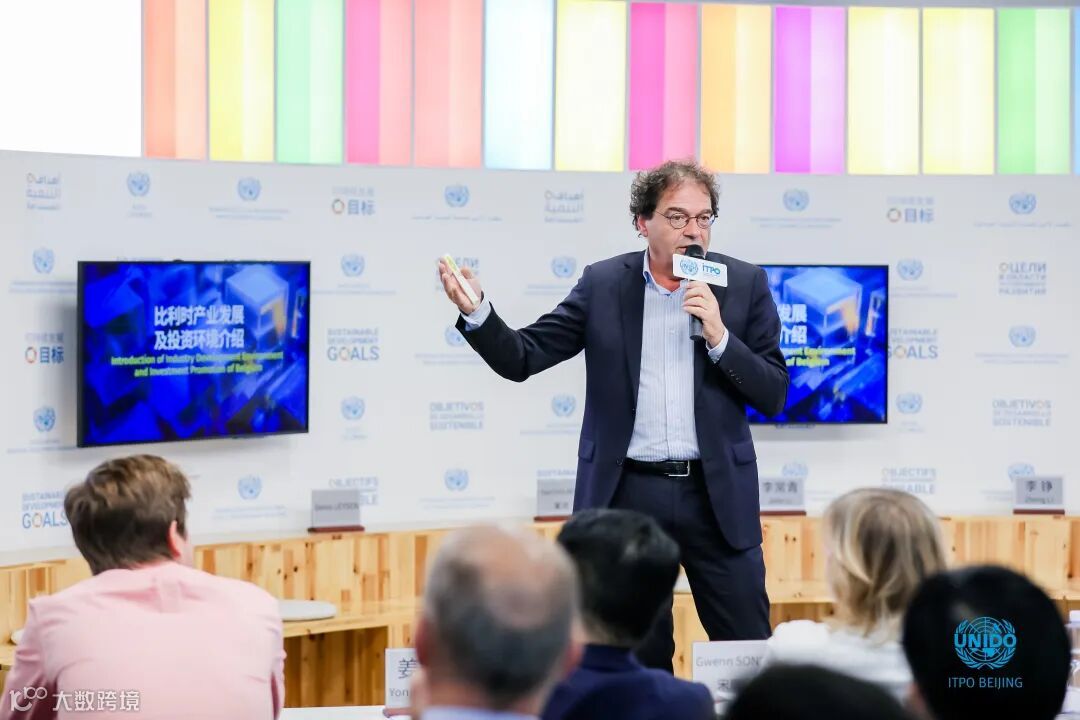
In the introduction and recommendation of the China-Belgium investment environment and industrial cooperation opportunity list, Prof. Rudy Aernoudt, EU economist, Professor of Ghent University, Chong Zhang, Deputy Director of Investment Promotion Bureau of Xiaoshan District, Hangzhou City, and Jie Zheng, Deputy Director of the Investment Promotion Center of Licheng District, Jinan City, respectively introduced the industrial development and investment environment of Belgium, Xiaoshan District of Hangzhou, and Licheng District of Jinan.
In the report release section, Professor Wu and District Chief Jiang jointly released the report The Fourth Industrial Revolution: Building a Future of Inclusive and Sustainable Industrial Development — Progress Report of UNIDO Fourth Industrial Revolution Industry Alliance 2020-2023. The report summarizes the trends of 4IR and digital transformation, reviews the development process and related activities of the alliance in the past three years, and showcases the outstanding achievements of alliance members in important tracks of 4IR such as smart agriculture and food, smart production manufacturing, smart energy, and smart circular economy, conveying its goal and determination to “further expand international influence in the future, penetrate more industrial sectors, and promote global industry towards a more inclusive and sustainable direction”.
<<Swipe to view more pics>>
In the introduction and recommendation of the China-Belgium investment environment and industrial cooperation opportunity list, Prof. Rudy Aernoudt, EU economist, Professor of Ghent University, Chong Zhang, Deputy Director of Investment Promotion Bureau of Xiaoshan District, Hangzhou City, and Jie Zheng, Deputy Director of the Investment Promotion Center of Licheng District, Jinan City, respectively introduced the industrial development and investment environment of Belgium, Xiaoshan District of Hangzhou, and Licheng District of Jinan.
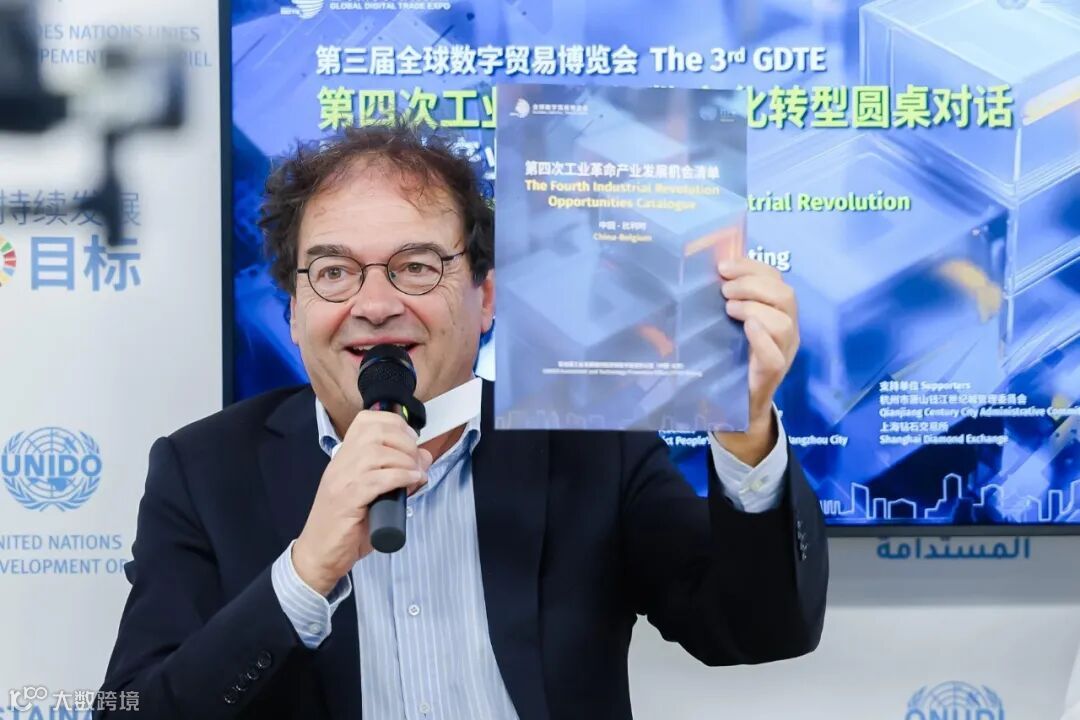
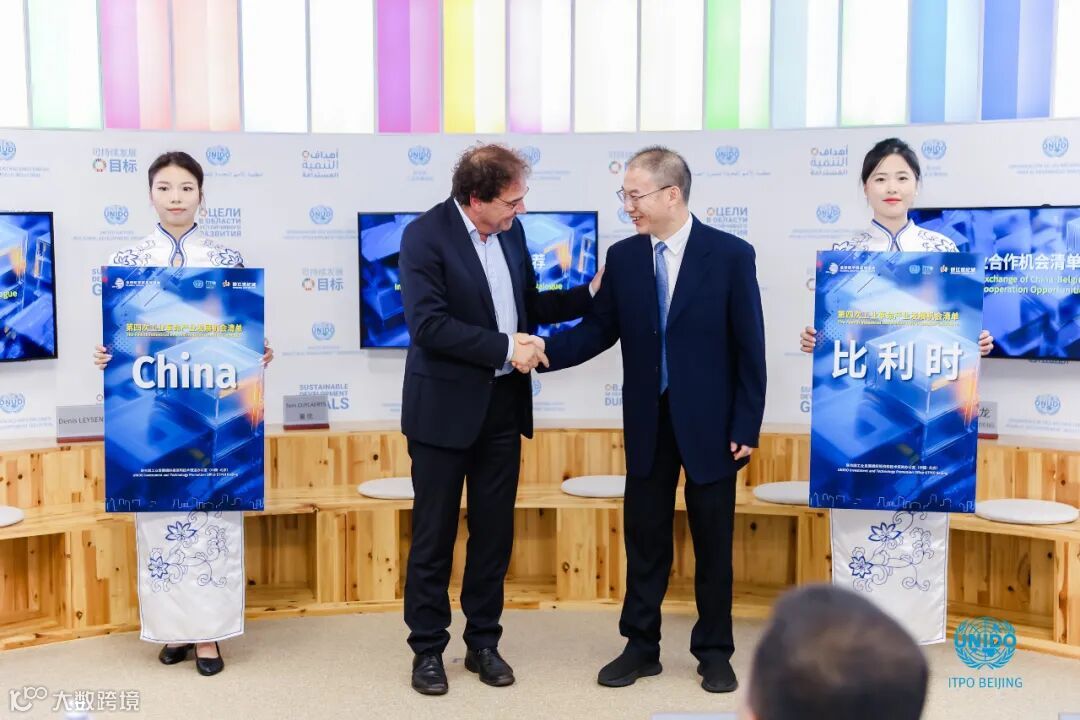 Chief Economist Zhu and Professor Aernoudt exchanged The Fourth Industrial Revolution Opportunities Catalogue (China-Belgium). It is reported that this Opportunities Catalogue was collected for one month, and after screening, 26 representative projects from fields such as artificial intelligence, advanced manufacturing, and clean energy were selected to participate, aiming to further promote practical economic and trade cooperation between China and Belgium under the background of the Fourth Industrial Revolution.
Roundtable I: Enhancing International Cooperation on Capacity-building of Artificial Intelligence (AI)
Chief Economist Zhu and Professor Aernoudt exchanged The Fourth Industrial Revolution Opportunities Catalogue (China-Belgium). It is reported that this Opportunities Catalogue was collected for one month, and after screening, 26 representative projects from fields such as artificial intelligence, advanced manufacturing, and clean energy were selected to participate, aiming to further promote practical economic and trade cooperation between China and Belgium under the background of the Fourth Industrial Revolution.
Roundtable I: Enhancing International Cooperation on Capacity-building of Artificial Intelligence (AI)
The 78th session of UN General Assembly unanimously adopted the resolution, proposed by China and co-sponsored by over 140 countries, on strengthening international cooperation in the capacity building of (AI). This dialogue segment focuses on how countries, especially developing countries, can benefit equally from the development of artificial intelligence, bridge the digital divide, and improve global artificial intelligence governance.
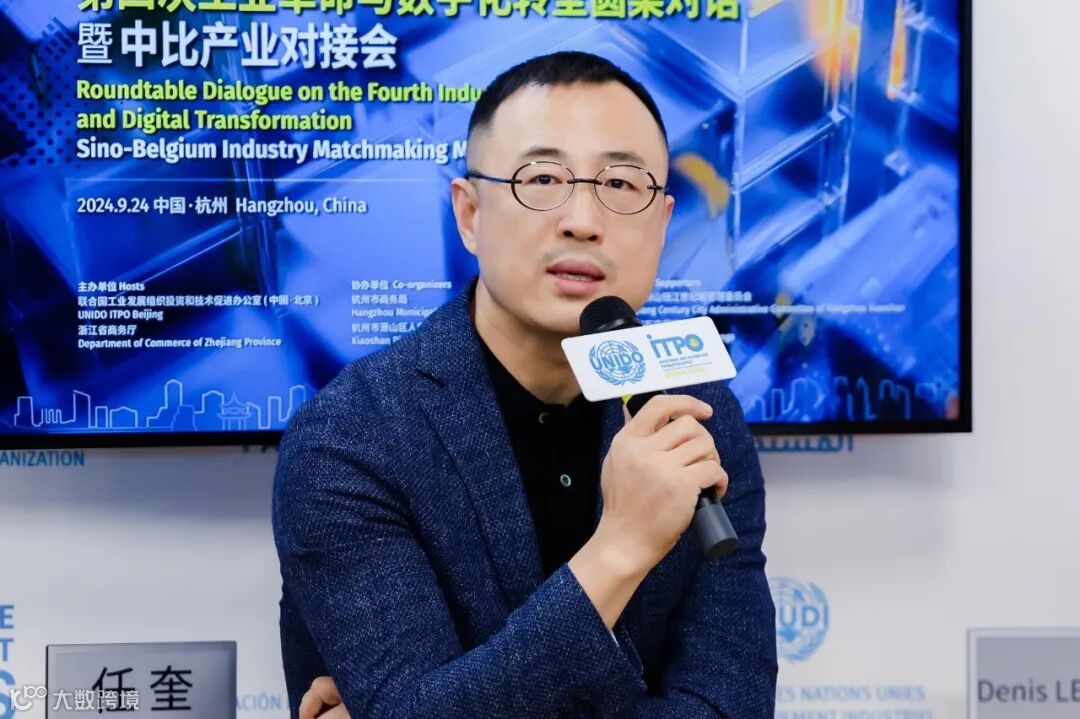
Dr. Kui Ren, Dean of College of Computer Science and Technology, Zhejiang University, stated that the cross-disciplinary integration and development of various disciplines have achieved initial results, but AI also has certain risks. Facing AIGC, it is most important to label the content generated by AI in order to correctly and reasonably play its restraining role.
Denis Leysen, Family Board member at Xylos, Founder of noah.AI, Representative of Ahlers Logistics Enterprise, proposed that accountability should be strengthened in the governance process of AI, and moral bottom lines should be adhered to. At the same time, he expressed expectations for China’s improvement in energy efficiency. Currently, many Chinese enterprises rely on computing power to compete, which is a transformation and progress.
Tom Cuylaerts, Founder of Edge.be, stated that the global AI competition is mainly between China and the United States, and Europe is not considered a major participant. This situation reflects that Europe is more inclined to play the role of a regulator rather than an innovator, and its focus has been more on laws and regulations in the past. It should actively create an ecological environment conducive to innovation and development.
John Li, General Manager of Global Government Dept, Zhejiang Dahua Technology, emphasized that Dahua has upgraded its Dahua Think#2.0 strategy, continues to focus on cities and enterprises as two core businesses, firmly adheres to the two major technical strategies of AloT and the Internet of Things Smart Data Platform, releases industry models, fully activates the value of data elements centered on video, and serves social public security and people’s welfare.
Zheng Li, Business Development Manager of GRC, Rockwell Automation, mentioned that AI is an indispensable foundation for promoting the digital transformation of Industry 4.0, but there is still a gap between safe and secure use. We need to promote AI to be more refined and sustainable in the field of manufacturing, so as to solve the "last mile" problem.
Chunlong Deng, General Manager of R&D Centre of GYMD Digital Technology, stated that AI should be better understood as “artificial + intelligence”, with people assisting and verifying intelligence. Achieving depth in the industrial track and refining models and algorithms in the consumer service field to achieve the long-term goal of intelligent replacement of artificial, making AI a powerful tool to trigger change.
Dr. Yineng Xiao, Research Fellow of Advanced Institute of Information Technology at Peking University, Youth Professor of The Global Intellectual Property Institute at Nanjing University, proposed that the global community needs to pay attention to the development of safe and controllable emerging technologies, guide technology towards goodness and intelligence towards goodness, and build a people-oriented, safe, and sustainable development model that complies with the interests of all mankind, looking forward to more international cooperation between China and Belgium.
Roundtable II: Harnessing Digital Trade for a Sustainable Future
UNIDO is actively advocating and promoting the twin green & digital transitions. China is working with countries around the world to help achieve ISID by strengthening digital infrastructure, expanding impact investment, and promoting industrial transformation and green development.
Dr. Bin Yu, Dean of the Future Technology Research Institute, Zhejiang University of Technology, stated that despite economic downturns and complex international situations, maintaining confidence is crucial. Improving the openness of the digital economy, promoting reforms, and enhancing the business environment are necessary steps. Additionally, it is vital to refine the global economic governance system and reconstruct a free, equitable, and efficient multilateral trade mechanism suited for the post-WTO era.
Professor Rudy Aernoudt noted that digitalization has transformed the rules of global trade, yet the development of the digital economy and technologies must remain people-centered. He emphasized that in light of today’s numerous global challenges, economic resilience surpasses profit in importance.
Gwenn Sonck, Executive Director of the EU-China Trade Association, Executive Director of the Flanders Chinese Chamber of Commerce, viewed digital trade as a modern Silk Road. The EU-China Trade Association will continue to assist companies on both sides in reaching the global stage, actively integrating into the digital economy, and contributing to the shared prosperity of global digital trade.
Yuan Ren, Vice President of Public Affairs Department, Alibaba-Taobao & Tmall Group, stated that there should be a greater focus on exploring new consumer scenarios. Digital technology has significantly enhanced transaction efficiency and volume. Alibaba’s original vision, which emphasized digitalization and collaboration, aligns with the SDGs promoted by the United Nations.
Ann Chang, Chief of Staff of PingPong, stated that digital trade presents a significant market opportunity by uniquely aligning the supply chain with the long-tail market, thereby facilitating global operations and sales. PingPong aims to support Chinese enterprises in achieving both comprehensive globalization and high-quality localization through cross-border payments.
This event was co-hosted by UNIDO ITPO Beijing and the Department of Commerce of Zhejiang Province, co-organized by the Hangzhou Municipal Bureau of Commerce and the Xiaoshan District People’s Government of Hangzhou City, and supported by the Qianjiang Century City Administrative Committee of Hangzhou Xiaoshan and the Shanghai Diamond Exchange.
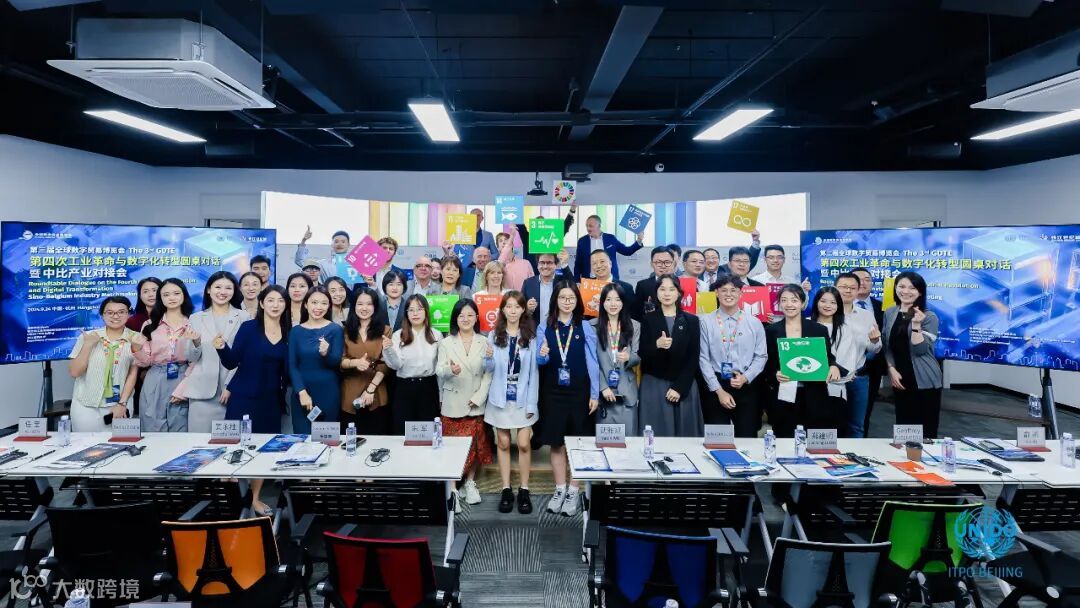
The UNIDO Fourth Industrial Revolution Accelerator (Hangzhou) is the first Fourth Industrial Revolution Industry Accelerator of the UNIDO globally. As a key project, it was signed at the second Digital Trade Conference and officially inaugurated and started operation in April this year. It aims to foster an innovative pilot ecosystem that enhances capabilities and accelerates investment growth (SCALE-UP). In the future, the Accelerator will continue to focus on advanced digital manufacturing technologies in the Fourth Industrial Revolution, especially global digital trade innovation driven by artificial intelligence, and accelerate the digital transformation and green transformation of traditional industries. At the same time, ITPO Beijing will also promote global digital innovation through strengthening international cooperation and resource integration, based on the Fourth Industrial Revolution Industry Alliance, the Fourth Industrial Revolution Accelerator (Hangzhou), and other means, to help achieve inclusive and sustainable industrial development (ISID), and actively help achieve the United Nations’ 2030 sustainable development goals.