


中国积极推动全球生物多样性治理
2024年国际生物多样性日主题为“加入自然行动”,中国发布国家保护战略与行动计划
The theme of this year's International Day for Biological Diversity (IDB), observed on May 22, is "Be Part of the Plan." IDB 2024 calls on all stakeholders to halt and reverse the loss of biodiversity by supporting the implementation of the Kunming-Montreal Global Biodiversity Framework, also referred to as the Biodiversity Plan.
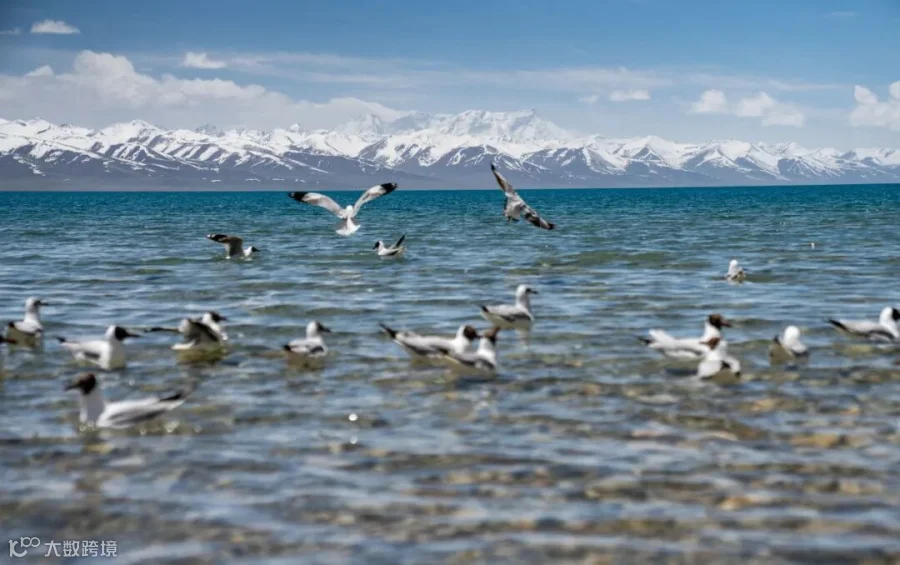
▲ Brown-headed gulls are pictured at the Lake Namtso in southwest China's Xizang Autonomous Region, May 19, 2024. (PHOTO: XINHUA)
For this year's IDB, China's Ministry of Ecology and Environment (MEE) and the Hainan provincial government will jointly organize a series of activities. Representatives from state departments, parties to the Convention on Biological Diversity, the EU, UN agencies, and other international organizations are expected to participate, according to an MEE press conference.
China has long prioritized biodiversity conservation. In early 2024, the MEE released the China National Biodiversity Conservation Strategy and Action Plan (2023–2030), aimed at advancing the implementation of the Kunming-Montreal Global Biodiversity Framework and strengthening global biodiversity governance. The plan has been formally submitted to the Secretariat of the Convention on Biological Diversity in Montreal, Canada.
China was among the first countries to sign the Convention on Biological Diversity in June 1992, underscoring its early commitment to global ecological preservation. Since then, the government has issued over 40 policy documents related to ecological civilization and enacted or revised more than 30 laws and regulations covering environmental protection, wildlife conservation, and marine ecosystems.
The new action plan sets a target to restore at least 30% of degraded terrestrial, inland water, coastal, and marine ecosystems by 2030.
These efforts have yielded significant outcomes. China has established 11,800 protected areas of various types and levels, safeguarding 90% of vegetation and terrestrial ecosystem types, 65% of higher plant communities, and 85% of key protected wildlife populations.
A national guideline has also been issued to strengthen law enforcement, ecological restoration, and protection, ensuring that the ecological red line covers no less than 3.15 million square kilometers.