


中国实现碳达峰碳中和需科技引领
多位专家建言加快科技创新,推动能源革命与绿色转型
Achieving carbon peaking and carbon neutrality is an inevitable requirement for building China's ecological civilization and high-quality development, according to Wang Zhigang, the Minister of Science and Technology.
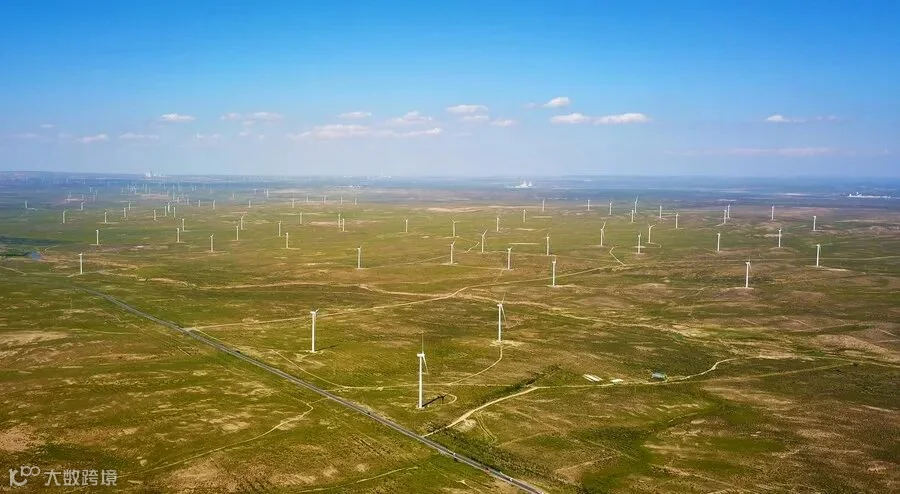
▲ Aerial photo taken on Aug. 24, 2018 shows the Taiyangshan wind power station in the city of Wuzhong, northwest China's Ningxia Hui Autonomous Region. (PHOTO: XINHUA)
At a recent conference themed "Key Technical Issues and Engineering Paths to Carbon Peaking and Carbon Neutrality," Wang emphasized that addressing carbon emissions reflects China’s responsibility in building a community with a shared future for humanity. He stressed the urgency of establishing a robust scientific and technological innovation support system to achieve these goals.
Wang noted that carbon peaking and carbon neutrality will trigger a profound science and technology revolution, reshaping the economy, society, and environment—comparable in significance to the Third Industrial Revolution. It will also influence future development advantages, sustainable security, and the global geopolitical and economic landscape.
He highlighted the strong coupling between economic growth and carbon emissions in China, underscoring that achieving both sustainable development and carbon neutrality requires accelerating technological innovation. This includes building a recycling, zero-carbon society driven by non-fossil energy through integrated technology systems and coordinated industrial and regional optimization.
Li Xiaohong, President of the Chinese Academy of Engineering, described carbon peaking and carbon neutrality as a race for new technologies and markets. He called for accelerated research into advanced low-carbon technologies, broader application of pollution and carbon reduction solutions, and enhanced technological reserves in environmental protection.
Li emphasized that this is a complex, systemic project requiring coordinated use of policy, legal, economic, and administrative tools to create a favorable internal and external environment.

▲ PHOTO: VCG
Qiu Yong, President of Tsinghua University, said realizing the dual carbon goals requires leveraging engineering and technical expertise to drive green and low-carbon technological innovation, contributing to national strategic deployment and scientific advancement.
Du Xiangwan, Academician of the Chinese Academy of Engineering and Honorary Director of China's National Expert Committee on Climate Change, stated that the dual carbon targets are milestones in the energy revolution. They will promote energy efficiency, boost non-fossil energy development, reduce reliance on fossil fuels, and establish a new power system centered on renewable energy.
Du urged a renewed understanding of China’s energy endowment, noting that currently developed renewable resources account for less than one-tenth of technically recoverable reserves—indicating vast potential for low-carbon transition.
He stressed the need for top-level planning and a clear roadmap toward carbon neutrality, calling it a highly policy-driven, systematic, and scientific transformation. “We must act proactively yet prudently, avoiding one-size-fits-all approaches and preventing inefficient investments from ineffective transitions,” he added.
Studies indicate that China’s industry, electricity, transportation, and construction sectors are expected to peak in carbon emissions by 2030. Energy-related CO₂ emissions may peak around 2027, rising by approximately 500–700 million tons compared to 2020 levels.
Wang Zhigang proposed three recommendations for researchers:
- Conduct deeper strategic research to strengthen scientific decision-making.
- Promote technological innovation and engineering breakthroughs, focusing on key core technologies.
- Build talent pools and expand international cooperation.