

中国修订科技法激励科研创新
新法强化人才激励与权益保护,推动科技创新生态优化
By CHEN Chunyou
Fostering an innovative and professional workforce is crucial for national sci-tech innovation, something China is keenly aware of.
The Sci-tech Workers' Day on May 30 was formally incorporated into the revised Law on Progress of Science and Technology, underscoring its significance. This reflects China's people-centered development philosophy and strengthens the sense of pride among science and technology workers.
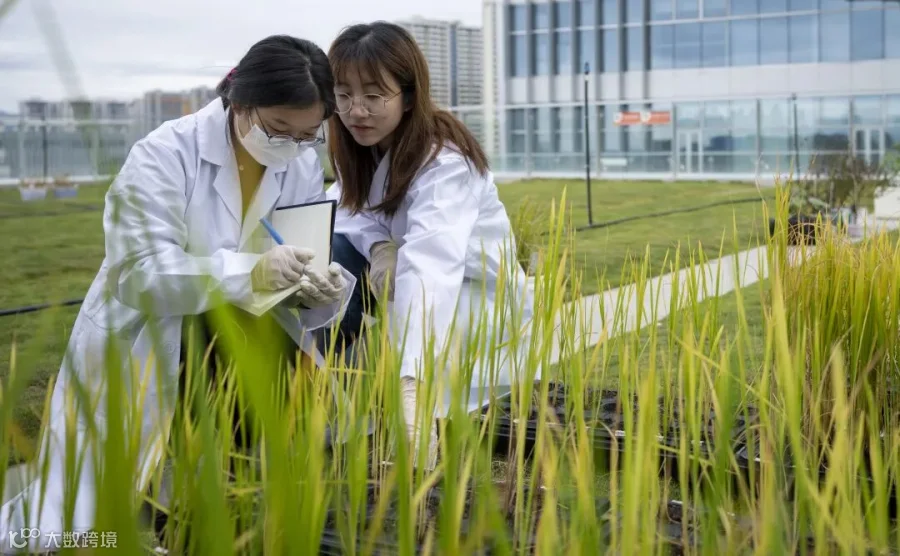
▲ Researchers carry out experiments at the Yazhou Bay Seed Laboratory in Hainan province. (PHOTO: VCG)
To encourage researchers to scale new scientific heights, the revised law introduces multiple supportive policies. Article 68 encourages free exploration and risk-taking in research and promotes an innovation-friendly environment that tolerates failure. Scientists engaged in high-risk, pioneering projects will not be held liable for failure if they can demonstrate due diligence and full performance of duties—providing greater space for creative exploration.
Article 64 aims to reduce administrative burdens by streamlining project applications, documentation, and expense reimbursement processes, allowing researchers more time to focus on core scientific work.
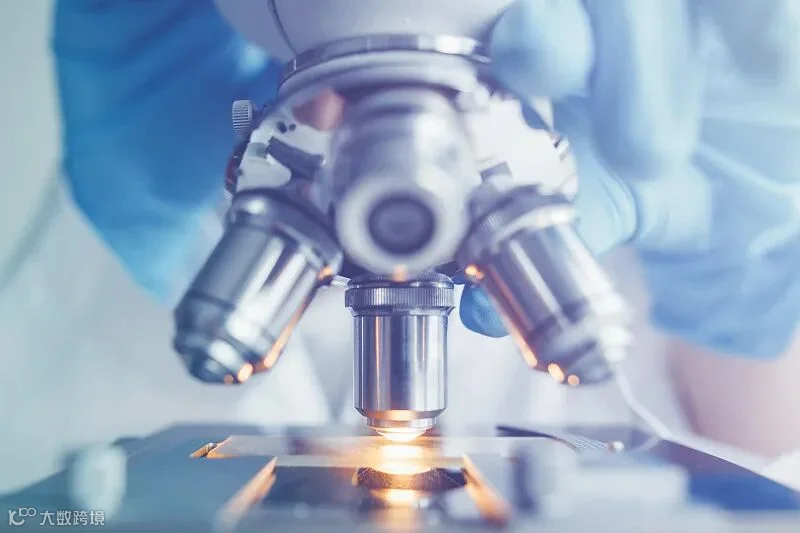
▲ PHOTO: VCG
The law emphasizes a robust reward mechanism to boost motivation. Article 60 urges research institutions, universities, and enterprises to implement incentive measures such as dividends, stock options, and equity rewards.
A protection and oversight mechanism is also established to safeguard talent. Article 57 prohibits unfair treatment of scientists and their achievements, while Article 109 mandates penalties for those who abuse power to suppress or harass scientific personnel.
Chen Baoming, vice director of the Scientific and Technological Talent Center at the Ministry of Science and Technology (MOST), emphasized that both incentives and rights protection are essential. The principle "the more you contribute, the more you gain" underpins the incentive system. He added that while organizational autonomy in research is respected, safeguards against injustice also serve as a necessary check on institutional power.
He Defang, deputy secretary-general at MOST, previously noted a shortage of strategic scientists and insufficient support for young researchers. In response, Article 66 designates the identification, cultivation, and utilization of young talent as key indicators for evaluating institutional scientific progress.
Data from the China Science and Technology Talent Development Report 2020 shows that during the 13th Five-Year Plan period (2016–2020), young researchers increasingly became the backbone of scientific research.
To enhance creativity, the law promotes a classified evaluation system. Article 63 calls for tailored assessments based on disciplinary differences and actual contributions. Since 2021, pilot reforms have been conducted in associations covering mathematics, physics, chemistry, computer science, and medicine. These organizations have developed their own Guidelines on Academic Evaluation Standards and Guidelines on the Code of Conduct for Research Activities, achieving initial success.
For instance, the Chinese Physical Society emphasized that academic evaluations should move beyond author ranking, adopting comprehensive criteria including novelty, peer reviews, publication quality, citation rates, and distinctions between theoretical, experimental, basic, and applied research.
Editor | SONG Ziyan
Supervisor | TIAN Xueke