

北京:中国人工智能发展的核心引擎
依托高校资源、政策支持与产业协同,北京加速推进AI技术创新与全球应用
By LIN Yuchen
Dubbed the "AI Capital of China," Beijing has emerged as a central hub in the nation's artificial intelligence revolution, hosting a growing number of AI companies, cutting-edge models, and unicorn startups.
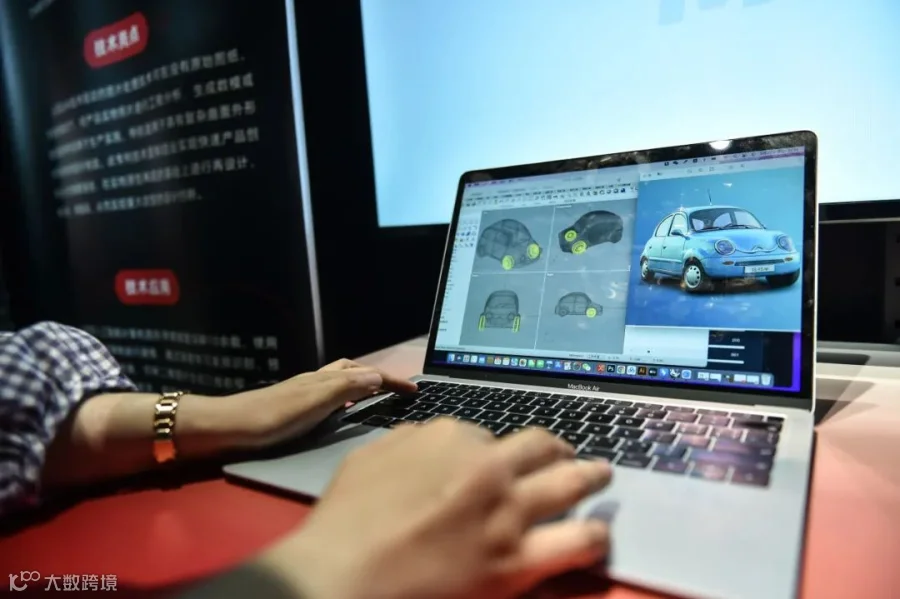
▲ A technology company personnel demonstrates "2D generation of 3D" using AI generative software. (PHOTO: XINHUA)
From China’s first trillion-parameter AI model to the world’s first general-purpose AI and optical training chip, Beijing continues to drive breakthroughs that shape the global AI landscape. This rapid advancement stems from strong collaboration among academia, industry, and government.
Similar to Silicon Valley’s ties with top universities, Beijing’s AI ecosystem benefits significantly from elite institutions such as Tsinghua University and Peking University. These universities not only cultivate high-level talent but also serve as incubators for technological innovation. As the Chinese city with the most higher education institutions, Beijing maintains a leading position in AI research and development.
Practical AI applications are transforming key sectors across the capital. Zhipu AI, for example, has developed deep learning models capable of solving complex tasks at unprecedented speed. In healthcare, Beijing launched China’s first AI-powered pediatric diagnostic system, now deployed in hospitals to enhance patient care. Meanwhile, AI-driven robotic systems for orthopedic surgery are gaining international recognition for their precision and potential to reshape medical practices.
Government policy has played a crucial role in fostering this growth. Supportive measures have led to the establishment of AI research centers and innovation parks throughout the city. To meet rising demand for computing power, Beijing has invested heavily in digital infrastructure. The Beijing Digital Economy Computing Power Center exemplifies this commitment, integrating advanced computing capabilities into urban systems and reinforcing the city’s vision of a digitally powered future.
Beijing’s influence extends beyond national borders. In Malaysia, it supported the creation of an AI industrial park. In Pakistan, a joint AI laboratory developed an agricultural monitoring tool leveraging computer vision and drone technology. The application helps local farmers track crop health, optimize resource use, and increase productivity—showcasing Beijing’s growing role in global AI cooperation.
Editor | SONG Ziyan
Supervisor| FANG Linlin