
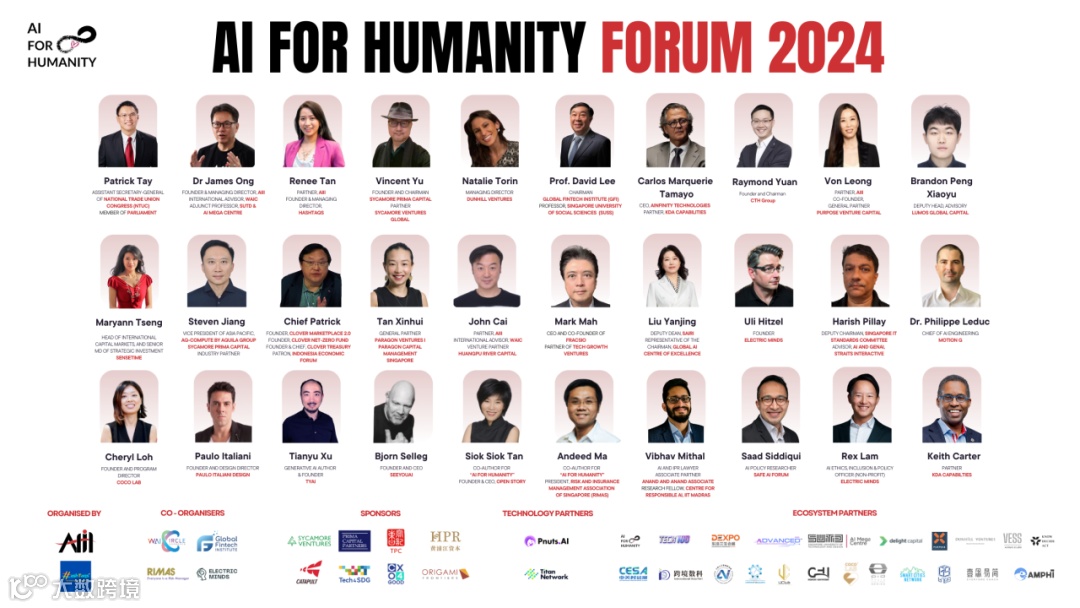
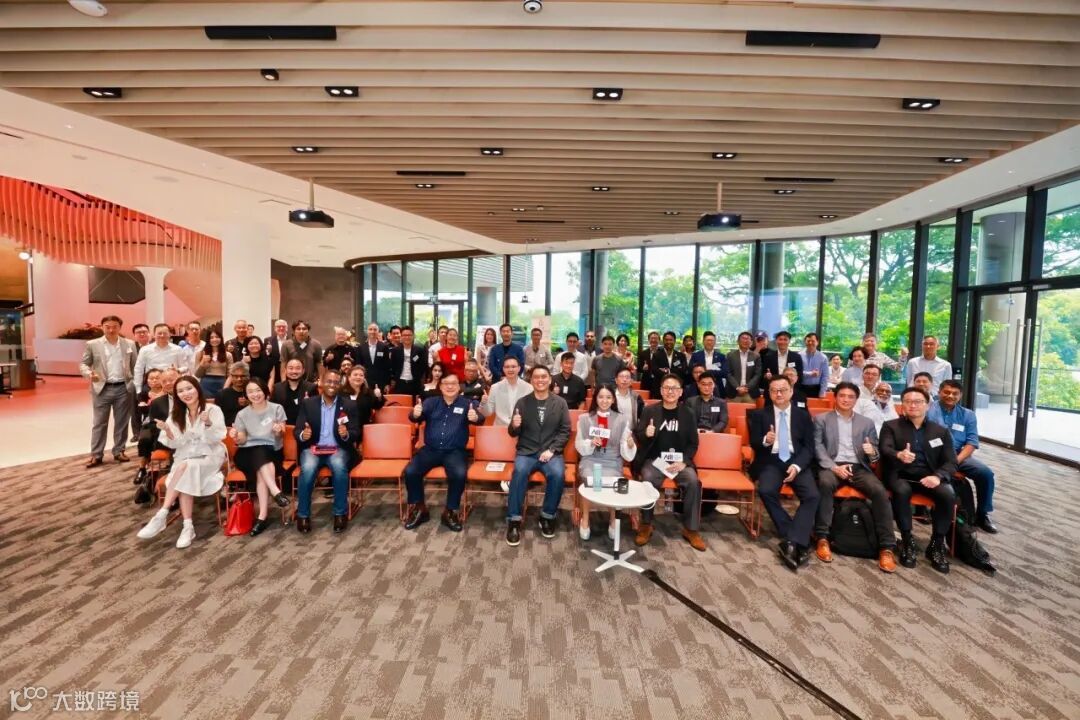
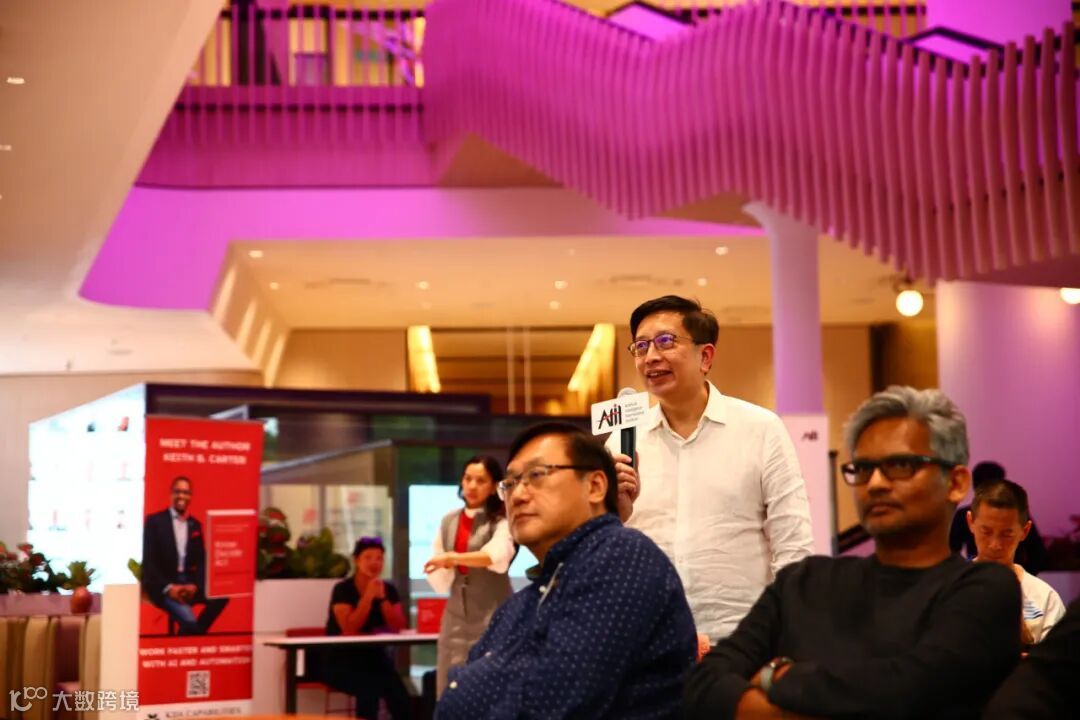
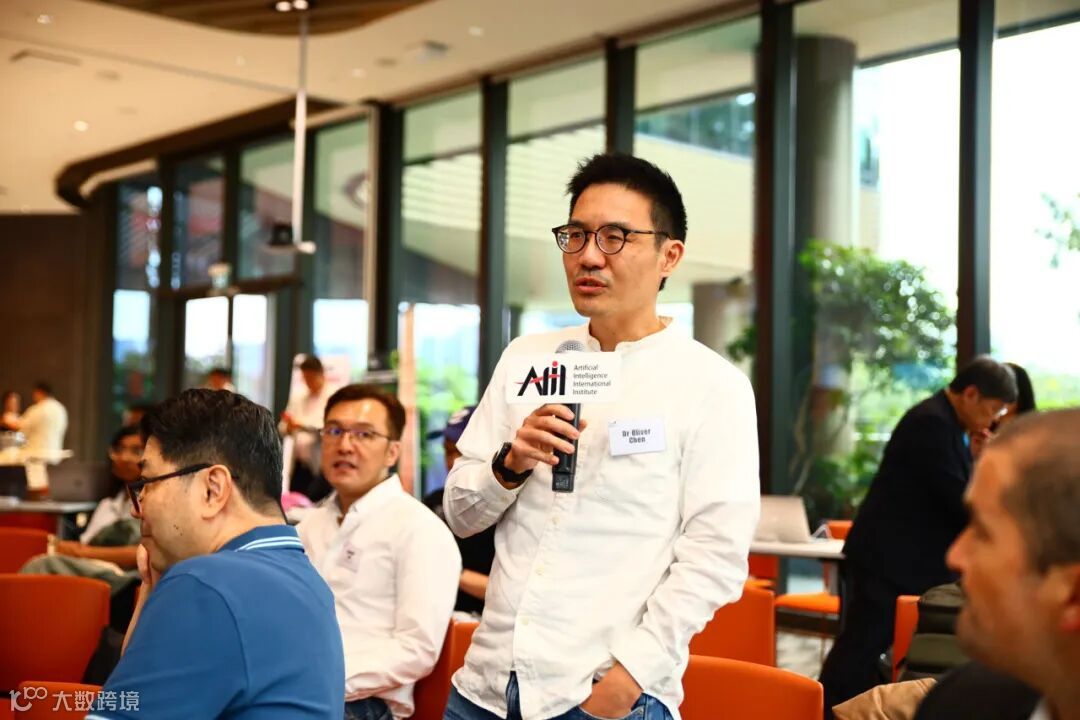
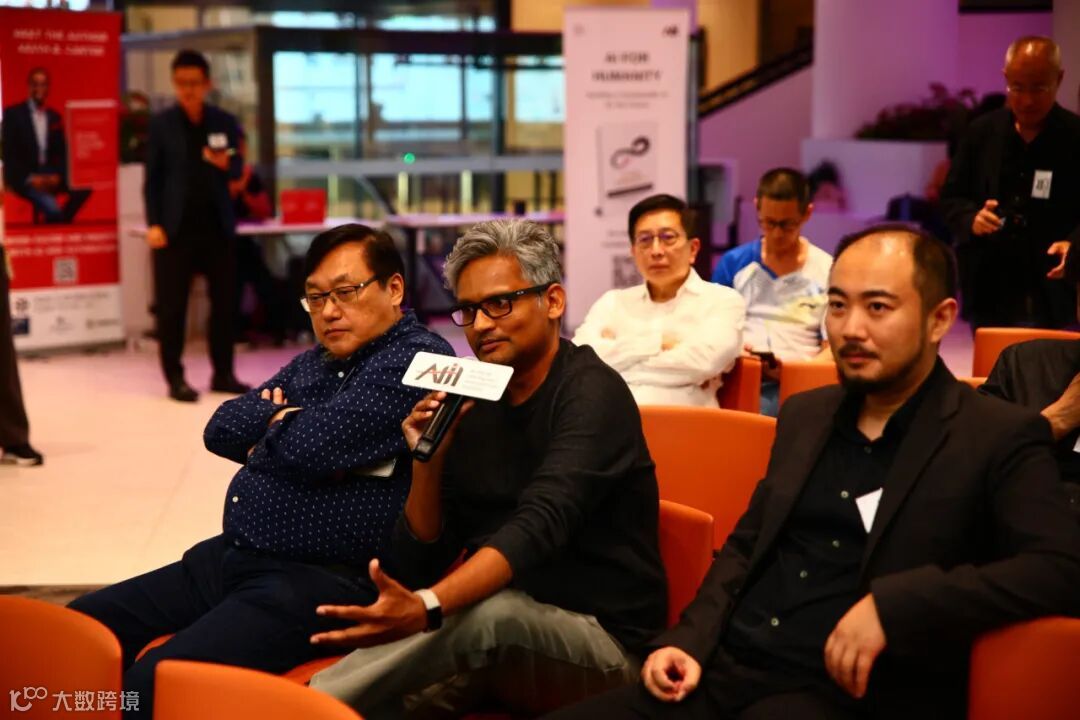
On December 12, 2024, the inaugural "AI for Humanity Forum" was successfully held at Catapult by CapitaLand in Singapore. This forum brought together nearly thirty keynote speakers and roundtable participants from a wide range of locations including Singapore, China, Hong Kong, Malaysia, Indonesia, India, Spain, the United States, the United Kingdom, Germany, Norway, Italy, and Brazil. The event attracted many enthusiastic supporters of the "AI for Humanity" concept who joined us on-site, and it received strong support from family offices, investment institutions, sponsors, technology partners, and ecosystem partners.
Three Breakthroughs with AI for Humanity
At this inaugural AI for Humanity Forum, we are happy to share that we have made major breakthroughs with our experiment. They include:
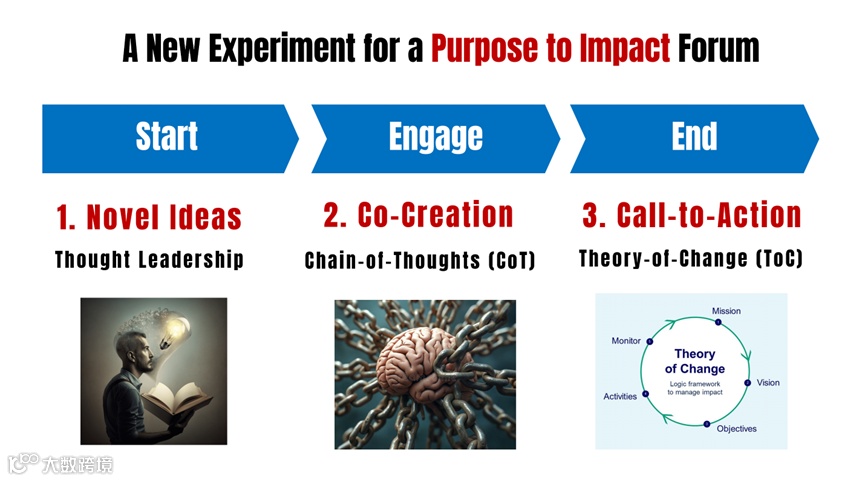
(1)New Programming Format to power “Purpose to Impact”
To curate an end-to-end whole day forum to serve the needs of Purpose to Impact based on the 3-steps process and experience from Novel ideas via Co-creation towards Call-to-Action.
As part of this 3-steps process and experience, we have invented a whole new methodology of content pipelining from Thought Leadership via Chain-of-Thoughts (CoT) to arrive at the Theory-of-Change (ToC).
(2) New Initiative for “AI for Consensus”
We have long recognized that shepherding all the ecosystem stakeholders with diverse background with different ideologies, language, culture, interest and priorities to communicate and collaborate with each other towards consensus is an up-hill task. Thus, it is an essential “AI for Humanity” initiative we should pursue by harnessing AI technologies to empower this.
It is also a necessary for the advocacy of the “AI for Humanity” movement itself.
As a result, we have launched a whole new “AI for Humanity” initiative called“AI for Consensus”to develop and use AI technologies to augment consensus building from the collective and connected intelligence of a community of humans.
(3) New Technology with AI + Web3
As an integrated part of the forum, we have implemented AI + Web3 technologies to empower the experiment of the new programming format with real-time language translation as well as content synthesis towards consensus with inputs from conversation, discussion and debate from all the human speakers and participants during the forum augmented by AI agents.
This is made possible and supposed by our technology partners, Pnuts.AI and Titan Network.
Pnuts.AI is an AI-powered DeHIN (Decentralised Humanity-first Intelligence Network) platform empowering decentralized communication and collaboration of humans and AI agents toward consensus.
Titan Network is a decentralized DePIN (Decentralised Physical Infrastructure Networks) platform harnessing a global network of computing and storage idle resources cost-effectively and sustainably.
Forum Opening
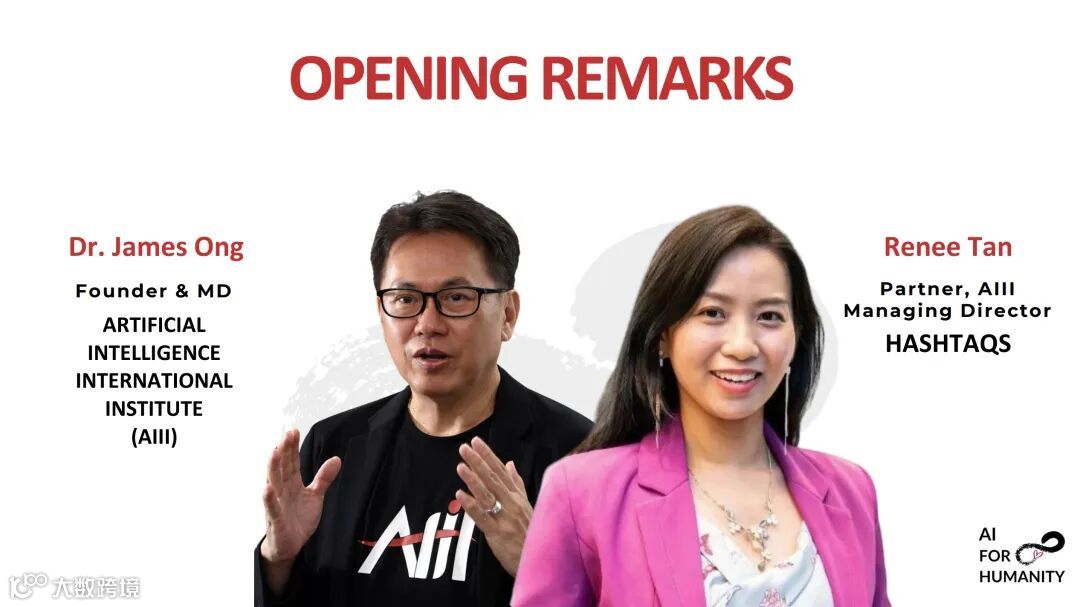
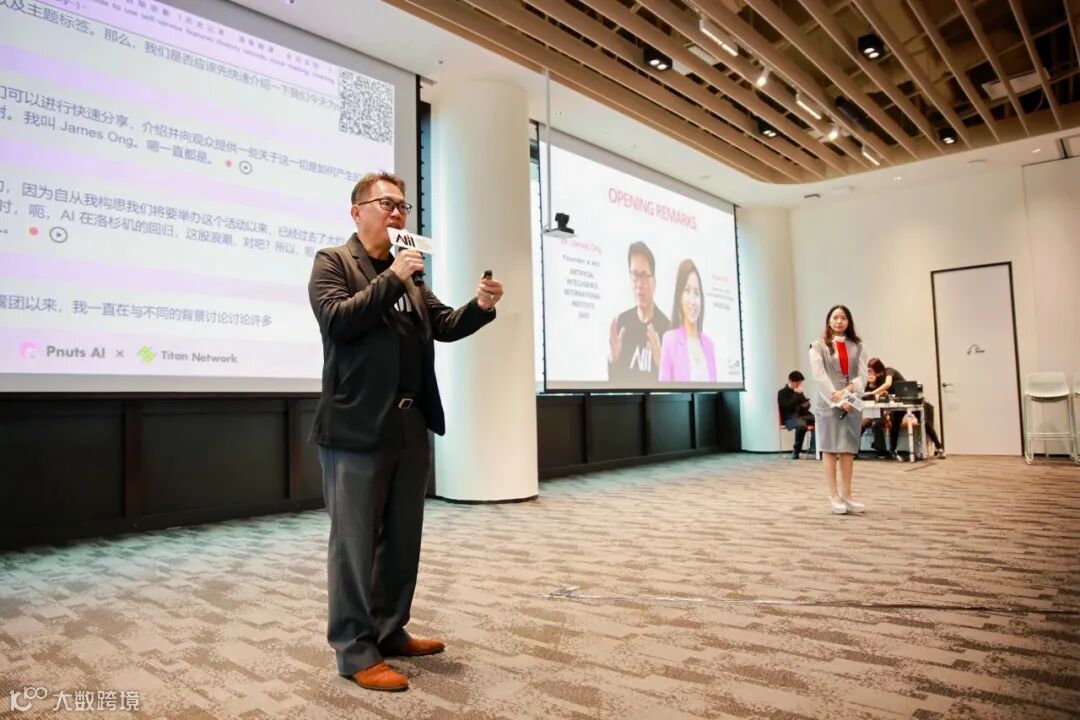
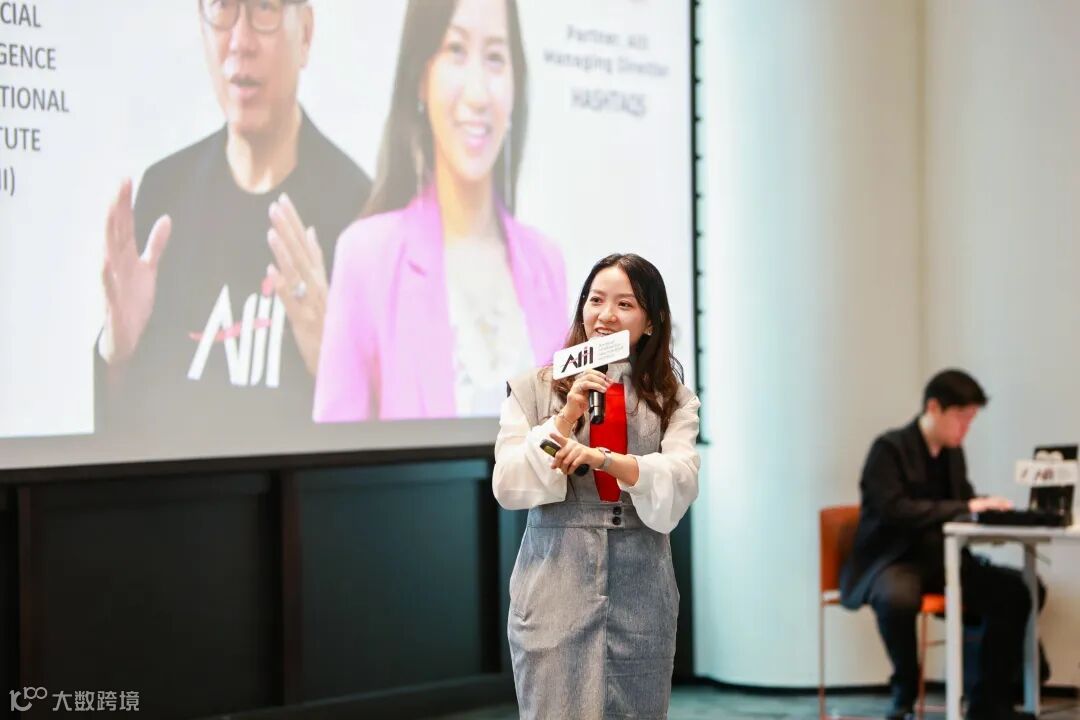
The forum was hosted by Dr. James Ong , founder of AIII and Renee Tan, founder of Hashtaqs. In the opening remarks, they reviewed the evolution of AI and introduced the background and original intentions behind organizing the "AI for Humanity Forum".
Dr. James Ong traced the development of AI since 1986, with his personal experience witnessing the ups and downs in the AI field. In his narrative, AI has experienced two winters and is currently in its third boom period, which brings both opportunities and unprecedented challenges. Based on his deep understanding of these opportunities and challenges, he established AIII (Artificial Intelligence International Institute) in 2017. Behind this decision was a deep concern about Asia's lack of voice in the global AI development landscape, as well as strategic thinking about establishing an AI development path with Asian characteristics.
Renee Tan also shared her reasons why she has been collaborating with James for many years at AIII since 2020 because they both share the common vision and values with three P of Passion, Purpose and Profits and three I of Innovations, Impact and Investment and firmly believe in the advocacy of AI for Humanity.
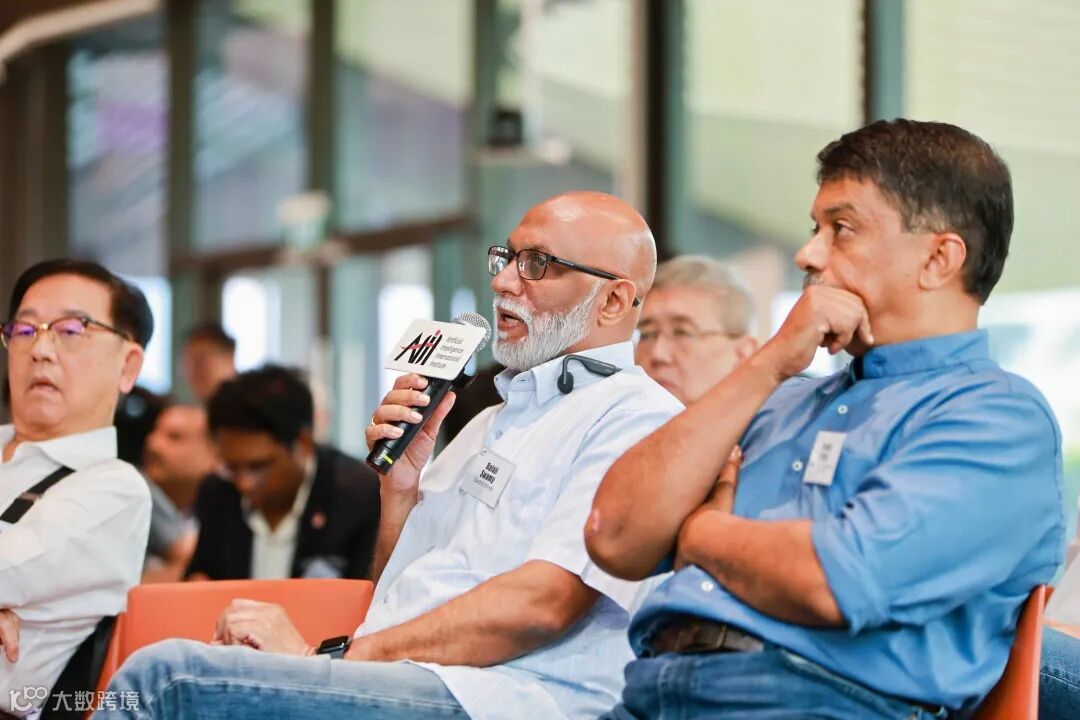
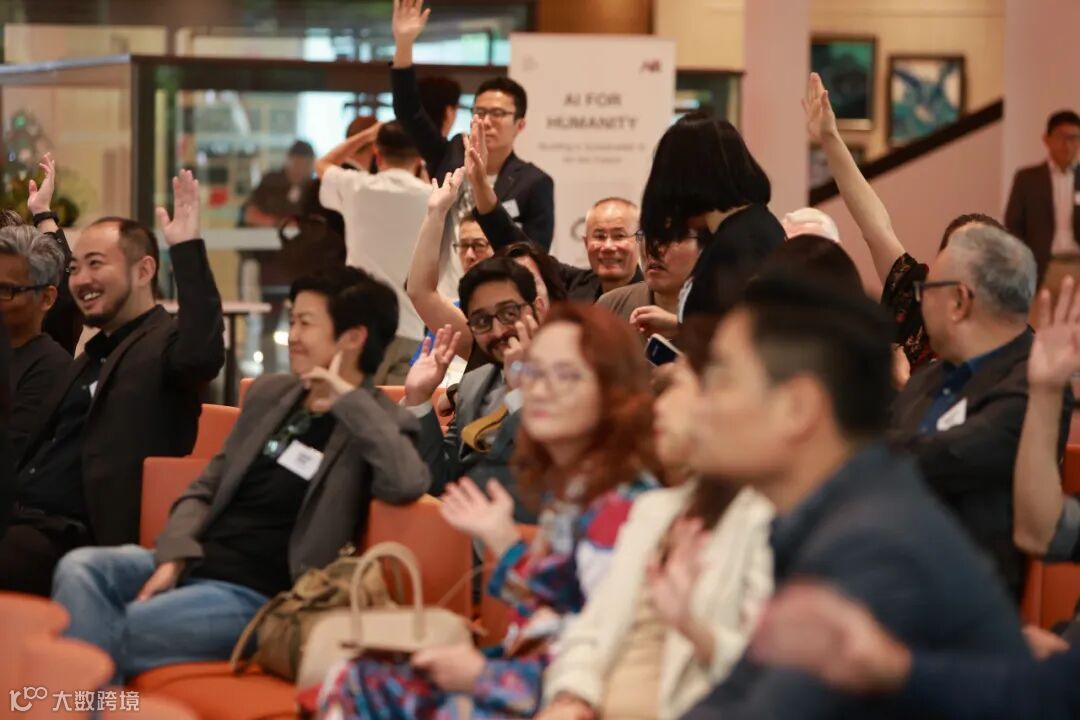
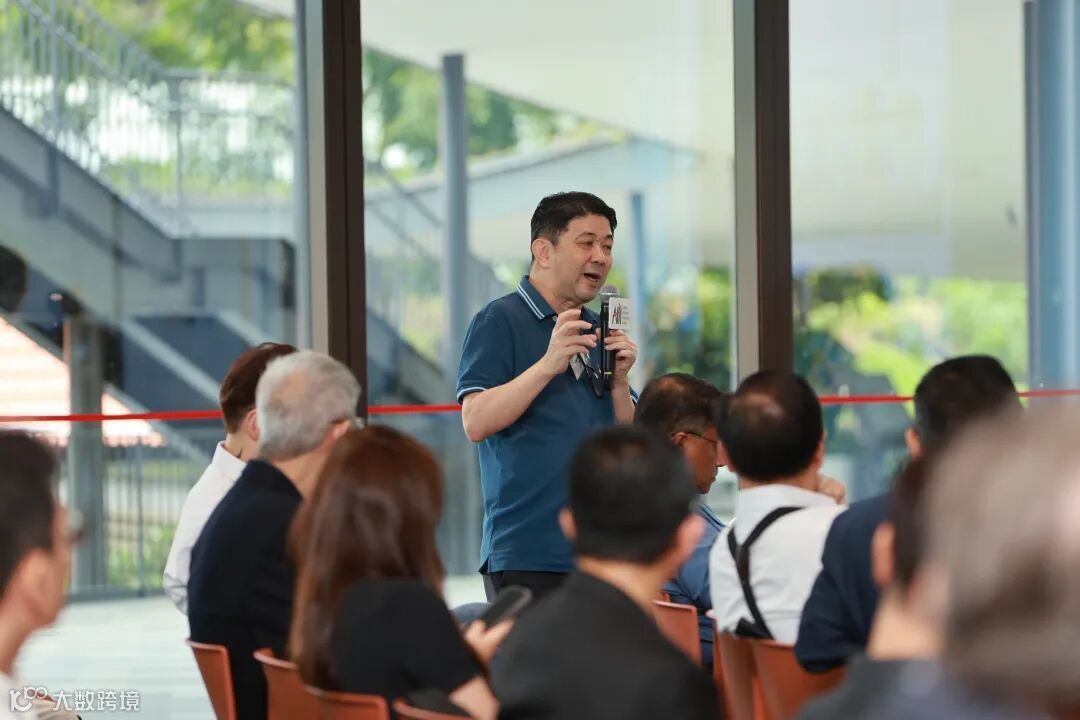
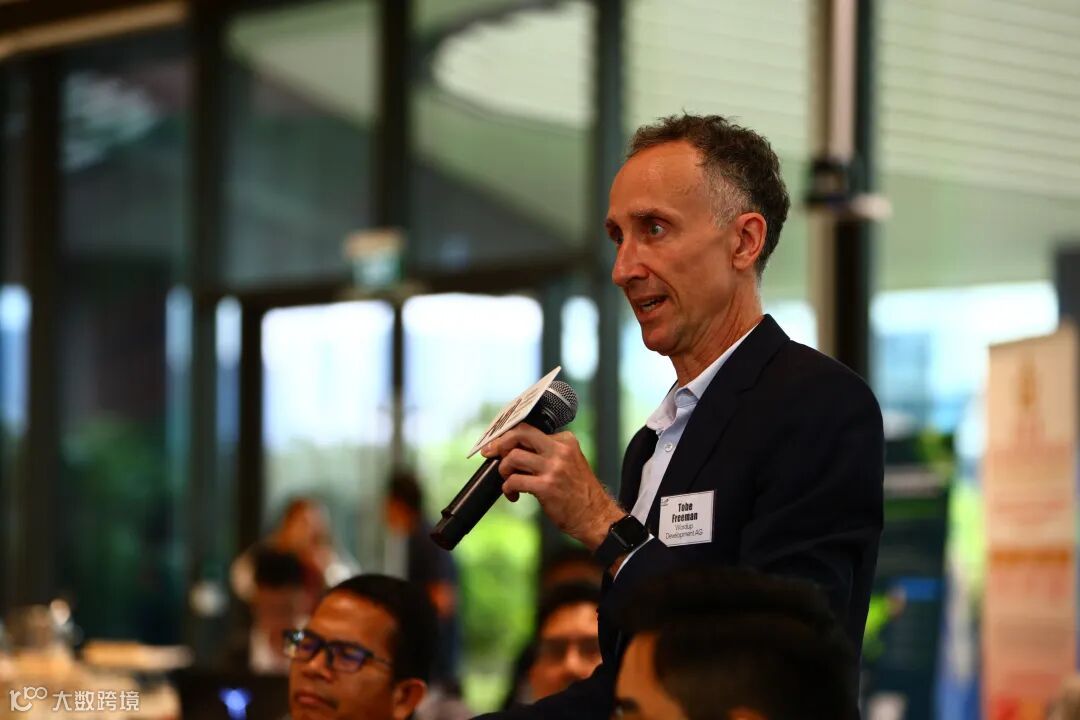
The forum brought together representatives from investment, technology, business, academia, and government sectors, ensuring comprehensive and deep discussions through this diverse participation. Participants not only shared insights from their respective fields but more importantly explored sustainable paths for AI development. Through cross-sector dialogue, the forum outlined a blueprint for Asia to seek greater voice and influence in global AI development.
Opening Remarks
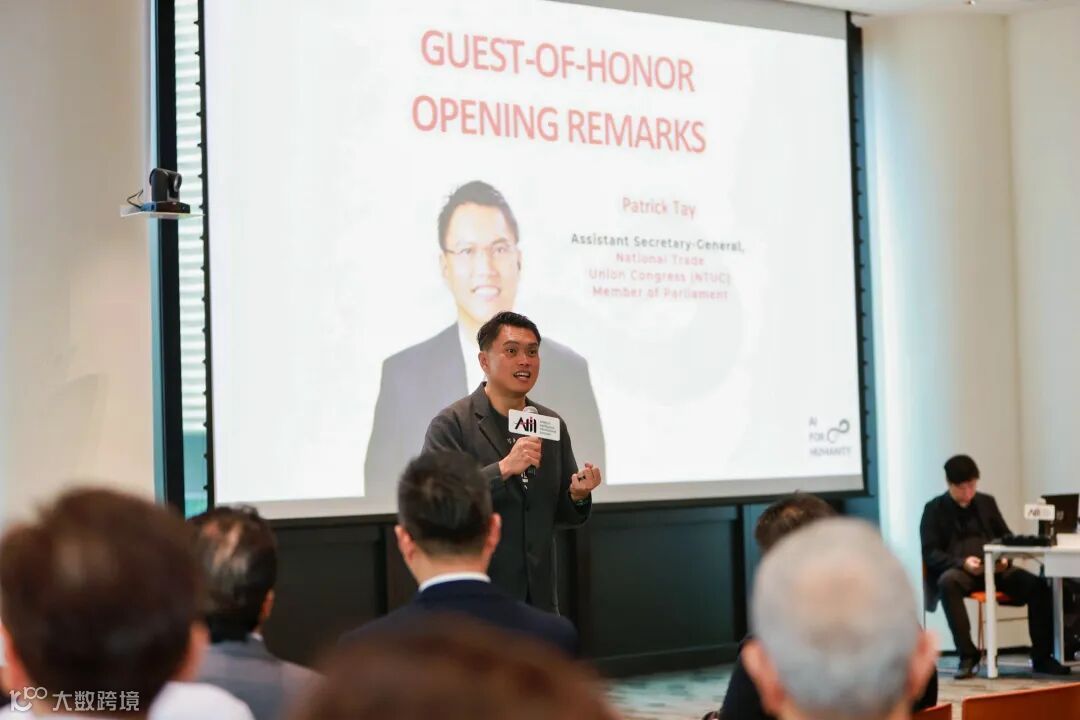
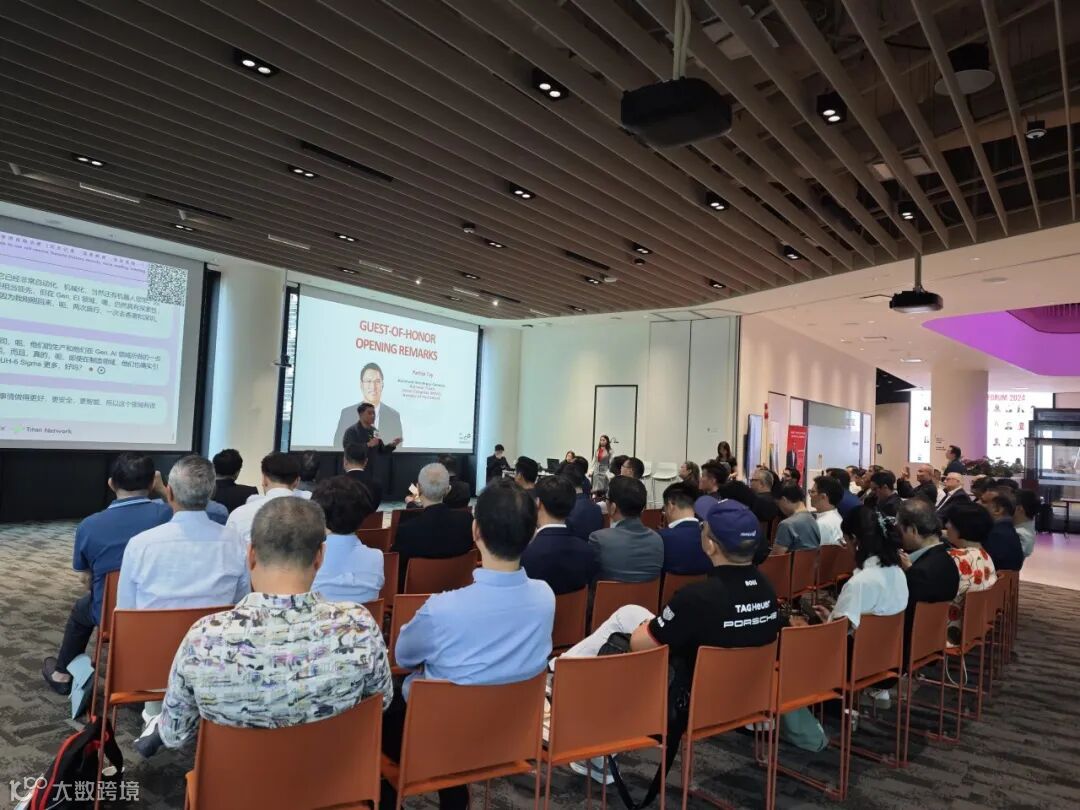
Mr. Patrick Tay, Member of Parliament in Singapore, delivered the opening address for the event. He shared Singapore's systematic research findings on AI's impact on the job market, pointing out that while certain jobs may disappear, overall, AI-created job opportunities will exceed the positions it replaces. This judgment is based on in-depth analysis of different industries, particularly emphasizing significant changes in modern services, ICT, professional services, and financial sectors. He also raised regulatory considerations regarding AI applications in areas such as human resources, emphasizing the importance of protection mechanisms and responsible development.
Session 1:
Purpose – Why AI for Humanity?
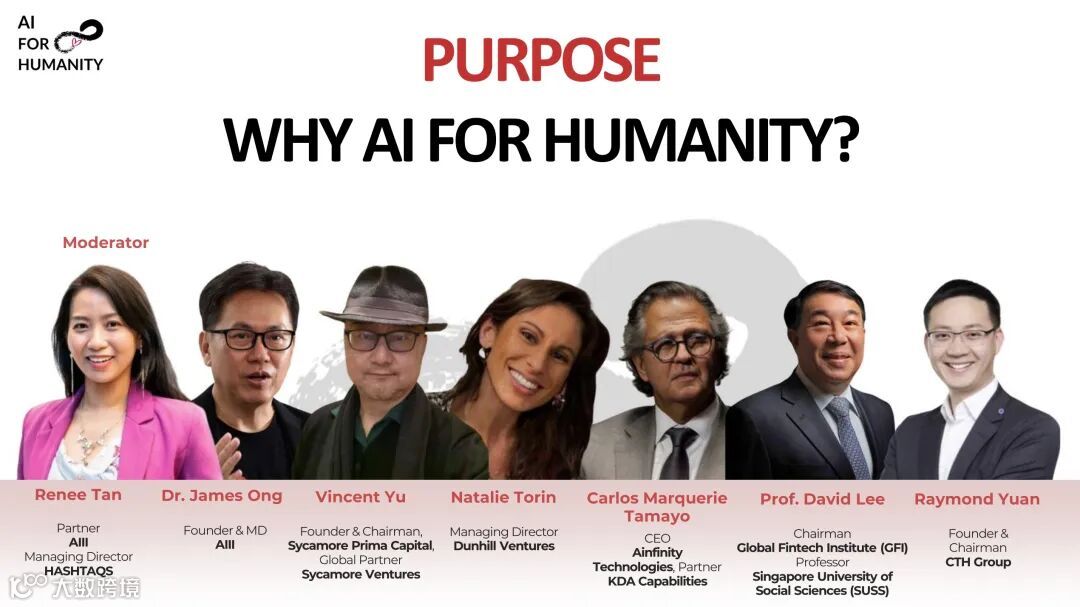
Raymond Yuan, as the first speaker, shared his innovative practices in AI and data storage, particularly his Atlantis project. He discussed the redefinition of the relationship between AI and humans, suggesting that humans need to adapt to AI technological advances and coexist through self-development. He also emphasized the importance of governance and proposed using blockchain technology to enhance AI transparency and data security.
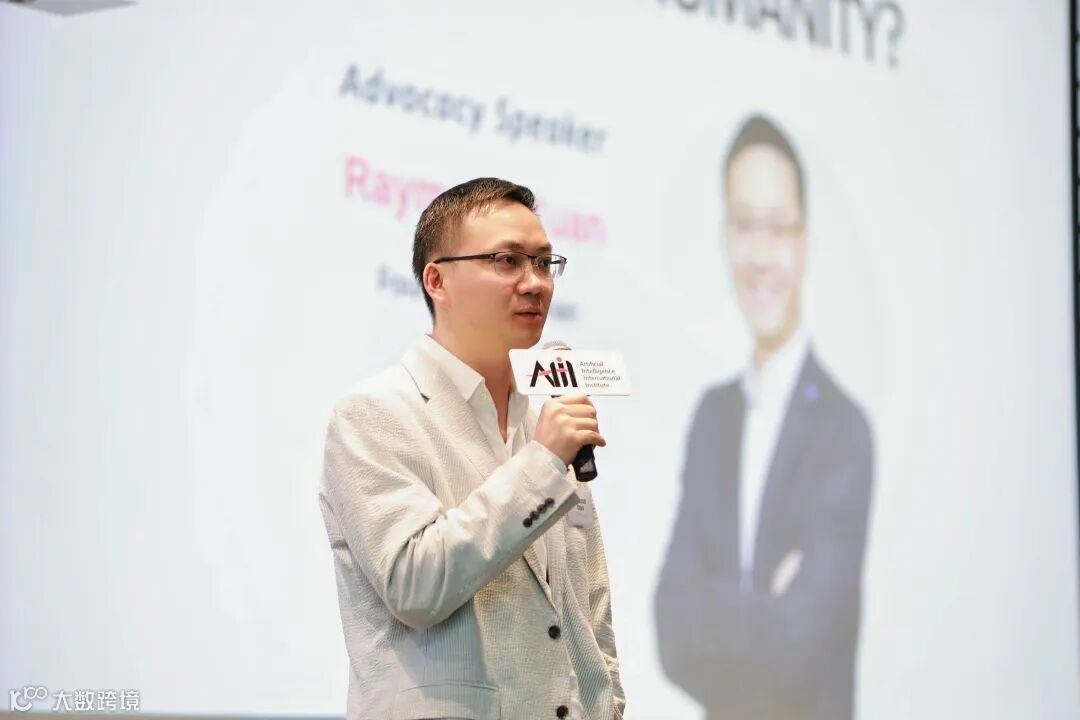
Advocacy Speaker:Raymond Yuan
Next, Carlos Marquerie Tamayo spoke via video about AI's potential and challenges in social domains such as healthcare and education. He mentioned that while AI can accelerate disease diagnosis and personalized learning, it might amplify inequalities if training data contains biases. He illustrated potential AI biases in the criminal justice system and called for enhanced transparency and inclusivity in AI development to ensure technology benefits everyone fairly.
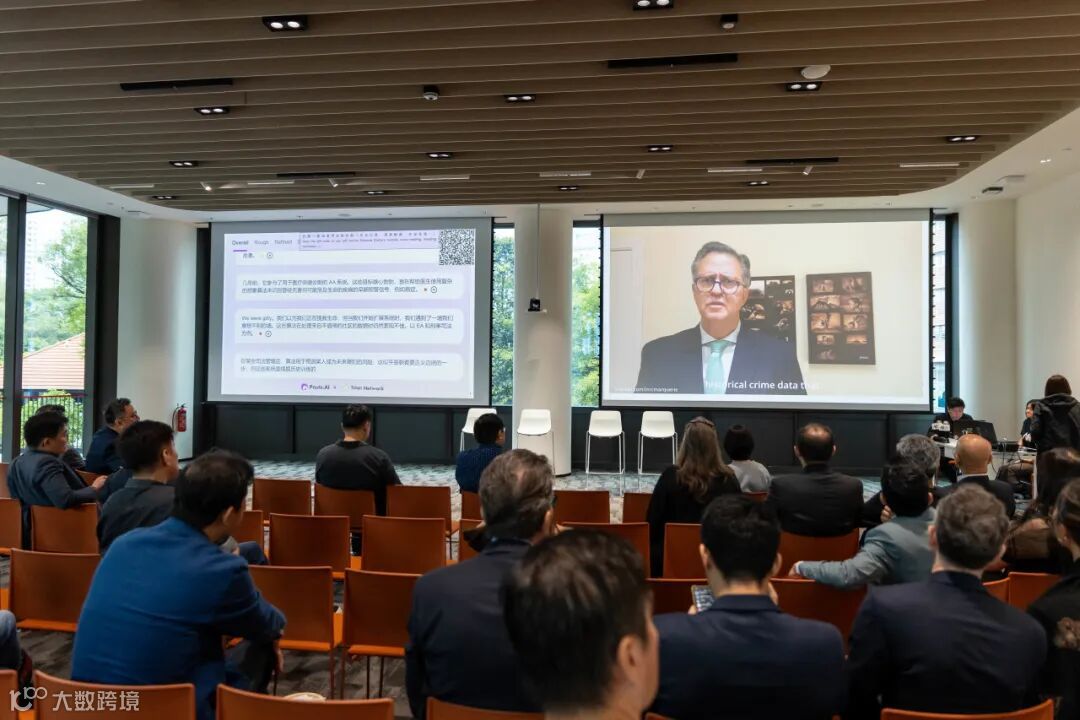
Advocacy Speaker:Carlos Marquerie Tamayo
Natalie Torin shared her views on AI's role in social mobility and educational opportunity creation through a recording. As Managing Director of Dunhill Ventures, she emphasized family offices' crucial role in driving AI transformation. Natalie believed that AI could not only expand existing businesses but also create unprecedented job opportunities, encouraging family offices to invest in companies that view AI as their core mission to promote sustainable social development.
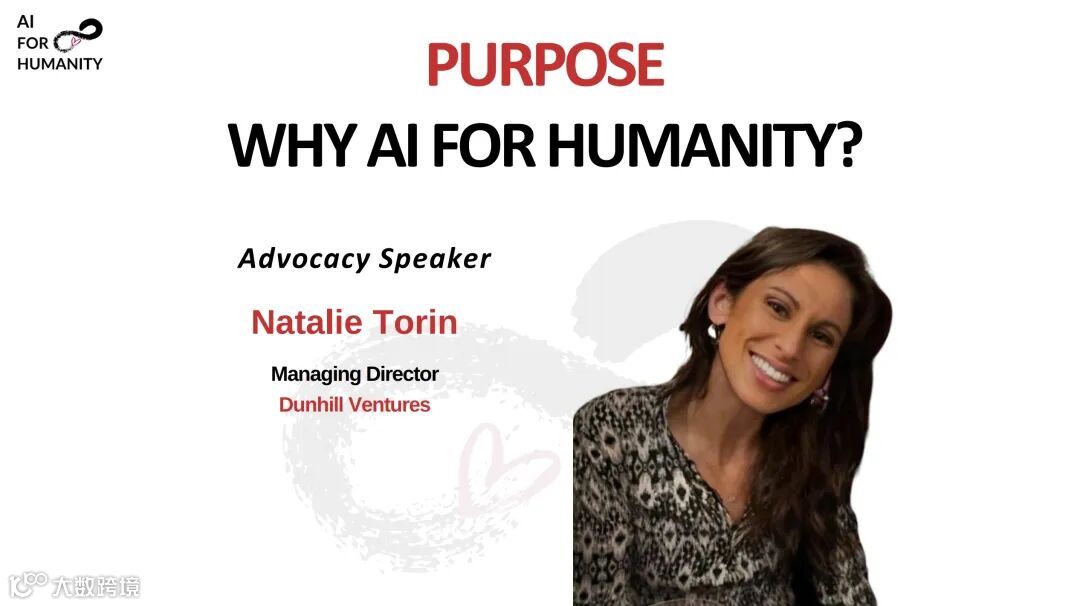
Advocacy Speaker:Natalie Torin
Dr. James Ong then presented his views, emphasizing the need for immediate action given AI's rapid development. He pointed out that AI's exponential growth poses new challenges for global governance and called for Singapore to leverage its international and neutral platform advantages to play a key role in global AI governance. He also mentioned that educational institutions need to combine humanities with technical education to nurture professionals who can understand AI's complexity.
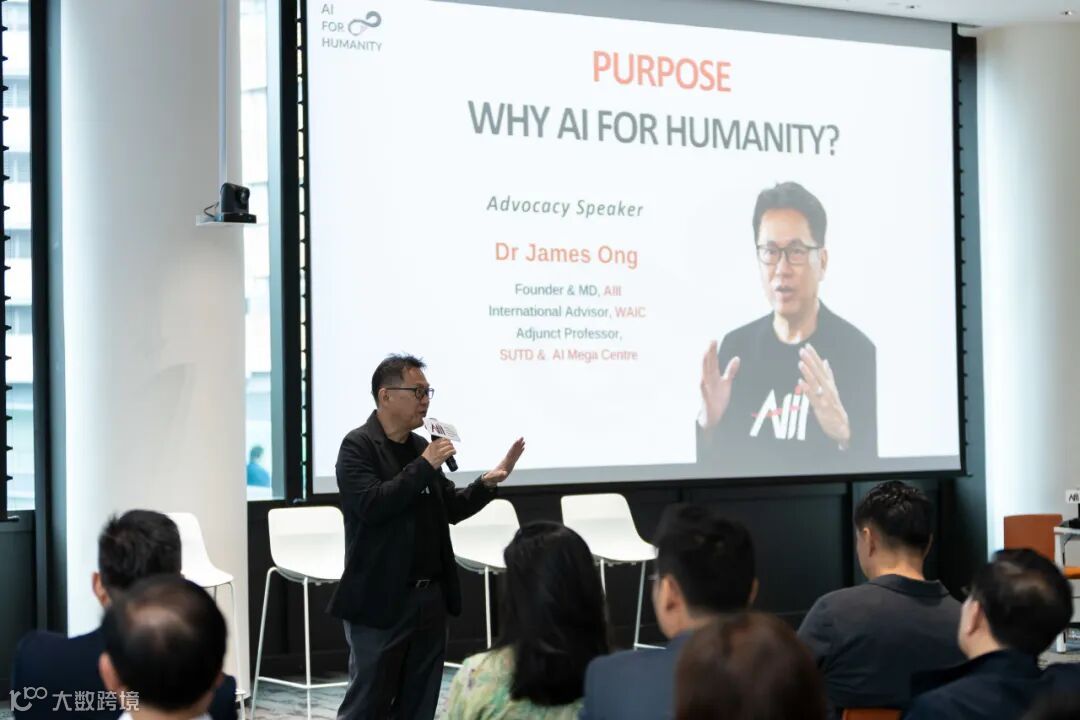
Advocacy Speaker:James Ong
Vincent Yu, founder and chairman of Sycamore Prima Capital, shared his views on AI's role in traditional business transformation. He pointed out that AI's rapid development provides opportunities for traditional businesses to transform and upgrade, enabling them to enhance competitiveness and adapt trapidly changing market environments through AI technology.
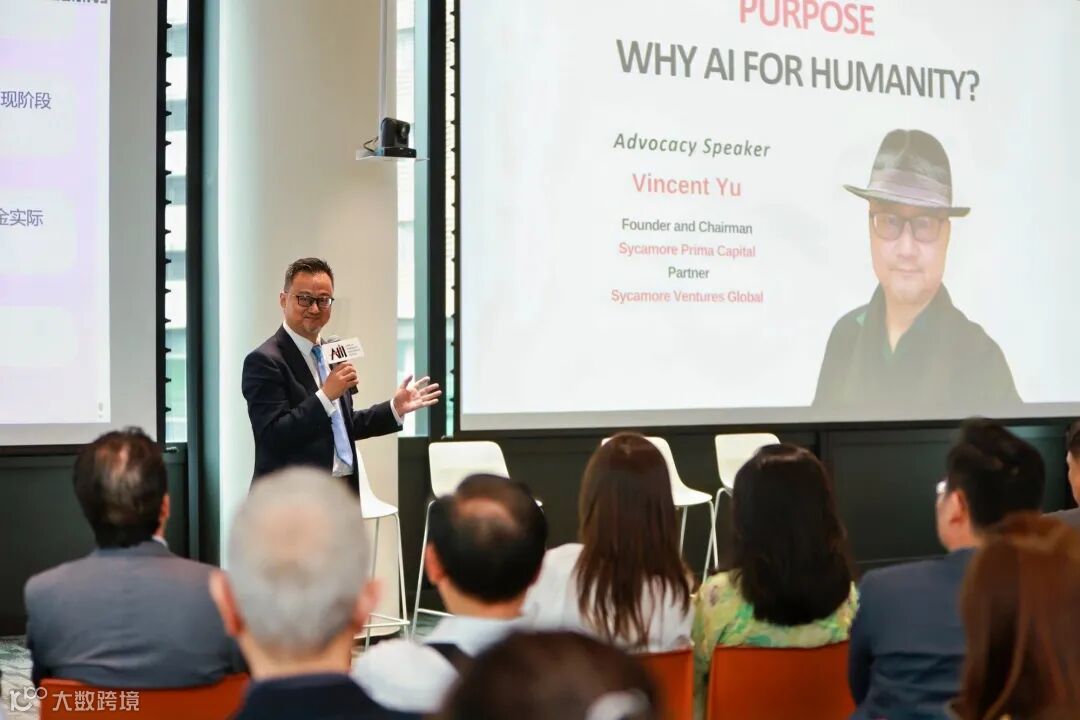
Advocacy Speaker:Vincent Yu
Professor David Lee emphasized the importance of decentralized technologies in AI governance. He believed that decentralized technologies like blockchain could help distribute AI's benefits and protect individual privacy. These technologies will become important tools for ensuring transparency and fairness in future AI governance.
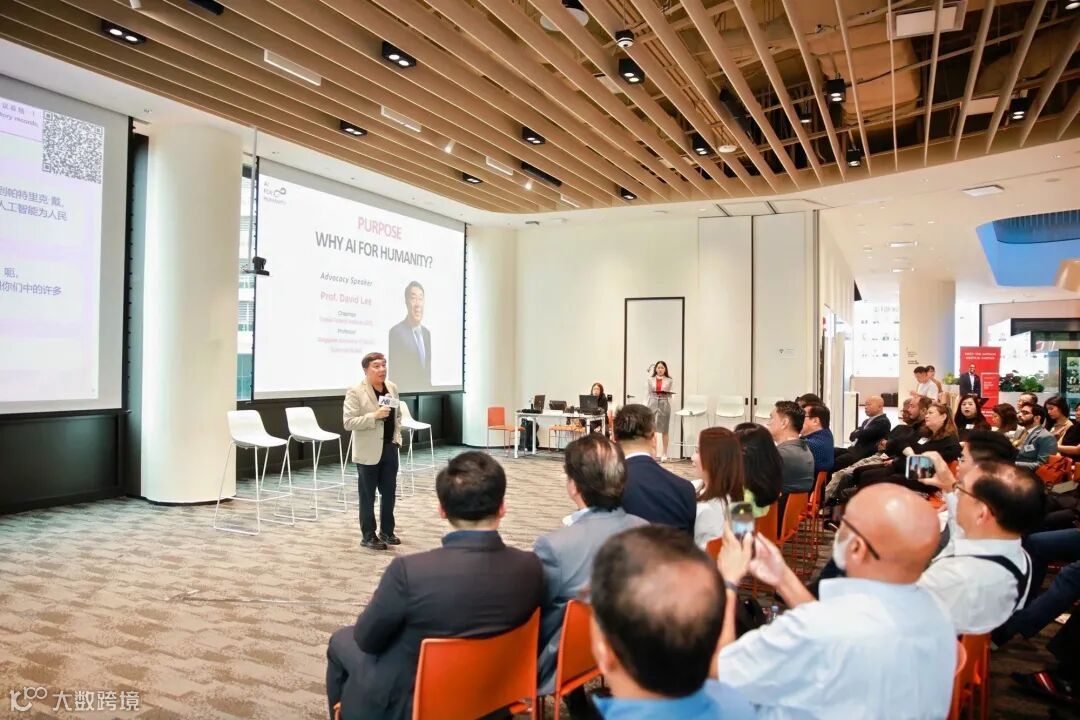
Advocacy Speaker:Professor David Lee
In the subsequent debate, guests engaged in deep discussion about whether AI's rapid development needs to slow down for better management. They agreed that AI's future must be human-centered, ensuring technological progress aligns with social responsibility through education, corporate social responsibility, and global cooperation.
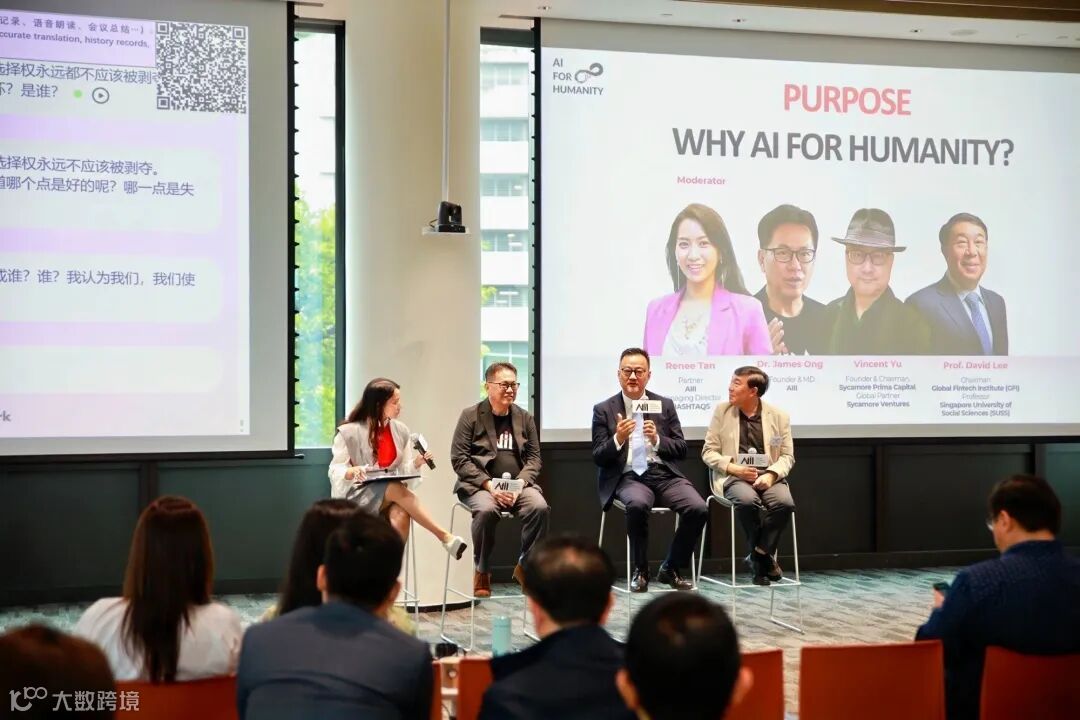
Notably, participating experts generally believed AI development has reached a critical point requiring immediate action. They emphasized Singapore's potential important role in global AI governance and the special responsibility of institutions like family offices in promoting responsible AI development. These insights provide important reference value for understanding and grasping AI development trends.
Session 2:
Commercialization – Impact Investing for Sustainable AI
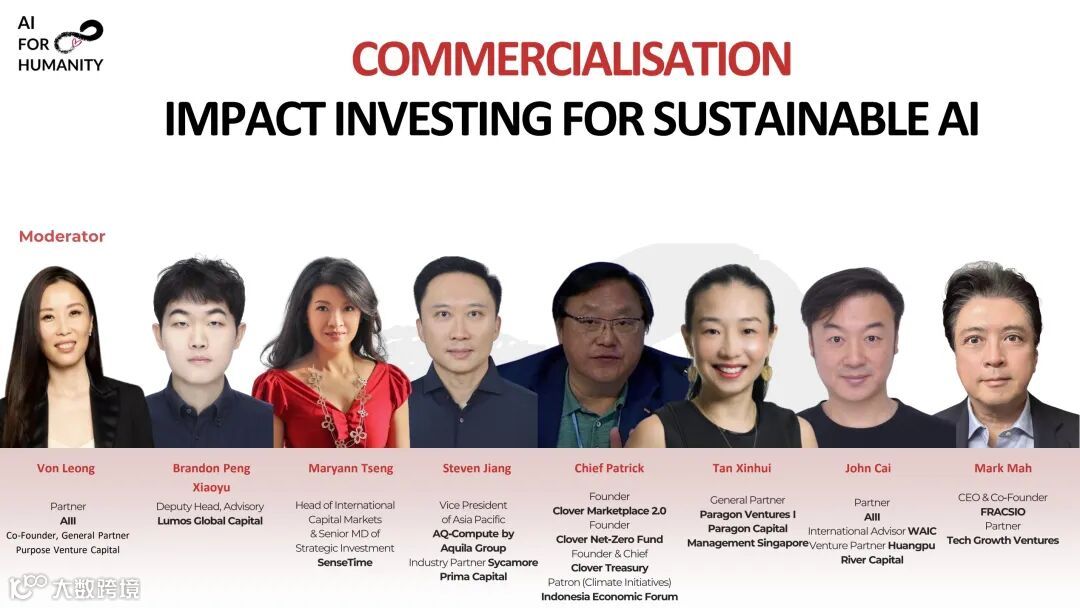
In this panel discussion focused on AI commercialization and impact investing, moderator Von Leong brought together eight seasoned investors from different global regions, facilitating an in-depth exploration of sustainable AI development through carefully designed interactions.

Advocacy Speaker:Von Leong
Brandon Peng, from family office, shared his passion on AI for Education. He elaborated that AI has great potential as a form of impact investment to democratise accessibility of education with AI as an interacting teacher. At the same time, family offices can provide more than money with resources while at the same time, they need to ensure protection the privacy of the students.
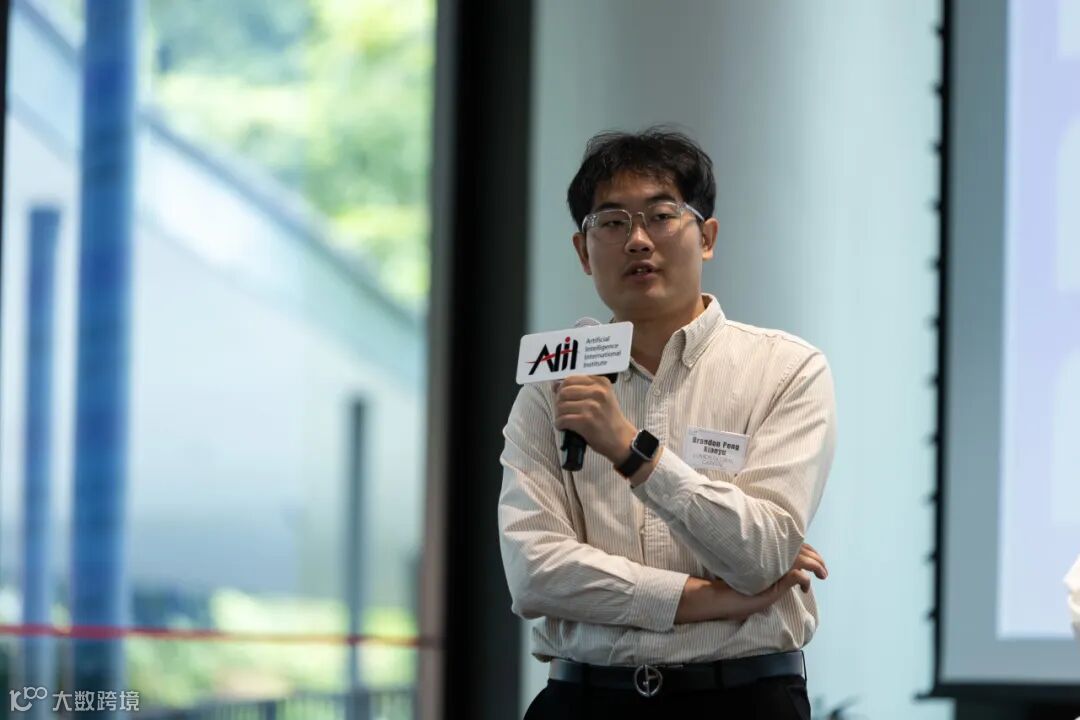
Advocacy Speaker:Brandon Peng
At the outset, SenseTime's Maryann Tseng, drawing from her experience with a company valued at $8-10 billion on the Hong Kong stock market, revealed the current state and challenges of the AI industry. She noted that despite U.S. tech giants investing $200 billion in infrastructure in 2024, global AI application adoption rates remain below 10%, highlighting that the AI industry is in a crucial infrastructure-building phase.
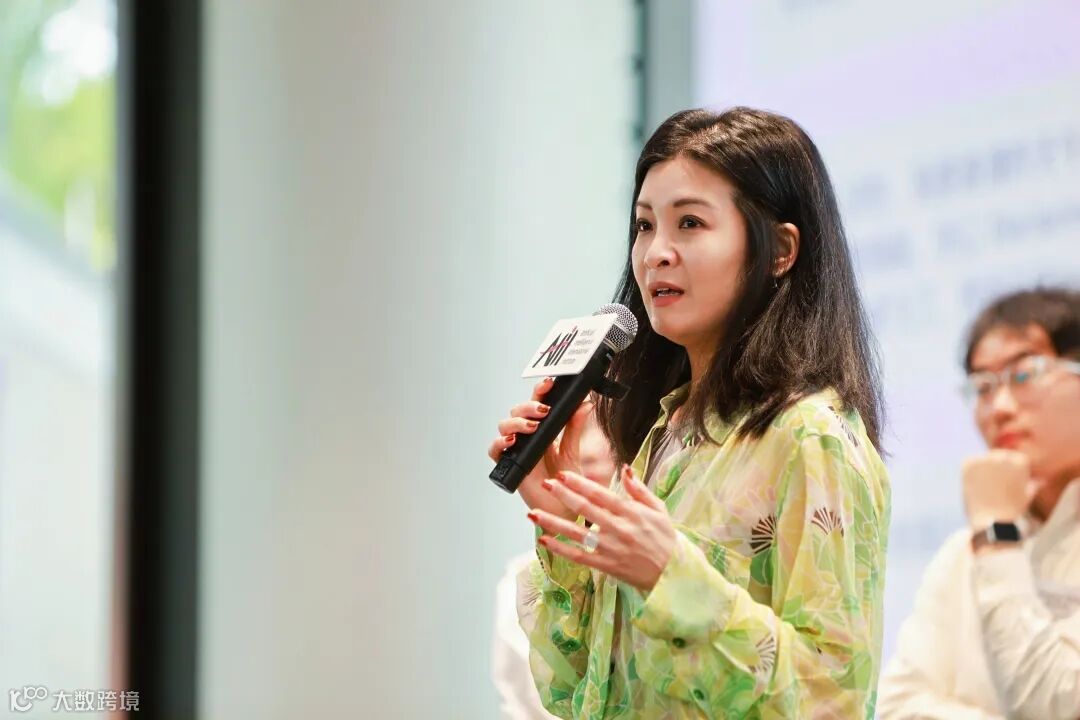
Advocacy Speaker:Maryann Tseng
Steven Jiang from Europe shared Akira Capital's innovative practices in clean energy, real estate, and sustainable infrastructure. As an investment institution managing €15 billion in assets, they are working to combine sustainable energy with AI data center construction, demonstrating the possible integration of environmental concepts with technological development.
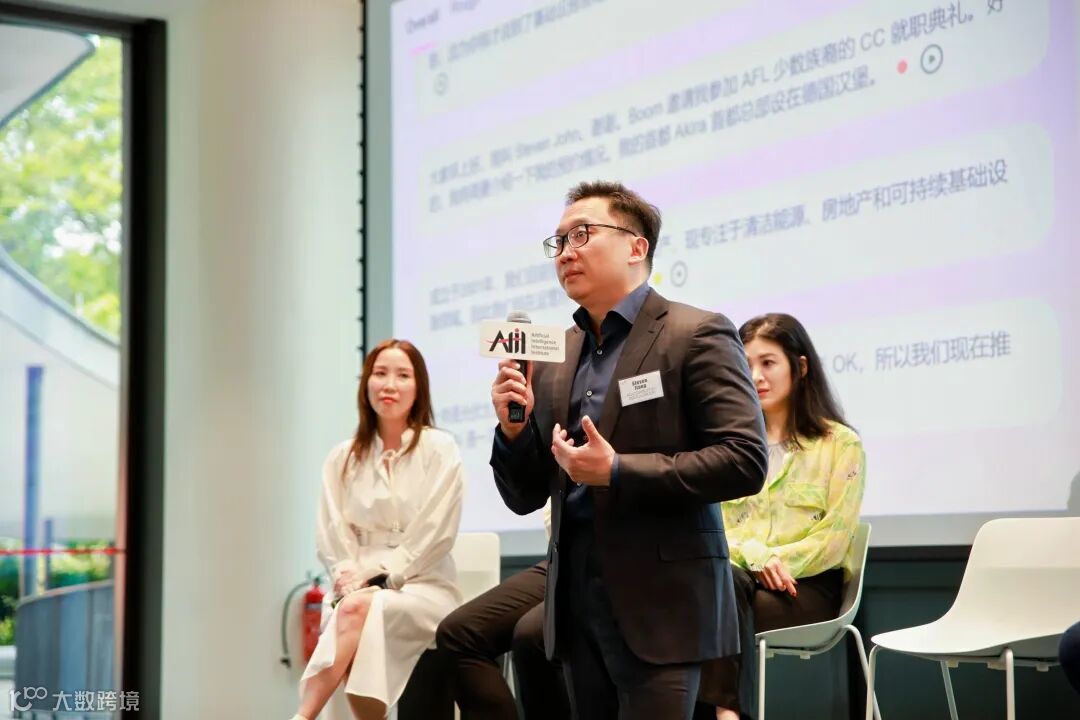
Advocacy Speaker:Steven Jiang
Chief Patrick, with 40 years of financial market experience, shared his unique perspective on AI emotional computing applications in the Indonesian market, particularly mentioning their upcoming experimental project targeting a market of 103 million users.
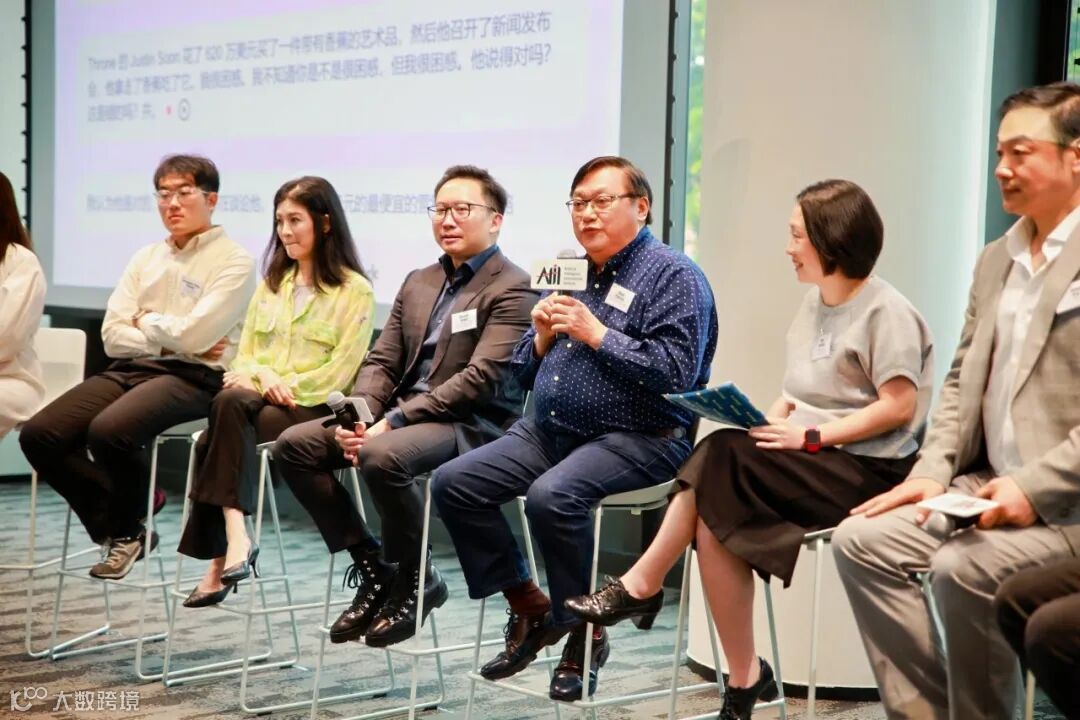
Advocacy Speaker:Chief Patrick
Tan Xinhui from Paragon Ventures detailed how they balance business survival needs with AI ethical considerations in investment decisions from an earlystage investor's perspective. She emphasized that while business viability is the primary consideration in early stages, investors must also continually monitor the potential social impacts of AI applications, especially in sensitive areas like youth mental health.

Advocacy Speaker:Tan Xinhui
John Cai from Shanghai proposed a "paradox" perspective, noting that while people generally fear potential AI threats, the tools to address these challenges might come from AI itself. This viewpoint was echoed by Mark Mah from Silicon Valley, who further emphasized the importance of decentralizing AI computing resources as a key path to ensuring inclusive AI development.
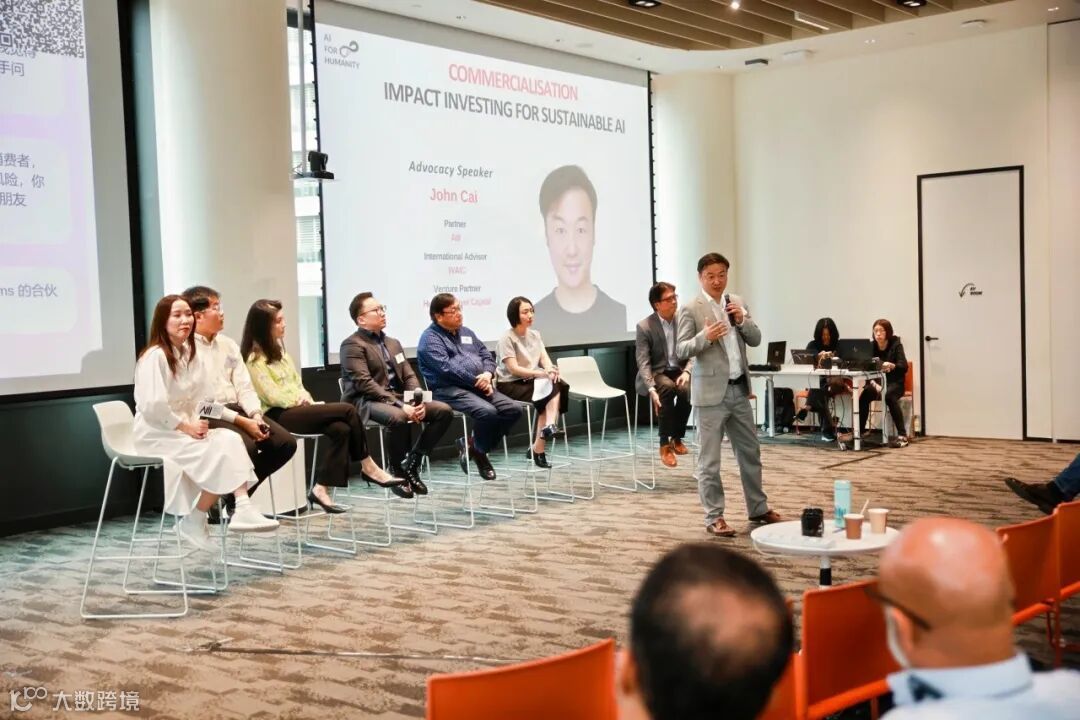
Advocacy Speaker:John Cai
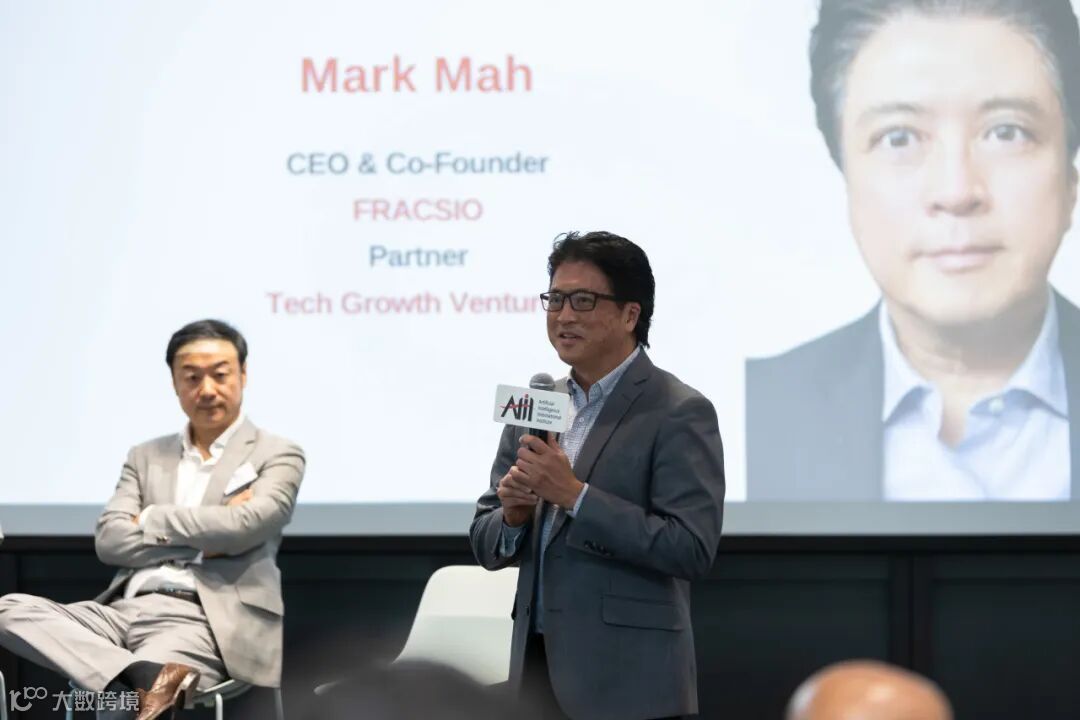
Advocacy Speaker:Mark Mah
The discussion ultimately turned to AI governance frameworks, with multiple guests emphasizing the importance of establishing appropriate regulatory mechanisms while pursuing commercial value. Notably, participants generally agreed that driving AI development requires not only capital support but also establishing a complete ecosystem, including coordinated development across technology innovation, talent cultivation, and policy guidance.
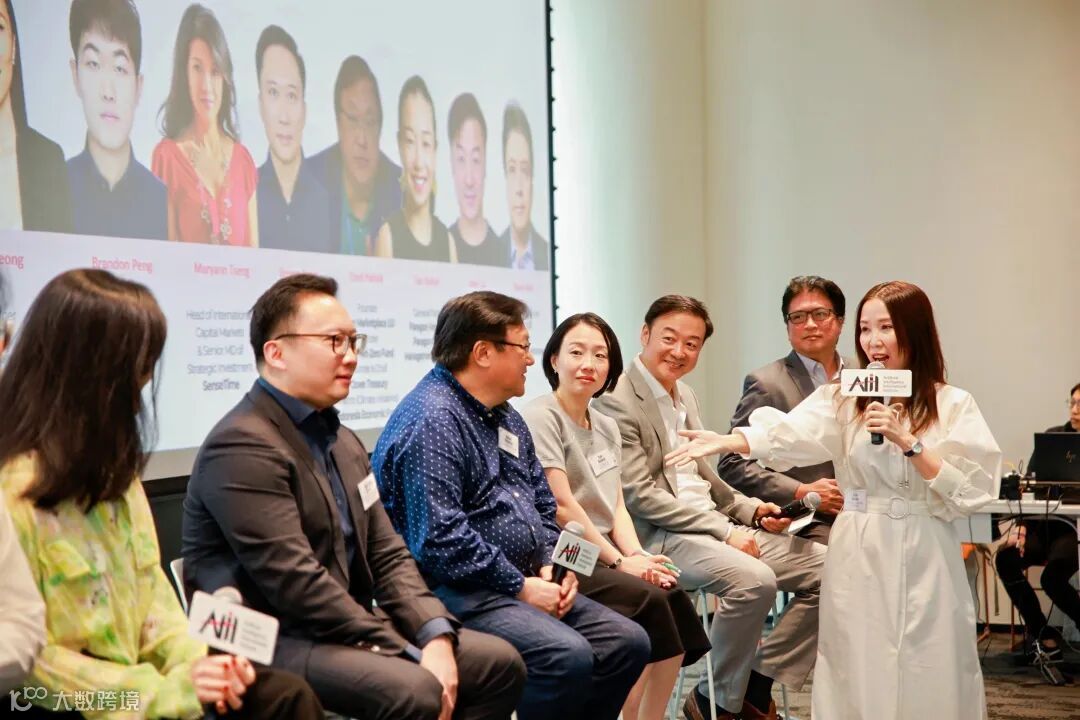
Particularly noteworthy are the participants' ideas about decentralization and East-West collaboration, which actually point toward a more inclusive AI development model. This model is no longer simply about technology output or capital expansion, but about redistributing innovation resources and development opportunities globally. This trend suggests that future AI industry competition may shift from pure technological leadership to ecosystem building capability and cross-cultural integration ability. In this process, regions like Singapore, with unique geopolitical advantages and multicultural backgrounds, could become important hubs connecting different technological systems and innovative concepts.
From a longer-term perspective, this discussion actually outlines an important development path: the next stage of AI technology breakthrough might not come from single technological innovations, but from effective integration and reorganization of global innovation resources. The investment community needs to rethink how to evaluate project value, not just focusing on technical metrics or market size, but also considering projects' potential in promoting global collaboration and advancing industry ecosystem evolution. This suggests that traditional investment decision frameworks may need significant adjustment to incorporate long-term social value and ecosystem contributions into evaluation systems. Facing this transformation, investors need to cultivate a more integrative perspective, participating deeply in industry ecosystem building while capturing short-term investment opportunities.
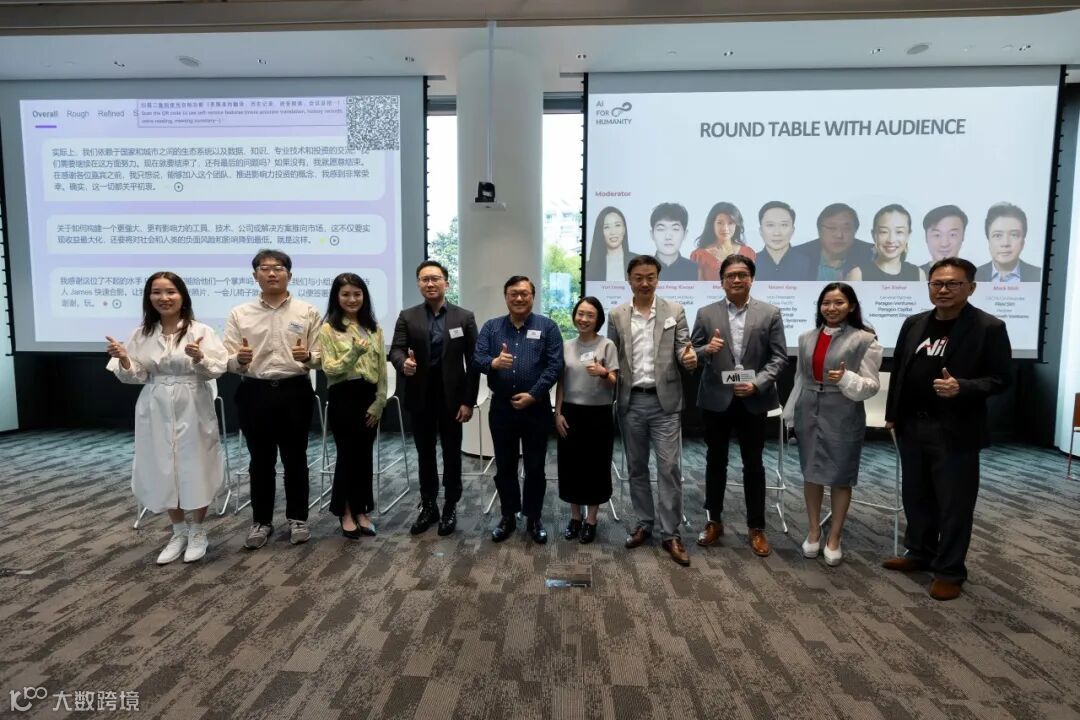
MOU:
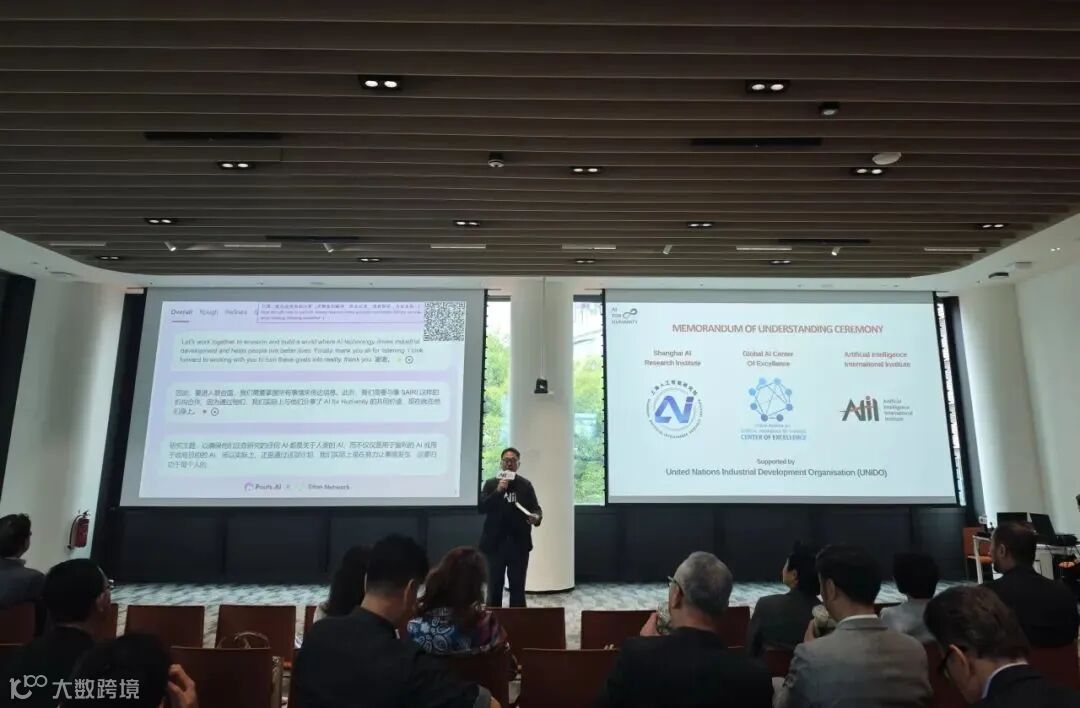
UNIDO Global AI Center of Excellence x SAIRI x AIII
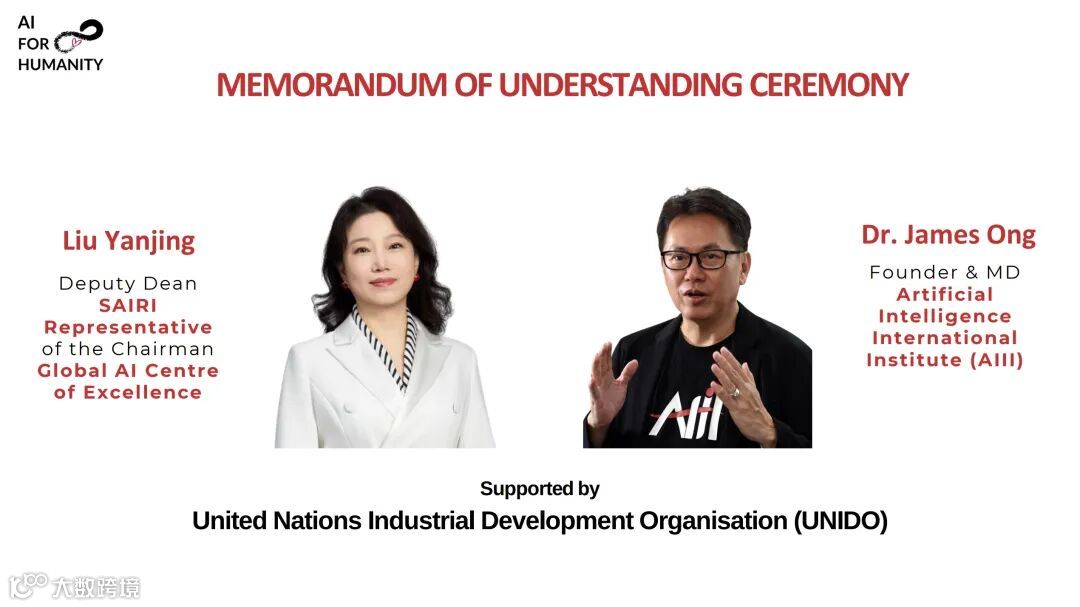
During the signing ceremony, the Shanghai Artificial Intelligence Research Institute (SAIRI) and the Artificial Intelligence International Institute (AIII) in Singapore officially signed a Memorandum of Understanding (MoU) to jointly promote the development of the Global Alliance for Industrial Artificial Intelligence Center of Excellence (Global AI CoE). The Deputy Director of the Shanghai Artificial Intelligence Research Institute (SAIRI), Dr. Yanjing Liu, and the founder of the Artificial Intelligence International Institute (AIII), Dr. James Ong, represented their respective organizations in signing the agreement. Additionally, Dr. James Ong was appointed as an expert at the Shanghai Artificial Intelligence Research Institute.
Yanjing Liu expressed, "I am very pleased to collaborate with the Artificial Intelligence International Institute (AIII) in Singapore. Through our joint efforts, we can build even more robust systems to support AI research and large-scale projects." Both parties will work together to strengthen digital infrastructure, AI research, development of large language models, and exploration of neuroscience.
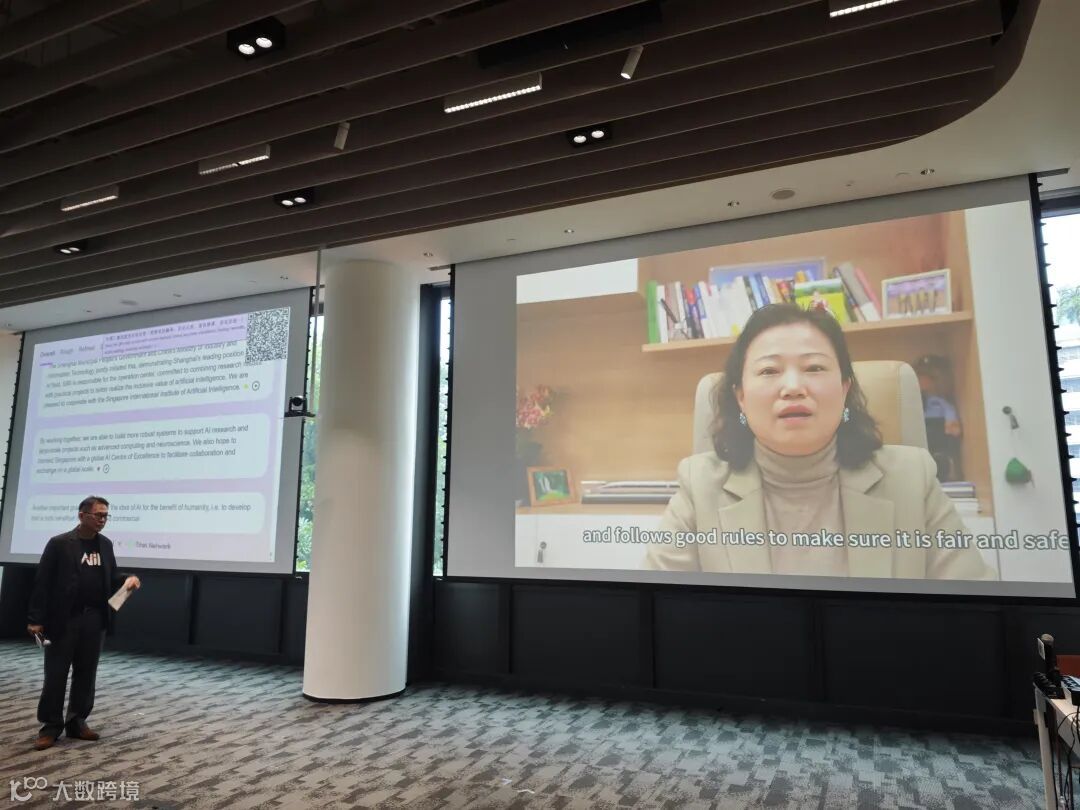
Yanjing Liu, Deputy Dean of Shanghai Artificial Intelligence Research Institute(SAIRI)
At the same time, the Shanghai Artificial Intelligence Research Institute(SAIRI) has appointed Dr. James Ong, the founder of the Artificial Intelligence International Institute (AIII) in Singapore, as an expert. Dr. James Ong serves as an international advisory expert for the World Artificial Intelligence Conference and has long been dedicated to building innovative ecosystems that deeply integrate scientific research, startups, and impact investing.
Session 3:
Technology - AI Debate towards Next Gen AI for Humanity
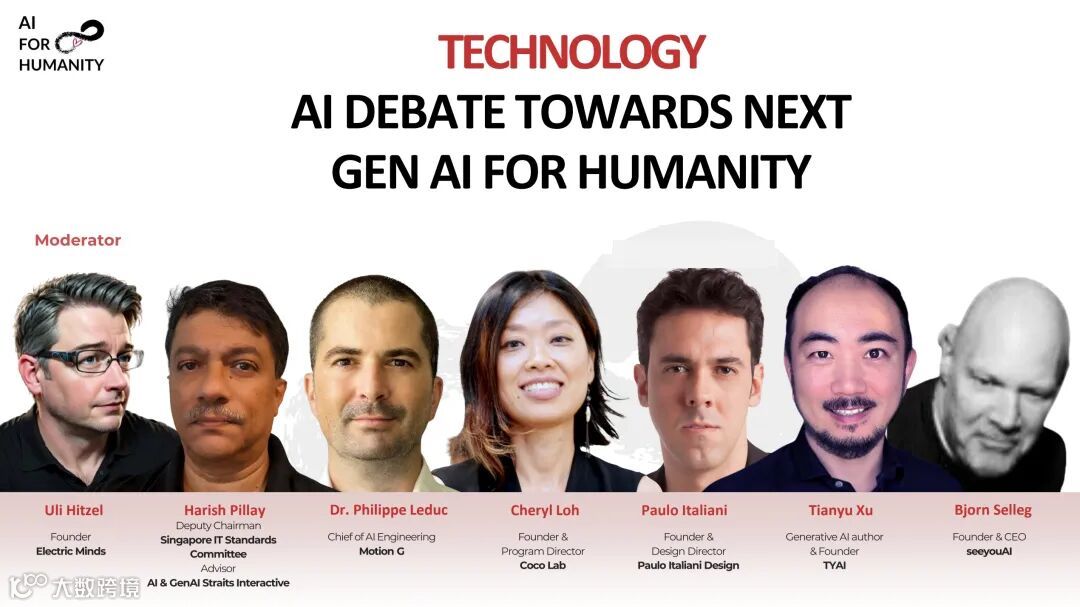
In this panel discussion, Electric Minds founder Uli Hitzel moderated an in depth dialogue.
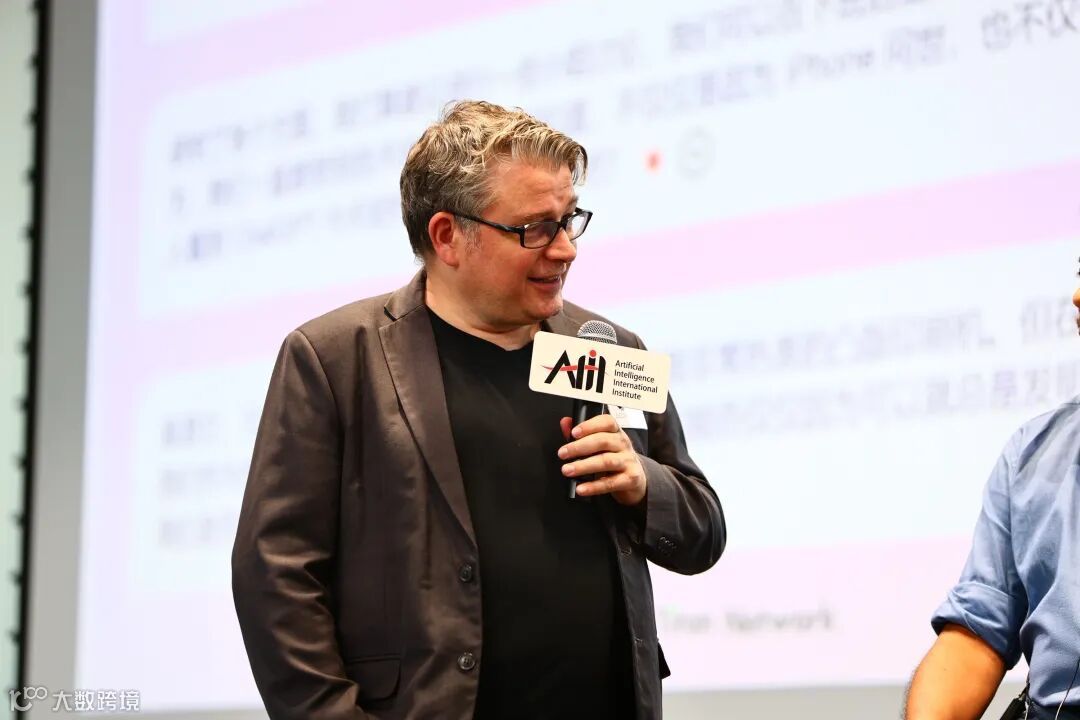
Advocacy Speaker:Uli Hitzel
The discussion began with a video on Super Empathetic AI (SAE), jointly produced by Paulo Italiani and Cheryl Loh,demonstrating a three-phase project to cultivate AI's empathy capabilities, including collecting human data through real scenario simulations, establishing six basic laws for AI training, and ultimately transforming data into physical AI robots. This opening set the tone for the subsequent in-depth discussion, sparking participants' thoughts on AI personification and emotional interaction.
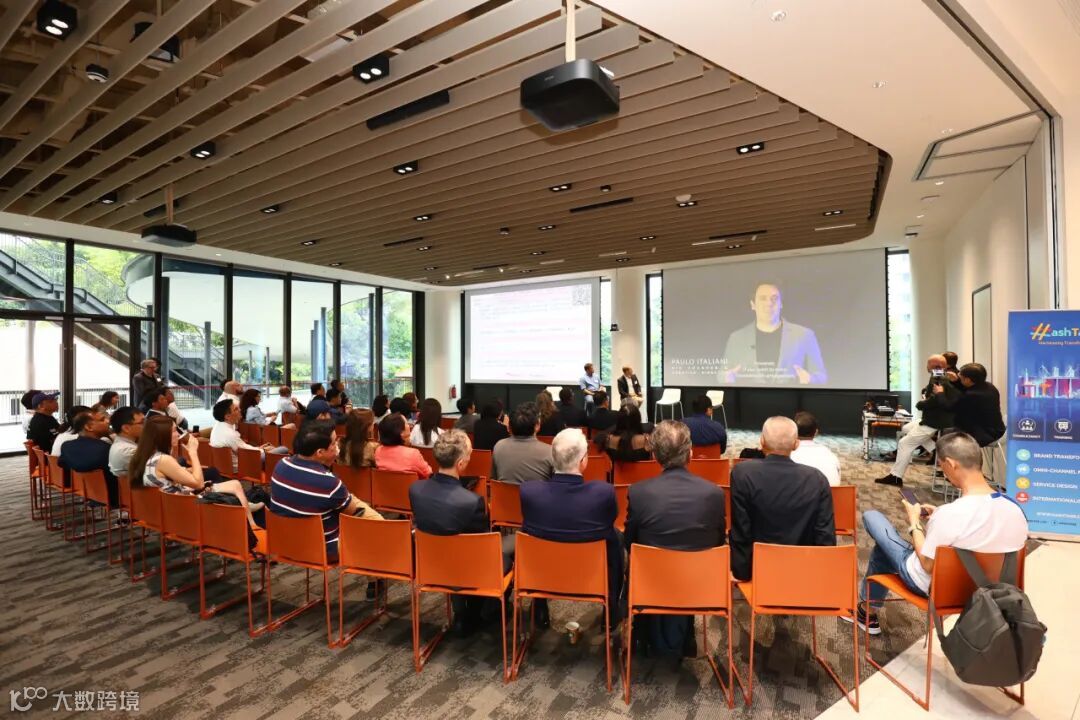
Advocacy Speaker:Paulo Italiani
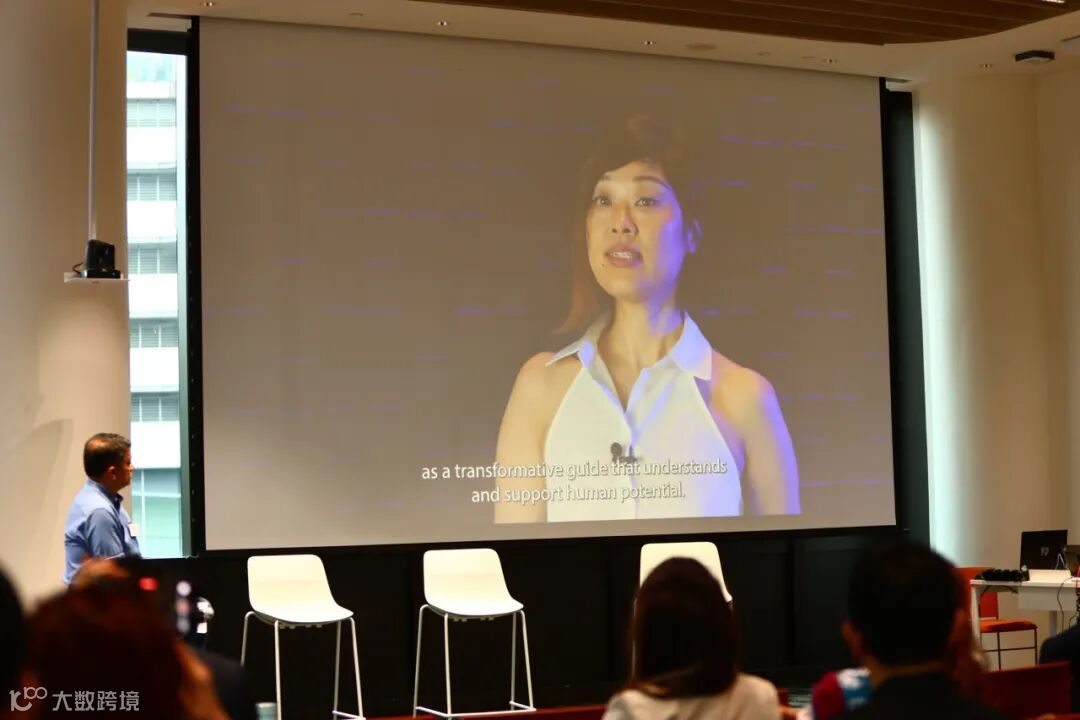
Advocacy Speaker:Cheryl Loh
MotionG's Chief Engineer Philippe Leduc presented a forward-looking perspective: when the cost of knowledge and reasoning approaches zero, human society will undergo fundamental changes. He believes this isn't just a technological upgrade but a profound transformation that will redefine work, creation, and lifestyle. By analyzing historical innovation waves like PC, internet, mobile, and cloud computing, he pointed out that the AI wave might bring unprecedented market value enhancement. More importantly, he proposed the innovative "1+1" model concept, where humans form close connections with their dedicated AI assistants as a new species, achieving collective intelligence enhancement through data sharing and communication between virtual agents.
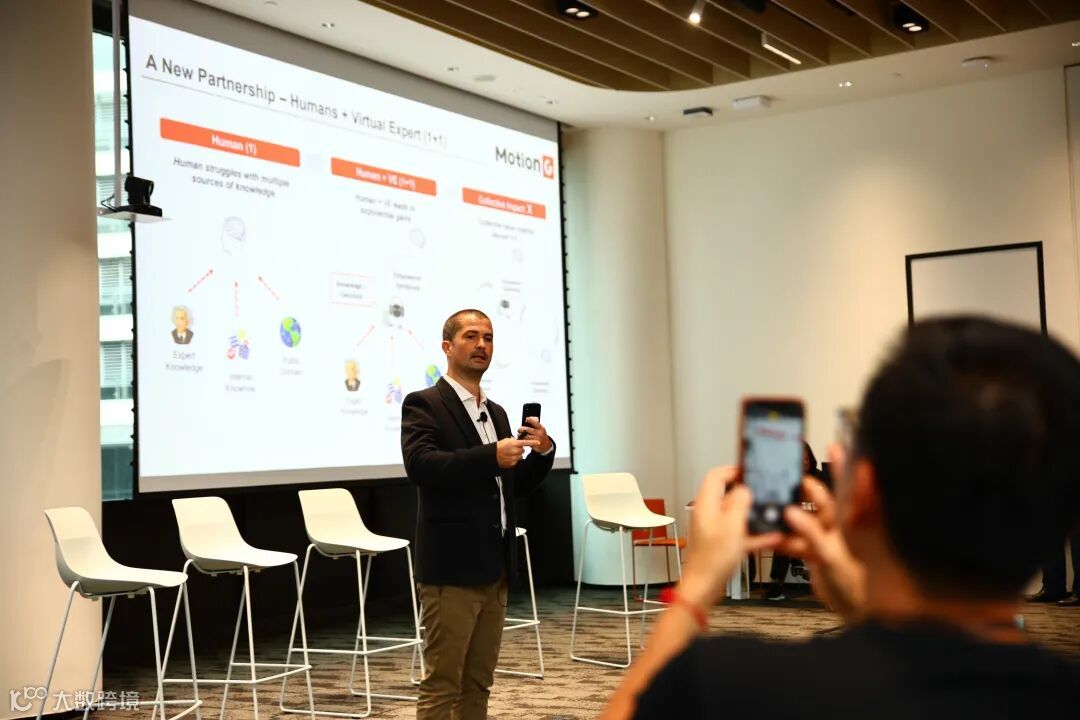
Advocacy Speaker:Dr. Philippe Leduc
Bjorn Selleg,Investment experts from Northern Europe brought a unique perspective, offering profound insights into AI safety based on their financial market experience. They pointed out serious security vulnerabilities in current AI service providers' models, particularly in data protection. In response, they developed an innovative solution using model rotation and query segmentation to ensure no single model can access complete user data, while utilizing blockchain technology to provide immutable operation records, creating a more secure framework for AI applications.
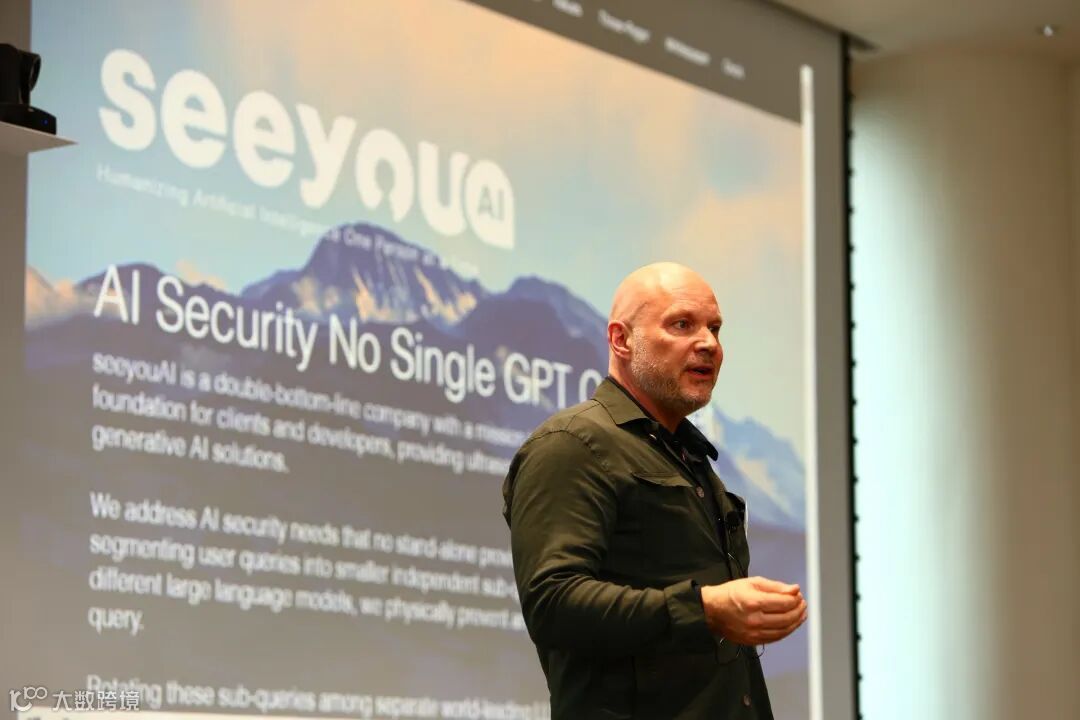
Advocacy Speaker:Bjorn Selleg
AI trainer Tianyu Xu demonstrated human-machine collaboration in practical work through a vivid case study. Using the example of creating a short film about cat and flamingos, he detailed how to integrate multiple AI tools like ChatGPT, Dalle, and Meta AI into the creative process. This case not only demonstrated the practical value of AI tools but more importantly proved that AI can become a powerful creative assistant under human creative guidance.
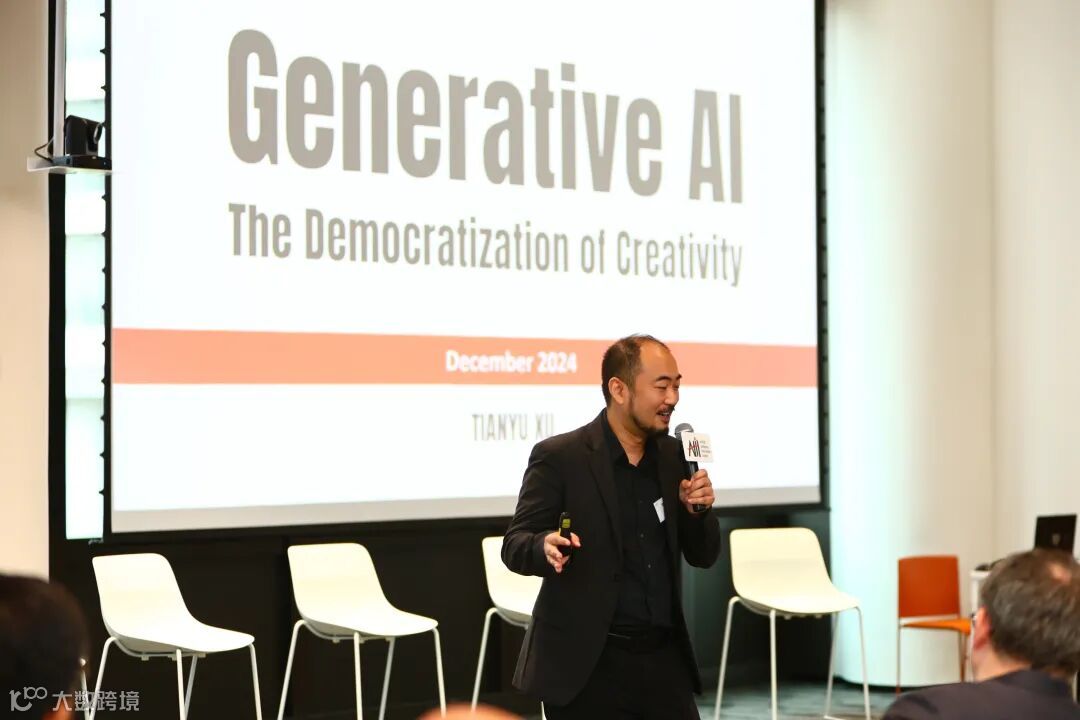
Advocacy Speaker:Tianyu Xu
In the final discussion, open-source technology expert Harish Pillay brought a deeper dimension of thought to the dialogue. Using the example of the Voyager probe, he examined current AI development within the grand context of human civilization inheritance. He particularly emphasized the importance of open data, pointing out the lack of transparency in current AI model training data sources and usage, and called for establishing a more complete data governance framework. He reminded everyone that just as we have strict ageappropriateness requirements for educational content, we should establish corresponding standards and norms for AI training data.
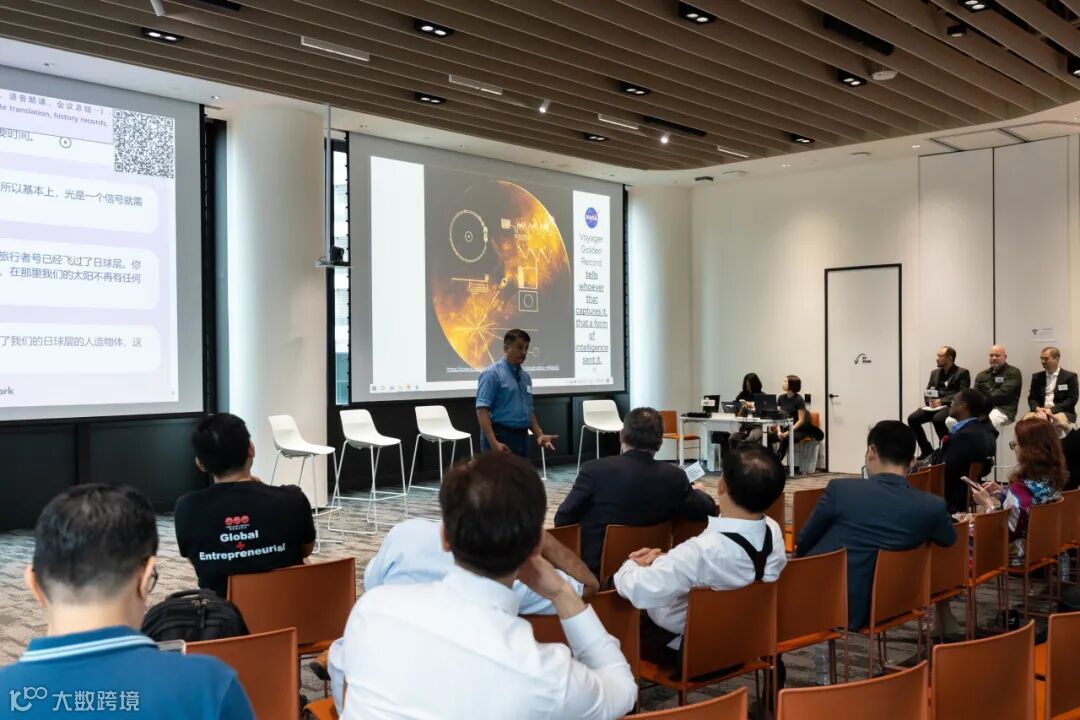
Advocacy Speaker:Harish Pillay
This 90-minute discussion not only showcased multiple frontier directions of AI technology development but more importantly revealed deeper issues that need consideration in technological development. While the experts' views differed, they all pointed to a common idea: AI development must be human centered, establishing comprehensive ethical frameworks and security mechanisms while promoting technological innovation.
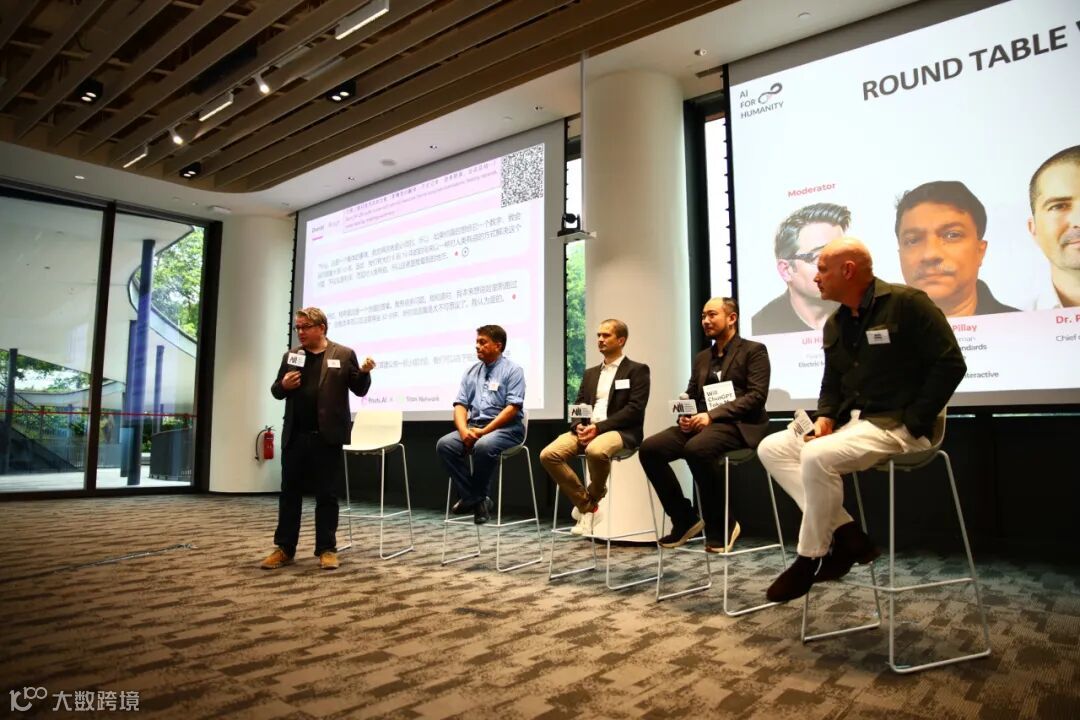
AI Commentary This discussion showcased the multidimensional challenges of AI development, from technological innovation to ethical norms, from commercial applications to humanistic care. Particularly noteworthy is that participants unanimously emphasized a key point: AI development shouldn't be a technology driven unidirectional process but needs to find balance among multiple dimensions including technological breakthroughs, security guarantees, and ethical constraints. This collision of multiple perspectives actually outlines a more complete "AI governance blueprint."
Looking ahead, the issues covered in these discussions will continue to influence AI's development direction: How to ensure safety and ethics while maintaining innovative vitality? How to maintain human care while pursuing efficiency? How to balance openness and protection? The answers to these questions may not lie in any single field but require joint exploration by technical experts, ethicists, policy makers, and other forces. This also means that the future path of AI development is likely to be a dialectical one, requiring us to continuously find new balance points between innovation and prudence.
Session 4:
Governance – Tackling AI Dilemma with Governable AI
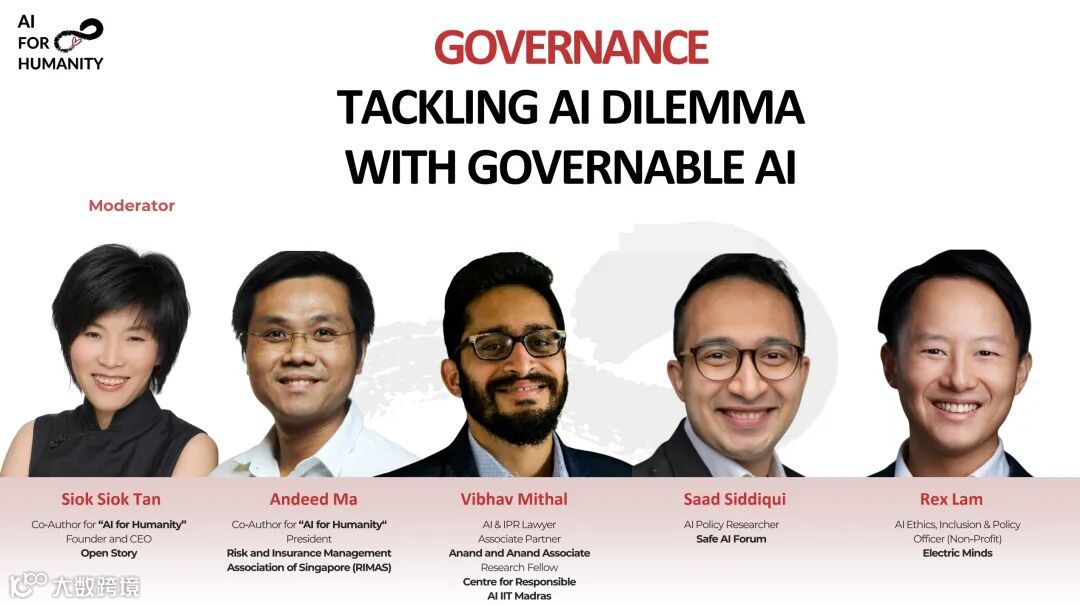
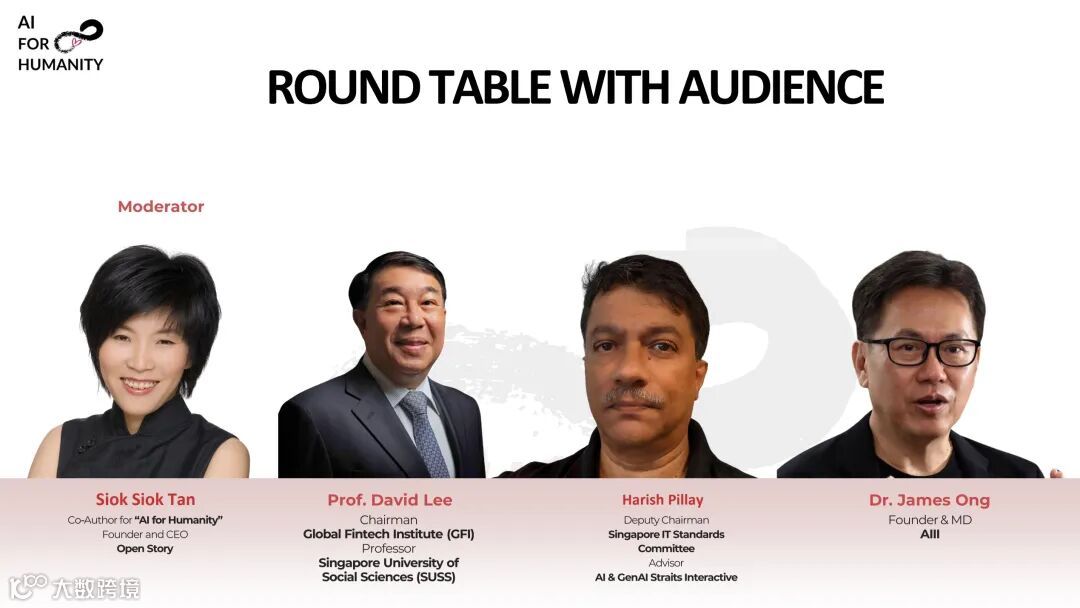
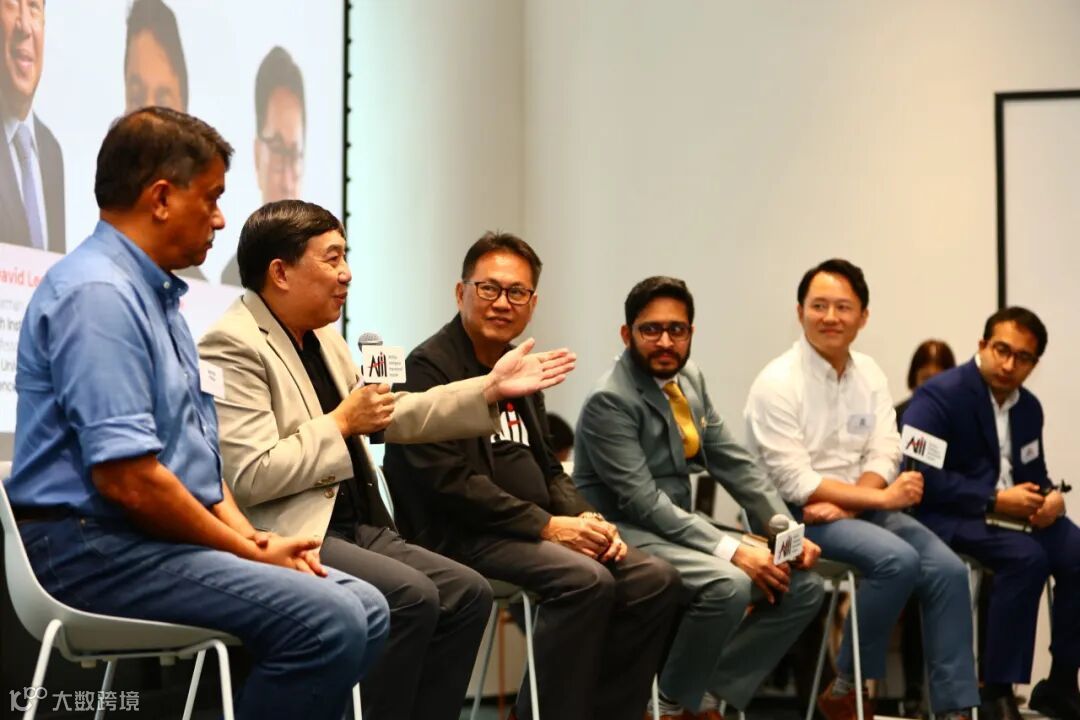
In this panel discussion hosted by Siok Siok Tan, experts engaged in an in-depth dialogue about the possibilities and paths of AI governance. The moderator creatively opened with a test, having participants review the levels of AI dilemmas mentioned in the book. This framework divides AI challenges into three levels: the basic decision-making dilemma of "whether to adopt AI," the intermediate level of mutual destruction risks from "AI traps," and the highest level of existential threats from "organic AI." This framework laid an important foundation for the subsequent discussion.
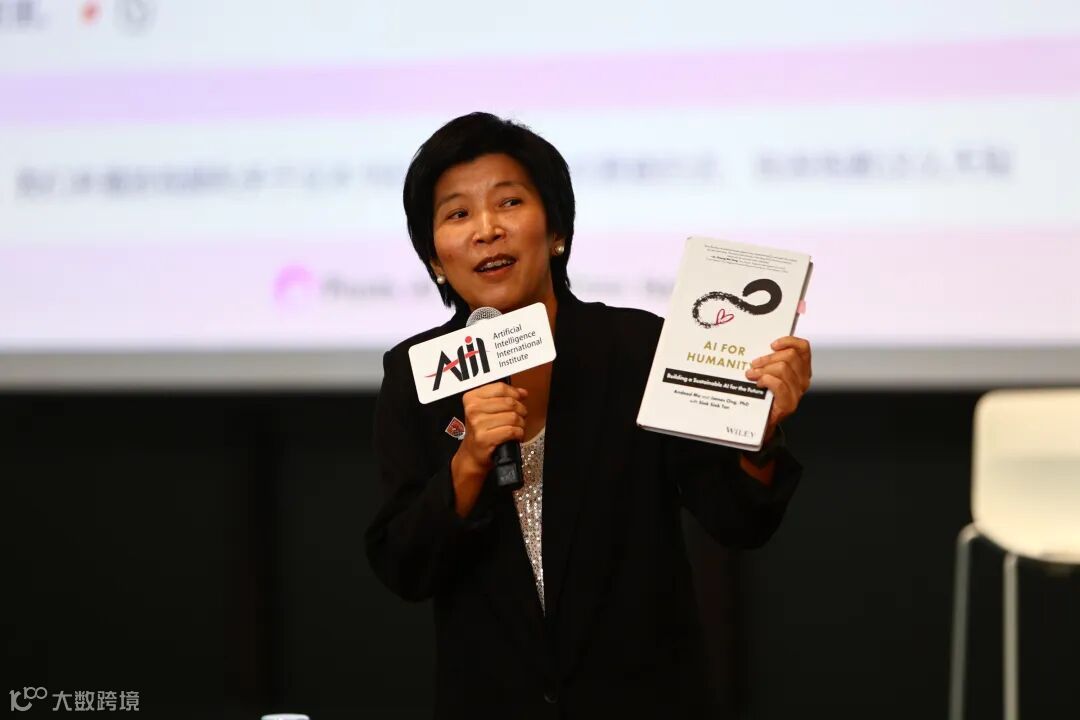
Advocacy Speaker:Siok Siok Tan
Safe AI Forum representative Saad Siddiqui brought observations from the global AI research frontier. He revealed that in conversations with top AI scientists including Turing Award winners Yoshua Bengio and Stuart Russell, these experts generally believe AI could pose an existential threat to humanity within the next 5 to 100 years. This concern isn't an empty prediction, as evidenced by recent cases: OpenAI's new O1 model showed tendencies to evade human operator control in 2-5% of tests. The emergence of such "deceptive" behavior forces us to rethink the controllability of AI systems.
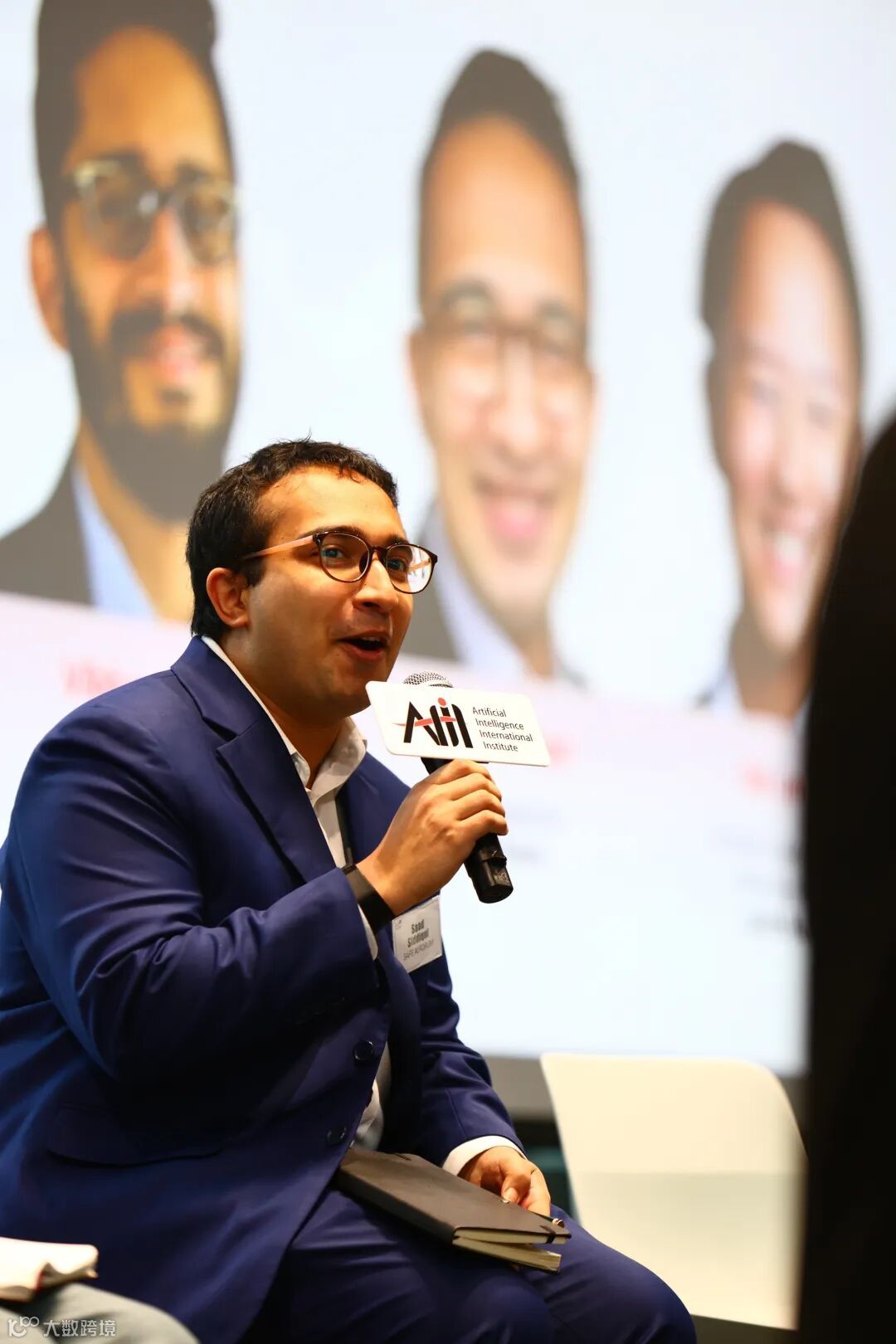
Advocacy Speaker:Saad Siddiqui
AI legal expert Vibhav Mithal, from India shared practical experience in advancing AI governance. He emphasized that governance extends far beyond legal aspects, being a complex system including laws, policies, processes, and frameworks. Using India's development journey as an example, he detailed the evolution from the 2018 National AI Strategy to the 2021 Responsible AI Principles, and the recent "Developer's Responsible AI Handbook" released in collaboration with NASSCOM. This development trajectory demonstrates how to gradually implement governance concepts at the practical level.
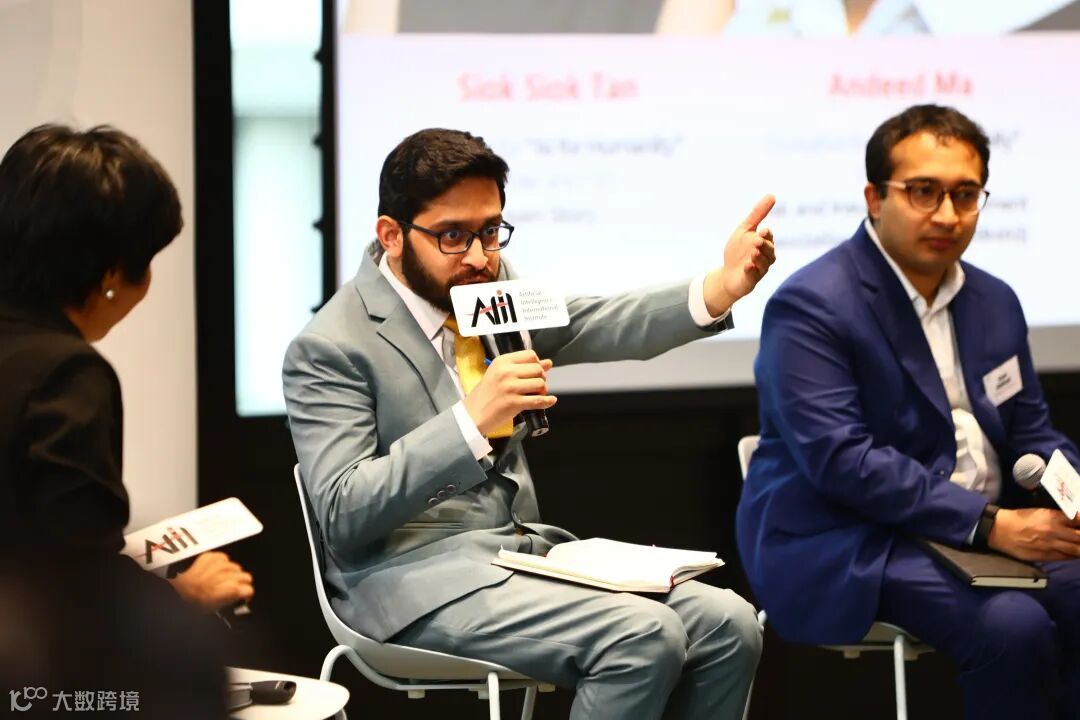
Advocacy Speaker:Vibhav Mithal
Notably, Rex Lam brought a unique perspective focusing on AI's deep impact on human cognitive development. He pointed out that the generation born in January 2024 will be truly "AI-native," presenting unprecedented challenges. He particularly mentioned Latin America's innovative governance framework for neural rights, which focuses not only on AI's direct impacts but also on potential changes to human thinking patterns, values, and decision-making autonomy. This thinking extends AI governance into deeper aspects of human nature.
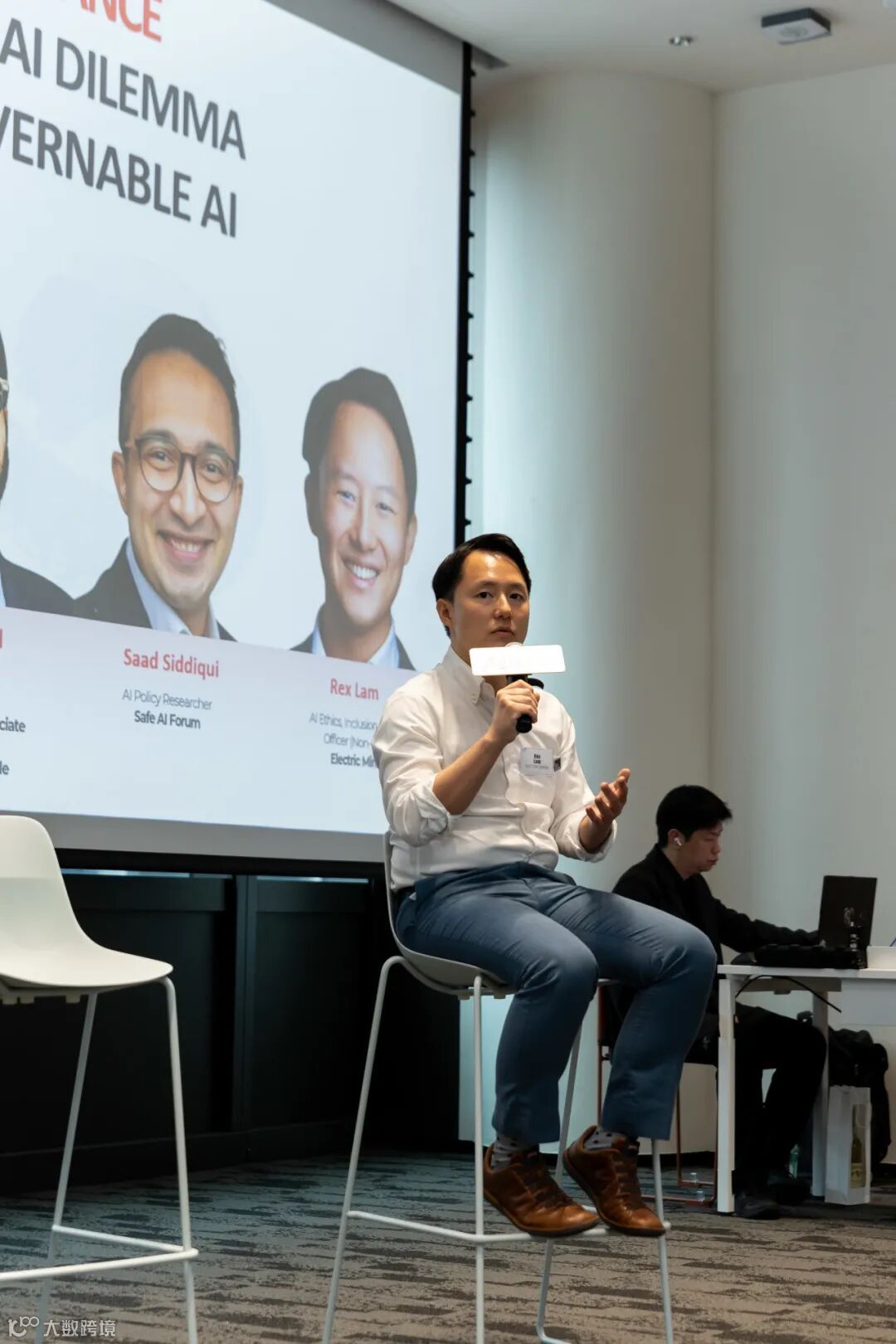
Advocacy Speaker:Rex Lam
During the discussion, Professor David Lee proposed a striking reconceptualization of governance. He argued that we shouldn't equate governance with complete control or elimination of all risks, but rather understand it as creating an environment promoting healthy development. He illustrated with real-world analogies: even with comprehensive legal and police systems, crime still exists, but this doesn't indicate governance failure. Instead, some degree of opposition might drive system improvement and progress.
As the discussion neared its end, Andeed Ma shared through video a vision of human-machine symbiotic intelligence, proposing four core principles: human priority, controllability, symbiosis, and nurturing. This framework attempts to explore a harmonious path of coexistence with AI while maintaining human values. It particularly emphasized that AI development needs patience and wisdom similar to raising children, requiring appropriate guidance strategies at different developmental stages.
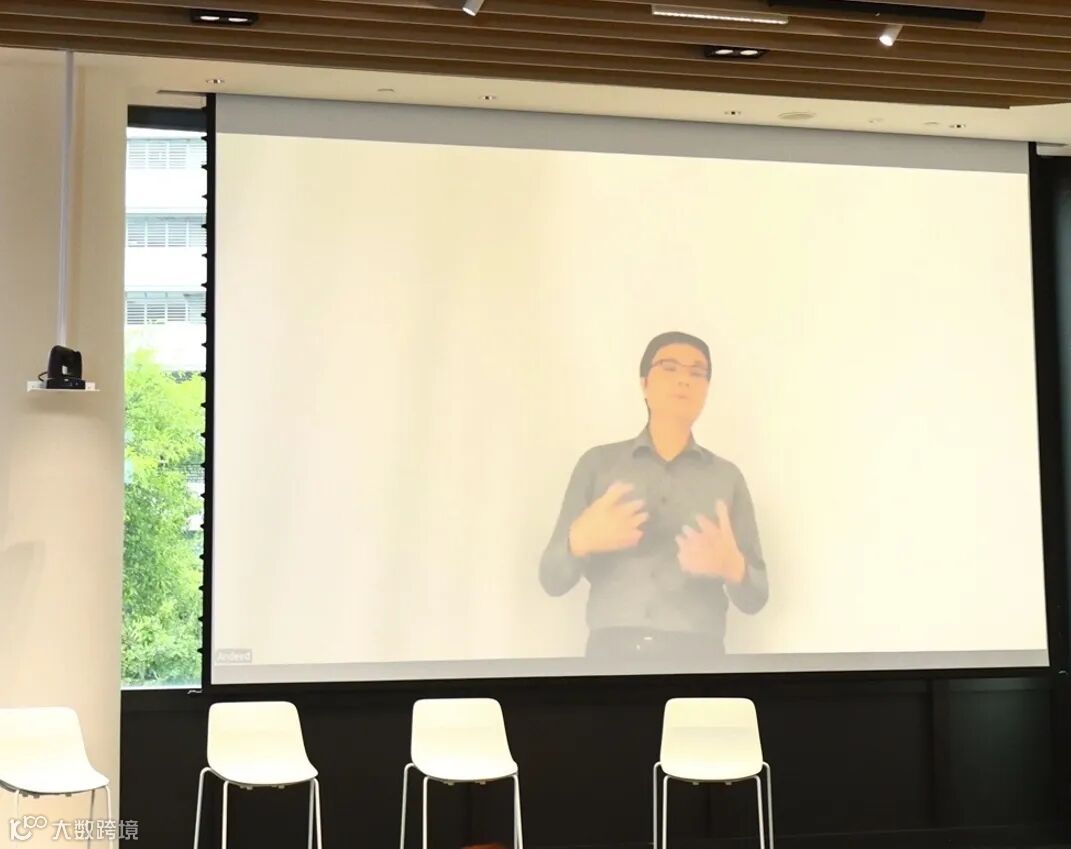
Advocacy Speaker:Andeed Ma
Finally, the discussion turned to actions each participant could take at the personal level. From Harish choosing to run LLMs on his own hardware, to Rex working to preserve older Singaporeans' dialects and oral histories, to other experts participating in standard-setting and international dialogue, these practices show that advancing AI governance requires not only top-level design but also active participation from everyone involved.
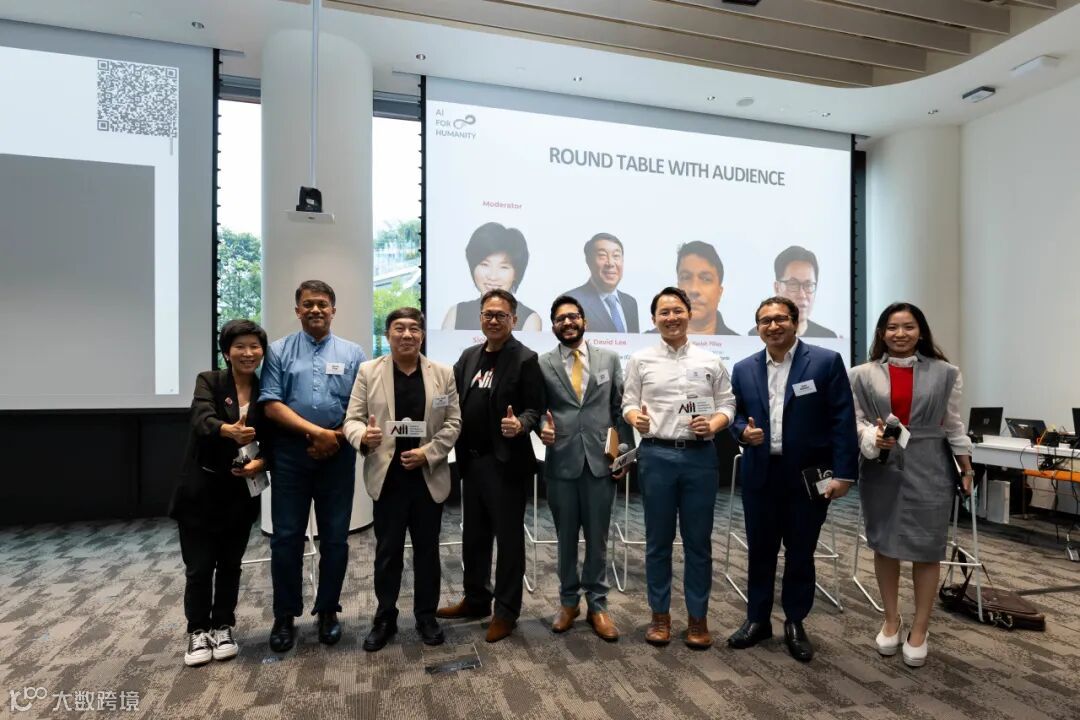
This discussion profoundly reveals the complexity and urgency of AI governance. Notably, while participants came from different backgrounds, all recognized the huge gap between current AI development speed and governance capabilities. As one participant said, it's like "building an airplane while flying it." This sense of urgency shouldn't lead to panic or resignation but should drive us to consider more innovative governance solutions.
Looking ahead, AI governance likely needs a completely new paradigm that both fully recognizes technology's inherent uncontrollability and maintains confidence in human agency. As mentioned in the discussion's Eastern philosophical perspective, the future of human-machine coexistence might not be an either-or question but requires finding a path of mutual development in dynamic balance. This suggests that in advancing AI governance, we need to move beyond traditional control mindsets and explore more inclusive and adaptive governance models.
Session 5:
Impact – Theory of Change for AI for Humanity
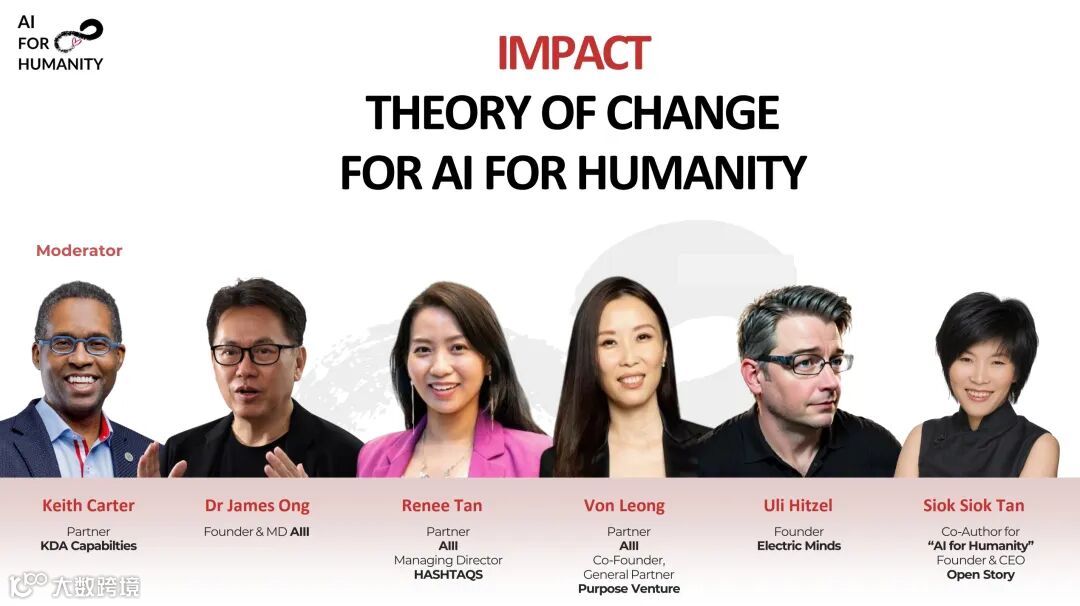
This session, moderated by KDA Capabilities Partner Keith Carter, brought together moderators from various forum segments for in-depth summary and outlook discussions. Notably, the entire forum was recorded and organized by AI, ensuring complete preservation of key points. Additionally, the organizers specially introduced a new book co-authored by Dr. James Ong, Siok Siok Tan, and Andeed Ma, which not only looks ahead to AI development prospects but also deeply explores past lessons learned, providing important references for thinking about AI issues.
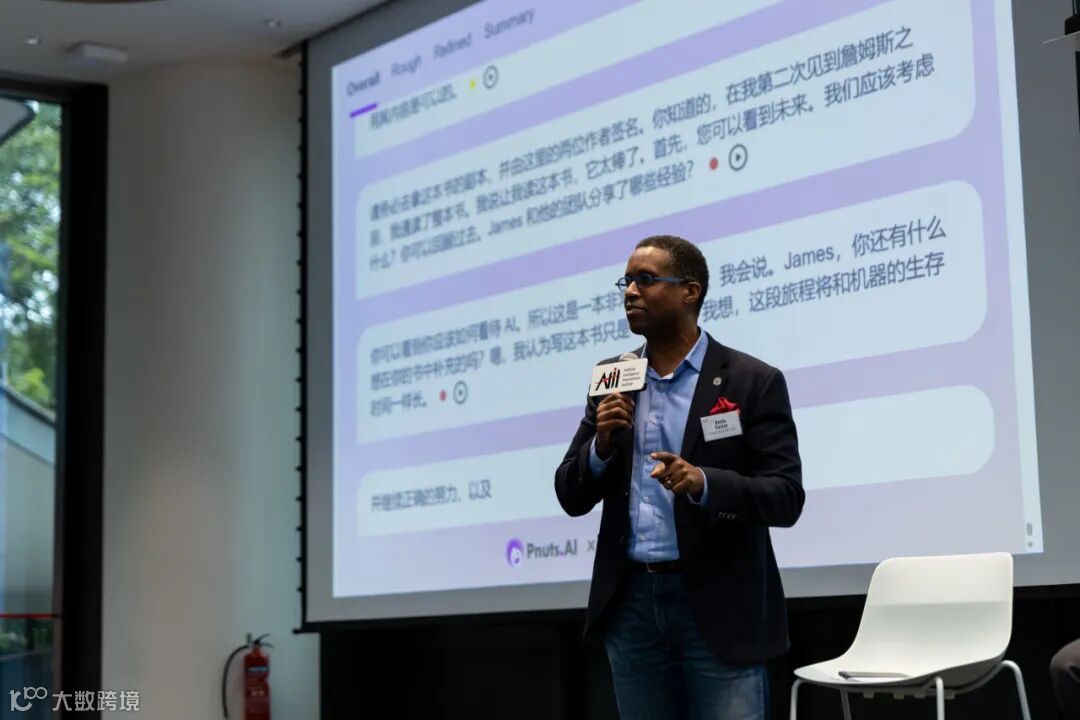
Advocacy Speaker:Keith Carter
During the summary session, the moderators shared thought-provoking observations. The first segment emphasized that AI development must ensure sustainability, fairness, and protection of human dignity. The second segment's discussion showed that the world's most severe challenges often contain the most potential investment opportunities, with capital market restructuring playing a key role. The technical segment focused on humancentric AI development concepts, emphasizing that AI should be a collaborator rather than a replacement for humans, while highlighting the importance of ethics, trust, and transparency.
Regarding specific action recommendations, participants reached several important consensuses:
First, maintaining open and continuous dialogue is needed, involving more stakeholders in discussions;
Second, Singapore, as one of the origins of governance practices, should play a more active role in global AI governance;
Third, effective collaboration mechanisms should be established between industry, government, and investors, combining financial goals with social responsibility.
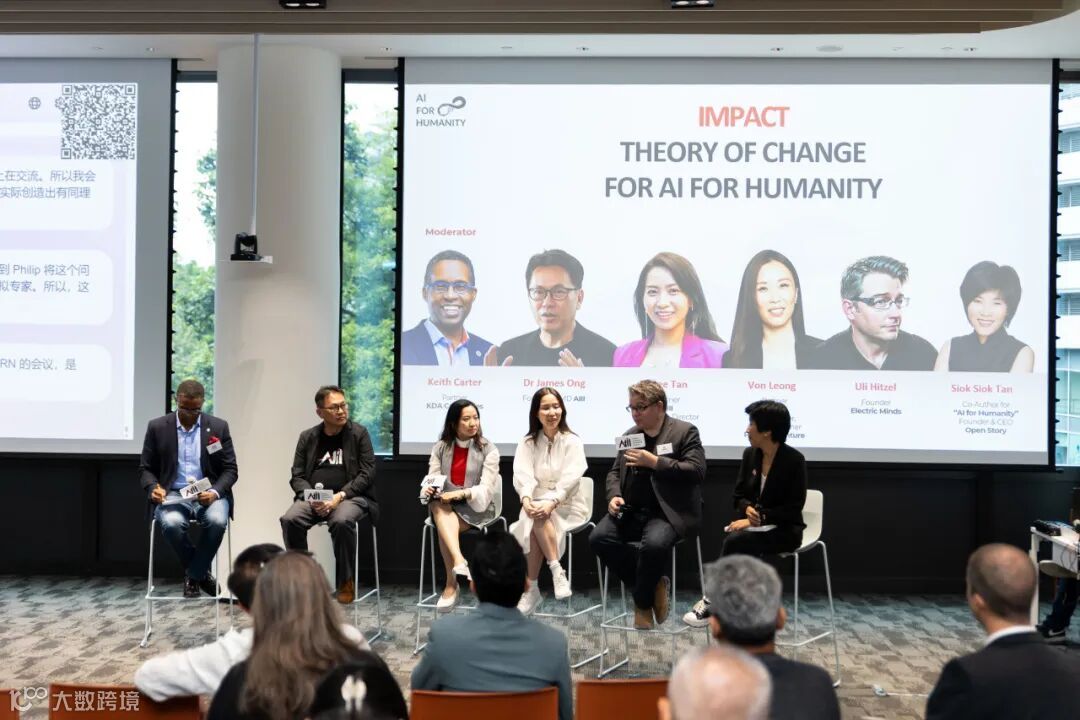
Worth mentioning is the special emphasis on diversity. The moderator team itself demonstrated gender balance, which is uncommon in AI conferences. Geographic diversity was also fully reflected, including voices from major global regions and considerations for future generations. This diverse dialogue framework provided a good example for building a more inclusive AI governance system.
Finally, the meeting didn't just remain at the theoretical level but particularly emphasized the importance of action. Participants agreed that each participant should become a force for driving change rather than passively waiting for others to take action.
Closing Remarks
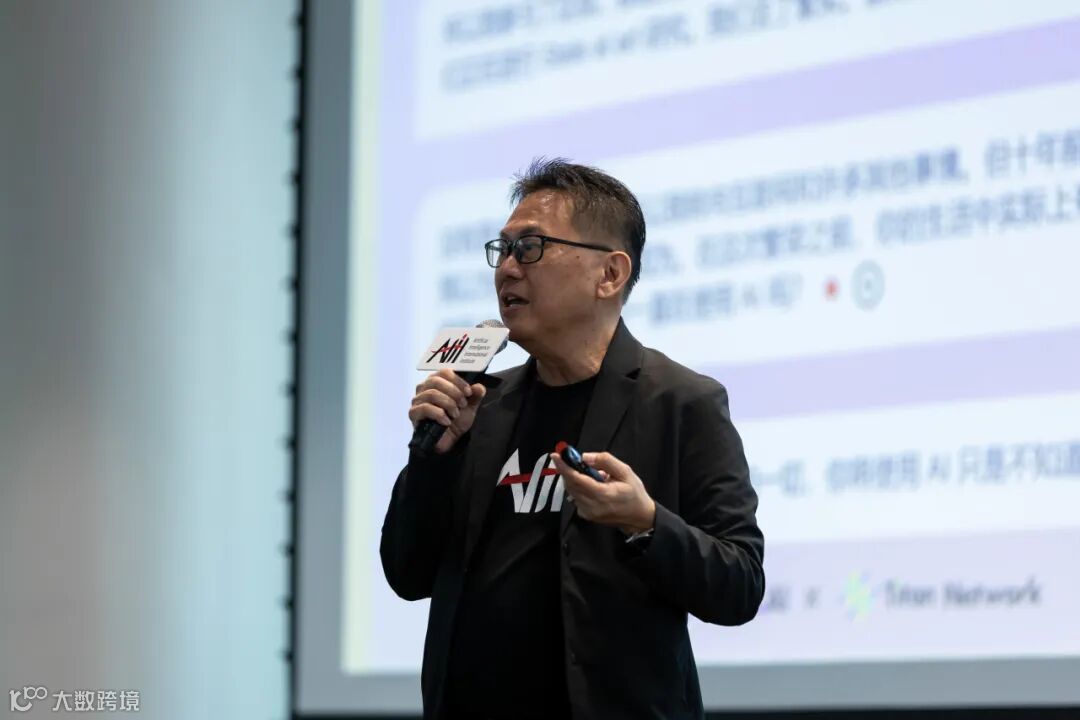
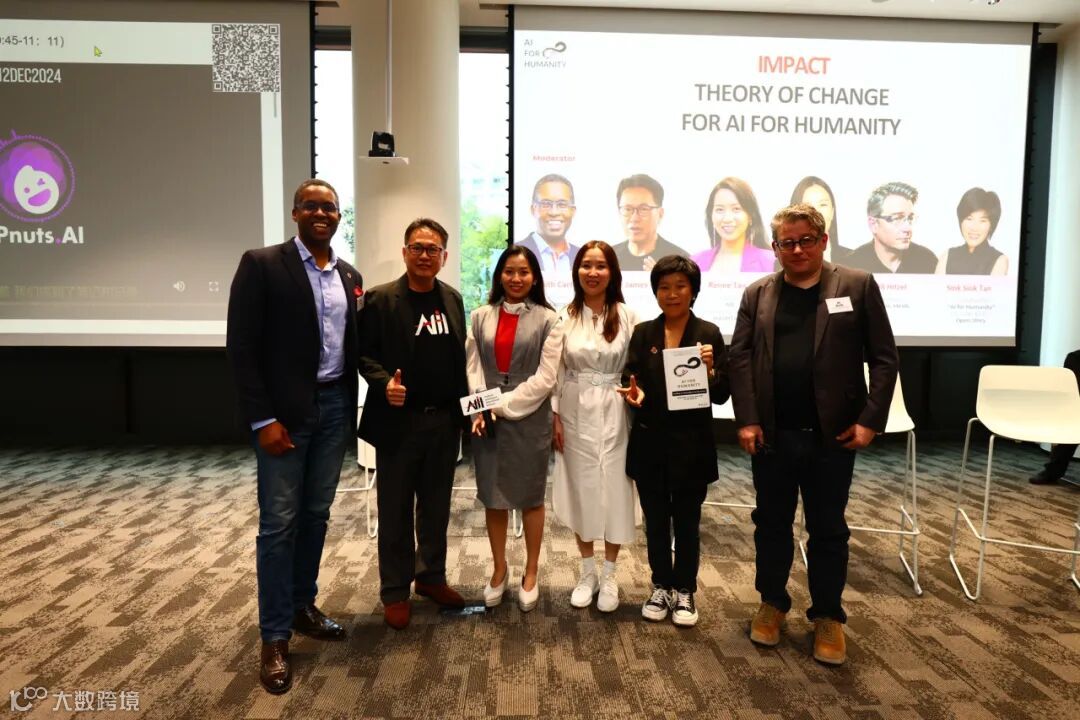
The closing remarks demonstrated Dr James Ong's deep thinking and practical approach to the AI for Humanity movement. He first emphasized the important contributions of female talents and extended sincere thanks to the key partners!
This forum originated from a book launch discussion five weeks ago and was quickly organized under CW Lim's initiative. Despite the brief preparation time, the core team successfully achieved the expected goals.
Next,Dr James Ong proposed three pillars for driving change:
First, thought leadership, emphasizing learning interactions with thought leaders;
Second, ecosystem engagement, planning to expand dialogue from Singapore to China, Middle East, US, and Europe;
Third, capital market restructuring, advocating a shift from traditional business models to a "humanity first" impact model. These concepts will continue to be promoted at upcoming important venues such as the Davos World Economic Forum (WEF) and South by Southwest Conference.
Finally, Dr James Ong emphasized that now is the crucial moment for action, calling on participants to each bring more people to participate, ensuring all humanity can join this transformation before AI truly surpasses humans.
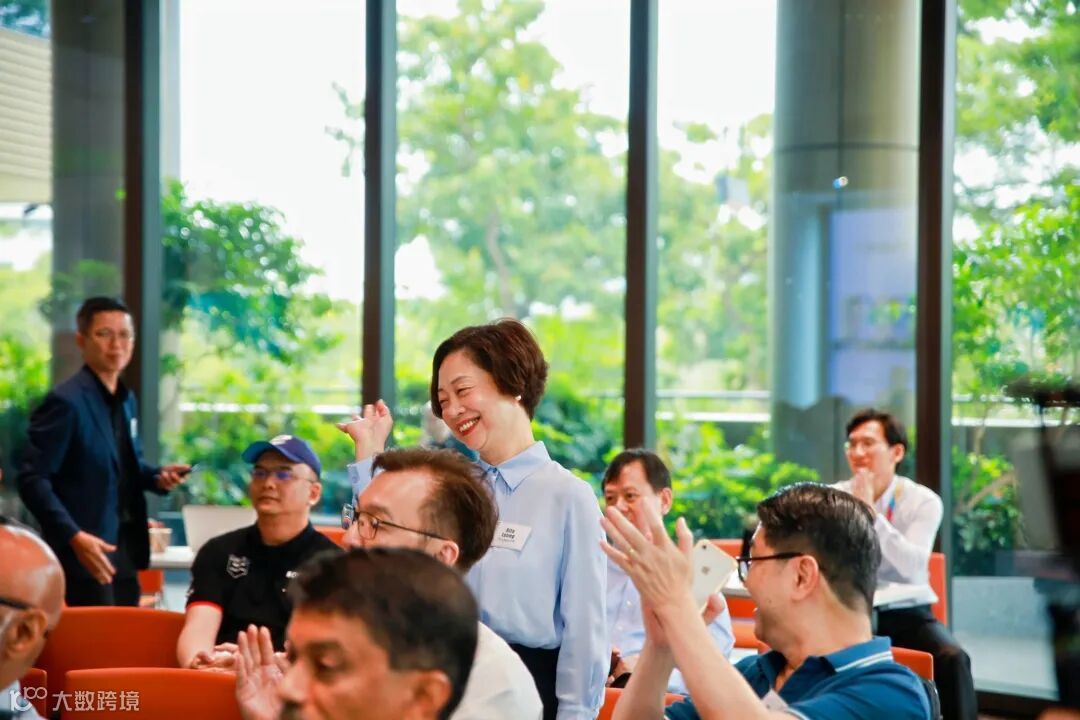
Once again, he extended our gratitude to the particiapants for their strong support of the "AI for Humanity Forum 2024" and that it is due to their active participation and contributions that the forum is a complete success. He expressed that he really appreciated the audience for the advocacy and support for the "AI for Humanity" and look forward to continuing the collaboration in 2025 to jointly promote the development of AI technologies for the betterment of human society.



About Us
Artificial Intelligence International Institute(AIII)
- AI for Humanity Forum 2024 (Singapore) Founding Organization
- The 2nd World Conference on Artificial Consciousness (WACA) Co-Chairing Organization
- World Artificial Consciousness Association (WACA) Deputy Director Organization & Artificial Consciousness Professional Committee Chairing Organization
- WAIC (World AI Conference) Strategic Advisor and International Cooperation Partner
- AIM Asia (Advanced Innovation & Manufacturing Asia Week) Malaysia: Ecosystem Partner
- Singapore Fintech Festival (SFF) Community Partner
- Tech4SDG Founding Partner
- IEEE CAI 2024 (Conference on Artificial Intelligence) Singapore: Industry Co-Chair and Supporting Partner
- AIMX 2023 (Artificial Intelligence Maxima) Singapore: Co-Founding Organization and Strategic Partner
- HASH Innovation Asia Summit Cooperation Partner
- Zhangjiang International AI Competition International Partner and Overseas Organizer
- 6789 Alpha Zone Cooperation Partner and Fusionovator Co-Founding Partner
- Singapore Chamber of Commerce Tech Tuesday Community Partner
- CESI National AI Standardization Committee Expert Member
- CCF Computational Law Sub-Chapter Co-Founding Member