01
Case Review
Medical History
Breed: Ragdoll Cat
Age: 4 years old
Gender: Female
A cat was presented for cardiac evaluation due to a markedly audible heart murmur.
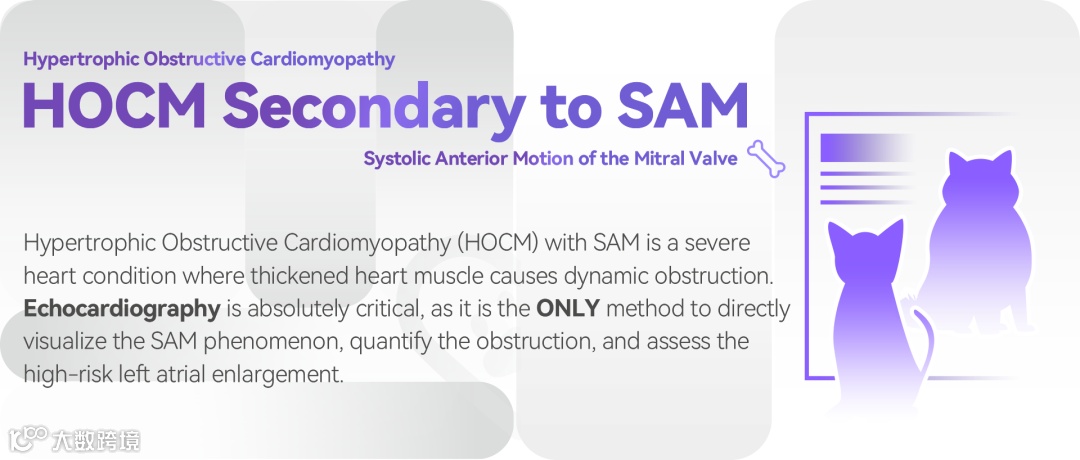
Echocardiography was performed to investigate structural and functional abnormalities, revealing features highly consistent with Hypertrophic Obstructive Cardiomyopathy (HOCM) accompanied by Systolic Anterior Motion (SAM) of the mitral valve.
Ultrasound Findings
1. Severe Asymmetric Hypertrophy
Both the interventricular septum (IVSd) and left ventricular posterior wall (LVPWd) were significantly thickened, each exceeding 0.6 cm.
This pattern is characteristic of HOCM, where diastolic filling becomes progressively impaired.
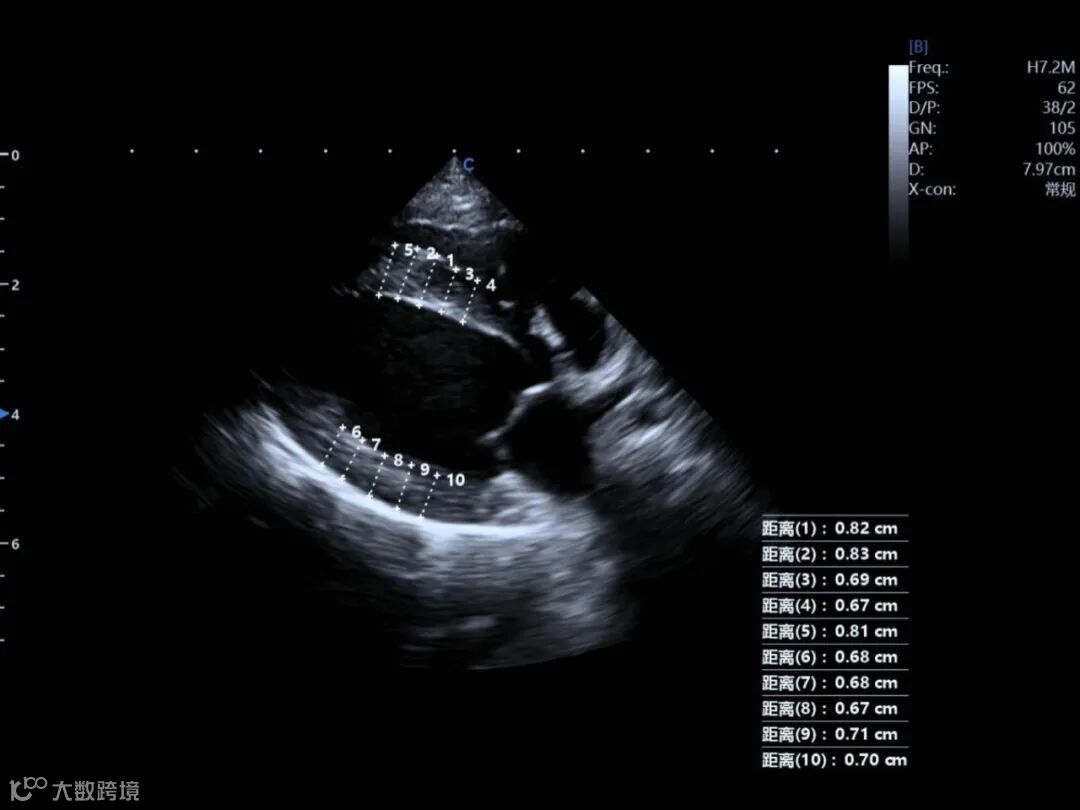
2. Systolic Anterior Motion (SAM) of the Mitral Valve
Prominent SAM caused dynamic obstruction of the left ventricular outflow tract (LVOT).
The turbulent, narrowed outflow is a hallmark of obstructive HCM physiology.
High-velocity mitral regurgitation:Results from SAM-induced malcoaptation of the mitral valve leaflets.
3. Secondary Structural & Hemodynamic Changes
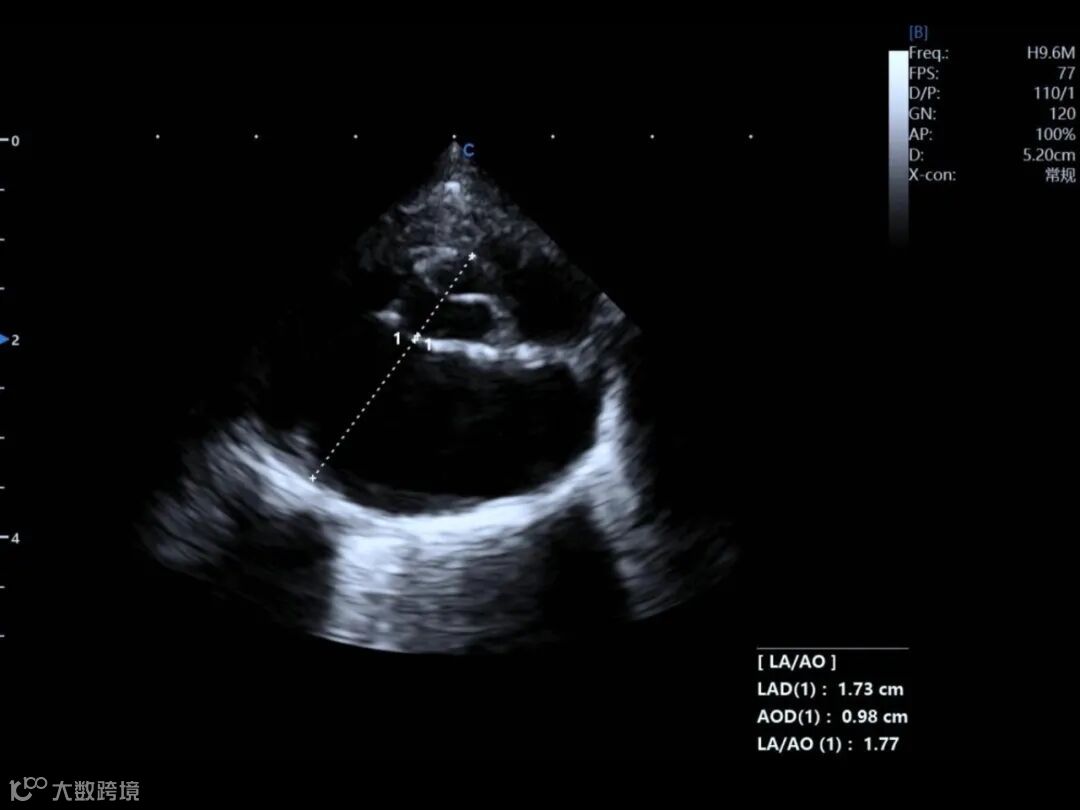
Left atrial enlargement (LA/Ao = 1.77):
Indicates elevated left atrial pressure and significantly increased risk for complications such as arterial thromboembolism (ATE).
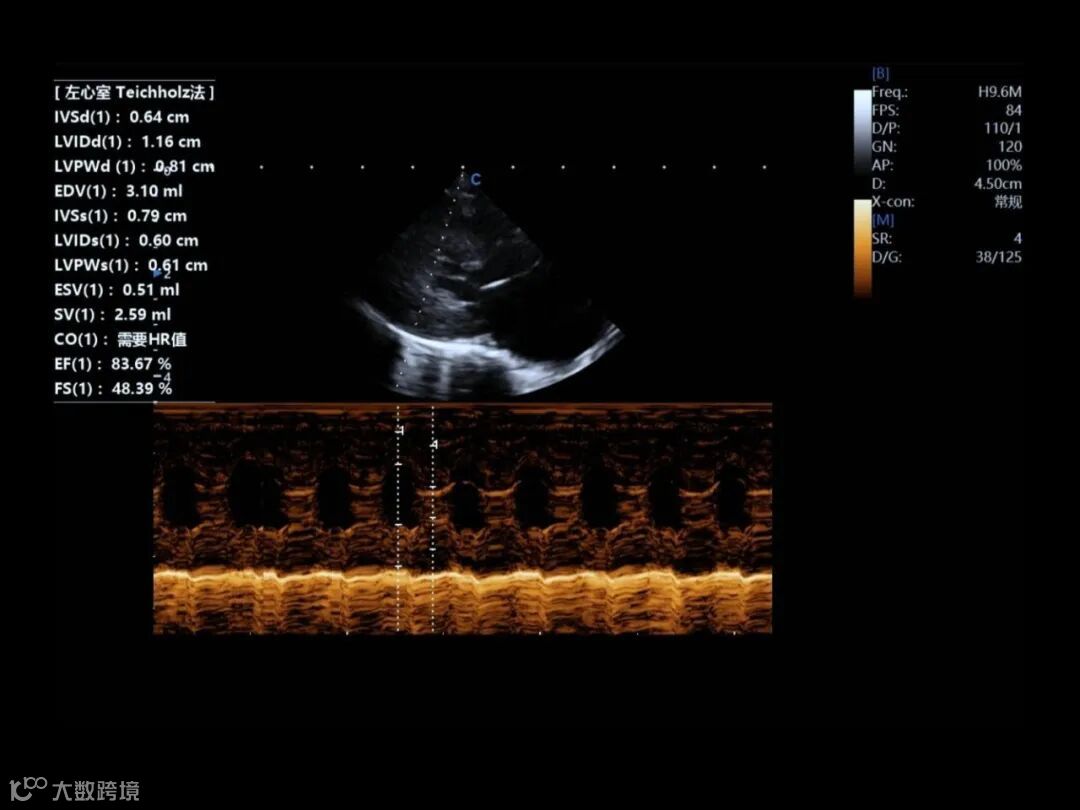
Supra-normal ejection fraction (EF = 83.67%):
Reflects the hyperdynamic state caused by LVOT obstruction, commonly seen in HOCM.
02
Understanding HOCM with SAM
What Is HOCM & SAM?
Hypertrophic Cardiomyopathy (HCM) is the most common heart muscle disease in cats. It’s characterized by thickening (hypertrophy) of the left ventricular wall — often asymmetrical, meaning the interventricular septum (IVS) or posterior wall may be disproportionately thickened.
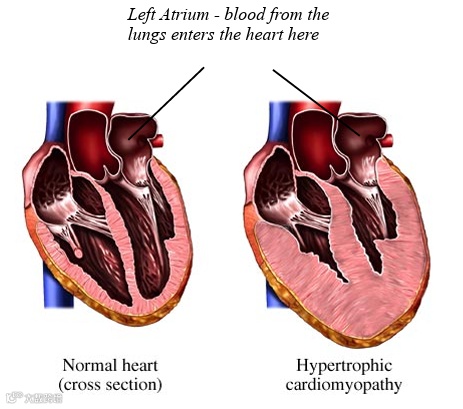
When this hypertrophy is accompanied by Systolic Anterior Motion (SAM) of the mitral valve, causing dynamic obstruction of the left ventricular outflow tract (LVOT), the condition is referred to as HOCM.
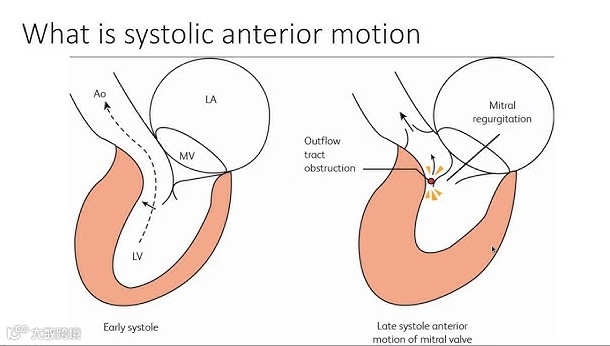
In SAM, the anterior leaflet of the mitral valve (or associated chordae) is pulled toward — and often collides with — the thickened septum during systole. This narrows the outflow tract dynamically, increases flow velocity, and often generates a loud, variable murmur.
What Causes SAM?
In many cats, HCM arises without an identifiable external trigger; it may be genetic, especially in certain predisposed breeds. Mutations in the sarcomeric protein genes, such as those encoding myosin binding protein C, have been identified in some breeds (e.g., Maine Coon, Ragdoll).
The genetic mutations affect the sarcomere’s contractile elements, leading to hyper-contractility and myocardial disorganization; over time, the myocardium thickens.
With myocardial hypertrophy, associated changes in ventricular geometry (e.g., papillary muscle displacement, narrow outflow tract) predispose to SAM.
Once SAM develops, it can worsen LVOT obstruction and create a feedback loop: obstruction → increased wall stress → more hypertrophy → more obstruction.
Which Cats Are at Risk
HCM (with or without SAM) can affect any cat, of any age, sex, or breed. Clinical studies report cases in cats as young as a few months up to older adults.
However, certain breeds show higher prevalence, likely due to genetic predisposition (e.g., Maine Coon, Ragdoll), though many non-pedigreed domestic cats are also affected.
Because hypertrophy develops over time and phenotypic expression is highly variable, all cats with suspicious murmurs or at risk (breed, family history) should be evaluated.
Why Is It Dangerous?
High atrial pressure increases the risk of fatal arterial thromboembolism (ATE).
LVOT obstruction increases cardiac workload, worsening hypertrophy.
Diastolic dysfunction leads to progressive heart failure signs.
03
Why Ultrasound Is Key
in Diagnosis
Even though not all cats with HCM develop overt signs, a small but significant proportion eventually suffer from heart failure or ATE.
Ultrasound Benefit
Clinical Value
Direct visualization of wall thickening
Confirms HCM pattern and severity
Real-time detection of SAM
Identifies dynamic obstruction
Measurement of LA/Ao
Critical prognostic marker
Doppler assessment
Evaluates MR severity and LVOT velocity
Non-invasive & repeatable
Ideal for monitoring disease progression
HOCM with SAM represents a dynamic and complex cardiac disease in cats. It begins with myocardial hypertrophy (often genetically mediated), then altered ventricular geometry induces SAM, leading to LVOT obstruction and mitral regurgitation. These phenomena raise left atrial pressure, cause atrial enlargement, and predispose to thromboembolism and heart failure. Echocardiography is the cornerstone for diagnosing, characterizing, and monitoring this disease — without it, HOCM/SAM may be easily missed or underestimated.
References
Systolic Anterior Motion (SAM) in Cats: What You Should
KnowWritten by Shula Berg BVSc CertAVP(GSAS),GPAdvCert(SASTS) MRCVS,Clinically reviewed by Elizabeth McLennan-Green BVM&S CertAVP(SAM) MRCVS
FELINE HYPERTROPHIC CARDIOMYOPATHY
【Clinical Sharing】In-depth Analysis and Comprehensive Treatment Strategies for Feline SAM Sign (Systolic Anterior Motion of the Mitral Valve)
Follow CHISON for growth