


暗中观察

默默关注
How to Focus on What’s Important, Not Just What’s Urgent
由我们最漂亮的PV小姐姐翻译~
文章来源:《哈佛商业评论》
https://hbr.org/2018/07/how-to-focus-on-whats-important-not-just-whats-urgent
By Alice Boyes JULY 03, 2018
Do you get to the end of the day and feel that you’ve met your most pressing deadlines but haven’t accomplished anything that’s fundamentally important? You’re hardly alone. In a series of studies recently published in the Journal of Consumer Research, people typically chose to complete tasks that had very short deadlines attached to them, even in situations in which tasks with less pressing deadlines were just as easy and promised a bigger reward.
你是否有这种感觉,一天到头你搞定了最紧急的事情但对于那些至关重要的事情却一点没弄。你不是唯一一个有这种感觉的人。根据《消费者研究》杂志近期发布的一系列研究报告,即使是有些任务并没有那么紧迫,非常容易完成,同时会得到更大的回报的情况下,人们普遍还是会选择优先完成那些交期很短或即将到期的工作任务。
It’s natural to want to get deadline-driven tasks squared away and off your mental to-do list. A paradox many people face is that our most meaningful tasks are less likely to have deadlines than tasks that are relatively unimportant. Your important priorities might relate to:
· enacting your values (for example, volunteering or spending more time with your children)
· achieving public recognition (getting invited to sit on industry panels or writing a book)
· improving vital skills (upping your knowledge of statistics or learning a new language)
· averting disasters (scheduling an annual checkup at the doctor or creating a crisis management protocol for your business)
人们很自然的会想要即将到期的任务完成并从待办事项中划掉。一个大多数人都会遇到的矛盾点是,对比那些相对没那么重要的任务,绝大部分的有价值的任务很少有截止日期。对于你来说,关键重要的任务应该围绕以下特征:
· 符合你的价值观(例如,参加志愿活动,或花时间陪伴家人孩子)
· 获得大众认可(例如,受邀参加行业研讨会,或写书创作)
· 提升核心技能(例如,提高数据统计能力,或学习一门外语)
If you’re like most people, these priorities slip to the back of your mind while you work on low-importance, time-specific tasks, such as booking a hotel room for a conference, clearing out your email inbox, or writing a monthly newsletter.
如果你和大多数人一样,当在完成那些不重要但紧急的任务,例如为会议定酒店,清理你的邮箱或者写每月新闻快讯,这些重要的任务会被抛到脑后。
So, what can you do? I’ve put together a list of practical strategies and tips, but know that none of these suggestions is going to lead to your making perfect choices. Aiming for perfection is what causes people to stay stuck. Instead, implement strategies that will incrementally move you in the right direction but don’t require much effort.
所以,你能做写什么来改变呢?我列举了一系列实用的策略和建议,却发现没有一条建议可以帮助你做到完美选择。追求完美往往是导致人员陷入困境的原因。相反地,实施策略能够引导你去往正确的方向同时不需要花费太多的精力。

Schedule Important Tasks, and Give Yourself Way More Time Than You’ll Need
将重要的任务列入你的日程表,并且给自己比实际需要的更多的时间去完成
Research shows that scheduling when and where you’ll do something makes it dramatically more likely that the task will get done.
研究报告表明,计划安排好你做事情的时间和地点能显著地推动任务完成。
For very important and long-avoided tasks, I like a strategy that I call “clearing the decks,” which means assigning a particular task to be the only one I work on for an entire day. I recently used this strategy to get myself to set up a password manager, something I’d been putting off for literally years.
对于重要但一直被拖延的任务,我喜欢用一种我称之为“清理甲板”的方法,即我在某一天,安排自己仅仅只做某一项特定的任务。近期我用这个方法,设置了一个密码管理器,这是一项被我拖延了很多的任务。
Unfamiliar but important tasks often have a learning curve that makes how much time they’ll take to complete unpredictable. Working on them often feels more clumsy than efficient, which is another subtle factor in why we don’t do them. The “clear the decks” strategy of allowing yourself a full day, even when that seems excessive, can be useful in these cases.
对于陌生但是重要的任务,通常会有一个学习曲线使得任务的完成时间难以预估。在完成这类型任务的时候,人们常常更容易感受到笨手笨脚而不是手脚麻利,所以这也是另一个因素导致我们不想去完成。“清理甲板”的方法,让你拥有一整天,甚至有时候不需要一整天,好好地去完成这些任务。

So that you don’t put off important personal care, try having a designated time slot once a week that’s available for you to make a personal appointment during work hours, should this be necessary. This can help ensure you get medical issues investigated early. Most weeks the slot will go unused, but keep it walled off for when the need arises.
所以这一点非常重要:你不要推迟重要的身体检查,而是尝试在工作时间内,至少每周一次为自己设定一个时间段去预约检查。这能帮助你尽早完成你的体检。 大部分的时间里,特定的时间段是用不上的,但是当你需要安排特定时间段的时候,一定要将时间划分出来。
Isolate the Most Impactful Elements of Important Tasks
提炼出重要任务中最有影响力的因素
Big tasks often require incremental progress. Coming back to the password manager example, my initial goal had been to create new, strong, and unique passwords for all my online accounts, but this wasn’t absolutely necessary. It made most sense to start with my 10 to 20 most valuable accounts.
大型任务通常是循序渐进去完成的。我们再看看密码管理器的案例,我最开始的计划是为我所有的在线账号设置一个全新的、安全系数高和独特的密码,但是这并绝对是没必要。我只需要对我最重要的10-20个关键账号重设密码即可。
If you habitually set goals so lofty you end up putting them off, try this: When you consider a goal, also consider a half-size version. Mentally put your original version and the half-size version side by side, and ask yourself which is the better (more realistic) goal. If your task still feels intimidating, shrink it further until it feels doable. You might end up with a goal that’s one-fourth or one-tenth the size of what you initially considered but that’s more achievable — and once you start, you can always keep going.
如果你习惯性地设定高的目标,最终你会推迟完成。尝试一下:当你在考虑设定一个目标的时候,同时考虑下目标值一半的情况。 在心里设想,一边是最原始目标的任务,一边是目标值一半的任务,问问自己那个是更好或者更实际的目标。 如果你的任务还是让人觉得不可承受,继续收缩你的目标值知道你觉得能完成。 最后你可能把目标值缩减到最开始的四分之一或者十分之一,但是目标实现的可能性更高。同时,一旦你开始行动,你能坚持做下去。
Anticipate and Manage Feelings of Anxiety
感知并管理自己的焦虑
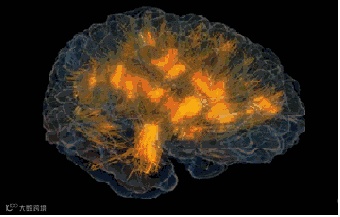
Many important tasks involve tolerating thinking about things that could go wrong, which is anxiety-provoking. Examples: making a will, investigating a lump, succession planning for your business, actually reading your insurance policies, or creating that crisis management plan.
很多重要的任务都会让人担忧事情搞砸,从而引发人们焦虑。例如,列医嘱,调查解决难题,为企业做接班人计划,好好阅读你的保险政策,或者制定一个危机管理计划。
Even when tasks don’t involve contemplating catastrophes, those that have the potential for large payoffs in the future commonly involve tolerating anxiety. General examples of important but potentially anxiety-provoking tasks include: developing new friendships, doing something challenging for the first time, asking for what you want, having awkward conversations, facing up to and correcting mistakes, and chipping away at large, multi-month tasks where you need to tolerate fluctuating self-confidence and doubt throughout the project.
即使有些任务不会伴随危难,但是那些未来潜在的影响也会引起焦虑。常见的重要但让人有可能产生焦虑的情况有:结交新的人脉、首次尝试一些挑战的事情、争取自己想要的、尬聊、面对或纠正错误、以及在大型长期的项目中削减开支,并在项目过程中需要忍受反反复复的自信打击和怀疑。
Broadly speaking, working on important things typically requires having good skills for tolerating uncomfortable emotions. Here’s a personal example: Reading the work of writers who are better than I am is useful for improving my skills, but it triggers envy and social comparison. Acknowledging and labeling the specific emotions that make an experience emotionally challenging is a basic but effective step for reducing those emotions.
总的来说,处理重要的事情通常需要找到很好的办法来忍受不舒服的情绪。这里有一个例子: 通过阅读比我优秀的作家的作品,对提高我的技能很有用,但会引发我的嫉妒和社会比较。承认并标记下那些自己产生不良情绪时候的特定情绪,是减少这些不良情绪的基本但有效的方式。
You’ll be better able to pursue goals that involve going outside your psychological comfort zone if you have top-notch skills for managing your thoughts and emotions.
如果你掌握了管理自己思想和情绪的能力,你会在完成追求超越心理舒适区的目标上做得更好。

Spend Less Time on Unimportant Tasks
在不重要的任务上少花时间
Unimportant tasks have a nasty tendency of taking up more time than they should. For example, you might sit down to proofread an employee’s report — but before you know it, you’ve spent an hour rewriting the whole thing. In the future, you might decide to limit yourself to making your three most important comments on any piece of work that’s fundamentally acceptable, or give yourself a time limit for how long you’ll spend providing notes.
不重要的任务往往会占用比实际需要更多的时间。例如,当你坐下来审阅一个员工的报告的时候,在你意识到之前,你已经花了一个小时重写了整个报告。在未来,你可能会强制要求自己对每一个基本接受的工作做出三个最重要的评估,或者给自己一个时间限制将花多长时间做记录。
Having strategies for making quicker decisions can help too. When you’ve got a pressing decision to make, it can be better to make a quick decision than a perfect one that takes more time.
掌握快速决策的方法也是非常有帮助的。当你要做一个紧急的决定时,与其花更多的时间去做一个完美的决定,不如快速地做出一个决定。
Prioritize Tasks That Will Reduce Your Number of Urgent but Unimportant Tasks
任务的优先级排序可以减少你的紧急但不重要的任务
In modern life, it’s easy to fall into the trap of being “too busy chasing cows to build a fence.” The sorts of scenarios you most want to avoid are fixing the same problems over and over or giving the same instructions repeatedly. To overcome a pattern of spending all day “chasing cows,” you can outsource, automate, batch small tasks, eliminate tasks, streamline your workflow, or create templates for recurring tasks. Look for situations in which you can make an investment of time once to set up a system that will save you time in the future, such as setting up a recurring order for office supplies rather than ordering items one at a time as you run out.
在当今时代,很容易陷入“忙着赶牛去搭篱笆”的情况。那些你最希望避免的情况,就是反复地解决同样的问题,或者反复地做同样的指导。为了克服整天“追牛”的模式,你可以使用外包、自动化、批量处理小任务、消除任务、简化工作流或创建重复任务的模板。寻求达到一种境界,即一开始就投资时间来建立一个系统,从而在未来节省你的时间,比如为办公用品建立一个循环采购的流程,而不是在用完的时候一次订购一个。
One specific strategy I cover in The Healthy Mind Toolkit is retraining the “decision leeches” in your life. Decision leeches are people who defer decisions to you. For example, you might ask someone else to make a decision, but instead of doing it, they email you a list of options for you to look at, putting the responsibility back on you. Instead of automatically answering the person, ask them to make a clear recommendation.
我在《The Healthy Mind Toolkit》中提到的一个具体策略是:重新训练你生活中的“决策寄生虫”。决策寄生虫是那些拖延给你决定的人。例如,你可能会请某人做决定,但是他们没有这样做,而是给你发了一份清单让你看一看,把责任推给你。不要直接回复他们,而是请他们给出一个明确的建议。
Pay Attention to What Helps You See (and Track) the Big Picture
关注那些能帮助你纵观全局的事
When we’re head-down in the grind, it’s hard to have enough mental space to see the big picture. Pay attention to what naturally helps you do this. Something that helps me is travel, especially taking flights alone. There’s nothing like a literal 10,000-foot view to give me a clearer perspective on my path. Spreadsheets help me see the big picture too. As much as I hate bookkeeping and taxes, doing them helps me pay attention to and optimize my overall situation. Taking more breaks can help stop you going down the rabbit hole of spending a lot of time on unimportant things without realizing that’s what you’re doing.
当我们在埋头苦干的时候,很难有足够的精力去来看清全局。此时,要注意什么能很自然地帮助你做到纵观全局。在这一点上,旅行对我很有帮助,尤其是独自乘坐飞机。没有什么比一万英尺的视野,更能让我对自己人生道路有一个更清晰的认识。电子表格也能帮助我看清全局。尽管我讨厌记账和缴税,但这样做可以帮助我关注并优化我整体的财务状况。多放松休息,可以帮助你避免在没有意识到的情况下,花大量时间在不重要的事情上。
Another thing that helps keep me focused on my important goals is catching up with colleagues I see every six months or so. Invariably this involves giving each other an update on what we’ve been doing and what we’re trying to get done. Likewise, when it comes to money, there are certain personal finance bloggers I like to read from time to time to help me stay on track.
另一个能帮助我专注于自己重要任务的办法是,每六个月左右就要赶超我的同事或者相似的事情。一般地,这包括双方互相跟进我们一直在做的事情和我们正在努力完成的事情的最新进展。同样的,当涉及到钱的时候,我也会时不时地读一些我喜欢的理财博客文章,来帮助我坚持下去。

Tracking your time use can help too, but the downside is that tracking itself takes time and willpower. I use the RescueTime app to effortlessly track how much time I’m spending on different websites (including Gmail). Then I take a quick glance at the report each week.
记录你的时间使用情况也会有帮助,但缺点是记录的动作本身是需要时间和意志力。我使用一个叫“RescueTime”的App来帮助我记录,我在不同网站上花费的时间(包括Gmail)。然后,我每周都会快速浏览一下这份报告。
Whatever helps you see the big picture, don’t skip those things. Also, give yourself time after those activities to figure out how you’re going to translate your insights into specific plans and actions.
不要放过任何能帮助你看清全局的机会。同时,在这些活动之后,给自己一些时间去思考如何将你的洞察力转化为具体的计划和行动。
If you’re struggling with prioritizing the important over the urgent, don’t be too hard on yourself. The number of deadlines and decisions we face in modern life, juxtaposed with the emotionally (and cognitively) challenging nature of many important tasks, makes this struggle an almost universal one. I’ve written entire books on how to focus on the big picture and stop self-sabotaging, and I still find it difficult. I consider success as taking my own advice at least 50% of the time! This is a reasonable rule of thumb that you might adopt, too.
如果你正纠结于优先做重要的事情,而不是紧急的事情,不要对自己太苛刻。现代生活中,我们要面对的截止日期和做决定的数量,与掺杂着挑战人性情感上(和认知上) 的许多重要任务,使得这种斗争几乎成为一种常态。我已经写了一整本书关于如何关注全局和停止自暴自弃,但我仍然觉得这很难。我认为做到至少50%的时间在采用我提出的建议方法,就算是成功。是一个合理可行的经验法则,你也可以试一试。
文案 | Echo
翻译 | Echo
排版 | Daisy
长按识别二维码,了解更多精彩内容



空白
PV小姐姐 与你一期一会

PowerVision
输入