


04/19/2021 / By Franz Walker
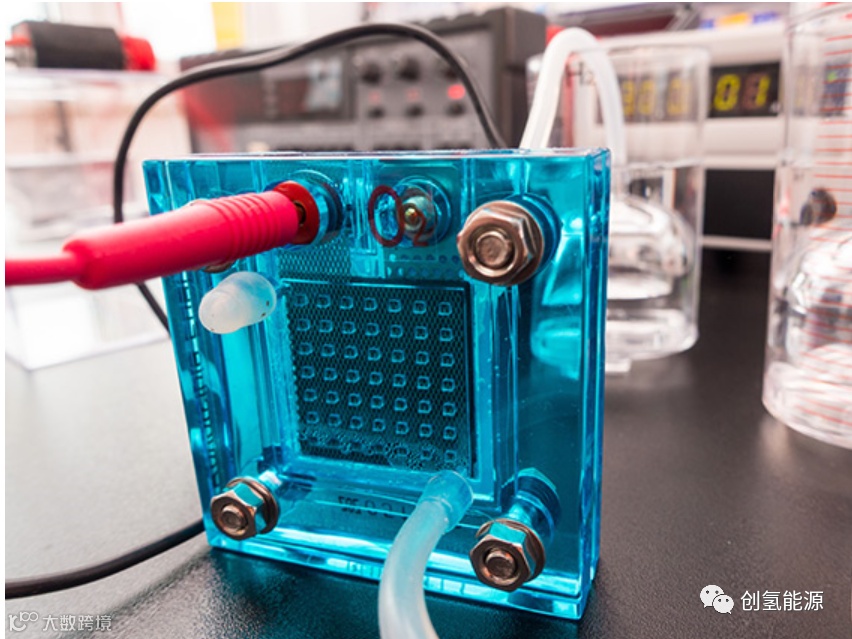
A new analysis shows that methanol fuel cells are more efficient at producing electricity than hydrogen fuel cells.
Fuel cells use hydrogen – the most abundant element in the universe – to produce clean and efficient electricity to power cars, trucks, buses and ships, as well as even homes and businesses. Hydrogen is considered the cleanest fuel of all, as burning it only produces water.
The same goes for the electrochemical process inside fuel cells, where hydrogen and oxygen are combined to form water, producing electricity in the process.
But hydrogen is also highly flammable. It has a lower ignition energy than gasoline or natural gas, which means it can ignite quite easily. As such, handling it can be quite dangerous, and developing means of doing so in a manner that’s safe for the average consumer has been one of the biggest challenges facing fuel cell technology.
Methanol is much more efficient than hydrogen alone
In their analysis, the Energy Industry Review outlines the many advantages of methanol as a hydrogen carrier. Not only is this alcohol less flammable than hydrogen, but it also packs more of hydrogen than even liquified hydrogen.
This means vehicles and establishments can run much longer using methanol than with an equivalent amount of liquified hydrogen alone, with less safety risks. (Related: Breakthrough on-demand hydrogen fuel generator may make hydrogen cars safe and practical.)
The analysis also points out that methanol can simply be “reformed” at an on-site fueling station to generate more hydrogen. In addition, fuel cell electric vehicles (FCEV) such as cars and buses can also use onboard reformer technology.
The latter means that FCEVs carrying methanol can travel longer ranges than those carrying pure liquified hydrogen alone – up to 800 kilometers (497 miles) on methanol compared to just 200 km (124 miles) on pure hydrogen alone.
In addition, the analysis points out that methanol can be produced much more economically than pure liquified hydrogen. The latter requires expensive and power-hungry electrolysis. At the same time, using renewable energy for hydrogen production – so as to not defeat the purpose of switching to hydrogen in the first place – was also expensive.
On the other hand, methanol can be cheaply produced from a wide range of conventional and renewable feedstocks. Because of this, the analysis calls methanol “the most affordable, sustainable, and easily handled hydrogen carrier fuel.”
Commercial FCEV using methanol-based hydrogen generator currently in testing
Developing a highly efficient and safe hydrogen infrastructure, whether or not it uses methanol as a carrier, is important as more companies start to develop fuel cell technology and FCEVs.
The analysis notes that hydrogen development company Element 1, in collaboration with Co-Win Hydrogen Power, announced the road testing of the world’s first medium-duty fuel cell last September. The test uses Element-1’s M-Series methanol-based hydrogen generator, incorporated into a medium-duty truck from a large truck manufacturer. Extended road testing of the vehicle is now currently under way in Asia.
“CO-WIN is both a valued strategic partner and licensee of e1, and we are excited to be working with them on this fuel cell truck project,” said Dave Edlund, Element 1’s Chief Executive Officer. “The hydrogen generation technology being deployed is unique to [Element 1] and is a game changer for clean transportation. To my knowledge, no other company in the world can provide a commercial onboard hydrogen generation product comparable to our M-Series product line.”
Other FCEV efforts, both as test programs and actual vehicles for sale or lease, have come before. Most notable are Honda’s FCX Clarity and Toyota’s Mirai. But these have been limited releases targeted squarely at the passenger car market.
Element 1’s effort is one of the first to test hydrogen power on a commercial vehicle. Should it prove successful, the test could lead to greater use of hydrogen FCEVs using efficient, methanol-based systems in commercial applications.
“Our broad collaboration with CO-WIN is expected to result in the mass commercialization of fuel cell systems supporting not only transportation, but also telecom and distributed power applications throughout the Asian market,” he added.
甲醇燃料电池效率更高
一项最新的分析表明,甲醇燃料电池比氢燃料电池更能有效地发电。
燃料电池使用氢——宇宙中最丰富的元素——产生清洁高效的电力,为汽车、卡车、公共汽车和船舶,甚至家庭和企业供电。氢被认为是最清洁的燃料,因为燃烧只会产生水。
燃料电池内部的电化学过程也是如此,氢气和氧气结合形成水,在这个过程中同时产生电能。
但是氢气也是高度易燃的气体,它的点火能量比汽油或天然气低,这意味着它可以很容易地点燃。因此,处理它可能是相当危险的,以安全的方式提供给普通消费者一直是燃料电池技术面临的最大挑战之一。
甲醇比氢气效率高得多
《能源工业评论》在分析中概述甲醇作为氢载体的许多优点。这种类似酒精的物质不仅比氢气安全性高,而且比液氢还能储存更多的氢气。
这意味着车辆和设施使用同体积甲醇的时间比单独使用等量的液氢更长,安全风险更小。(相关:突破按需氢燃料发生器可使氢气汽车安全使用)。
分析还指出,甲醇可以简单地"改造"在现场的加油站产生更多的氢气。此外,燃料电池电动汽车(FCEV),如汽车和公共汽车也可以使用车载改革技术。
后者意味着携带甲醇的FCEV比单独携带纯液氢的FCEV的行驶距离更长——甲醇的航程可达800公里(497英里),而纯氢的行驶距离仅为200公里(124英里)。
此外,分析指出,甲醇比纯液氢更经济地生产。后者需要昂贵和耗电电解。与此同时,将可再生能源用于氢气生产,代价相当高昂。
另一方面,甲醇可以从各种传统和可再生原料中廉价生产。因此,分析称甲醇为"最经济、可持续、易于处理的氢载体燃料"。
商业 FCEV 使用甲醇氢发生器目前正在测试中
随着越来越多的公司开始开发燃料电池技术和 FCEV,开发高效、安全的氢气基础设施(无论是否使用甲醇作为载体)非常重要。
分析指出,氢气开发公司E1与CO-WIN 氢动力公司合作,于去年9月宣布全球首个中型燃料电池的道路测试。该测试使用 E1 的 M 系列甲醇氢发生器,该发电机由大型卡车制造商整合到一辆中型卡车中。目前正在亚洲对车辆进行延长道路测试。
"CO-WIN 既是E1 的重要战略合作伙伴,也是E1 的特许合伙人,我们很高兴能与他们合作进行这一燃料电池卡车项目,"E1 首席执行官戴夫·埃德隆德(Dave Edlund)表示。"正在部署的氢生成技术是E1 所独有的,是清洁运输的创新规则改变者。据我所知,世界上没有其他公司能够提供与我们的M系列产品线相媲美的商业机载氢气发电产品。
E1 的努力是最早在商用车上测试氢动力的努力之一。如果试验成功,可能导致在商业应用中更多地使用高效的甲醇系统。
他补充说:"我们与CO-WIN 的广泛合作有望实现燃料电池系统的大规模商业化,不仅支持运输,还支持整个亚洲市场的电信和分布式电力应用。