
In the quality control systems of production lines for home appliances such as refrigerators and washing machines, ensuring that there are no foreign objects inside and that the assembly is error - free is a crucial aspect. Taking refrigerators and washing machines as examples, the complexity of their internal structures has its own characteristics. Inside a refrigerator, there are numerous partitions and storage shelves, dividing the space into a fragmented and complex layout. Inside a washing machine, apart from the irregular - shaped washing tub, there are various transmission structures, pipelines, and control components.
The complexity of these structures restricts ordinary inspection equipment. Limited by the camera's viewing angle, depth - of - field range, and image resolution capabilities, it is difficult to conduct a detailed, in - depth, and comprehensive inspection of every detail inside the home appliances. For instance, in some narrow gaps, occluded corners, and the deep interior of multi - layer structures, cameras often cannot obtain clear images, causing foreign objects or assembly problems inside the washing machine to be overlooked.
1. Manual inspection is indispensable
Given the limitations of traditional inspection equipment, manual inspection has become a crucial part in controlling the quality of home appliance production. Workers can, by relying on their own operations and intuitive perception, open the doors of refrigerators and washing machines, closely examine every area inside, manually touch suspicious parts, and judge whether there are abnormalities based on experience. This effectively compensates for the lack of precision and comprehensiveness of inspection equipment.
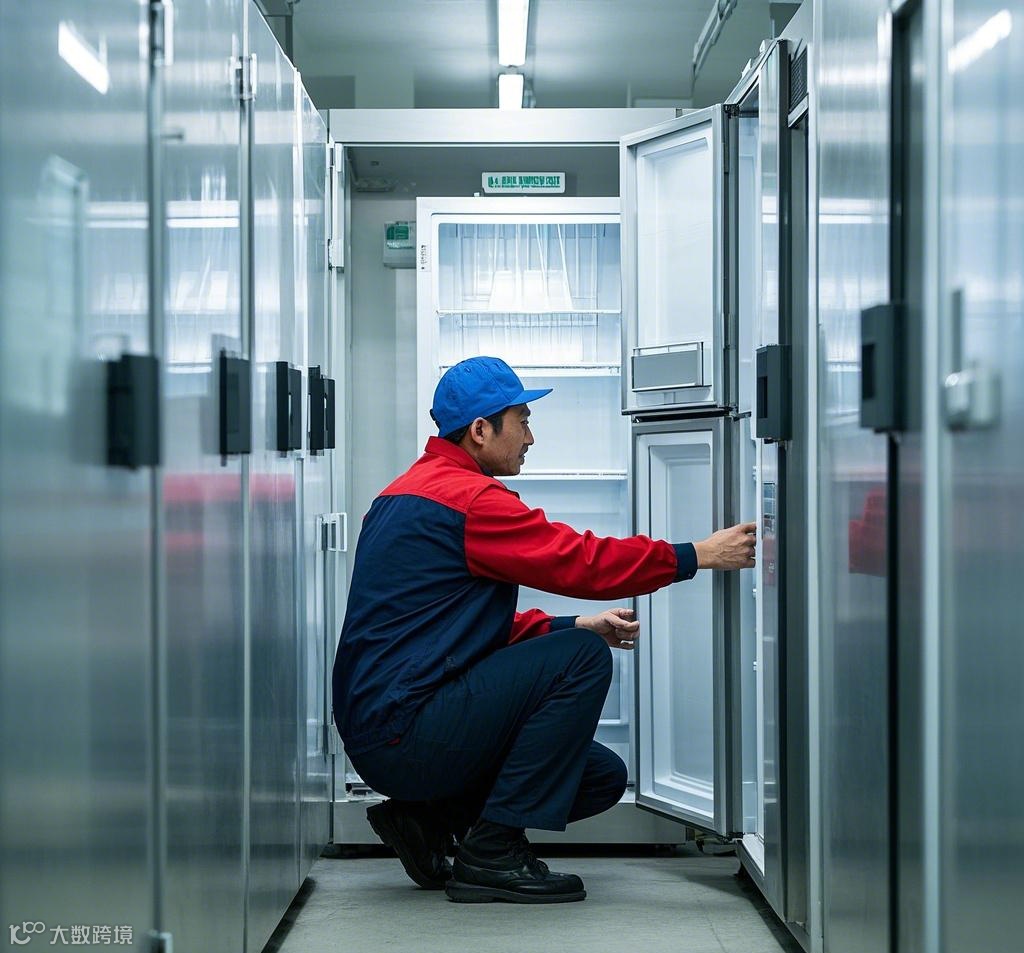
However, manual inspection is not perfect. Workers need to maintain a high level of attention and concentration during inspection. Nevertheless, long - term repetitive and high - intensity work can easily lead to visual fatigue and mental slackness. Under such circumstances, even experienced workers may make inspection deviations, overlook certain areas or ignore some minor issues. For example, when checking areas that frequently show no abnormalities, workers may unconsciously lower the inspection standards, resulting in problems not being detected in a timely manner.
2. Behavior recognition tech application
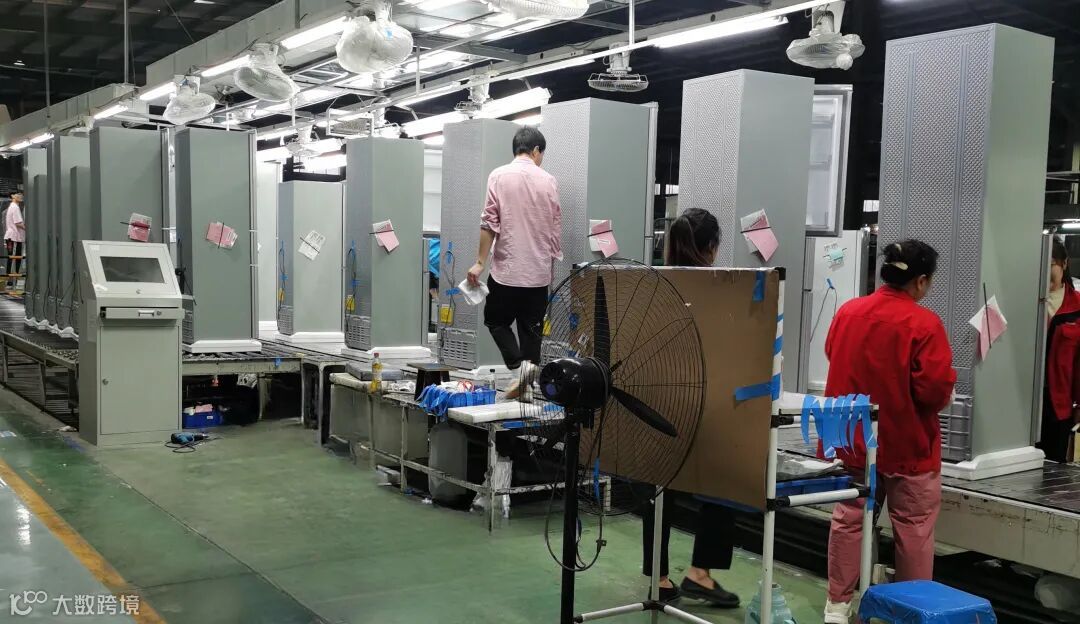
The system can accurately identify the movement trajectories and action sequences of employees. For instance, when inspecting the interior of a refrigerator, the system can monitor in real - time a series of actions by workers, such as opening the refrigerator door, inspecting the inside, and closing the door. It can automatically recognize whether workers conduct inspections in the correct order (from left to right), preventing omissions or reverse - order operations.
By detecting the key action target points of workers, the system can also identify every action link during the processes of workers picking up, placing components, and performing assembly operations. If workers skip some important key actions, the system will issue a voice reminder to ensure that products with missing accessories or omitted processes do not enter the market, avoiding impacts on the normal functions of products, and thus safeguarding customer experience and brand value.
In this context, replacing manual inspection with artificial intelligence can not only significantly reduce labor consumption but also achieve 24 - hour non - stop supervision of work actions, effectively avoiding the above - mentioned problems and ensuring product quality.