


2019 has been another year of successful neuroscience research. Here's our selection of the most exciting neuroscience stories of the year, from the biggest ever brain map of human Alzheimer’s disease to the first mind-controlled robotic arm.
1. World first as artificial neurons developed to cure chronic diseases
Artificial neurons, that respond to electrical signals like real neurons, have been developed on silicon chips by scientists at the University of Bath, University of Bristol, University of Zurich and University of Auckland.
Designing artificial neurons that can respond to signals like real neurons has been a goal for decades. These neurons have the potential to be used to cure diseases that are caused by degeneration or malfunctioning of neurons, such as Alzheimer’s disease, multiple sclerosis and heart failure.

Image credit: University of Bath
2. Observing and controlling subcellular neuronal activity with multiphoton microscopy
Neurons possess beautiful but complex shapes. Electrophysiological techniques are the gold standard for measuring neuronal activity. However, the submicrometer nature of dendritic spines and synaptic boutons makes them generally unsuitable for such invasive electrode recordings. How can we monitor and control activity in these structures? Dr. Simon Chamberland, NYU Langone Medical Center, reviews key advantages of two-photon microscopy for studying neuronal activity in scattering brain tissue.
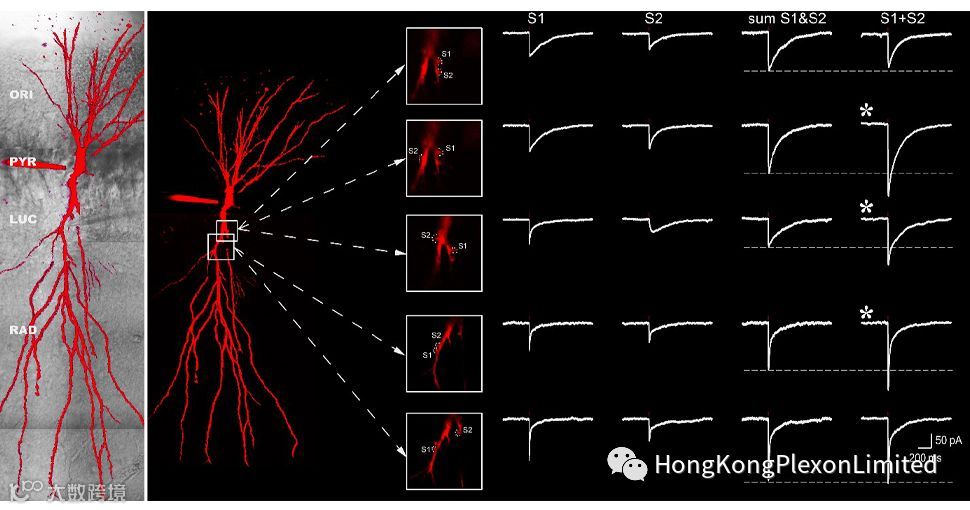
Image credit: Laboratory of Dr. Katalin Tóth
3. Biggest ever map of human Alzheimer’s brain published
Researchers from the Universities of Manchester, Bristol, Liverpool and Auckland published the biggest ever brain map of human Alzheimer’s disease.
The map was created using data from a study of the differences between healthy brains and the brains of those with Alzheimer’s disease. The researchers mapped the relative levels of over 5,825 distinct proteins across six regions of the brain and generated 24,024 data points.
During the study, the researchers found new molecules that were previously not associated with Alzheimer’s disease, which could be potential new drug targets.
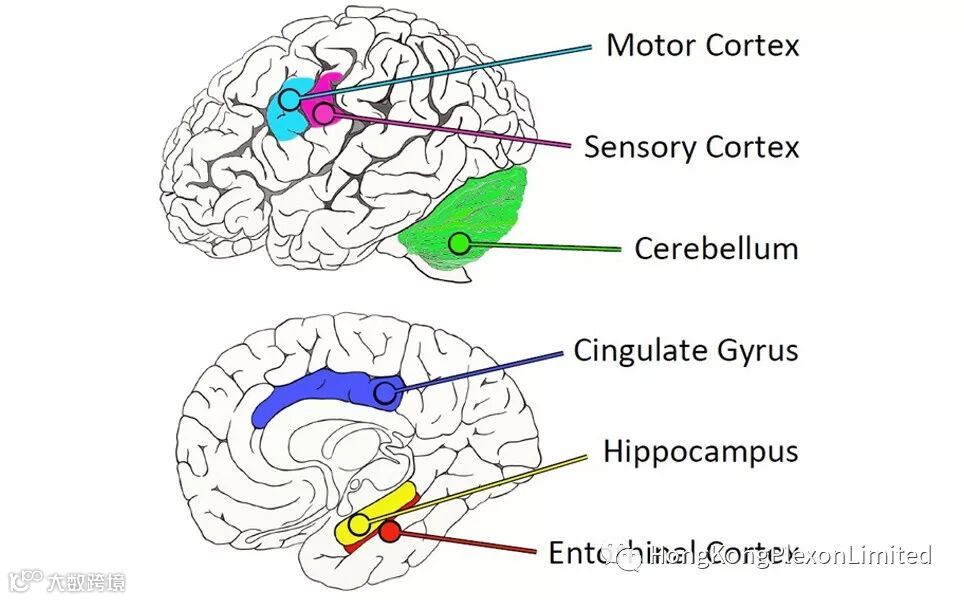
Image credit: University of Manchester
4. #LabHacks: Checking the alignment of your Galvo mirrors
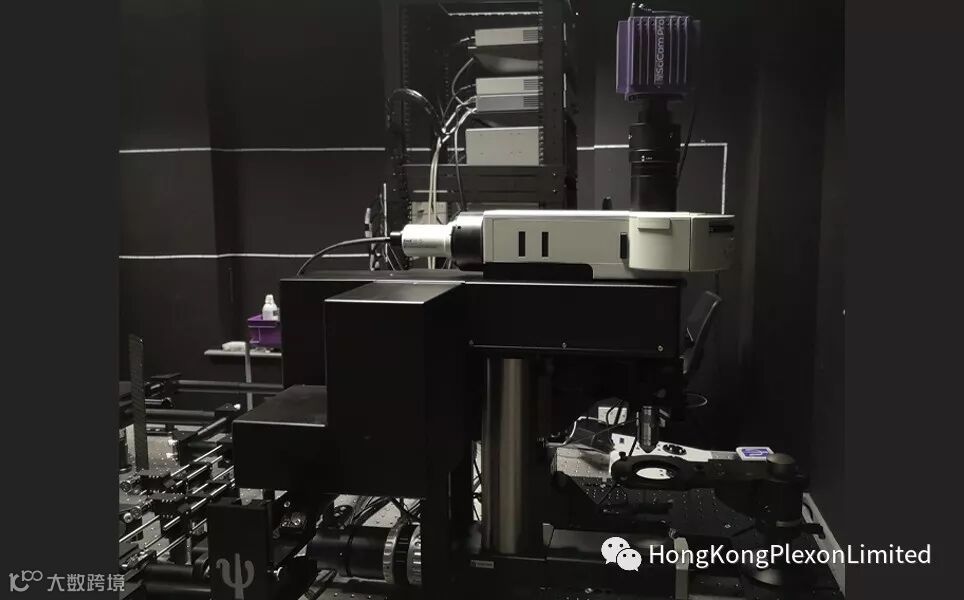
Following our popular guide that explains how to align your laser for two-photon imaging, in 2019 we published this helpful guide demonstrating how to check the alignment of your HyperScope Galvo mirrors. Included in this guide are steps for parking the scan mirrors in the centre of their travel using NI MAX and then aligning the Galvo mirrors.
5. High-speed, 3D SCAPE microscope captures stunning, live videos of fruit fly nerve cells in action
Columbia University researchers utilised their cutting-edge microscope, called SCAPE, to create 3D videos of individual neurons moving, stretching and twitching inside fruit fly larvae as they crawled.
The SCAPE microscope enabled researchers to see the activity of the neurons whilst measuring the 3D movements of the body. The data obtained from these videos revealed how proprioceptive neurons work together to help the body sense where it is in space. The team could see that different proprioceptive neurons fired when the animal performed different movements.
SCAPE will continue to be used to map connections between cells and identify the role of various cell types in different activities, including moving, eating and even forming new memories.

Image credit: Columbia University