



Chinese internet culture is relatively young but is maturing with startling speed. In just a few years, Chinese web design has evolved greatly. However, English and Chinese websites are still substantially different, in more ways than just language.
Chinese internet users like to browse through large amounts of information, both specific and related, available to them at once. Western internet users enjoy searching for what they are interested in. Without formats and functions that cater to the Chinese audience, many potential customers may leave the website, a severe waste of traffic.
Customer habits and internet ecosystems unique in China heavily influence website designs and must be taken into consideration.
Design Differences

Navigation
Western and Chinese web design do share some elements, for example, primary navigation options at the top of the page. However, Chinese websites tend to provide more options than Western websites. Menus offer general categories as well as shortcuts to popular specific topics.
Example of primary navigation options in Chinese websites: www.sina.com.cn

Example of primary navigation options in Western websites: www.edition.cnn.com

Secondly, for eCommerce websites which require more comprehensive structured navigation, although both Chinese and Western websites make use of collapsing submenus, Western submenus are typically organized vertically for further details while Chinese websites prefer it in horizontal rows.
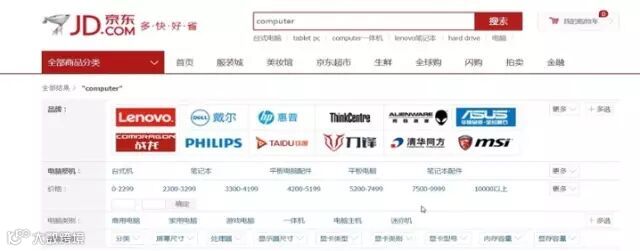
There is a similar preference when it comes to filters and attribute sorting settings – Chinese websites adopt horizontal design at the top of the page below the primary navigation bar, while Western websites favour sidebars, extending vertically down from left side of the page.
Example of the filters and attribute options typically seen in Chinese websites: www.jd.com

Content structure
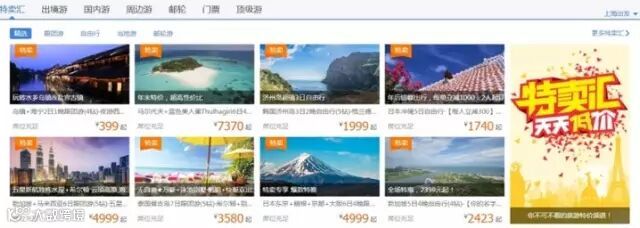
The ways that Chinese and Western websites structure content cater to their audiences respectively. Western websites tend to use whitespace and graphics liberally to direct attention. Page partitions are large and categorically sorted, allowing users to scan quickly. Chinese websites tend to fully utilize page space for content. Information is separated into smaller blocks so users can look through broader categories before deciding which one to further click and dive deep for details.
Example of the smaller, block page partitions in Chinese websites: www.ctrip.com

Page Length
Western website designs, particularly with the way their content is organized, typically make use of very long pages. Hyperlinks, rather than redirect to another page, often jump to tags within the same page. Chinese web designs produce pages that are shorter and more topic specific. Chinese website are usually 2 full screen lengths or less.

Colour
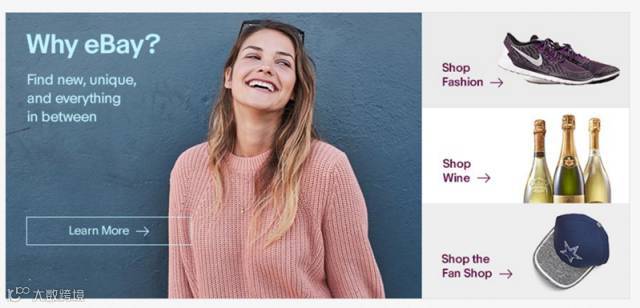
Western website designs are often minimalistic with the way colours are used. Contrast between content and page background is accented so that users can easily locate content in the whitespace.
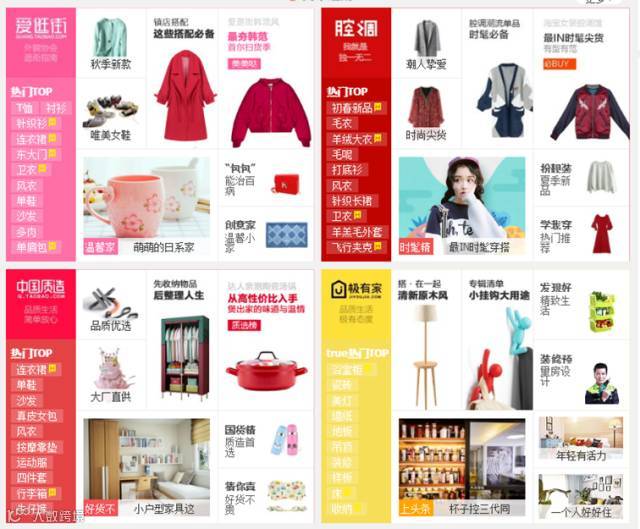
Chinese websites use colour in a different way. Chinese internet users like to see bright colours. Despite the emerging trend in Chinese web design for simplicity, Chinese people still prefer websites which are more informative and lively. Due to the amount of text and the density of content -partly also due to the nature of Chinese characters, important details are often coloured separately from the rest to differentiate.
Differences between the colour on Western and Chinese websites.
Western
Chinese

Function Solutions

Merchandizing
Chinese transaction-enabled websites enhance brand image and generate additional conversion by offering diversified promotions. Content panes on attractive deals and events can be interacted with quickly. Most popular deals are the deal of the day, limited time only items, flash sales and group purchases. Websites also offer customer loyalty programs where prizes are given out for frequent business or where company points can be redeemed for rewards. These features encourage customers to return and check the website frequently for sales they may be interested in.

New Windows
Western websites typically open links in the same window. Users click back through the pages they browsed or start a new search altogether. Chinese websites operate differently, they open links in a new tab or window. This allows users to compare information between tabs or queue reading easily.

QR Codes
The mobile industry is hugely influential in China. Websites in China offer easy ways to interface with mobile devices. Many incorporate QR codes for various objectives:
Encourage users to follow the company’s social account and allow quick logins
Convenient way for users to download the mobile apps to drive adoptions of mobile apps
Associated with online payment accounts for quick payments
Example of QR code display on website for users to download the mobile APPs: www.taobao.com


Online Chatting
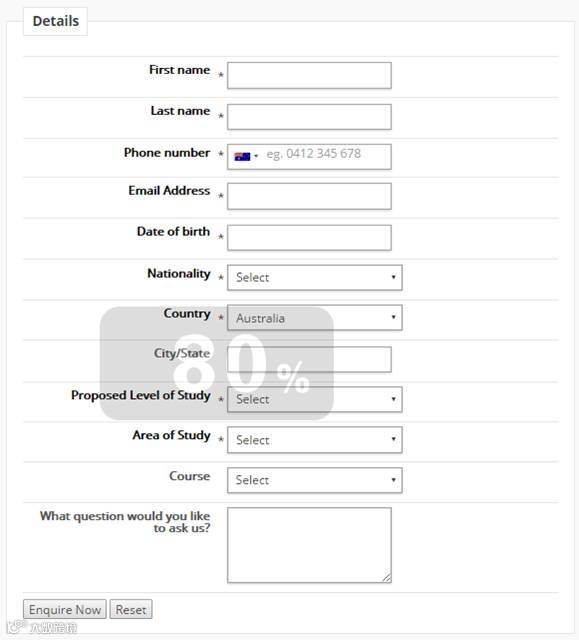
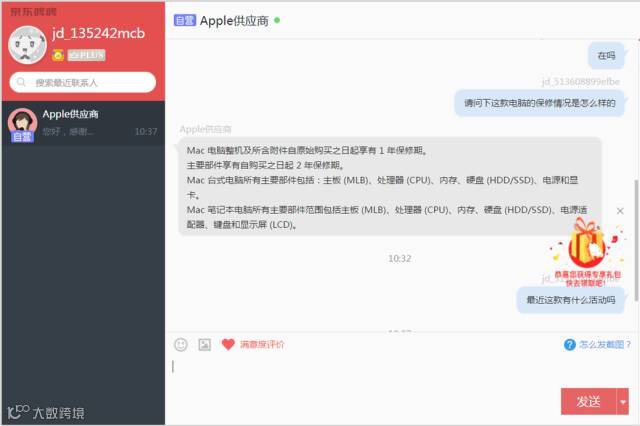
Western websites often offer social media networking as well as direct email services. However, in China, websites typically offer a live chat options as Chinese customers like to inquire and receive information without delay.
Differences between the contact method on Western and Chinese websites.
Western
Chinese
Online Ecosystem

Search Engines
Google is unavailable in mainland China. The top Chinese search engines are Baidu, Sogou, So.com and Shenma. Websites need to be designed to be friendly to local search engines so that they can be crawled and indexed properly therefore building up authority online more effectively.
Although fundamental search algorithms are similar to Google, these are some pivotal properties of Chinese search engines for foreign digital marketers to adapt to:
Chinese language websites are preferred
Chinese websites with ICP licences and hosted locally are preferred further
Local resources like inbound link and social resources are preferred

Social Media
Due to the presence of the Great Firewall, services from Facebook, Twitter and other Western platforms are unavailable in China. Foreign businesses marketing in China should look to the Chinese replacements for these services like WeChat, Weibo instead. These social media platforms are also commonly used by Chinese websites as alternative registration and login methods.
Chinese language websites of international companies need to provide links and alternative registration/logins to Chinese social media instead.

Online Payment
Alipay and Tenpay are the most popular online payment solutions in China, both for desktop and mobile. Both allow users to make payment with credit cards, debit cards, or their own wallets.
For eCommerce and other transaction enabled websites, instead of integrating payment solutions popular in Western countries, such as PayPal or credit card, companies should adapt and integrate with Alipay and Tenpay instead.
Final words
Western businesses looking at marketing in China and tapping into the rapidly growing Chinese internet market must incorporate each of these key aspects of Chinese web design. By understanding what Chinese users are looking for and how they like to source and research their information, you will put your business in the right place and in the right format to be found.
End
