
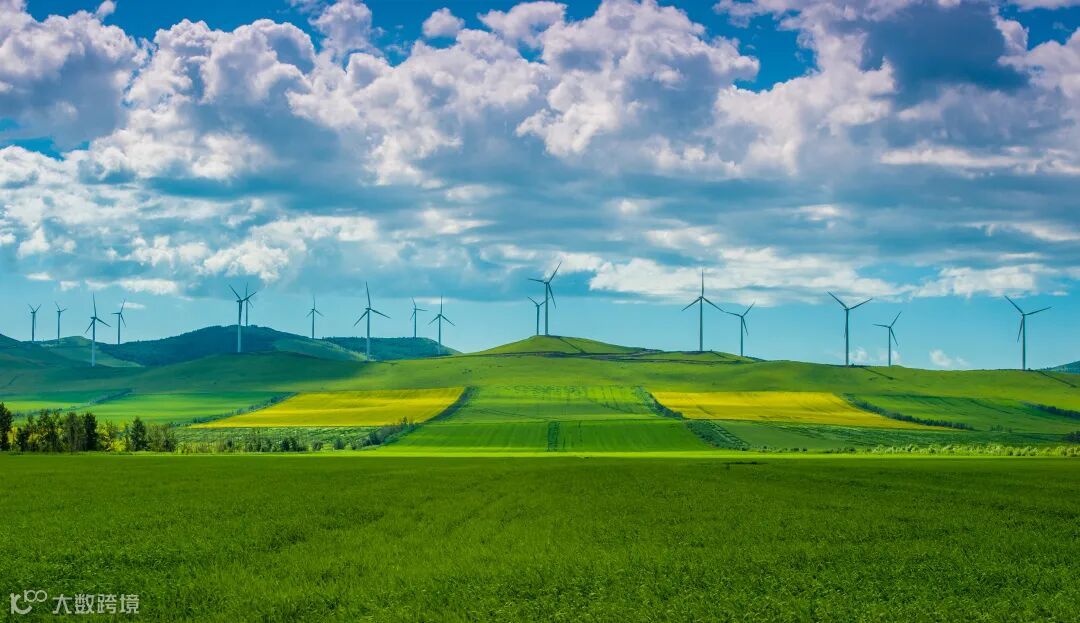
Recently, the General Office of the State Council reposted the Implementation Plan for Promoting High-quality Development of New Energy in the New Era (hereinafter referred to as the Implementation Plan) issued by the National Development and Reform Commission and the National Energy Administration. According to the Implementation Plan, by 2030 China will bring its total installed capacity of wind and solar power to over 1,200 gigawatts and speed up building a clean, low-carbon, safe, and highly-efficient energy system. The Implementation Plan includes 21 specific policy measures that cover seven aspects.
(Photo Source: CFP.CN)
1.Innovate the mode of new energy development and utilization
It is proposed to "make faster progress in developing large wind power and photovoltaic bases in sandy areas, rocky areas and deserts".
2.Speed up developing a new type of power system that features a gradual increase in the proportion of new energy sources
It is proposed to "steadily boost the trading of new energy in the power market".
3.Deepen reforms to streamline administration and delegate power, improve regulation, and upgrade services in new energy fields
It is proposed to "optimize the process of connecting new energy projects to the power grid".
4.Support and guide the sound development of the new energy industry
It is proposed to "enhance the international recognition of the Chinese new energy industry".
5.Meet the reasonable requirements of new energy development for land use
It is proposed to "improve land use regulations for new energy projects".
6.Maximize the benefits of new energy in ecological protection
It is proposed to "support the development of new energy projects conducive to ecological protection and restoration in rocky and sandy deserts and coal mining subsidence areas".
7.Improve fiscal and financial policies to support the development of new energy
It is proposed to "provide more green financial products and services".
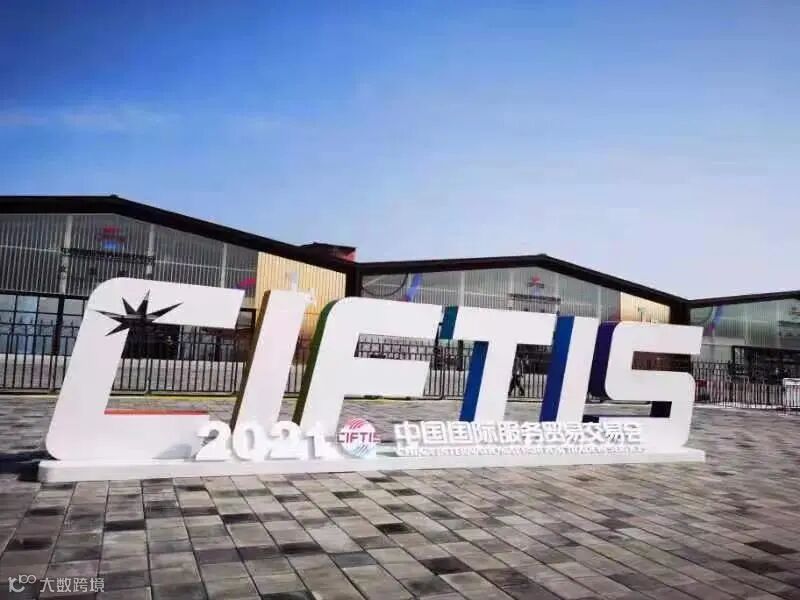
2021 China International Fair for Trade in Services (hereinafter referred to as "CIFTIS") was held at China National Convention Center and Shougang Park from September 2 to September 7, with the theme of "Towards Digital Future and Service Driven Development". At this year's CIFTIS, "carbon peaking" and "carbon neutrality" became hot topics.
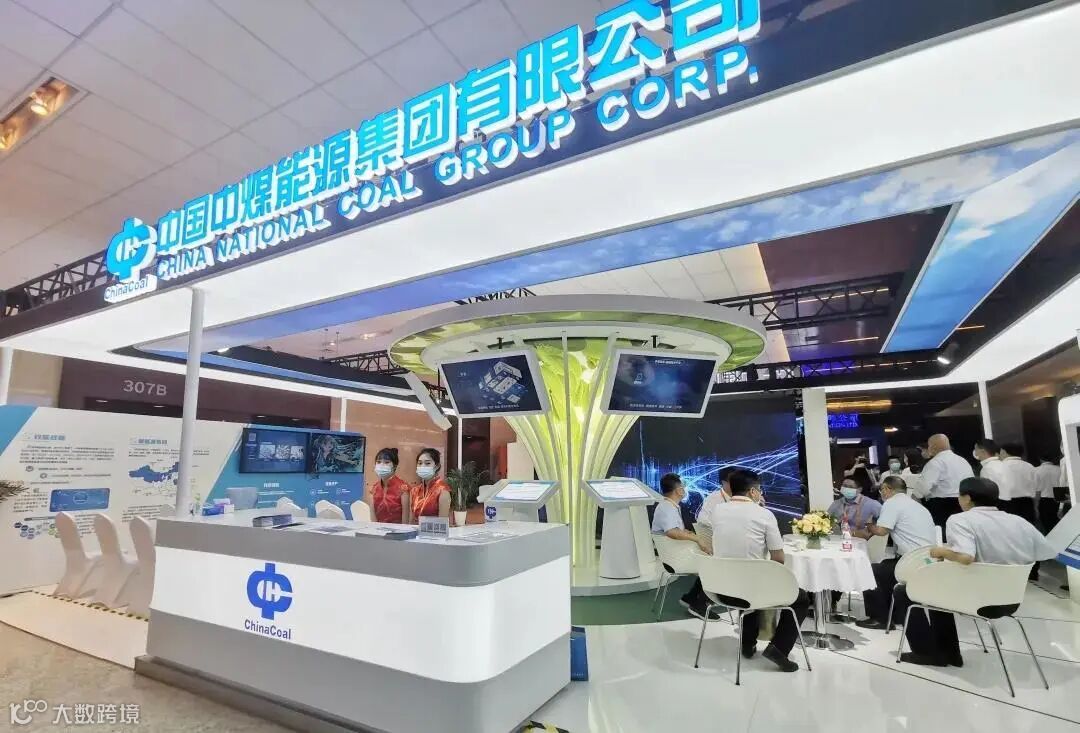
Thermal power generation contributes to the largest share of carbon emissions in China. Therefore, the development of offshore wind power and photovoltaic power generation has become an important path for carbon reduction. In the exhibition area of China National Coal Group Corporation (China Coal Group) during the CIFTIS, a map clearly shows the company's ongoing shift to renewable energy. At present, China Coal Group has broken into clean energy industries such as wind power, photovoltaic power, hydrogen energy and geothermal energy in Gansu, Qinghai, Inner Mongolia and Heilongjiang. In the exhibition area of China Huadian Corporation Ltd. (CHD), the company highlighted a model of its offshore wind power project, where its working platform on the blue sea was hoisting an offshore wind turbine.
(Photo Source: China Coal Group)
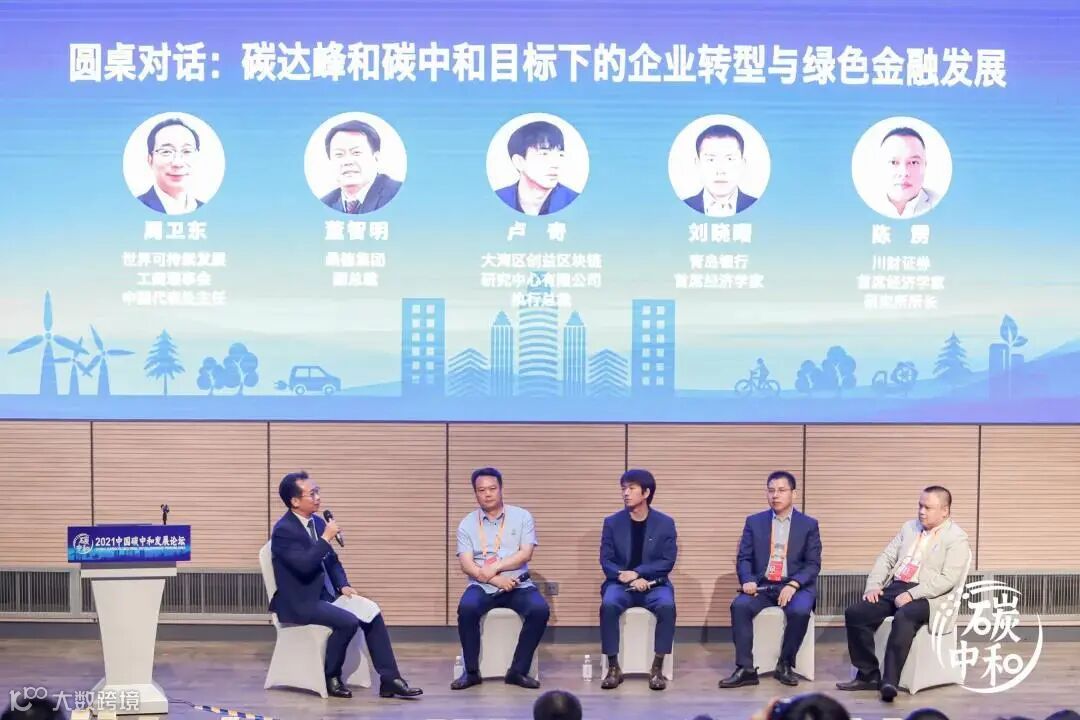
At the China Carbon Neutral Development Forum 2021 held during this CIFTIS, He Kebin, Academician of the Chinese Academy of Engineering and Professor of the School of Environment, Tsinghua University, said we can solve the difficulties through a five-pronged carbon emission reduction approach, namely, resource efficiency enhancement, energy structure optimization, carbon storage in geological space, carbon sequestration in the ecological system, and adjustment with a market mechanism. He added that it is necessary to significantly increase the proportion of non-fossil energy and reassess China's energy resource endowment. The general perception that China is rich in coal but poor in oil and gas cannot show the whole picture of the country's energy resource endowment. In fact, China boasts abundant renewable energy resources.
(Photo Source: World Business Council for Sustainable Development)
Stefan Gsänger, Secretary General of the World Wind Energy Association (WWEA), said at the forum that the role of renewable energy is key to carbon neutrality. Undoubtedly, the world will move to 100% renewable energy. At the same time, it is expected to witness a leap forward in renewable energy technologies, smart energy systems, smart grid and storage systems, which supplement each other for common development.