
Meng Wei, spokesman of National Development and Reform Commission (NDRC) said on November 17 that NDRC will further introduce new measures to promote service consumption based on joint research with relevant departments, takes an active part in development of new service consumption models such as "Internet + medical health", digital smart culture & tourism, online education and training, and smart sports, and guide the online and offline integration of traditional service companies to further tap the potential of service consumption.

(Image source: Weibo of Technology · Beijing)
In recent years, China has seen the rapid development of its online economy, but compared to online sales of physical consumption, online sales of service consumption are still "bearish", accounting for less than 20%. In September this year, the General Office of the State Council issued the Opinions on Accelerating the Development of New Types of Consumption with New Formats and New Models, specifying to "establish and improve the 'Internet + service' and e-commerce public service platform, accelerate the online docking of social services, and deepen the online and offline integration."
Meng Wei pointed out that, on the one hand, the popularity of online service consumption has accelerated the offline service consumption at raising prices, driving online traffic to offline locations, and making up for "in debt" offline service consumption due to the epidemic; on the other hand, online service consumption has enabled consumers to live in a more networked and digital manner, and forced the supply side in the field of the local service life to accelerate the transformation, which in turn promotes the continuous innovation and development of offline services in operating methods and formats.
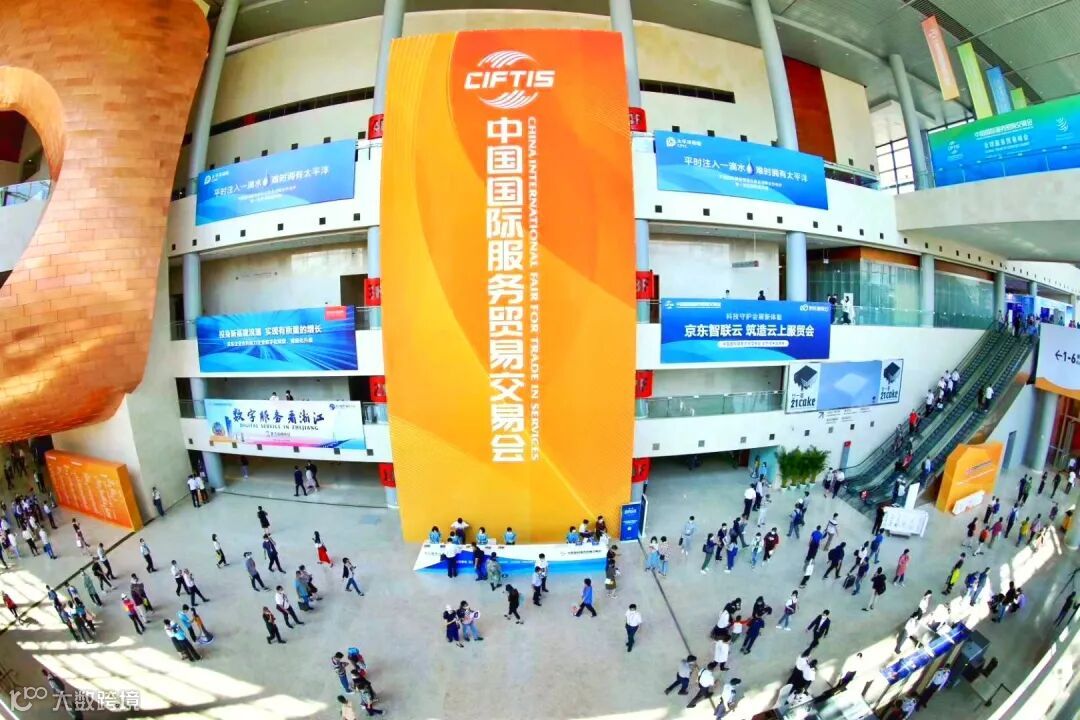
The 2020 China International Fair for Trade in Services ("CIFTIS") was held in Beijing in September 4 - 9, with the theme of "Global Services, Shared Prosperity". At this CIFTIS, a series of new forms and new consumption of culture & tourism under new technologies showcased the wonderful and varied life in the future to the public. For example, the application scenarios of smart tourism show that people will enjoy smart navigation in the whole process from plan making to the aspects of food, accommodation, travel, entertainment and shopping, making it more convenient. The new tools introduced in the development of media integration have turned the news into a "what you see is what you get" and become zero-day product, and has changed how public receives information.
(Image source: Beijing Business Today)
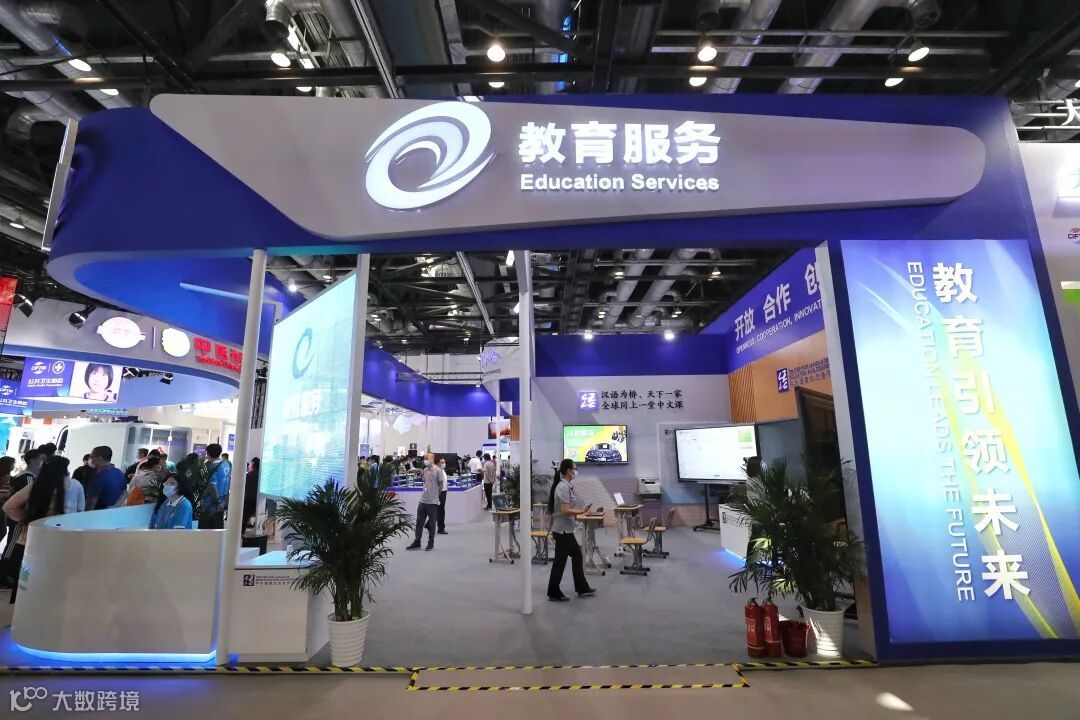
As one of the eight thematic exhibitions of the CIFTIS this year, the education services exhibition has attracted more than 120 exhibitors, and features that online education companies have emerged as the main force in the exhibition. These enterprises have brought a variety of smart education products, such as smart wrong-question printers, online education platforms, and big data visualization platforms for learning conditions, to drive the innovation and development of education with technology, making this special education exhibition being smoothly held under the full promotion of science and technology.
(Image source: Beijing Business Today)
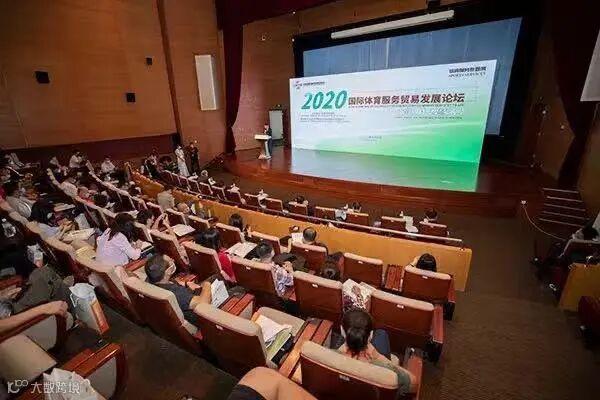
At the "International Sports Service Trade Development Forum" held during this CIFTIS, Professor Bao Mingxiao, Director of China Sports Economic Research Center and President of China Institute of Sports Policy Studies, puts forward suggestions on increasing residents' sports consumption: Encourage ordinary people to further take part in sports service consumption; enable ordinary people to obtain more money, leisure time, and sports consumption skills; advance the project-oriented reform of social sports instructors; encourage professionals to serve in schools and communities; figure out ways to increase more sports venues around consumers; promote organized sports consumption; boost supply-side reforms and take a lead in consumption upgrades; improve the sports consumption scene.
(Image source: people.cn))