

NDRC: The "carbon peaking and carbon neutrality" effort gets off to a good start, achieving better-than-expected results



(Photo Source: CFP)
At a special press conference held by the National Development and Reform Commission (NDRC) a few days ago, Liu Dechun, Director of the Department of Resource Conservation and Environmental Protection of the National Development and Reform Commission, said that in the past two years since the implementation of the carbon peaking and carbon neutrality goals, we have made solid progress in various tasks, achieved a good start, and made better than expected progress in all aspects.



(Photo Source: Beijing Business Today)
It is reported that the central government has set up a leading group for carbon peaking and carbon neutrality, established an overall coordination mechanism, and put in place a "1+N" policy framework for carbon peak and carbon neutrality. China has pushed forward the transformation toward low-carbon development in a steady and orderly manner, actively developed emerging strategic industries, emphatically promoted energy conservation and carbon reduction in key industries, constructed green and sustainable housing, encouraged the use of energy-conserving and low-carbon transportation vehicles, consolidated and improved the carbon sink capacity of the ecosystem, optimized and improved the system of controlling the amount and intensity of energy consumption, launched the China Carbon Emission Trade Exchange, and actively participated in global climate governance.



(Photo Source: Official WeChat Account of China Photovoltaic Industry Association)
At present, China's installed capacity of renewable energy has reached 1.1 billion kilowatts, ranking first in the world. China has led the world in the output and sales of new energy vehicles for seven years running, accounting half of the global total in terms of vehicles on the road. Compared with 2012, in 2021, China saw a drop of 26.4%, 34.4% and 45% in energy consumption, carbon emissions and water resource consumption intensity, and a rise of about 58% in major resource productivity.


(Photo Source: Official WeChat Account of Newmater)
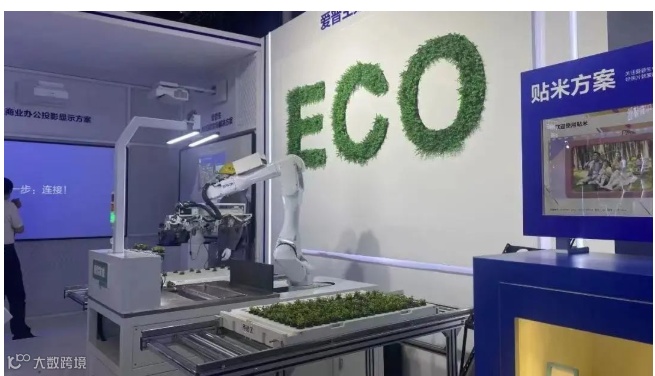
At 2022 CIFTIS, a thematic exhibition on environmental services themed "Dual Carbon Goals Drive Innovation" was set up to highlight the latest achievements and technological application in the global environmental service sector, and support the attainment of carbon peaking and carbon neutrality goals.

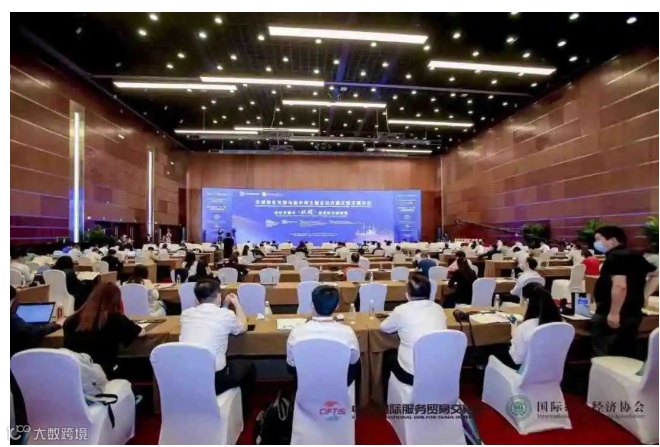

The Opening Ceremony and Themed Forum of Global Development and Carbon Neutrality Themed Conference held during 2022 CIFTIS
(Photo Source: World Metals)
At the first Academician Forum on the Dual Carbon Strategy of China's Ecological and Environmental Protection Industry Service held during this year's CIFTIS, government officials and industry experts held discussions on the attainment of carbon peaking and carbon neutrality goals, pollution prevention and control, waste recycling, and scientific and technological development achievements.
China Special Envoy for Climate Change Xie Zhenhua said at the forum that the realization of green and low-carbon transformation and innovation will give rise to a variety of new technologies and new business forms to usher in huge opportunities for green development, create a huge green market, and unleash powerful new drivers of economic growth. According to the estimates of relevant institutions, the world needs to invest more than US$1,000 trillion to achieve the global temperature rise control target set out in the Paris Agreement. China needs an investment of more than 130 trillion yuan to achieve the carbon peaking and carbon neutrality goals, which brings excellent development opportunities for energy conservation, environmental protection and new energy industries.


(Photo Source: Guangming Daily Client)
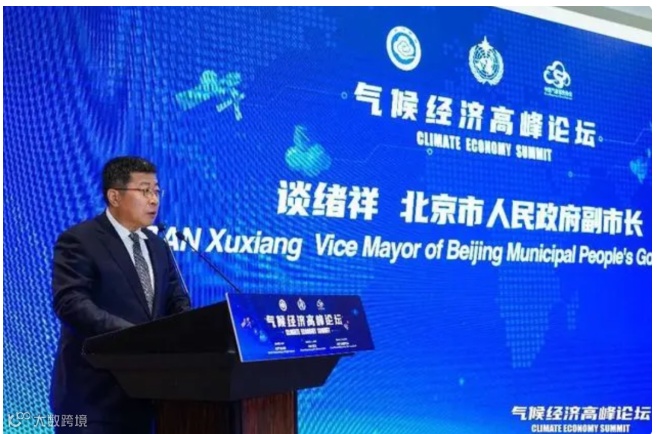
Tan Xuxiang, member of the CPC Leadership Group and Vice Mayor of the People's Government of Beijing Municipality, said that Beijing will make great efforts from three aspects, namely, cultivating leading enterprises, enhancing their capacity for technological innovation, and improving the guarantee mechanism for market investment and financing, to support the sustained and healthy development of ecological and environmental protection industries, and promote high-level environmental protection and high-quality economic development in tandem.
Tu Ruihe, delegate of the United Nations Environment Programme (UNEP) in China, said that China's good practices and experiences in promoting green and low-carbon transformation, carbon peaking and carbon neutrality are of global significance. UNEP expects China to continue its efforts in domestic pollution reduction, carbon reduction, environmental quality improvement, ecological restoration and green development, while sharing its experiences and good practices with other developing countries, especially those along the Belt and Road, to help developing countries strengthen their capacity building in environmental governance》