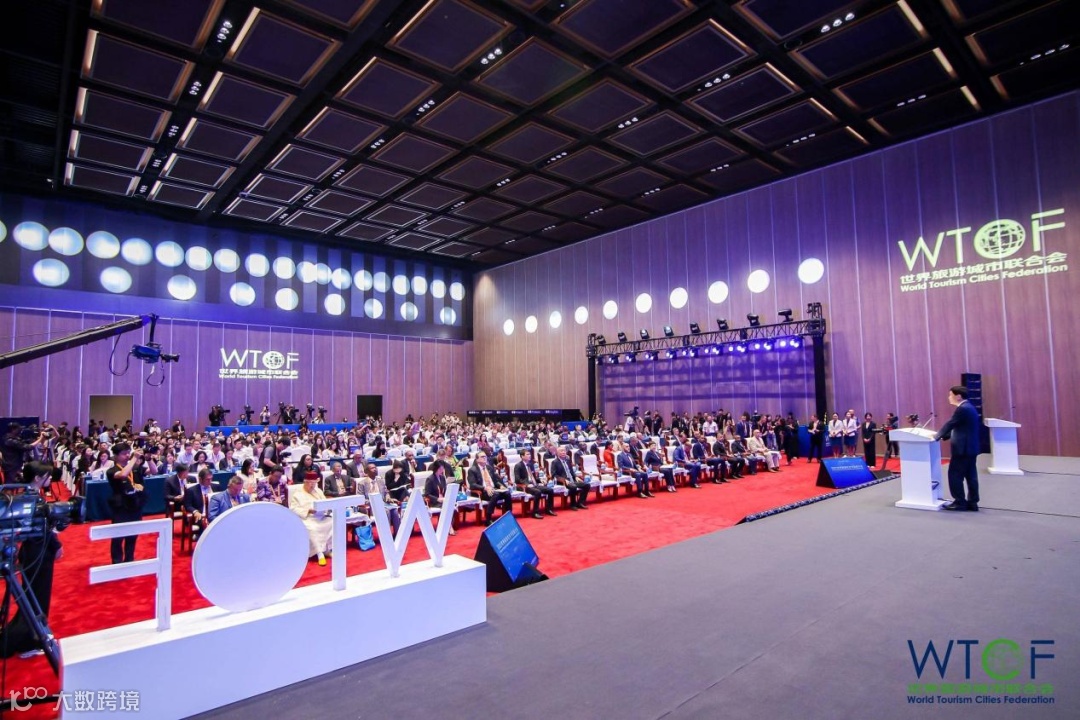
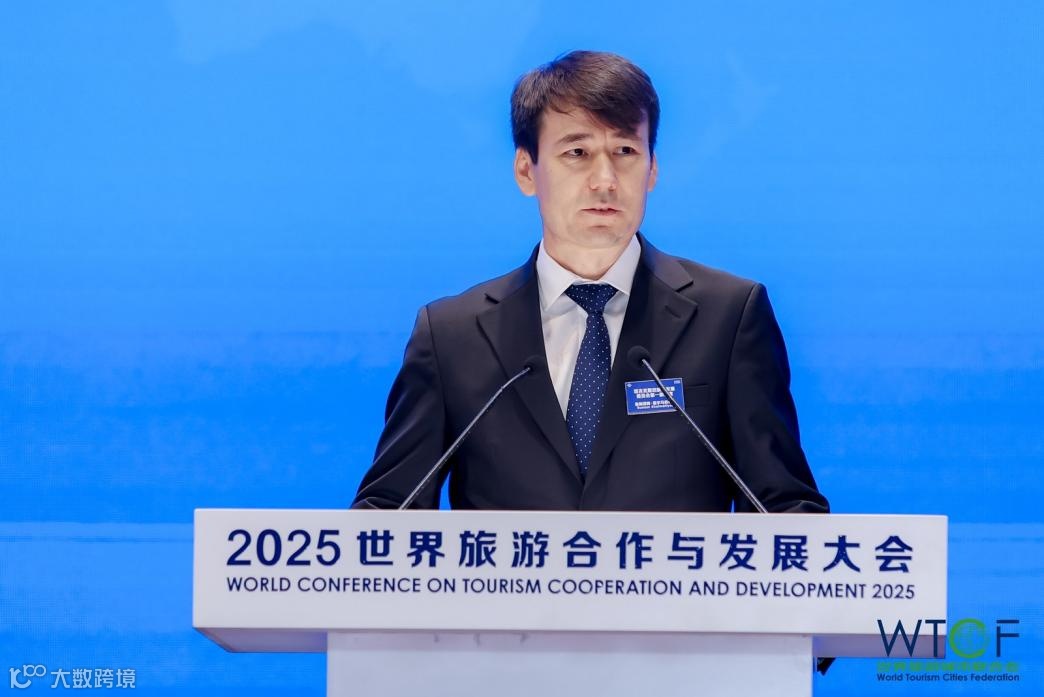
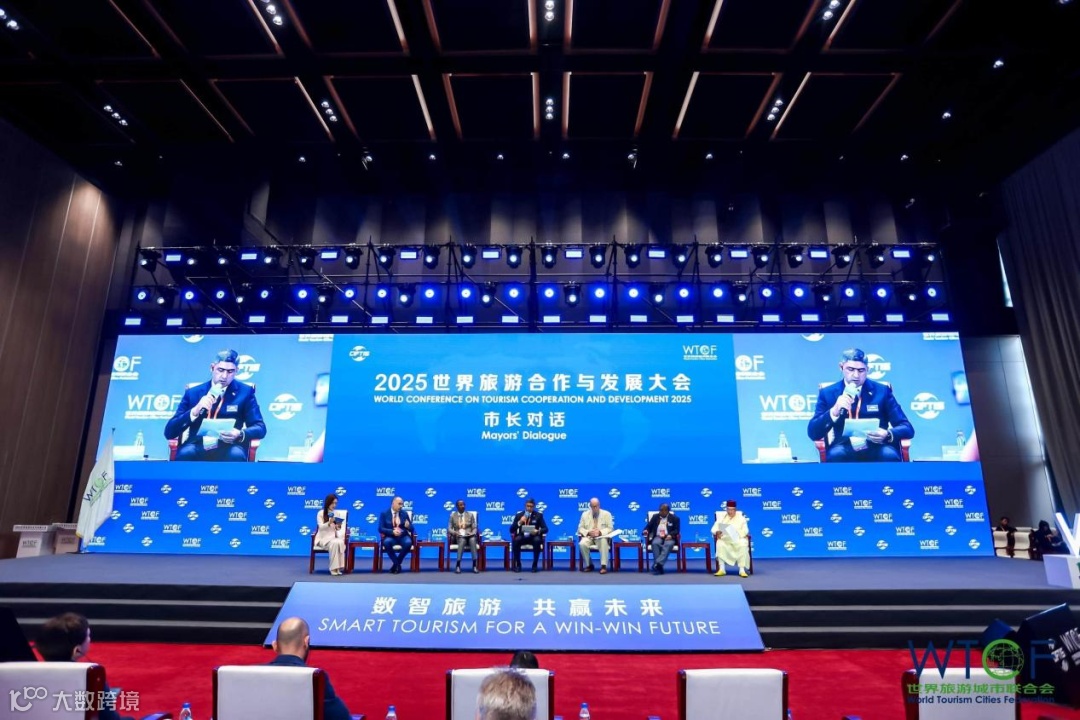
Rustam Kholmatiyon, first vice-chairman of the Tourism Development Committee of Tajikistan, shared cases of digitalization and intelligentization from the capital city Dushanbe. He pointed out that local authorities are actively promoting nature conservation, community empowerment, and digital infrastructure, including the development of online tourism platforms, digital mapping, and cultural heritage revitalization projects. He also expressed interest in deepening cooperation with member cities of the World Tourism Cities Federation in investment and culture.
Rustam Kholmatiyon, First Vice-Chairman of the Tourism Development Committee of Tajikistan
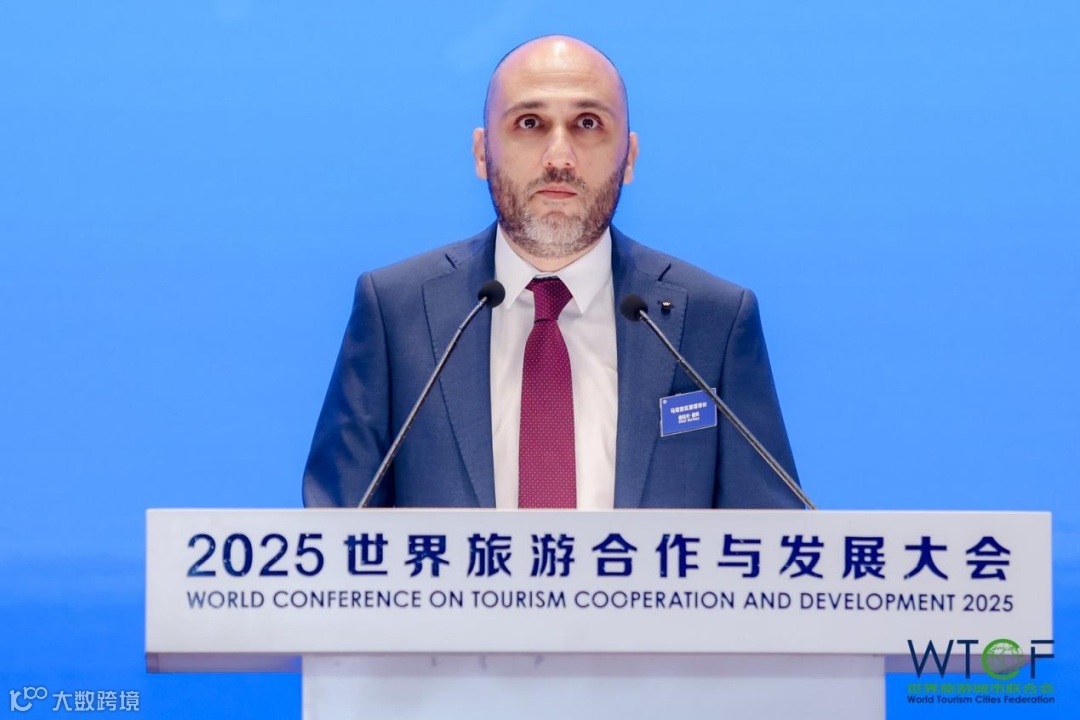
Olaf McKay, mayor of Valletta, Malta, stated that Valletta, facing the challenges brought by the rapid growth of the tourism industry, places the digital transformation at the core of its sustainable tourism strategy. He highlighted that the city ensures an inclusive growth in its tourism sector through an intelligent approach that protects cultural heritage and serves both residents and tourists.
Olaf McKay, Mayor of Valletta, Malta
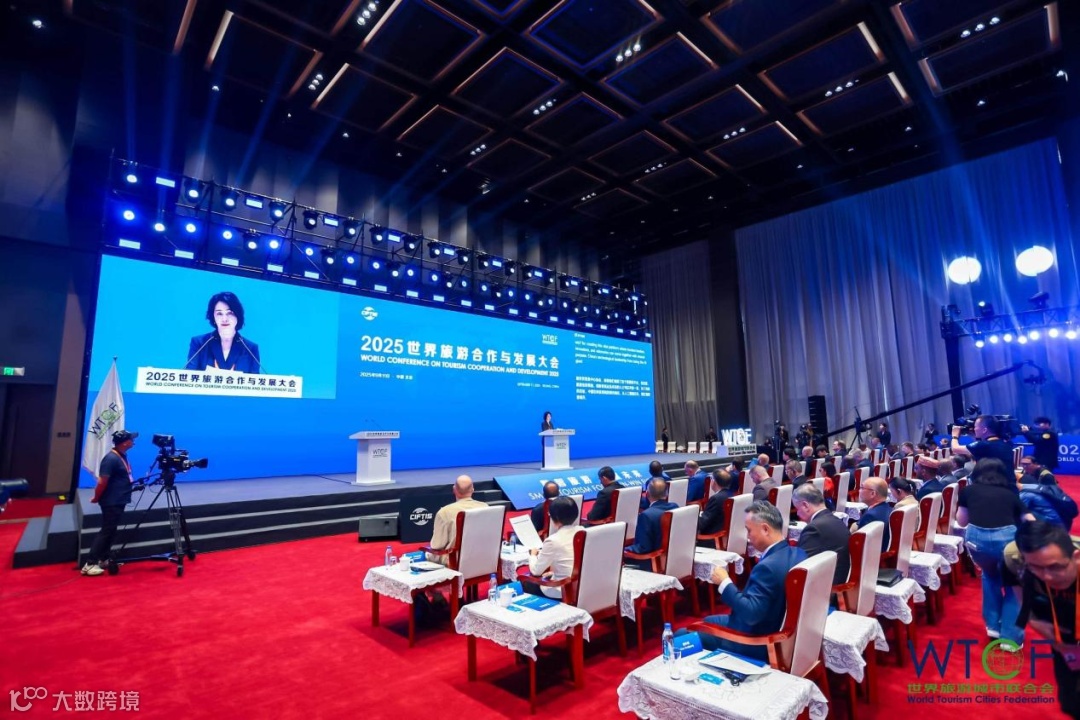
In her speech, Pansy Ho, vice chair and secretary-general of the Global Tourism Economy Forum, mentioned that digital innovation is the core driving force in reviving and transforming the tourism industry, as AI, 5G/6G, and immersive technologies are profoundly reconstructing tourist experiences and the industry's environment. She believed that culture-tourism integration and smart city development not only create economic value but also facilitate cultural communication and improve the livability of cities.
Pansy Ho, Vice Chair and Secretary-General of the Global Tourism Economy Forum
During the Mayors' Dialogue session, six mayors and vice mayors from different countries were present, namely the mayor of Asti, Italy, the mayor of Garoua, Cameroon, the vice mayor of Ashgabat, Turkmenistan, the vice mayor of Athens, Greece, the vice mayor of Colombo, Sri Lanka, and the vice mayor of Fez, Morocco. They shared practical cases in their cities and insights on the "ways to promote the integration of digital and intelligent technologies and the tourism industry to strengthen the competitiveness of cities as tourist destinations."
Maurizio Rasero, mayor of Asti, Italy, noted that today, tourists are proactively using technological tools to reshape their travel experiences, with digital sharing transforming the tourism economy, adding that Beijing's explorations in digital and intelligent tourism offer a model worth emulating worldwide.
Muhammedov Dovletnazar, vice mayor of Ashgabat, Turkmenistan, stressed that by introducing digital facilities, the city empowers the modern presentation of its unique architecture and cultural heritage, allowing visitors to experience them in a more vivid and engaging way. This approach, he added, aligns closely with the concept behind projects like Beijing's "Digital Central Axis."
Despite varying resources and development stages, all cities have reached a consensus on using digital technologies to improve tourism management, revitalize cultural resources, and elevate service standards.