
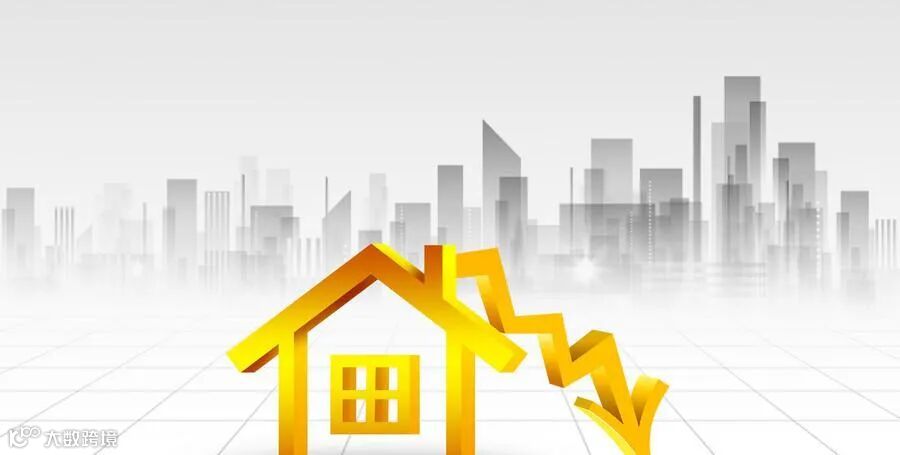
[方达金融] 危机四伏的地产及金融板块
- 在新型肺炎及油价大跌两只「黑天鹅」肆虐下,多个国家的股市已步入技术性「熊市」,上周及本周初多国 (包括南韩、泰国、菲律宾、印度尼西亚、巴西、美国、加拿大及巴基斯坦) 已一度触发熔断机制。加上疫情肆虐,多间企业停止营运,经济衰退亦无可避免。
- 在经济活动严重受阻的背景下,金融危机的阴霾已悄然浮现。当两者一并来临时,地产及金融板块必首当其冲遭殃。地产板块一向与国内生产总值(GDP)成正向关系,目前中国及香港的GDP增长率不继被下调,地产股必然受累。加上地产股股价自2016年起直线上升,现时水平仍处于过去五年中游或较高的位置,存在着非常大的下调空间。另外,内房股一直面临着还债压力,若出现金融危机,内房将面临资金链断裂的风险。按揭及借贷一向是银行的主要业务,在金融危机及经济衰退下,若一些大型企业因资金链断裂而倒闭,银行将承受企业违约的损失。
- 我司认为地产及金融类股票仍有进一步的下行空间,建议立即沽出此类股票,提高现金水平。
- On the back of two “Black Swans”, Covid-19 virus and oil price plunge, stock markets of many countries have technically entered into bear markets. Countries, including South Korea, Thailand, Philippines, Indonesia, Brazil, USA, Canada, and Pakistan have triggered the “circuit breakers” in last week or early this week. In addition, due to the outbreak of the epidemic, many companies stopped operating for weeks, which may result in recession.
- Where economic activities are hindered, a financial crisis looms. When both emerge, the real estate and financial sectors will suffer first. The real estate sector has always been positively correlated to the gross domestic product (GDP). Currently, the GDP growth rate of China and Hong Kong has been revised down repeatedly, which may affect the real estate markets. In addition, the stock price of real estate stocks has risen significantly since 2016, although the price of property stocks had dropped recently, their current levels are still high compared to five years ago. Therefore, there is still room for further downward adjustment. Moreover, the debt ratio of China property developers is high, their capital chain may break upon the next financial crisis. Mortgages and loans have always been the main business of banks. Under the financial crisis and economic recession, if some large enterprises collapse, banks will bear the losses of corporate defaults.
- We believe that there is still room for further downside in real estate and financial sectors. It is recommended to sell all real estate and financial stocks immediately and increase cash level actively.