大数跨境
0
0

美国专利商标局发布AI专利主题客体资格指南

美国专利商标局发布AI专利主题客体资格指南 美国盛智律师事务所
2024-07-31
2
导读:美国专利商标局发布了最新的人工智能(AI)相关发明的专利客体资格指南,自2024年7月17日起生效,以辅助判断

美国专利商标局发布了最新的人工智能(AI)相关发明的专利客体资格指南,自2024年7月17日起生效,以辅助判断专利主题客体资格。指南更新了AI发明专利的判断标准,讨论了AI辅助发明,同时提供了三个新示例以对专利从业者提供参考。

背景与目的


美国专利商标局(以下简称“USPTO”)发布了最新的人工智能(AI)相关发明的专利客体资格指南(以下简称“7月指南”),自2024年7月17日起生效,以帮助根据《美国法典》第35章101条判断专利主题客体资格。鉴于近期约20%的专利申请涉及AI,7月指南的发布显得尤为及时。根据2024年2月的先前指南, 完全由AI工具创造发明不具有可专利性;只有那些具有显著人类贡献的发明才具有可专利性。可见先前指南并未限制使用 AI辅助进行发明。2024年4月,USPTO进一步补充发布了一份针对从业者的AI指南,并就AI对可专利性考量的影响征求公众意见,包括如何界定现有技术以及如何评估本领域普通技术水平。公众意见征询期将持续至2024年7月29日。


主要内容与结构


7月指南中新增了三个假设的权项示例及其基于《美国法典》第35节101条的分析,旨在解答如何断定某一权项是否涉及抽象概念,该权项是否将抽象概念整合至实际应用等具体问题。


7月指南的第一、二部分提供了相关问题的背景及以往专利局的指南。第三部分更新了一些与AI发明特别相关的专利主题客体资格判断指南,包括:(1)判断一个权项是否涉及抽象概念(7月指南中2A步骤的第一环节);及(2)判断一个权项是否因其改进了计算机或其他技术或技术领域的功能,而将司法例外整合到实际应用中(7月指南中2A步骤的第二环节)。第四部分讨论了AI辅助发明。第五部分讨论了三个新示例(47-49号),旨在帮助审查员在审查AI发明专利过程中应用七月指南。


新示例分析


例47展示了如何对描述 AI 权项进行专利客体资格分析,比如使用人工神经网络识别或检测异常的权项。例48展示了如何对涉及基于AI的语音信号分析方法和从杂音或背景声中分离出期望语音的权项的进行专利客体资格分析。例49展示了如何对一种使用患者的个体特征辅助个性化医疗的AI模型的权项进行专利客体资格分析。


USPTO持续发布此类指南对专利从业者而言极具价值,我们将继续关注后续进展。


原文详情(上下滑动浏览全文)

USPTO Issues AI Subject Matter Eligibility Guidance


The USPTO has published updated patent eligibility guidance (effective July 17, 2024) for AI-related inventions to help determine subject matter eligibility under 35 § U.S.C. 101. This guidance is timely as roughly 20% of all recent patent filings are AI related. It is important to note that based on prior guidance from February 2024, if an AI tool itself invents something, that is not patentable. Only inventions with significant human contribution are patentable. Thus, this does not preclude AI-assisted inventions. This February guidance was supplemented in April 2024 with AI guidance for practitioners and a request for comments on the impact of AI on certain patentability considerations, including what qualifies as prior art and the assessment of the level of ordinary skills in the art. The period for comments remains open until July 29, 2024.


In this July 2024 guidance (“July Guidance”), the USPTO includes three new examples with additional analyses under 35 § U.S.C. 101 of hypothetical claims to address particular inquiries, such as whether a claim recites an abstract idea or whether a claim integrates the abstract idea into a practical application. 


Sections I and II of the July Guidance provide background on these issues and prior PTO guidance. Section III of the July Guidance provides an update on certain areas of the USPTO’s subject matter eligibility guidance that are particularly relevant to AI inventions, including: (1) whether a claim recites an abstract idea (at Step 2A, Prong One of the USPTO’s subject matter eligibility analysis); and (2) whether a claim integrates a recited judicial exception into a practical application because the claimed invention improves the functioning of a computer or another technology or technical field (at Step 2A, Prong Two of the USPTO’s subject matter eligibility analysis). Section IV of the July Guidance addresses AI-assisted inventions. Section V addressed the three new Examples (47-49), which are intended to assist examiners in applying the USPTO’s subject matter eligibility guidance to AI inventions during the patent examination process.


Example 47 illustrates the application of the eligibility analysis to claims that recite limitations specific to AI, particularly the use of an artificial neural network to identify or detect anomalies. Example 48 illustrates the application of the eligibility analysis to claims that recite AI-based methods of analyzing speech signals and separating desired speech from extraneous or background speech. Example 49 illustrates the analysis of method claims reciting an AI model that is designed to assist in personalizing medical treatment to the individual characteristics of a particular patient.


It is helpful for the PTO to continue to issue guidance like this and we will continue to monitor further developments.


本文作者

James Gatto

合伙人,华盛顿

jgatto@sheppardmullin.com

James是本所华盛顿特区办事处知识产权业务部的合伙人。他是人工智能团队、区块链与金融技术团队的联合负责人,也是开源团队的负责人。
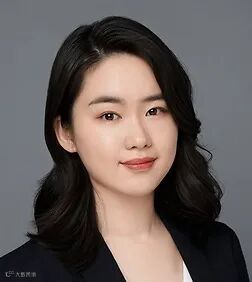
陆媛梅(Yuanmei Lu)

资深顾问,上海

ylu@sheppardmullin.com

陆律师为本所资深顾问律师,拥有多年工作经验,执业领域包括股权交易、合规、争议解决。陆律师为哈佛大学法学博士。
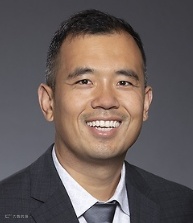
尚鹏举 (PJ Shang)

律师,硅谷

pshang@sheppardmullin.com

尚律师是前谷歌高级工程师,有着丰富的法律和技术背景。他主要从事包括极端及软硬件专利开发和申请,制定国际专利战略、专利侵权及无效分析、专利诉讼及软件许可。
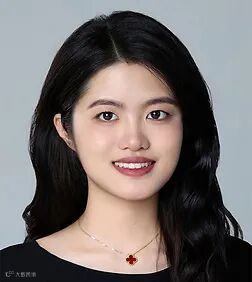
阮淑雨(Shuyu Ruan)

律师,上海

sruan@sheppardmullin.com

阮律师是本所上海办公室知识产权业务组的律师。阮律师的知识产权业务主要是高新技术领域的专利申请。

联系人
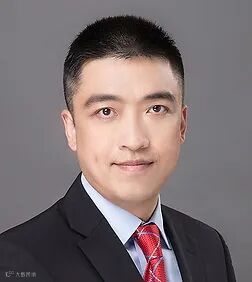
张小艺(Michael Zhang)

管理合伙人,上海

+86 21-2321-6010 

mzhang@sheppardmullin.com

张律师是盛智公司业务组、知识产权业务组以及反垄断业务组成员,张律师在中国的公司法、反垄断法和知识产权法等领域经验丰富。
【声明】内容源于网络
0
0
美国盛智律师事务所
盛智是一家综合性的全球百强律所。我们有1000余名律师,分布于布鲁塞尔,芝加哥,洛杉矶,纽约,圣地亚哥,旧金山,首尔,上海和华盛顿等15个办事处。盛智的中国业务侧重于海外并购,商业合规,知识产权和私募风投。盛智永远把客户的需求放在第一位。
内容 78
粉丝 0
美国盛智律师事务所 盛智是一家综合性的全球百强律所。我们有1000余名律师,分布于布鲁塞尔,芝加哥,洛杉矶,纽约,圣地亚哥,旧金山,首尔,上海和华盛顿等15个办事处。盛智的中国业务侧重于海外并购,商业合规,知识产权和私募风投。盛智永远把客户的需求放在第一位。
总阅读114
粉丝0
内容78