
出海启示
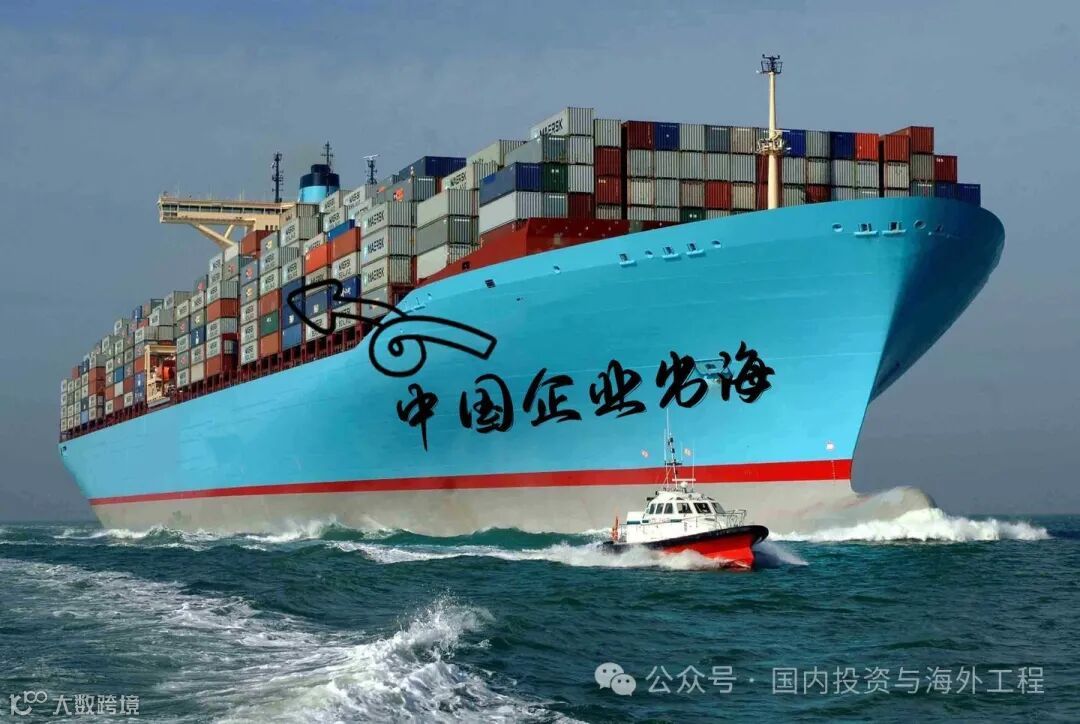
全球化是一个动态演化的进程, 随着人类文明的不断发展, 全球化也经历了不同阶段的演变。从二十世纪九十年代的早期全球化到近年来的再全球化,全球化的格局也在急速变化。
早期的全球化阶段,从近代工业革命开始至一战、二战期间,全球化主要表现为商品、资本、劳动力的跨境流动,以及国际社会在努力降低国家对于国际商品、服务、人员、知识产权跨境流动所设置的壁垒,使得国际经济贸易的法律环境变得更为顺畅。这几个阶段的全球化是自由贸易和资本流动的体现,促进了全球经济的快速增长和国际交流的增加。
Globalization is a dynamic process that evolves as human civilization advances. Globalization has undergone different stages of evolution as it has progressed. From the early globalization of the 1990s to the recent re-globalization, the landscape of globalization has been rapidly changing. During the early stages of globalization, from the Industrial Revolution to World War I and II, globalization primarily manifested as cross-border movement of goods, capital, labor, and international efforts to reduce the barriers set up by countries for the free flow of goods, services, people, and intellectual property, making the legal environment for international economic trade smoother. These stages of globalization were characterized by free trade and capital flow, promoting rapid economic growth and increased international exchange.
2020年以来,随着疫情的全球蔓延,全球经济受到冲击,许多国家开始对原有的经济运行方式和法律制度进行重新审视。与早期的全球化相比,当前的全球化更加注重建设当地的供应链体系,强调与当地社会的融合与发展。这一变化反映了全球化进程中的动态调整和适应,以及不同国家在全球经济中的角色和地位的变化。
在复杂多变的国际贸易环境之下,中国企业出海一方面是主动参与国际循环,应对国内部分行业市场饱和等现实问题的必然选择;另一方面也是中国企业核心竞争优势不断扩大、国际影响力逐渐增强的直接体现。总之,当今中国企业考虑并推进适合其发展的,全新的全球化战略,已是时代的需要。
Since the global spread of the pandemic in 2020, the global economy has been impacted, and many countries have begun to re-evaluate their existing economic systems and legal frameworks. Compared to the early stages of globalization, the current globalization places a greater emphasis on building local supply chains and emphasizes integration and development with local societies. This change reflects the dynamic adjustments and adaptations in the process of globalization, as well as the changing roles and positions of different countries in the global economy. In the complex and volatile international trade environment, Chinese enterprises going global is not only a necessary choice to actively participate in the international cycle and respond to the reality of market saturation in some domestic industries, but also a direct manifestation of the continuous expansion of their core competitive advantages and increasing international influence. In short, considering and advancing a new globalization strategy that suits their own development is now a necessity for Chinese enterprises.
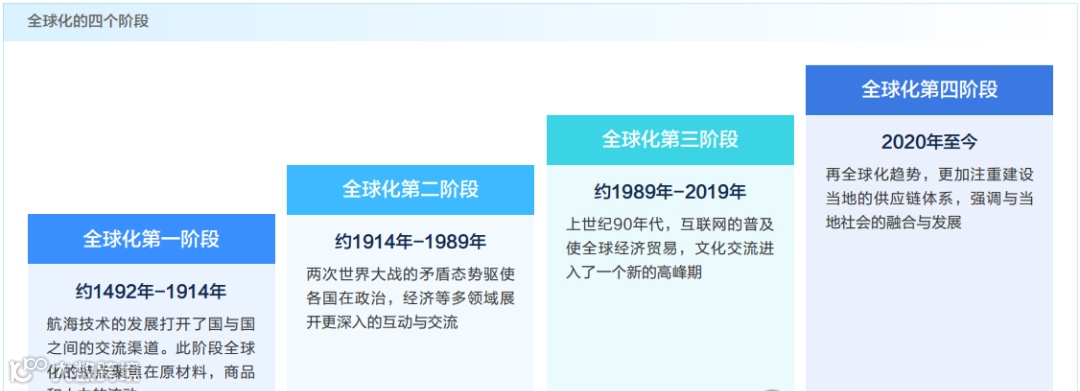
The Four Stages of Globalization
(1):在变局之下,中国企业的全球化主要受到以下三个关键因素的推动
Under the changing circumstances, the globalization of Chinese enterprises is mainly driven by the following three key factors:
1:企业自身发展壮大的原动力:中国企业自身的发展壮大成为推动其全球拓展的内生动力。随着全球市场的紧密联系和贸易自由化的推进,中国企业意识到在全球舞台上拓展业务的机遇和必要性,以获取更广阔的市场、资源和合作伙伴。在可再生能源与储能、新能源汽车、电子商务、游戏开发等新兴行业中,许多中国企业已具备国际竞争力,海外市场成为其业务增长的重要驱动力。2024年初数据显示,国内头部新能源车企2023年第四季度销量首次超过海外新能源车企,标志着中国在全球电动汽车市场上的新兴实力。
The driving force behind the enterprise's own development and growth: The growth of Chinese enterprises has become an endogenous driving force for their global expansion. With the increasing integration of global markets and the advancement of trade liberalization, Chinese enterprises have become aware of the opportunities and necessity to expand their businesses on the global stage to access broader markets, resources, and partners. In emerging industries such as renewable energy and storage, new energy vehicles, e-commerce, and game development, many Chinese enterprises have already gained international competitiveness, and overseas markets have become an important driving force for their business growth. As early as the first quarter of 2024, data showed that the sales of China's leading new energy vehicle enterprises in the fourth quarter of 2023 exceeded those of overseas new energy vehicle enterprises for the first time, marking China's emerging strength in the global electric vehicle market.
2:国内市场竞争激烈的强压力:一方面,中国企业目前也面临着将近饱和、竞争激烈的国内市场,企业持续盈利的能力存在较大挑战。因此,开拓海外市场成为这些企业继续发展乃至生存的必然选择。另一方面,产业升级的历史逻辑需要中国企业在全球价值链中积累资本,加强创新,并向价值链中高附加值环节上升。这也进一步推动中国企业积极进军海外市场,寻求更广阔的发展机遇。以工程机械行业为例,2023年我国工程机械新机需求不旺,内销大幅下滑,但是工程机械出口依然保持增长态势。据海关数据整理,1-11月我国工程机械产品累计出口额446.22亿美元,同比增长10.6%。
The intense pressure of fierce domestic market competition: On one hand, Chinese enterprises are currently facing a nearly saturated and highly competitive domestic market, which poses significant challenges to their sustained profitability. Therefore, expanding overseas markets has become an inevitable choice for these enterprises to continue their development and even survive. On the other hand, the historical logic of industrial upgrading requires Chinese enterprises to accumulate capital, strengthen innovation, and move up to the high-value segments of the global value chain. This further drives Chinese enterprises to actively enter overseas markets in search of broader development opportunities. For example, the demand for new construction machinery in China in 2023 was weak, and domestic sales declined sharply. However, construction machinery exports still maintained a growth trend. According to the data compiled by the Customs, the cumulative export value of engineering machinery products from January to November was $44.622 billion, up 10.6% year-on-year.
3:中国政府双循环战略的推动力:中国政府的政策推动是中国企业走向海外市场的重要动力。中国实施的“双循环”战略需要加强对外循环,促进更多中国企业在海外市场扎根发展。政府推出了一系列支持企业海外投资的政策和措施, 为企业拓展全球业务提供了支持和便利。
The driving force behind China's government's dual-circulation strategy: The policy push from the Chinese government is an important driving force for Chinese companies to venture into overseas markets. China's implementation of the dual-circulation strategy requires enhancing the outward circulation to facilitate more Chinese companies to establish themselves in overseas markets. The government has rolled out a series of policies and measures to support enterprises' overseas investment, providing support and convenience for enterprises to expand their global business.
中国企业要想在全球化进程中把握好全球化机遇,就必须不断地学习与调适,才能面对各种错综复杂的国际环境与竞争挑战,考虑并促进适合其发展的,全新的全球化战略以获得高质量和可持续的发展。
For Chinese enterprises to seize the opportunities of globalization in the process of globalization and achieve high-quality and sustainable development, they must continuously learn and adapt to face the complex international environment and competitive challenges, and consider and promote new globalization strategies that are suitable for their development.
中国企业“走出去”,面对着数字化转型、全球市场扩张和创新合作等新机遇。同时,它们也面临技术竞争和保护主义、跨文化管理和品牌建设、可持续发展和社会责任等挑战。
Chinese enterprises "going out" are facing new opportunities such as digital transformation, global market expansion, and innovative cooperation. At the same time, they also face challenges such as technological competition and protectionism, cross-cultural management and brand building, and sustainable development and social responsibility.
总体来说,中国企业走出去有三种路径:
In general, Chinese enterprises have three paths to go abroad:
1:供应商合作是指与当地成熟的销售供应商合作,由供应商帮助拓展海外市场。这种路径的初始成本较低,可以借助供应商的分销网络、跨境物流、数据分析等能力,快速切入市场。然而,由于企业自身并不掌握核心分销资源,利润会受到影响。
Supplier collaboration refers to cooperating with established local sales suppliers to help expand overseas markets. This path has a lower initial cost, as it can leverage the supplier's distribution network, cross-border logistics, and data analysis capabilities to quickly enter the market. However, due to the fact that the company does not have direct control over the core distribution resources, profits may be affected.
2:投资自建是指在直接海外投资设立分公司,从零开始拓展市场。这种路径需要企业根据自身的业务情况,选择目标国家和地区,制定建设的方向和策略。这种模式对企业出海人才的储备、经验及运营能力有较高要求。同时,由于一切从零开始,需要的周期较长,建设的速度和切入市场的速度也会有一定影响。
Investing in self-construction refers to setting up a subsidiary directly overseas and expanding the market from scratch. This path requires companies to select target countries and regions based on their business situations and formulate directions and strategies for construction. This model requires higher requirements for the reserves, experience, and operational capabilities of companies going overseas. At the same time, since everything starts from scratch, the construction cycle is longer, and the speed of construction and entry into the market will also be affected.
3:海外并购/合资是指通过收购海外已有的公司或团队,获取其业务、渠道、品牌、技术等资源,或者与海外合作公司共同出资完成资源共享。这种路径便于快速切入海外市场,可以直接获取海外公司较为成熟的销售渠道、供应链体系等,也有利于企业遵从海外的法律法规。然而,在标的筛选、团队融合、谈判周期、投资金额等方面都需要付出更多的成本。
Overseas mergers and joint ventures refer to acquiring an existing company or team overseas, obtaining its business, channels, brands, technologies, or jointly investing with overseas cooperative companies to achieve resource sharing. This path allows for quick entry into the overseas market and direct access to the more mature sales channels and supply chain systems of overseas companies. It also helps businesses comply with overseas laws and regulations. However, there are higher costs involved in target selection, team integration, negotiation cycle, and investment amounts.
随着我国企业出海的数量不断增长,出海策略持续迭代,中国企业全球化的新阶段,呈现出以下特点和趋势:
As the number of Chinese enterprises going global continues to grow, and their outbound strategies continue to evolve, a new stage of Chinese enterprises' globalization has emerged, characterized by the following features and trends:
1:注重技术创新驱动:中国企业越来越注重技术创新,努力提升核心竞争力。通过自主研发和技术引进,中国企业在不少关键领域取得突破,国际市场竞争力进一步增强。2022年中国互联网公司网易宣布成立首家美国游戏工作室Jackalope Games推动技术创新。利用当地的技术人才和创新环境,进一步提升游戏开发和技术能力,推出更具创新性和竞争力的游戏产品。
Focusing on technology innovation-driven: Chinese companies are increasingly focusing on technology innovation to enhance their core competitiveness. By independently researching and developing technologies and introducing foreign technologies, Chinese companies have made breakthroughs in many key areas, further enhancing their competitiveness in the international market. In 2022, Chinese internet company NetEase announced the establishment of its first American game studio, Jackalope Games, to drive technological innovation. By leveraging local technical talent and innovative environment, the company further enhances its game development and technical capabilities, and launches more innovative and competitive game products.
2:加大跨境投资和并购:中国企业加大了对海外市场的投资力度,通过收购、并购等方式获取海外资源、市场和技术。这有助于提升企业的全球影响力和市场份额。阿里巴巴于2016年宣布收购新加坡电商平台Lazada的控股权,通过这一交易,阿里巴巴进一步扩大了其在东南亚地区的市场份额。Lazada是东南亚最大的电商平台之一,涵盖多个国家,包括印尼、马来西亚、菲律宾等。通过收购该企业,阿里巴巴能够利用其强大的物流和电商基础设施,进一步拓展在东南亚地区的业务。
Step up cross-border investment and mergers and acquisitions: Chinese companies have increased their investment in overseas markets through acquisitions, mergers and other means to obtain overseas resources, markets and technologies. This helps to enhance their global influence and market share. In 2016, Alibaba announced the acquisition of a controlling stake in Singapore-based e-commerce platform Lazada, which further expanded its market share in Southeast Asia through this transaction. Lazada is one of the largest e-commerce platforms in Southeast Asia, covering several countries, including Indonesia, Malaysia and the Philippines. By acquiring the company, Alibaba can leverage its strong logistics and e-commerce infrastructure to further expand its business in Southeast Asia.
3:重视品牌建设与文化输出:中国企业越来越重视品牌建设和文化输出。以往中国企业主要依赖商品出口贸易的模式拓展海外市场,现在更多的企业注重打造具有国际竞争力的品牌形象,通过文化产品和服务输出能力,提升了中国企业的全球影响力。TCL致力于品牌建设和市场拓展,通过参与国际知名赛事和赞助顶级体育俱乐部等方式提升品牌知名度。TCL还积极拓展海外市场,与全球的零售商、电信运营商和合作伙伴建立合作关系,加强产品的销售和分销网络。
Emphasizing brand building and cultural output: Chinese enterprises are increasingly paying attention to brand building and cultural output. In the past, Chinese enterprises mainly relied on the export model of goods to expand overseas markets. Now, more enterprises are focusing on building internationally competitive brand images and enhancing their cultural product and service output capabilities to boost China's global influence. TCL is committed to brand building and market expansion, and has raised its brand awareness through participation in internationally renowned events and sponsorship of top sports clubs. TCL has also actively expanded overseas markets, establishing partnerships with global retailers, telecommunications operators, and other partners to enhance product sales and distribution networks.
4:推动服务贸易和创新合作:相较于之前中国企业在海外单打独斗,当今中国企业在全球服务贸易中的地位不断提升,积极参与国际产业链,开展跨国创新合作,推动了全球合作与资源共享。2023年,宁德时代匈牙利电池工厂规划产能100GWh,一期已开工建设,预计2年左右建设完成。同年,全球第四大汽车集团Stellantis集团与宁德时代宣布双方已签署备忘录。在该备忘录中,宁德时代将在欧洲当地向Stellantis集团供应磷酸铁锂(LFP)电池的电芯和模组,助力Stellantis在欧洲市场的电动汽车生产。
Promoting service trade and innovation cooperation: Compared to Chinese enterprises going it alone overseas in the past, Chinese enterprises are now playing a more prominent role in global service trade, actively participating in international industrial chains and engaging in cross-border innovation cooperation, driving global cooperation and resource sharing. In 2023, CATL's Hungary battery factory is planned to have a capacity of 100GWh, with the first phase under construction and expected to be completed within two years. That same year, Stellantis, the world's fourth-largest automotive group, announced that it had signed a memorandum of understanding with CATL. Under the memorandum, CATL will supply LFP battery cells and modules to Stellantis in Europe, helping Stellantis produce electric vehicles for the European market.
5:践行可持续发展和社会责任:中国企业越来越注重可持续发展和社会责任。他们关注环境保护、社会公益和企业道德,努力在全球范围内推动可持续发展目标的实现。某头部新能源汽车厂商致力于推动可持续供应链管理。他们与供应商合作,确保采购的材料和零部件符合环保标准,减少环境影响。同时还鼓励供应商采用可再生能源和节能措施,提高整个供应链的可持续性。
Practicing sustainable development and social responsibility: Chinese companies are increasingly focusing on sustainable development and social responsibility. They pay attention to environmental protection, social welfare, and corporate ethics, and strive to achieve sustainable development goals globally. A leading new energy vehicle manufacturer is committed to promoting sustainable supply chain management. They work with suppliers to ensure that the materials and components purchased meet environmental standards and reduce the impact on the environment. They also encourage suppliers to adopt renewable energy and energy-saving measures to improve the sustainability of the entire supply chain.
在中国企业拓展国际市场的过程中,合规能力的建设必不可少。企业在海外运营中面临着不同国家和地区的法律法规和数据保护要求,数据合规不仅关系到企业的声誉和信任度,更直接影响到企业在全球市场的运营效率和竞争力。
In the process of Chinese enterprises expanding into the international market, the construction of compliance capabilities is indispensable. Companies face different laws and regulations, as well as data protection requirements, in different countries and regions when operating overseas. Data compliance is not only related to the reputation and trust of the enterprise, but also directly affects the operational efficiency and competitiveness of the enterprise in the global market.
数据合规作为本论文研究的重点,会进行具体的说明。除数据合规外,我国企业在出海时面临的合规需求还有财税合规,人力资源合规,知识产权合规和贸易管制及制裁。
Data compliance is the key point of this thesis and will be explained specifically. Besides data compliance, when our country's enterprises go global, the compliance needs they face also include tax and finance compliance, human resources compliance, intellectual property compliance, and trade control and sanctions.
(1)财税合规 Tax compliance
合规的财税管理可以帮助企业遵守当地法律和规定,高效管理财务风险,确保企业的可持续发展。每个国家或地区都有其特定的税收法规,企业需要确保其商业活动的合法性,并按照规定完成税务申报和缴纳。否则,企业将可能面临罚款、禁业等行政处罚。
Compliant financial and tax management can help businesses comply with local laws and regulations, efficiently manage financial risks, and ensure the sustainable development of the enterprise. Each country or region has its own specific tax regulations, and businesses need to ensure the legality of their business activities and complete tax filings and payments in accordance with the regulations. Otherwise, businesses may face fines, suspension of business operations, etc. as administrative penalties.
企业在跨境财税合规方面遇到的主要问题有:
The main problems that enterprises encounter in cross-border tax and financial compliance are:
1:税收管辖权冲突:跨境企业可能面临多个国家和地区的税收管辖权冲突,导致双重征税或出现税收漏洞。当同一笔收入在两个不同的税收管辖区内都要缴税时,就会构成双重征税,这对于企业而言无疑是一种重复的负担。
Tax jurisdiction conflicts: Cross-border enterprises may face tax jurisdiction conflicts with multiple countries and regions, leading to double taxation or the appearance of tax loopholes. Double taxation occurs when the same income is subject to tax in two different tax jurisdictions, which is undoubtedly a repetitive burden for enterprises.
2:转移定价:在跨境企业关联交易中,转移定价可能受到税务部门关注,需要合理规范以避免税收风险。
Transfer pricing: In cross-border enterprise related transactions, transfer pricing may be subject to scrutiny by tax authorities, and needs to be properly regulated to avoid tax risks.
3:永久性机构:跨境企业需要明确哪些海外活动可能构成永久性机构。一旦构成永久性机构,企业则需要按照所在国的规定缴纳相应的企业所得税。
Permanent Establishment: Cross-border businesses need to be clear about which overseas activities may constitute a permanent establishment. Once a permanent establishment is established, the business will need to pay corporate income tax according to the regulations of the country where it is located.
4:财税信息对接:各国近年来加大了财税信息透明度的要求和跨境税收信息对接力度,跨境企业需要做好全球财务信息的申报。
Tax information exchange: In recent years, countries have increased their requirements for transparency in tax information and efforts to exchange cross-border tax information. Cross-border businesses need to be prepared to report their global financial information.
为实现跨境财税合规,中国企业在出海前,应进行详细的财税规划和准备工作,例如,了解目标国家的税法、会计准则和报告要求,了解税款缴纳和报表申报规则等。同时,企业还需建立健全的审计和内部控制系统,加强利润调整和会计核算,确保财务报表的准确性和合规性。此外,在进行国际贸易时,企业需要遵守相关的关税、进出口贸易规定和海关法规,如商业合同、国际支付等规定。
To achieve cross-border tax compliance, Chinese enterprises should conduct detailed tax and financial planning and preparation before going overseas, such as understanding the tax laws, accounting standards, and reporting requirements of the target country, as well as the rules for tax payment and reporting of financial statements. At the same time, enterprises should establish a sound auditing and internal control system, strengthen profit adjustment and accounting calculation, and ensure the accuracy and compliance of financial statements. In addition, when conducting international trade, enterprises need to comply with relevant tariff, import and export trade regulations, and customs laws, such as commercial contracts, international payment regulations.
(2)人力资源合规 Human Resources Compliance
人力资源合规也是中国企业在海外市场开拓中不可忽视的问题。中国企业如果对于出海国家当地的法律法规和劳动法了解不深入的话,容易在用工时产生劳务纠纷或面临高额罚款。此外,签证类型不适当也可能带来出入境管理风险。中国企业在海外雇佣员工之前,需要深入了解当地的劳动法律法规,包括最低工资标准、劳动时间、员工福利、假期制度等。建立完善的用工制度和流程,包括招聘流程、薪酬福利、员工培训等,以确保员工能够在合规的框架下开展工作,同时也提高员工的满意度和忠诚度。此外,还需针对管理者和员工开展法律法规培训和指导,并定期对合规情况进行检查,及时发现问题并予以解决。
Human resource compliance is also an issue that Chinese enterprises cannot ignore when they expand into overseas markets. If Chinese enterprises do not have a deep understanding of the local labor laws and regulations of the countries they are entering, they may encounter labor disputes or face heavy fines when using labor. In addition, inappropriate visa types may also bring risks in terms of immigration management. Before hiring employees overseas, Chinese enterprises need to have a thorough understanding of local labor laws and regulations, including minimum wage standards, working hours, employee benefits, and vacation systems. Establish a complete system of employment and procedures, including recruitment procedures, salary and welfare systems, and employee training, to ensure that employees can work within a compliant framework and also improve employee satisfaction and loyalty. In addition, it is necessary to provide training and guidance on laws and regulations for managers and employees, and conduct regular checks on compliance to promptly identify and resolve problems.
(3)知识产权合规 Intellectual property compliance
不同国家和地区在知识产权保护方面的法规差异比较大,中国企业需要保护自身的创新成果不被侵犯,必须具备跨国知识产权管理和风险防控的能力。此外,在参与国际竞争的时候,欧美地区的企业常常通过知识产权侵权诉讼等方式针对中国企业,一旦在海外遭遇知识产权诉讼,中国企业需要面临较长的诉讼周期和高昂的应诉成本,不仅影响海外业务发展,而且还可能对企业的长期竞争力产生负面影响。
The regulations on intellectual property protection vary greatly among different countries and regions, and Chinese enterprises need to protect their own innovative achievements from being infringed upon. They must therefore have the ability to manage and control cross-border intellectual property rights and risks. In addition, when participating in international competition, enterprises from the US and Europe often target Chinese enterprises through intellectual property infringement lawsuits. Once Chinese enterprises encounter intellectual property litigation overseas, they will face a long legal process and high litigation costs, which will not only affect their overseas business development but also have a negative impact on their long-term competitiveness.
因此,建立系统的知识产权风险防控机制非常必要。中国企业在出海过程中常见的知识产权风险包括:海外知识产权诉讼风险(如专利侵权、商标侵权和商业秘密侵权诉讼);海外参展知识产权风险(如商标风险、参展产品的专利风险、参展材料或展台设计的版权风险);跨境电商知识产权风险(因商标、专利、版权侵权投诉等被电商平台封号、冻结资金甚至诉讼);海关扣押风险(海关对侵权嫌疑货物实施扣留并进行调查、罚款、追究刑事责任等);知识产权相关的贸易风险(如美国的“337调查”、“特别301调查”以及欧盟针对相关不公平贸易措施的调查等);跨境技术交易的知识产权风险(专利侵权或自身知识产权流失)。中国企业需要建立一套全球性的知识产权管理体系,同时加强海外知识产权应诉能力,积极维权,最大化地实现知识产权价值。
Therefore, it is necessary to establish a systematic intellectual property risk prevention and control mechanism. The common intellectual property risks faced by Chinese enterprises when going global include: overseas intellectual property litigation risks (such as patent infringement, trademark infringement, and trade secret infringement lawsuits); overseas exhibition intellectual property risks (such as trademark risks, patent risks of exhibited products, and copyright risks of exhibition materials or exhibition stand designs); cross-border e-commerce intellectual property risks (such as being banned from an e-commerce platform, having funds frozen, or even being sued due to trademark, patent, and copyright infringement complaints); customs seizure risks (where the customs seize suspicious goods, investigate them, impose fines, and pursue criminal liability, etc.); intellectual property-related trade risks (such as the U.S. "337 investigation," "Special 301 investigation," and the EU's investigation of unfair trade measures, etc.); and cross-border technology transaction intellectual property risks (such as patent infringement or the loss of proprietary rights). Chinese enterprises need to establish a global intellectual property management system and enhance their overseas intellectual property litigation capabilities, actively defend their rights, and maximize the value of intellectual property.
(4)贸易管制与制裁 Trade Control and Sanctions
受当前国际政治经济环境影响,中国企业在出海贸易和投资方面,受到海外其他国家基于安全利益实施的管制、制裁的风险日益增加。以美国为例,违反出口管制相关法律,可能遭到行政处罚(如民事罚金、进出口禁令、禁止从事BIS相关业务等)以及刑事处罚。
若触发刑事处罚程序,依据《美国出口管制条例》规定,任何故意实施、试图实施或密谋违反相关规定的主体,可能会被处以100万美元的罚款,涉案高管个人则有可能面临最高20年的监禁,二者可并处。中国企业出海的过程中,应遵守国际贸易规则,如国际条约、多边/双边协定、商业惯例、海外国家或地区的法律法规、监管规定、行业准则、平台规则等要求。
Under the current international political and economic environment, Chinese enterprises face increasing risks of being subject to regulations, sanctions, and penalties imposed by other countries abroad based on their security interests. For example, violating the relevant laws on export control in the United States may result in administrative penalties (such as civil fines, import and export bans, and prohibition from engaging in BIS-related business) as well as criminal penalties. If the criminal penalty procedure is triggered, according to the regulations of the U.S. Export Control Regulations, any entity that intentionally, attempts, or conspires to violate the relevant regulations may be fined $1 million, while the individual executives involved may face up to 20 years in prison, which can be imposed concurrently. Chinese enterprises should comply with international trade rules, such as international treaties, multilateral/bilateral agreements, business practices, laws and regulations of foreign countries or regions, regulatory requirements, industry standards, and platform rules, etc.
通过建立健全的合规体系,企业能够更有效地应对复杂多变的国际市场环境,保持业务的持续健康发展。接下来,我们将重点阐述数据合规的重要性、主要挑战、全球各地区的数据合规要求、以及数据合规体系建设。
By establishing a robust compliance system, companies can better respond to the complex and ever-changing international market environment and maintain the sustainable and healthy development of their businesses. In the following, we will focus on the importance, main challenges, data compliance requirements in various regions around the world, and the construction of a compliance system for data.
数据是每个组织的命脉。在全球化的过程中,随着中国企业国际市场的不断拓展和业务的深入发展,数据合规作为海外运营的核心支撑板块,成为了不可忽视的关键因素。
Data is the lifeblood of every organization. In the process of globalization, as Chinese enterprises continue to expand into the international market and deepen their business operations, data compliance, serving as the core support pillar for overseas operations, has become an indispensable key factor.
中国企业在出海过程中,数据合规的重要性主要体现在以下三个方面:
The importance of data compliance for Chinese enterprises in going global mainly lies in the following three aspects:
(1)遵守当地的数据保护法规是企业合法合规经营的基础 Compliance with local data protection regulations is the foundation for a company's legal and compliant operation.
中国出海企业已经进入双向监管合规时代,一方面国内企业要遵守《网络安全法》、《数据安全法》、《个人信息保护法》等中国法律法规,另一方面还要遵从目标国家的法律法规、行业监管要求和安全标准。各国在数据保护方面的法律规定各不相同,对企业的数据收集、存储、处理和传输提出了严格的要求。中国企业在国际化过程中必须深入理解并遵守各国的法规,以确保合规运营,避免因数据违规而面临法律风险或经济处罚。仅就罚款而言,违规企业可能面临当年全球年营业额的4%的巨额罚款。例如,某汽车新势力企业因违反欧盟隐私保护法律,被罚2亿欧元,影响了该企业的海外业务发展进程。
Chinese outbound enterprises have entered a dual regulatory compliance era, where domestic enterprises must comply with Chinese laws and regulations such as the Cybersecurity Law, Data Security Law, and Personal Information Protection Law, while also adhering to the laws, regulations, industry supervision requirements, and security standards of the target country. The laws and regulations on data protection vary from country to country, imposing strict requirements on the collection, storage, processing, and transmission of data by enterprises. Chinese enterprises must have a deep understanding of and comply with the regulations of each country during their internationalization process to ensure compliance and avoid legal risks or economic penalties due to data violations. For example, a new force in the automotive industry was fined 200 million euros for violating EU privacy protection laws, which affected its overseas business development process.
(2)企业数据合规对于保护企业的声誉至关重要 Corporate data compliance is crucial for protecting a company's reputation.
数据泄露和违规行为不仅会导致巨额罚款,还会严重损害企业的品牌形象和市场信任度。海量的数据催生了许多数据安全管理问题,消费者的数据安全和用户的隐私保护工作愈发重要。全球消费者越来越重视个人数据的隐私和安全,企业必须以高度的责任感和透明度来管理和保护客户数据,以赢得和保持客户的信任。随着组织的数据足迹扩展至各种云服务提供商、SaaS(软件即服务)应用程序和端点,组织面临的数据泄漏风险也不断增加。黑客和网络罪犯试图利用安全漏洞来访问分布在多个云数据中心和数据存储区的敏感数据。例如,某快消品企业因侵犯员工隐私被处罚3500万欧元,面临长时间的监管调查,声誉严重受损。《2024年数据泄露成本报告》显示,2024年,全球数据泄露的平均成本再创新高,比2023年增加了10%,达到 488万美元。
Data breaches and violations not only result in huge fines, but also seriously damage a company's brand image and market trust. The massive amount of data has given rise to many data security management problems, and consumer data security and user privacy protection have become increasingly important. Global consumers are becoming more and more concerned about the privacy and security of their personal data, and companies must manage and protect customer data with a high sense of responsibility and transparency to win and maintain customer trust. As organizations' data footprint expands to various cloud service providers, SaaS (Software as a Service) applications, and endpoints, the risk of data leaks also continues to increase. Hackers and cybercriminals try to exploit security vulnerabilities to access sensitive data distributed across multiple cloud data centers and storage areas. For example, a fast-moving consumer goods company was fined 35 million euros for violating employee privacy and faced a long-term regulatory investigation, with its reputation seriously damaged. The 2024 Data Breach Cost Report shows that the average cost of a global data breach in 2024 has once again set a new high, increasing by 10% from 2023 to reach $4.88 million.
(3)企业数据合规有助于提升企业的竞争力和运营效率 Corporate data compliance can help enhance the competitiveness and operational efficiency of a business.
合规的数据管理实践可以帮助企业优化数据流程,提升数据质量和安全性,从而支持更精准的市场分析和业务决策。如果企业忽视隐私数据安全合规风险与挑战,监管机构有权力临时或永久限制或禁止违规企业的数据处理活动。例如,某短视频平台因隐私保护不足被处罚3.45亿欧元,多国对其展开调查或暂停其业务。
在复杂多变的国际政治经济形势之下,中国企业应当变被动为主动,积极融入全球合规治理体系,提升企业的合规竞争软实力,为实现高质量、可持续的全球化发展奠定坚实的基础。
Compliant data management practices can help businesses optimize their data processes, enhance data quality and security, and support more precise market analysis and business decisions. If businesses ignore the privacy data security compliance risks and challenges, regulatory authorities have the power to temporarily or permanently restrict or ban the data processing activities of non-compliant businesses. For example, a short video platform was fined 345 million euros for insufficient privacy protection, and investigations were launched or its business was suspended in multiple countries. In the complex and changing international political and economic environment, Chinese businesses should take the initiative and actively integrate into the global compliance governance system, enhance their enterprise's compliance competitive soft power, and lay a solid foundation for achieving high-quality and sustainable globalization development.
文章:来源于网络 Article: Sourced from the Internet.
中国企业近期“出海”营销战略
在中国企业“出海”的历程中,营销始终是联通国内外市场的纽带。历经数十年,中国企业由最初的模仿追随,发展到现今的创新竞争,其间的每一步都鲜明地映射出营销模式的变迁与挑战的累积。

一、初期的摸索:从出口到全球化战略的觉醒
自80年代末90年代初起,随着中国改革开放步伐的加快,众多中国企业迈出国际征程的第一步,以外贸出口为桥梁。
彼时,营销多依赖传统“推销”模式,通过展会、贸易公司及代理,将产品推向世界。凭借低成本与劳动力优势,中国企业产品迅速渗透欧美市场,成为全球供应链的关键一环。
然而,随着全球竞争加剧,价格优势渐失,单一低成本生产难再满足市场对品质与品牌的双重期待。
步入21世纪,特别是2000年后,众多中国企业觉醒,意识到仅凭外贸出口难以维系长久竞争力,塑造全球品牌与开展跨国营销遂成企业新课题。
二、品牌意识的觉醒:从“Made in China”到“中国创造”
低价策略难以为继,已成为持续增长之绊脚石。
华为等企业洞见到了品牌建设与国际化营销之长远价值。
华为初涉国际时,市场接受度挑战重重,尤在欧美及亚洲部分市场,“Made in China”标签掣肘其市场认同。
故而,华为策略调整,加大研发投入之余,更以精准营销,逐步扭转全球消费者对中国品牌之刻板印象。
华为之胜,在于其非止于科技公司,更以创新的全球营销战略,将“中国创造”品牌理念推向世界舞台。
三、全球化挑战与数字化转型的突围
到了2010年代,随着中国企业逐步成为全球化竞争的参与者,中国出海企业面临的核心问题开发发生变化:如何在全球范围内获得更多的客户关注?过去的营销办法还走得通吗?
小米成了这个时期的探索与革新者。
他们在进入印度市场时,就没有采用传统的推销方式,为什么?
首先是个市场接受度的问题,印度那边的文化决定了其消费群体是保守型消费风格:更注重性价比、售后服务和本土品牌的情感认同。他们特别注重“群体认同”,对外部品牌天然感到狐疑。如果一家出海印度的企业营销策略与这些消费习惯不符,上来直接推销,那大概率是要铩羽而归。
这是出海印度这类国家的最大难题之一。
以传统的发广告传单、办实体店、办展会这种,印度人可能理都不理...
当然,你也可以尝试这么办,量积累到一定程度也可能会出现质的爆发。
但就得算一笔经济账:
1 在印度市场进行大规模的广告投放,电视广告、户外广告、印刷广告...
2 在印度开设实体店铺,要支付租金、装修费用、员工工资等固定成本,并复制到印度各地,小米就得开设大量的店铺...
3 在印度办展会,场地租赁与布置、展品准备与运输、通过电视、广播、报纸等传统媒体进行广告宣传、招聘当地具有展会策划、营销、客户服务等经验的专业人员、现场安全保障设施的购买...操不操心....
这是不是都需要巨额的资金投入?
这对于当时的小米来说,运营成本极大,这么投下去,根本不现实。
小米则走了一条既聪明又贴近人心的路。
小米在印度扮演起贴心挚友的形象,借社交媒体等桥梁融入印度民众生活。
在印度用户的日常热议中,小米积极参与,像朋友一样分享喜闻乐见,并基于大数据分析为用户精准推荐内容、提供服务。
于是,渐渐地,摄影、游戏、音乐爱好者纷纷被小米吸引,视频创作者、职场人、时尚爱好者、旅行者及健身者开始纷纷购买,从小米高像素手机到智能手表...
小米凭借着用户洞察与真挚关怀,采取数字化营销,精准的捕捉了需求,灵活的调整了策略、打破了地域限制,逐步在印度站稳了脚跟。
四、数字化营销的转型路径:中小企业如何突破国际市场的困局
继小米之后,中国中小企业的批量出海潮开始涌现,此时,如何高效触达全球客户、提高市场响应速度和客户满意度,成为他们面临的核心挑战。这些企业犹如中国的无人机一般快速席卷全球,在以不同的方式探索和升级着新的营销打法。但由于大多数人只关注光芒万丈的华为与小米,这些企业的探索往往却被忽略,而这些探索恰恰就又在孕育新的营销革命。
我们以中国服装企业为例,欧美与东南亚市场尤为棘手,本土品牌林立,消费者需求与文化背景非常复杂,难度其实比印度这类地区进一步升级。
而茵曼、裂帛、波司登、江南布衣、地素时尚、哥弟....等一批企业成功突破了欧美与东南亚市场,快速成长为了跨国的知名品牌...
怎么做到的?
为应对挑战,中国的中小企业们开始自己摸索:
1 针对欧美高端品质与东南亚性价比需求,区别定制产品线与营销内容。
比如,波司登将自身定位为高端、专业的羽绒服品牌,与当地的时尚界合作,提升了品牌形象。在东南亚市场,则更注重性价比,推出适合当地气候和文化背景的款式。
江南布衣则注重产品的设计和文化内涵,追求意趣和“自然、健康、完美”的生活方式,成功吸引了东亚大批追求独特风格的消费者。
2 调整广告语、包装与推广活动,如欧美注重品牌故事,东南亚则通过社交媒体与时尚博主合作,吸引年轻消费者。
小米自身就是一强大IP,但是相对小型的企业其打法更为灵活,也即他不直接做IP,而是跟KOL和合作共同打造IP。
比如,茵曼通过Instagram等与时尚博主和KOL合作,进行品牌宣传和营销,成功提升了品牌在海外市场的知名度和影响力。
3 融合线上线下,开设海外电商平台与本地化渠道,提供多语言客服,缩短消费者距离,提升满意度。
比如,地素时尚在线上渠道方面,与电商平台合作进行直播、短视频内容营销;线下则开设全新的集合店,提升了品牌形象。
4 高效供应链+物流+品控。挖掘电商平台、社交媒体数据,实时监控销售与消费者行为,灵活调整策略,优化供应链。
比如裂帛拥有柔性供应链体系,可以指导生产,快速追单并返单,解决了库存问题。同时,通过建立快递配送优化模型,降低了物流成本,提高了整体配送时效。
再比如茵曼自建实验室,由上而下去把控产品品质,确保每一件产品都符合高标准的质量要求,赢得了海外消费者的信任和好评。
这是跨国营销的常青之根基,营销不是把东西骗出去,而是要真正给准确的海外客户带来长期的、适配的、稳定的价值。
销好了,才有的赢,营好了,今后才有的销。
五、企业出海营销的实践方法总结
回顾中国企业“出海”的历史,我们看到,营销从最初的简单推销到如今的精准数字化营销,已经发生了根本性的变化。
企业需要从早期的“低成本竞争”到打响第一枪、到适应单一文化市场再到适应复杂国际市场。无论是哪个阶段,“创新、合作、持续改进”始终是成功的关键。
过去,许多企业依赖传统的线下销售模式,通过拜访客户和面对面推销来推动销售,这种方式不仅效率低下,也无法应对全球市场的快速变化。
如今,数字化工具和线上营销渠道的崛起使得企业的营销核心不再是传统的推销,而是通过精准的线索引导和数据驱动的营销手段,捕捉并引导潜在客户完成从接触到成交的全过程。这种模式提升了营销效率,并通过智能化手段优化了客户转化。
线上营销的优势包括:
1 高效的客户线索获取与管理:通过数字平台,企业能够精准获取全球市场的潜在客户,避免传统的冷访和随机推销。
2 精细化的客户引导与转化:基于数据分析,企业可以个性化地引导客户,提升转化率。
3 全球化营销的扩展性与成本效益:线上营销突破地域限制,实现了更高效的市场拓展。
对于依然依赖传统营销模式的企业来说,无论是产品还是管理理念,都难以适应全球化未来的竞争需求。
成功的企业已经认识到,数字化营销是未来的必由之路,企业需要通过创新技术和智能化流程,优化客户体验,提升全球竞争力。这不仅是技术的升级,更是战略思维的根本转变。
那么数字化营销如何从线索引导到交易实现呢?
总结之,以让更多的出海企业少踩坑,快速借鉴。
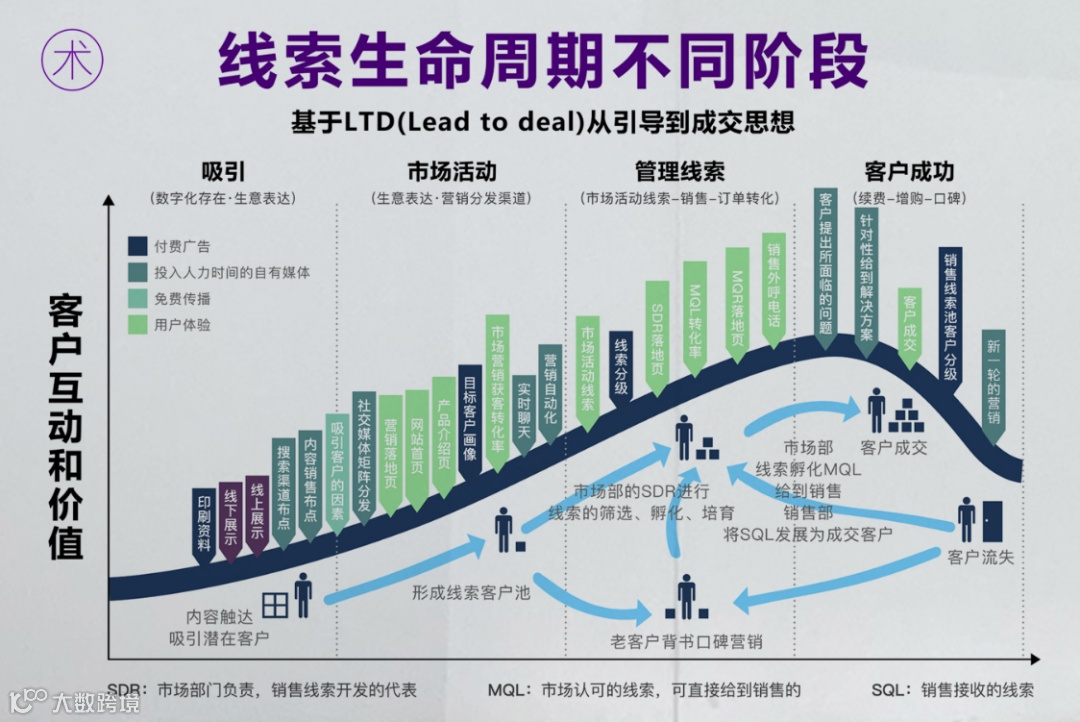
1. 线索获取(Reach - ACT)
目标:
通过精准的市场分析,触达潜在客户,生成MQL(Marketing Qualified Leads,市场合格线索)。
内容:
潜在客户分析与画像构建:市场部门依据目标客户的行业特征、企业规模、痛点需求等,使用大数据与AI工具精准定义客户画像,确保线索来源的高质量。
多渠道触达:利用多元化的触点,如搜索引擎、社交媒体、新闻文章、电子邮件、电话、线下活动、门到门拜访等进行触达,全面覆盖潜在客户的需求场景。
内容营销与价值传播:为了吸引潜在客户的注意,企业需将产品、服务、解决方案等内容通过数字化平台(官网、H5页面、小程序、APP等)进行包装,转化为高价值的内容,通过内容驱动流量。所有内容需具备教育性与启发性,帮助潜在客户解决实际问题。
内容官网与着陆页设计:每个客户接触的渠道(例如广告、活动、社交媒体等)都应指引客户到具体的着陆页,在这里客户可以留资或注册,生成MQL线索。
实践要点:
制定精准的客户画像,结合客户行为分析来优化市场触达的策略。
内容营销策略基于行业痛点与解决方案,用高质量内容吸引潜在客户。
线索获取渠道广泛,覆盖线上线下多维度,增强接触的多样性与深度。
2. 线索激活与需求挖掘(Convert - Engage)
目标:
将MQL(市场合格线索)转化为SQL(销售合格线索),并通过SDR(Sales Development Representative)负责的细化工作将其培养成销售机会。
内容:
SDR角色定位:SDR隶属于市场部,专注于从MQL中筛选出有潜在需求的线索,进行进一步的需求挖掘,并通过电话、邮件、社交平台等方式与客户进行互动。
精细化需求挖掘:线索转化为SQL的关键在于精细化的策略。SDR需要依赖CRM系统与自动化工具,根据客户的需求、关注点、互动历史等信息,通过精确的定向与沟通将潜在客户推向销售阶段。
多渠道沟通与互动:在Convert - Engage阶段,SDR与客户的沟通会通过多种渠道进行,涵盖电话、微信、邮件、短信等形式,根据客户的反馈和行为,逐步将客户需求深挖至具体的产品或服务解决方案上。
数据驱动与CRM系统:将所有的线索数据和互动信息实时同步到CRM系统,进行商机列表的创建与更新。系统能够根据用户标签规则自动筛选和分类,将成熟的线索标记为MQL,并为销售团队提供明确的跟进指导。
实践要点:
SDR的需求挖掘需要结合客户的实际情况与行业背景,精确捕捉商机。
自动化工具与CRM系统深度集成,确保每一条线索都得到有效跟踪和处理。
沟通方式多样化,确保能通过客户偏好的渠道进行高效互动。
3. 销售转化(Convert → Close)
目标:
将SQL转化为实际成交客户,通过销售团队的主导与合作,推进商机至完成交易。
内容:
销售团队主导:销售团队在这个阶段主导商机转化。通过分析潜在客户的需求、预算、决策周期等因素,制定个性化的销售策略与方案,最终促成交易。
行业对标与定向挖掘:销售团队可以通过“按图索骥”的策略,基于已成交客户的行业背景,在线索池中找到相似的潜在客户。此举能够加速线索转化,并提升成交率。
内容准备与方案设计:在销售过程中,企业需要为销售人员提供一整套完善的市场资料,如售前解决方案、行业案例、客户成功案例等,帮助销售人员在客户面前展现公司的优势与产品价值。
客户关系管理:在最终转化阶段,销售团队需积极管理与客户的关系,通过系统化的方式确保客户得到及时的跟进与支持,确保交易的顺利进行。
实践要点:
销售团队通过数据分析和行业对标找到合适的客户,优化资源分配。
提供详尽的销售支持材料,帮助销售人员快速回应客户需求。
销售流程中,要确保每个环节都可追踪,利用CRM系统实时更新销售进度。
4. 成交后的客户跟踪与复购(Customer Success & Retention)
目标:
确保成交后客户的满意度,推动复购与长期合作。
内容:
客户成功管理:销售转化完成后,客户进入客户成功管理阶段。此时销售团队要密切关注客户的使用情况、反馈意见与需求变化,确保客户对产品或服务的满意。
数据驱动的客户维护:利用客户行为数据,结合CRM系统中的客户反馈,针对性地进行服务跟进。通过邮件、电话、社交平台等方式维持与客户的长期关系,促使客户向其他部门推荐产品或服务。
复购与续签:基于客户的购买周期,系统自动提醒销售团队跟进客户的复购与续签需求。同时,通过数据分析,发掘潜在的二次销售机会,如扩展产品线、跨售等。
实践要点:
客户成功团队与销售团队密切合作,确保客户使用过程中的问题能够得到快速解决。通过数字化工具与数据分析精准地判断客户需求,推动复购与续签。希望上述实践方法总结对您和所在企业有所启迪。
▶关于我们
上下滑动查看
项目对接 企业内训 公开培训 咨询服务
★对外投资和经济合作形势展望2025年会:


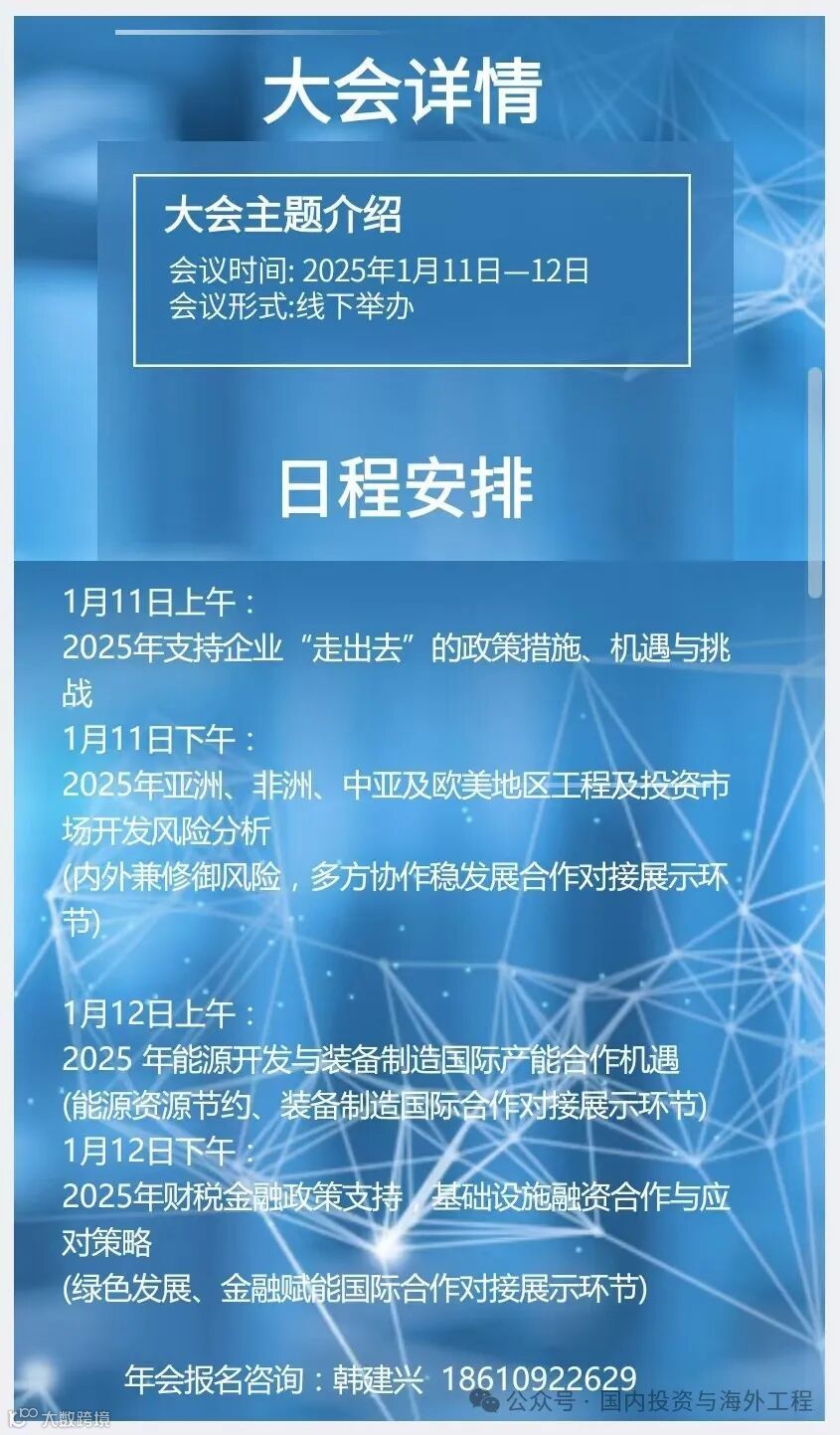
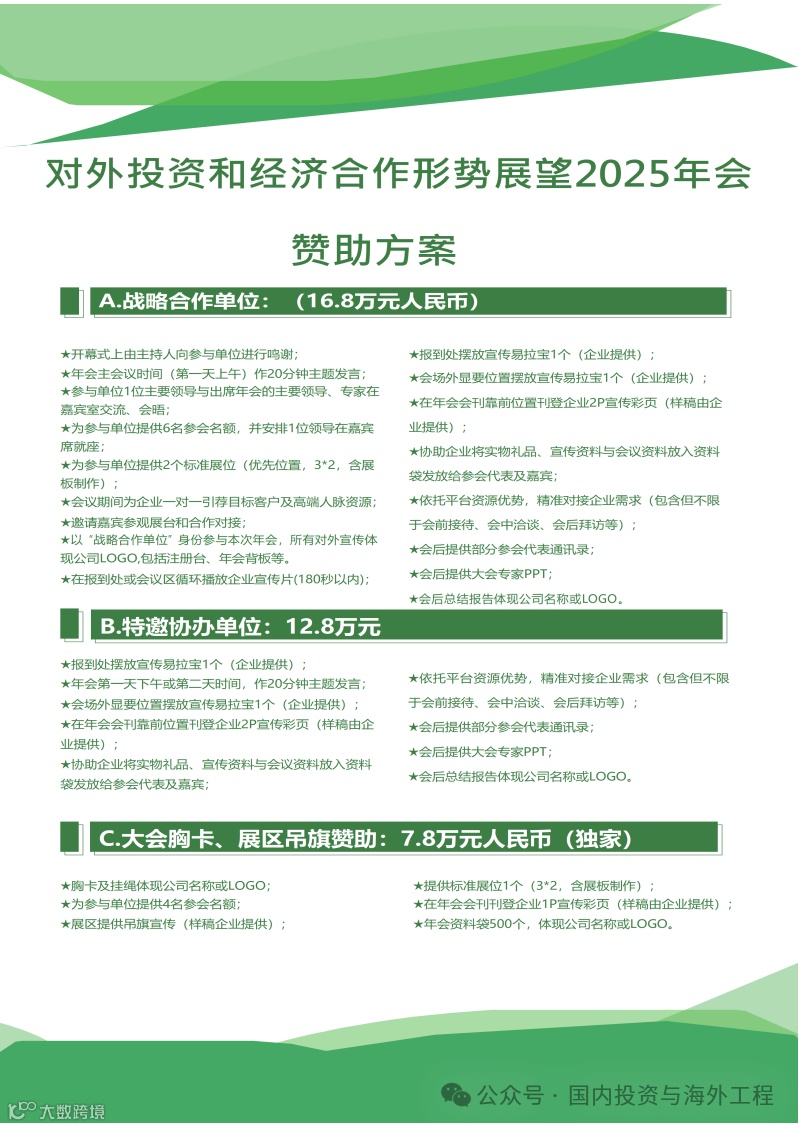

★正在报名中......


敬请关注!谢谢!