


今天继续和我的光粉们分享迪拜市场过往十五年的市场经验。
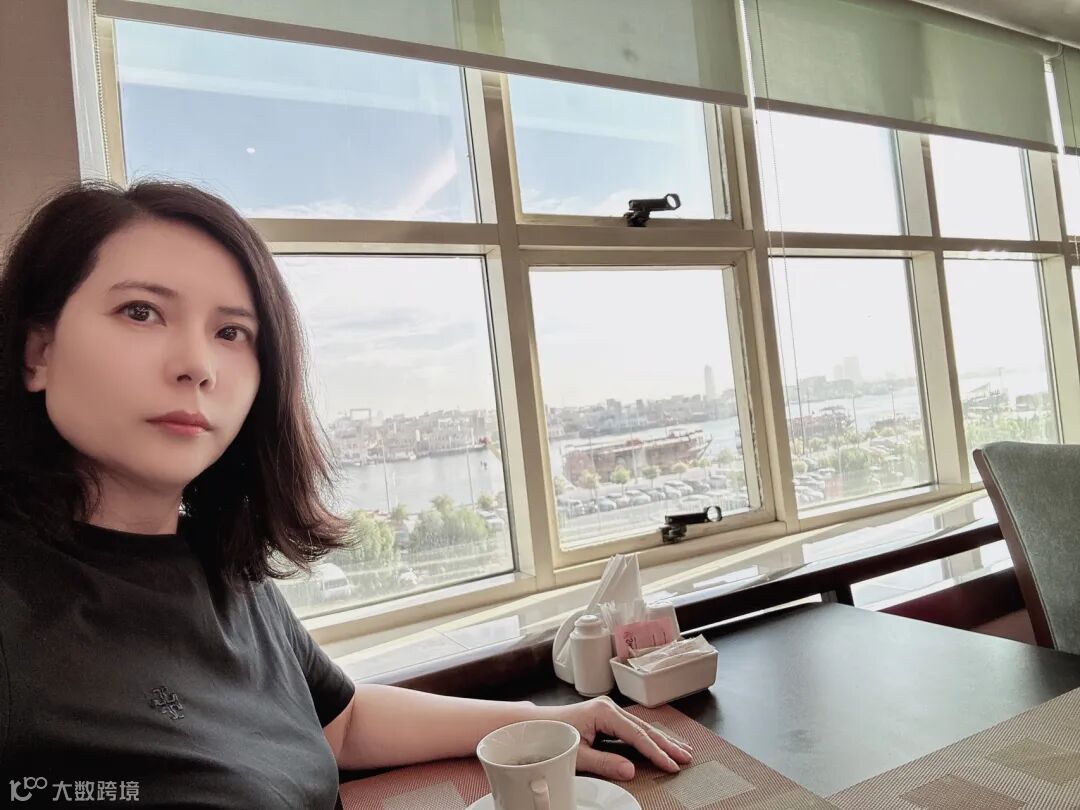
外贸人掘金迪拜灯饰市场:从结算、获客到选品的三维破局法
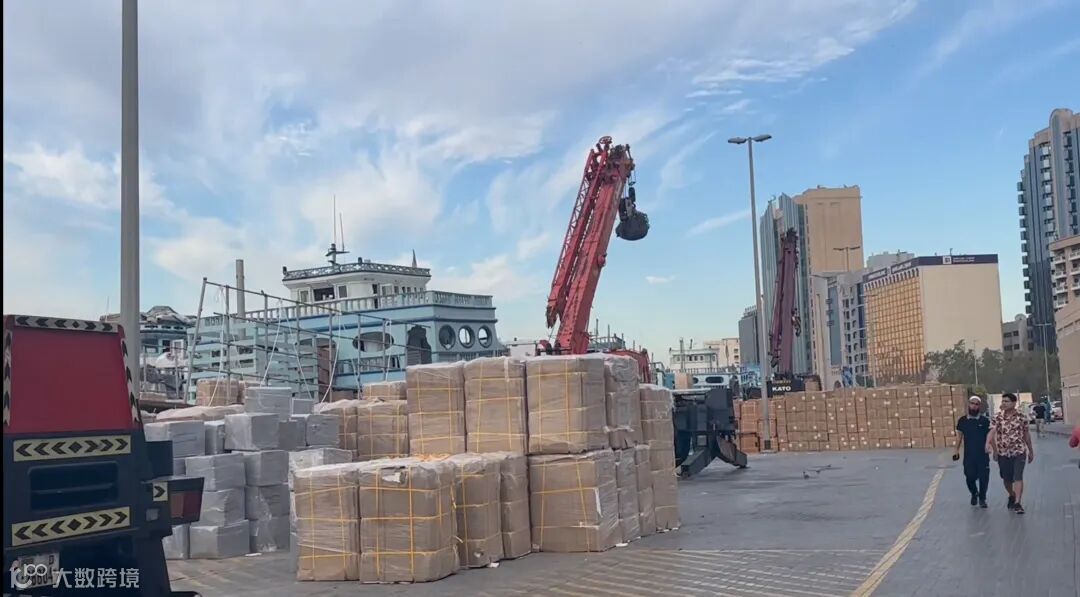
迪拜,作为中东的贸易枢纽和转口贸易核心,是中国灯饰企业开拓中东市场的黄金阵地。中东地区基建与地产行业的持续火热,让灯具照明产品需求连年攀升,但想在这片热土站稳脚跟,绝不是简单的产品输出,而是要从币种结算、获客渠道、产品品类三个核心维度,踩准迪拜灯饰市场的脉搏。
先谈币种与结算,这是灯饰外贸交易的根基。迪拜法定货币为阿联酋迪拉姆,却通用美元结算,给灯饰产品定价时需同步标注双币种,且要留意迪拉姆与美元挂钩的汇率特性,避免汇率波动影响利润。结算方式上,中小额灯饰订单(如家居灯具批发)用PayPal、西联汇款更贴合当地中小商户习惯;大额工程灯具订单(如商业地产照明项目)则优先选择信用证(L/C),依托迪拜NBD、迪拜伊斯兰银行等本地金融机构做风控,尤其要注意部分伊斯兰企业的金融规则,定制无利息结算方案,才能打消客户的合作顾虑。
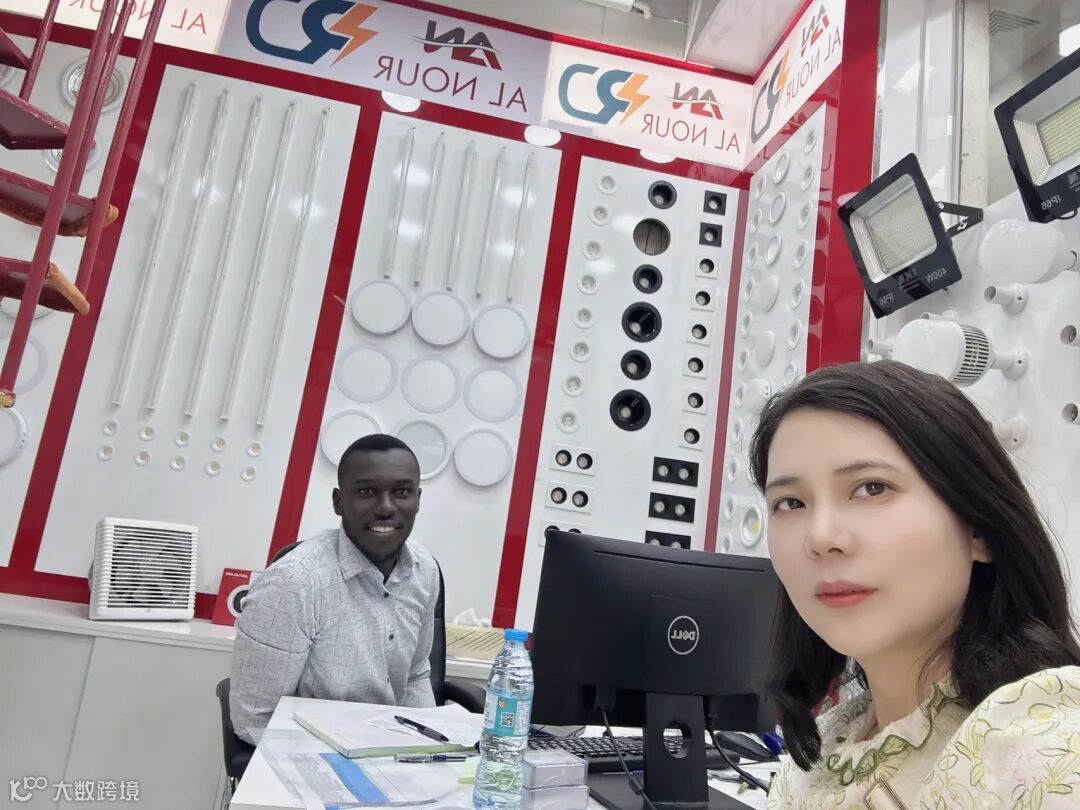
获客环节,灯饰展会+本地市场双轨并行是关键。迪拜Light Middle East(中东迪拜国际照明展) 是灯饰行业的核心展会,基本每年该展于1月14-16日在Emirates Towers举办,聚焦智能照明、建筑灯具、户外照明等品类,是对接中东工程采购商的核心窗口;此外,中东国际电力、照明及新能源展览会(MEE) 每年举办,照明展区主打工业照明、应急照明系统,适合工程类灯饰企业参展。参展时务必准备阿英双语的灯饰产品手册,搭配本地销售团队跟进意向客户。线下还可入驻迪拜多种商品交易中心(DMCC),享受自贸区税务优惠与清关便利;在德拉灯饰贸易区设立展厅,直面终端零售商与批发客户。线上则要利用LinkedIn对接地产、基建项目的采购负责人,通过Instagram推广轻奢家居灯具,贴合迪拜的线上消费偏好。
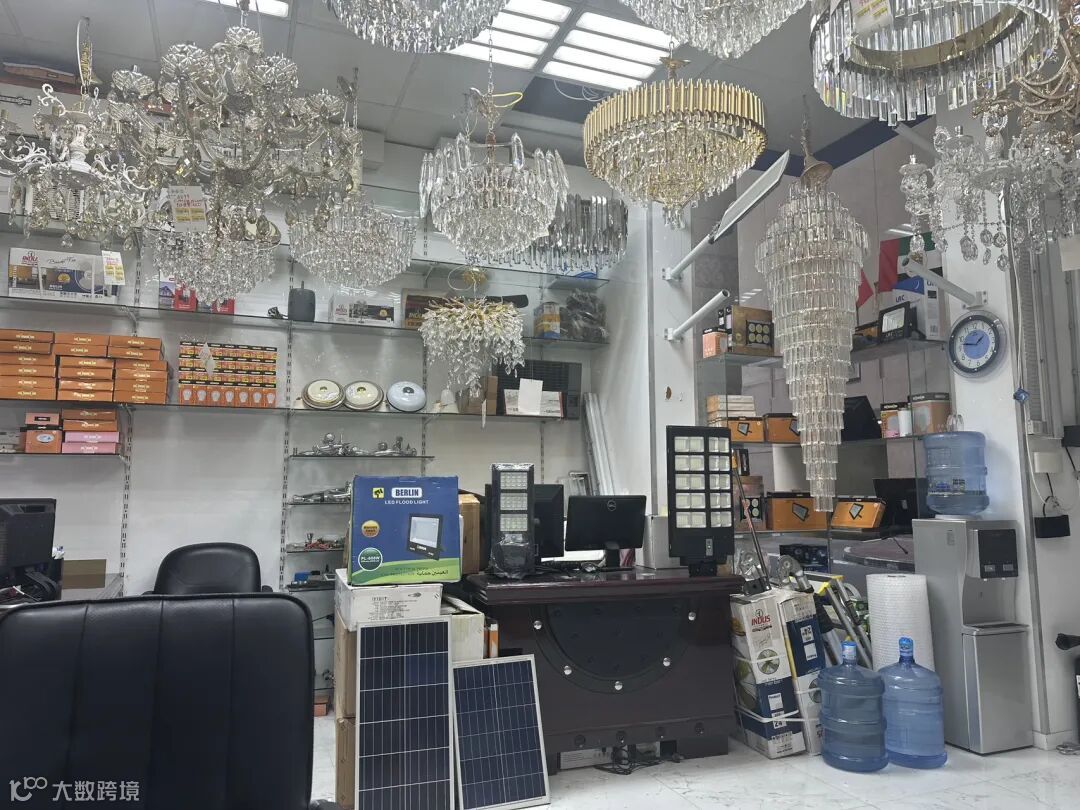
选品与贸易地位的卡位,决定了灯饰市场的深度。迪拜灯饰市场偏爱智能照明、节能光伏灯具、轻奢水晶灯饰,这类产品既能适配当地高端地产项目,也能通过迪拜转口至中东非国家;户外工程灯具需符合阿联酋ESMA认证,装饰类灯具若涉及宗教元素设计,要贴合阿拉伯审美偏好。同时要避开低端塑料灯具的红海竞争,主打定制化工程照明、智能控制系统的差异化产品。更要依托中阿经贸合作论坛等平台,与Al Futtaim等本土大型贸易集团合作,借助其渠道快速渗透迪拜的地产与基建供应链,卡位中阿灯饰贸易的核心节点。
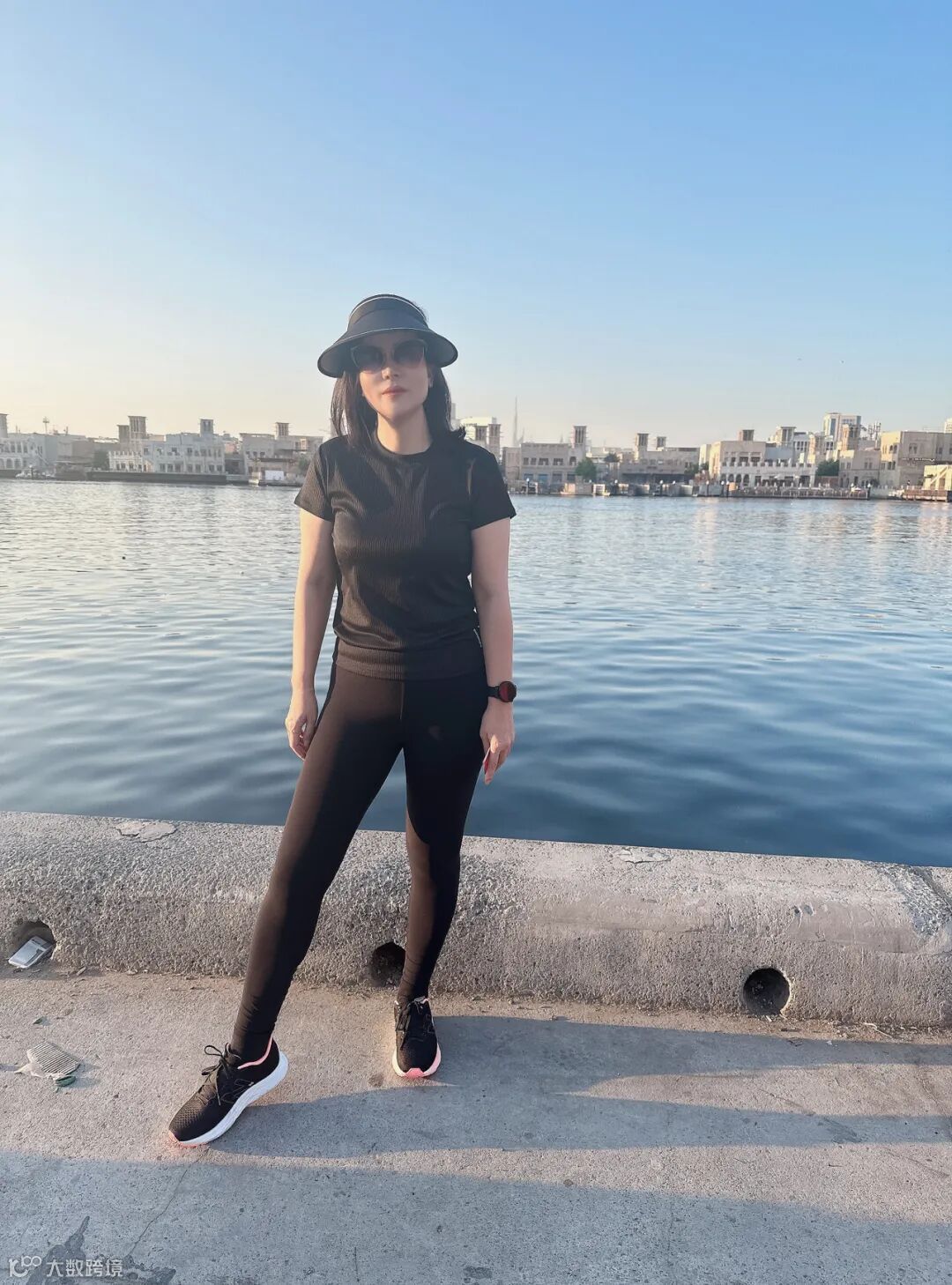
迪拜灯饰市场从不缺机会,缺的是精准的本土化布局。外贸人唯有从金融规则、获客逻辑、产品策略三个维度深度打磨,才能在这片沙漠绿洲里,挖出属于自己的灯饰外贸金矿。
Uncovering Gold in Dubai's Lighting Market: A Three-Dimensional Breakthrough Strategy for Foreign Traders – From Settlement and Customer Acquisition to Product Selection
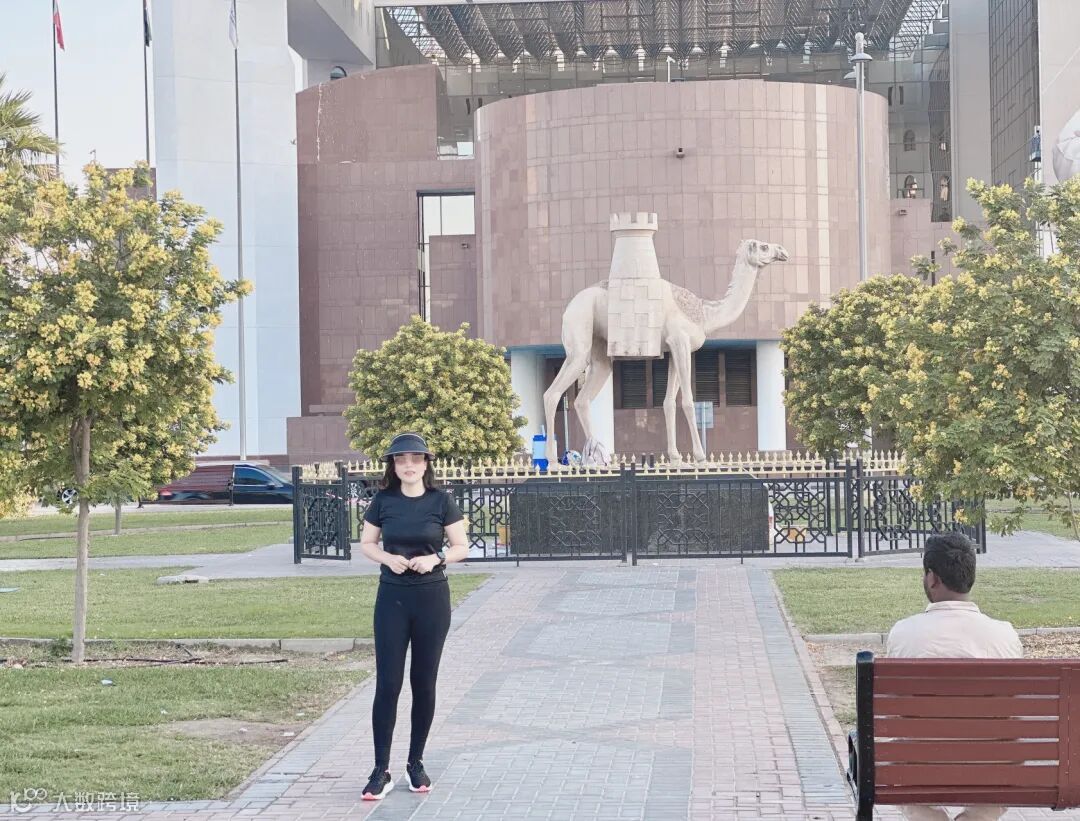
Today, I continue to share 15 years of market experience in Dubai with my lighting enthusiasts.
Dubai, a pivotal trade hub and core re-export center in the Middle East, stands as a golden destination for Chinese lighting enterprises to explore the Middle Eastern market. The sustained boom in infrastructure and real estate sectors across the Middle East has driven a year-on-year surge in demand for lighting products. However, establishing a firm foothold in this promising market requires more than just product export; it hinges on accurately grasping the pulse of Dubai's lighting market through three core dimensions: currency settlement, customer acquisition channels, and product categories.
Let’s start with currency and settlement, the cornerstone of lighting foreign trade transactions. The official currency of Dubai is the UAE Dirham, yet US dollars are commonly used for settlements. When pricing lighting products, dual currencies must be marked simultaneously, and attention should be paid to the exchange rate feature where the Dirham is pegged to the US dollar to avoid profit losses caused by exchange rate fluctuations. In terms of settlement methods, PayPal and Western Union are more suitable for small and medium-sized lighting orders (such as wholesale of household lamps) in line with the habits of local small and medium-sized merchants. For large-value engineering lighting orders (such as commercial real estate lighting projects), Letter of Credit (L/C) is preferred. Risk control can be achieved through local financial institutions like Emirates NBD and Dubai Islamic Bank. In particular, it is necessary to take into account the financial rules of some Islamic enterprises and customize interest-free settlement solutions to eliminate customers’ concerns about cooperation.
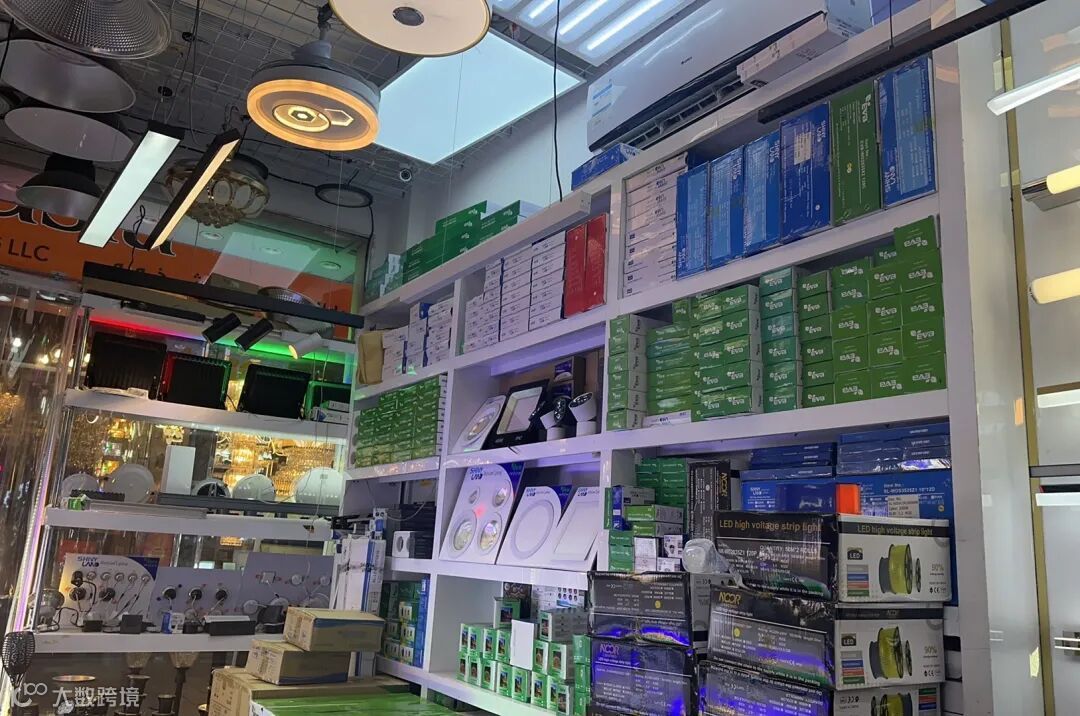
Customer acquisition is a critical link, and a dual-track approach combining lighting exhibitions and local markets is key. Light Middle East, held annually at the Emirates Towers from January 14 to 16, is a core exhibition for the lighting industry. Focusing on smart lighting, architectural lighting, outdoor lighting and other categories, it serves as a prime gateway to connect with Middle Eastern engineering purchasers. Additionally, the Middle East Electricity, Lighting & New Energy Exhibition (MEE) is held every year, with its lighting exhibition area focusing on industrial lighting and emergency lighting systems, making it suitable for engineering-oriented lighting enterprises to participate. When exhibiting, it is essential to prepare English-Arabic bilingual product brochures and deploy local sales teams to follow up with potential customers. Offline, enterprises can settle in the Dubai Multi Commodities Centre (DMCC) to enjoy free trade zone tax incentives and customs clearance convenience, and set up exhibition halls in the Deira Lighting Trade District to directly engage with terminal retailers and wholesale customers. Online, LinkedIn can be leveraged to connect with procurement managers of real estate and infrastructure projects, while Instagram can be used to promote light luxury household lighting, catering to Dubai's online consumption preferences.
Product selection and trade position positioning determine the depth of market penetration in the lighting sector. Dubai's lighting market favors smart lighting, energy-saving photovoltaic lamps, and light luxury crystal chandeliers. These products are not only suitable for local high-end real estate projects but also can be re-exported to non-Gulf Cooperation Council countries in the Middle East via Dubai. Outdoor engineering lighting must comply with the UAE’s ESMA certification. If decorative lighting involves religious element designs, it should align with Arab aesthetic preferences. Meanwhile, enterprises should avoid the cut-throat competition in low-end plastic lighting products and focus on differentiated offerings such as customized engineering lighting and intelligent control systems. Furthermore, by leveraging platforms like the China-Arab States Economic and Trade Cooperation Forum, enterprises can cooperate with large local trading groups such as Al Futtaim, and use their channels to quickly penetrate Dubai's real estate and infrastructure supply chains, seizing a core position in China-Arab lighting trade.
Opportunities abound in Dubai's lighting market; what is lacking is precise localized layout. Only by refining strategies in three dimensions – financial rules, customer acquisition logic, and product tactics – can foreign traders truly unearth their own gold mines in this desert oasis of the lighting foreign trade sector.