

2019船用洗涤器和压载水系统上海论坛将召开// 洗涤器和压载水2019国际论坛日程公布 //以绿色航运为主题中国造船厂地图将发布

提要:近日,拥有一百多艘船舶、荷兰最大的航运船东公司之一的Spliethoff在接受world maritime news 媒体采访时表示,在已为其约30艘船舶安装了洗涤塔的基础上,将为其整个船队的100多艘船都安装船用洗涤塔。国际船舶海工网认为,这个船东的决定将会为全球航运界和船舶配套界带来冲击性的示范影响。Spliethoff 的决定动机和对洗涤塔、压载水系统选用的报道,在紧接如下链接之后,近期,上海将举办针对洗涤塔和全球限硫令燃油选择的国际论坛。
http://www.ishipoffshore.com/html/1/2018-12-14/8504.htm
http://www.ishipoffshore.com/html/1/2018-11-30/8423.htm
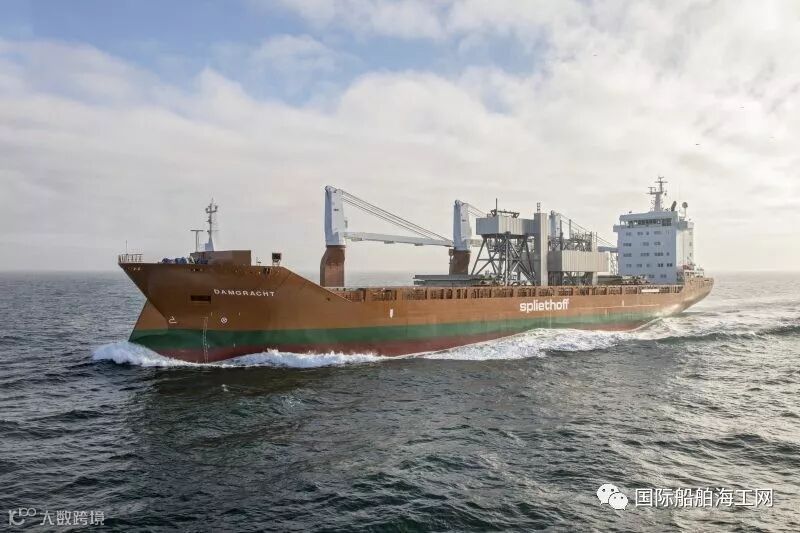
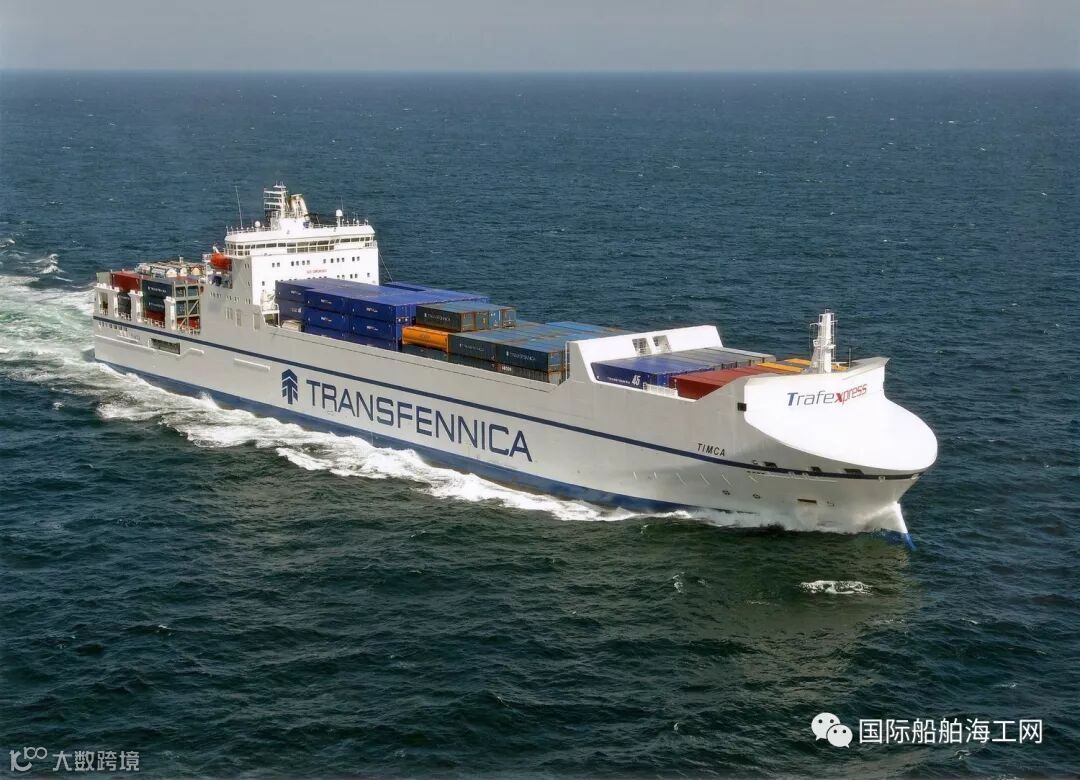
近日,Spliethoff集团说将启动一个重大项目,该集团的一些船只已配备了废气清洁系统,以便为即将到来的2020限硫令做好准备。据了解,该集团打算为其整个船队配备洗涤器 。 Spliethoff集团包括Spliethoff,BigLift Shipping,Transfennica,Sevenstar Yacht Transport,Wijnne&Barends和Bore,是荷兰最大的航运公司之一。目前,它拥有并经营着100多艘船只,其中约有30艘船舶装有洗涤器。
“船上后处理系统中的硫去除是满足即将到来的的一种经济有效的方法,可以避免炼油过程中脱硫所需的8%额外二氧化碳排放,并有益于人类健康,” 该集团称。
正如Spliethoff所解释的那样,该集团也考虑了其他选择,例如LNG,船用气体或极低硫燃料。然而,该公司最终决定投资洗涤器。
“所有合规选择都有其优点和缺点。总体而言,我们认为船上的废气净化系统洗涤塔是最环保和经济的解决方案,以满足我们大多数船队更严格的硫含量限制,“ Spliethoff集团评论道。
作为最近创建的清洁航运联盟2020的( Clean Shipping Alliance 2020)的成员,与其他可用解决方案相比,Spliethoff集团看到了洗涤塔器的许多优势。Spliethoff认为,尽管洗涤器具有很高的资金成本,但它们在技术上、运作上和经济上看都是有效的方式,可以改善空气质量并达到硫含量限制。
Spliethoff集团也是the Trident Alliance联盟的成员,该联盟支持IMO海洋环境保护委员会(MEPC 73)于2018年10月采用的不合规燃料的运输禁令。该组织认为,这项禁令是必要的,以便确保全球执行硫磺上限并确保公平竞争。
“我们需要所有可用的手段,以及更多,来执行硫限制并建立公平竞争的领域,因为不遵守的经济收益是巨大的。因此,我们欢迎禁止在未配备废气清洁系统的船舶的燃油箱中携带硫含量超过0.5%的燃料,因为没有理由在船舶的油箱中携带高硫燃料而非使用它“。
去年9月生效以来,另一项环境法规也一直是热门话题,即IMO的压载水管理公约(BWMC)。该规定是航运业停止侵入性水生物种传播的有效途径。另一方面,许多船东在为其船舶选择合适的压载水管理系统(BWMS)时遇到了困难,因为并非所有批准的系统都适用于所有船舶。
当被问及BWMC和公司关于该公约的实施策略时,Spliethoff集团表示:“我们在船上安装了20多套BWTS。所有类型的BWTS都有其优点和缺点:能耗,过滤器和泵的限制,保温时间,泥水和紫外线透光率,耐用寿命的处理,爆炸性氯化物气体等。
“在A船上运行良好的系统在B船上不一定很好。这非常依赖于行业和船舶。”
“向BWC合规无缝过渡的关键是了解您的系统和运营限制,”该公司表示。
Spliethoff集团在谈到未来潜在的船队扩张计划时,告诉World Maritime News,发展其船队是一个持续的过程,然而增加它本身并不是一个目标。
去年,Spliethoff向中国浙江欧华造船公司订购了6艘船。然而,这家造船厂不幸在今年5月申请法院破产后正式宣告破产。
“我们在2018年遇到了这些船只订购周折,但是,这一切都已经解决了,我们正在重新对这些船只进行重新定位,”该公司告诉World Maritime News。
正在与上海海事大学商船学院一道积极筹备 2019船用洗涤器和压载水系统上海国际论坛将召开的国际船舶海工网补充说,这个船东对洗涤塔器的决定将会为全球航运界和船舶配套界带来冲击性的示范影响,其中一个主要原因是因为Spliethoff 的许多船是中小型船。行业内有一种看法,大中型船选用洗涤塔满足规范,中小型船选用低硫油迎合全球限硫令,但Spliethoff的决定树立了新的标杆。
也欢迎关注即将举办的系列专业论坛和活动:
http://www.ishipoffshore.com/html/1/2018-11-30/8423.htm
http://www.ishipoffshore.com/html/1/2018-12-17/8534.htm
http://www.ishipoffshore.com/html/1/2018-12-14/8504.htm
Shipping Outlook Forum 2019 on IMO New Regulations’ Impact
http://www.ishipoffshore.com/html/11/2018-12-14/8506.htm
Marine Scrubber & BWMS Applications Shanghai Forum 2019
http://www.ishipoffshore.com/html/11/2018-12-14/8505.htm
http://www.ishipoffshore.com/html/1/2018-12-21/8566.htm
Interview: Spliethoff to Equip Almost Its Entire Fleet with Scrubbers
Recently, Spliethoff Group embarked on a major project which has seen a number of the group’s vessels outfitted with exhaust gas cleaning systems, in order to prepare for the upcoming sulphur cap 2020. As informed, the group intends to equip almost its entire fleet with scrubbers.
The Spliethoff Group, which comprises Spliethoff, BigLift Shipping, Transfennica, Sevenstar Yacht Transport, Wijnne & Barends and Bore, is one of the largest shipping companies in The Netherlands. Currently, it owns and operates over 100 vessels, out of which about 30 ships were fitted with scrubbers.
“Sulphur removal in after-treatment systems on-board is a cost-effective way to meet the upcoming sulphur regulations, to avoid the 8% extra CO2 emission needed for desulphurisation in the refinery process and has benefits to human health,” the group said.
As explained by Spliethoff, the group considered other options as well, such as LNG, marine gas oil or very low sulphur fuel. However, the company finally decided to invest in scrubbers.
“All compliance options have their advantages and disadvantages. Overall, we consider exhaust gas cleaning on board to be the most eco-friendly and economic solution to meet the stricter sulphur limits for the majority of our fleet,” the Spliethoff Group commented.
As a member of the recently created Clean Shipping Alliance 2020, the Spliethoff Group sees many advantages from scrubbers as compared to other available solutions. Despite their high capital costs, scrubbers are technologically, operationally and economically effective ways for ship owners to improve air quality and achieve the sulphur limit, Spliethoff believes.
The Spliethoff Group is also a member of the Trident Alliance, which supports the carriage ban on non-compliant fuels, adopted by the IMO’s Marine Environment Protection Committee (MEPC 73) in October 2018. The group believes that this ban is necessary in order to secure global enforcement of the sulphur cap and ensure fair competition.
“We need all available means, and more, to enforce the sulphur limits and to have a level-playing field, as the economic gains of not complying are huge. A prohibition to carry fuels with a sulphur content exceeding 0.5% in fuel tanks for ships not equipped with exhaust gas cleaning systems is therefore welcomed by us, as there is no reason to carry high sulphur fuel in a vessel’s fuel tanks other than to use it.”
Another environmental regulation has been a hot topic since it entered into force in September last year, namely the IMO’s Ballast Water Management Convention (BWMC). The regulation is an effective way for the shipping industry to halt the spread of invasive aquatic species. On the other hand, many shipowners have faced difficulties when selecting the right ballast water management systems (BWMS) for their ships as not all approved systems are suited for all vessels.
When asked about BWMC and the company’s implementation strategy with regards to this convention, the Spliethoff Group said:
“We have installed over 20 BWTS on our vessels. All types of BWTS have their advantages and disadvantages: energy consumption, filter and pump restrictions, holding time, muddy water and UV light transmittance, treatment of resistant life, explosive chloride gasses, etc.”
“What works well on the ship A does not necessarily work well on the ship B. This is very much trade and ship dependent.”
“The key in making a seamless transition towards BWC compliance is knowing your system and operational restrictions,” the company said.
Commenting on the potential additional fleet expansion plans, Spliethoff Group told World Maritime News that developing its fleet is a continuous process, however, increasing it is not a goal in itself.
Last year, Spliethoff placed an order for six vessels at Zhejiang Ouhua Shipbuilding in China. However, the Chinese shipbuilder was officially declared bankrupt after filing for court receivership in May this year.
“We faced a setback in 2018 with the ordering of these vessels, however, this has all been sorted out and we are currently retendering these vessels,” the company told World Maritime News.
Interview by Naida Hakirevic, Jasmina Ovcina Mandra. Image Courtesy: Spliethoff
Source: World Maritime News