2018豪华邮轮/客轮建造上海论坛将召开//武汉将举办免费造船航运论坛会// 全球最大造船海事展德国汉堡将惊现中国报告//中国船东名录将现全球最大造船海事展

许多海上传说经常诉说着空无一人鬼船漂流的惊悚故事,不过,在不远的未来,恐怕会有越来越多「鬼船」在全球主要航线航行,挪威、芬兰、新加坡、日本、中国,都正积极研发无人操作的货船。
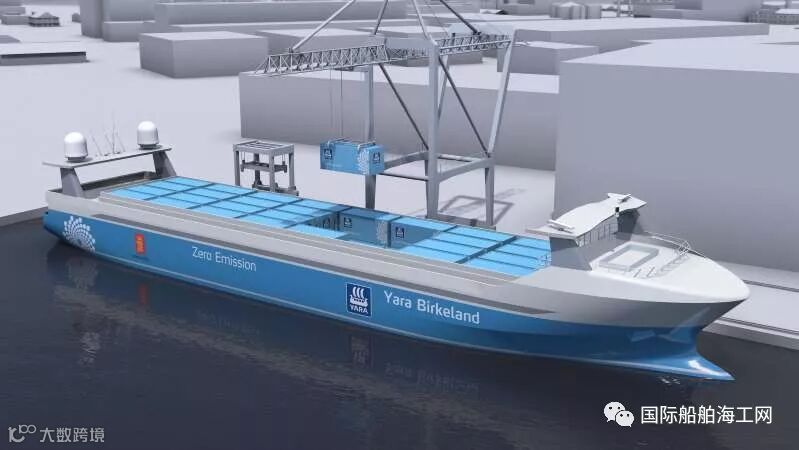
挪威百年企业化肥公司亚拉国际(Yara International)正计划与孔斯堡海事( Kongsberg Maritime)合作,建造 237 英尺(约 72 米)长的电池动力无人电动货轮「亚拉伯克兰号」(YARA Birkeland),预定 2020 年下水启用,可运送 120 个 20 英尺货柜,预计下水后将沿着峡湾航行 30 海里在两个港口间运送肥料,每年能为挪威运送 4 万个货柜,取代高速公路上的货柜车,解除高速公路的壅塞,也解除沿路上货柜车造成的空气污染、二氧化碳排放,以及交通安全问题。
孔斯堡海事的第二艘无人船计划,是轻量海事工作船,用来载运补给物资前往北海钻油平台。这类的近海国内航线,预期是近未来无人船只的主流, 一方面是近海小船的人事成本所占成本比例远高于远洋大货轮,甚至可能占到成本的三分之一,一方面也因为国内航线不需考虑国际规范问题,目前国际上对无人船只尚缺乏任何规章,是无人船只发展的可能障碍之一。
消息传出,让全球海事产业议论纷纷;芬兰也不落人后,计划打造无人渡轮;日本海运公司正组织联盟,计划在 2025 年时,建造 250 艘远端操控的无人货船;中国则规划出 225 平方英里海域,当作无人船只的测试场域。
无人货船的研发竞赛,有如过去美苏之间的太空竞赛,但是美国却没有参加。这也不让人意外,美国造船业、航运业在 1920 年美国国会通过华盛顿州参议员卫斯理琼斯提出的《海洋商船法》,世人称之为《琼斯法案》的保护下,成为毫无进取心、无竞争能力的衰弱产业,全球约 7,200 艘海运货柜轮中,美国籍船减少到仅剩 81 艘,是现代以来最低数量,而美国造船总吨数,还输给台湾跟罗马尼亚。
美国能打造举世无双的航空母舰,造船技术能力无庸置疑,美国在无人驾驶技术也名列前茅,原本应该是无人货船最引领时代先锋的国家,但却因美国船运业在长期保护下变得无比衰弱,根本没有加入无人船研发竞赛。美国船运业别说研发新技术,根本就每天要求政府援助,哭诉船队已经老化,无法与全球竞争对手竞争,推称税法不利、美国人生活水准高,不容易请到船员、工会强大造成人事成本居高不下,所以没有竞争能力。
事实上,高人事成本、不易请到船员,加上美国无人驾驶技术执全球牛耳,这样的组合,理当会让美国成为全球无人驾驶船只技术最快发展的国家才对,结果却恰恰相反,船运业在《琼斯法案》保护下死气沉沉,坐视其他国家进行无人船军备竞赛。
但在真正的军事装备,美国可是虎虎生风。美国海军 2018 年稍早才测试 132 英尺(约 40 米)长的无人军舰,上头搭载无数侦测装备,由于不需提供人员的食物饮水等物资,该艘无人军舰可以离港执行任务一整个月,除此之外,美军也正积极开发无人反潜快艇。
尽管如此,在商业应用,美国船运界极度被动,这使美国硅谷企业反而选择与欧洲公司合作。2017 年底,Google 与英国引擎大场劳斯莱斯(Rolls-Royce)合作,开发机器智能软件,协助实现无人驾驶船只,2018 年 1 月,劳斯莱斯在芬兰图尔库建造研究中心,专注于研发无人船只。
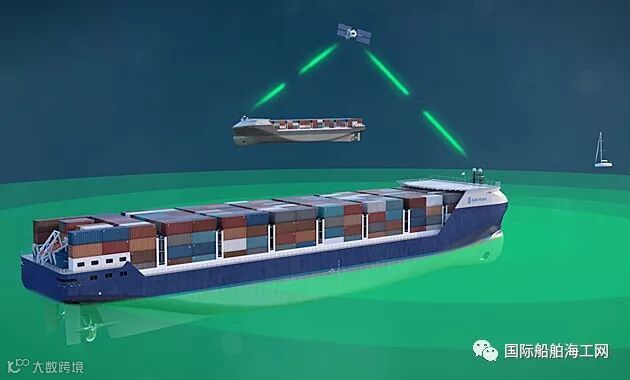
(Source:劳斯莱斯)
无人船只有许多好处,包括排除人为疏失,75%~96% 的海上事故都出自人为疏失,若是全面无人化,可从根本消弭海上事故发生。船上没人,也就没有遭绑架勒赎的可能性,根本没有人可以操控的界面,海盗登船也难以劫船,使得安全性提升;降低事故与劫船事件的发生率,则可让保险公司大幅降低保费,降低船运公司的保险成本。
人事成本是船运相当大的负担:需要高薪才能吸引人才离开陆地到海上跑船;不是任何人都上船就能作业,需经过海事专业训练;人员需要吃喝拉撒睡,船上必须留下相对应的空间、有相对应的设备,例如睡铺、厨房、卫浴、休闲设施,也要储存相对应的物资、例如淡水;人命关天,船上需要有救生设备,为了因应海盗绑票劫船,还要有安全人员与安全措施,甚至要准备赎金。若是船上没人,这些成本全都可以省下来。
排除了人员,船只设计上,可删除所有人员直接与间接需要的空间,使设计更精简,制造更便宜,能装载更多货物,能源效率也更高,也就更环保。
安全相关领域的无人船发展可能较快,例如必须靠近起火船只的消防船,最好能无人操控,以保障消防员的生命安全,必须靠近故障或失事船只的拖船也是同样的道理。人事成本相对较高的船种,无人化的速度也会越快。反之,相对来说,远洋大型货轮的人事成本占总成本比例低于近海小船,因此大型货轮无人化的进程可能会较缓慢。
但无论如何,船只无人化好处多多,而人类的技术已经成熟到无人船可能实现。在 5~10 年前,若谈起无人船,世人会嗤之以鼻,以为是科幻小说,但如今已有实际的无人船商业计划进行,不远的未来,或许水手根本不会见到海,而是到机房上班。远端监控无人船的航行有无意外问题,其实他们大多数情况下也只是聊备一格,因为若没有什么意外或系统错误,无人船自行航行、靠港,完全不需要人类的帮忙。
来源:Technews科技新报
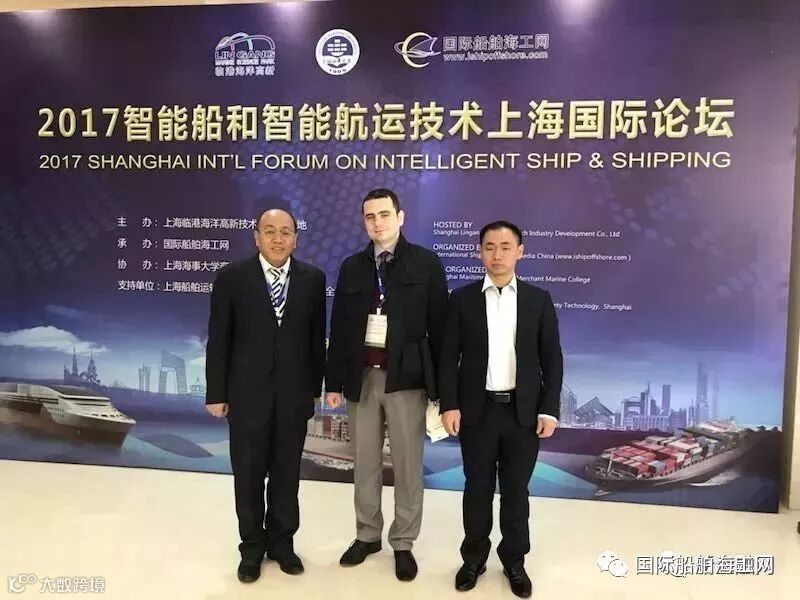
总部位于上海的国际船舶海工网,对无人船、智能船和智能航运发展趋势和动向一直非常关注,还在各方支持下,于2017年12月13日-14日成功发起召开了有国际影响的首届2017智能航运和智能船上海国际论坛。国际船舶海工网将在2018年继续举办国内外知名的第二届2018智能船和智能航运上海国际论坛。计划召开时间为2018年12月12日-13日,欢迎感兴趣单位咨询和报名。
2017智能船和智能航运国际论坛总结见链接:
上海成功举办首届2017智能船和智能航运国际论坛(可以直接点击打开)
http://www.ishipoffshore.com/html/1/2017-12-14/5883.htm
欢迎关注即将举办的其他重要精彩论坛和推广活动:
(可以直接点击以下字段打开)
第四届2018豪华邮轮/客轮建造、维修和配套上海国际论坛将召开
http://www.ishipoffshore.com/html/8/2018-04-07/6792.htm
http://www.ishipoffshore.com/html/1/2018-04-20/6924.htm
http://www.ishipoffshore.com/html/1/2018-05-09/7054.htm
http://www.ishipoffshore.com/html/6/2018-05-13/7079.htm
http://www.ishipoffshore.com/html/1/2018-05-07/7027.htm
http://www.ishipoffshore.com/html/1/2018-04-04/6772.htm
2018 FPSO / FLNG 建造、改装和配套上海国际论坛将召开
http://www.ishipoffshore.com/html/2/2018-04-08/6801.htm
http://www.ishipoffshore.com/html/2/2018-04-08/6805.htm
http://www.ishipoffshore.com/html/4/30/2018-03-06/6527.htm
Global race to develop self-navigating ships leaves US behind
4/29/2018
File image of the U.S. Marshals Service logo.US Marshals, police arrest Vermont fugitive in Oregon
Senator Ted Cruz, Republican of Texas, comforting people at a vigil in Santa Fe, Tex., on Friday.Anti-Gun Backlash After School Shooting? In Texas, Probably Not
An artist's rendering shows the YARA Birkeland, an emission-free battery-powered container ship that will operate autonomously along a fjord in Norway.© Kongsberg Maritime An artist's rendering shows the YARA Birkeland, an emission-free battery-powered container ship that will operate autonomously along a fjord in Norway.
WASHINGTON — The day in which unmanned "ghost ships" ply the seas laden with cargo is fast approaching. But don't expect the drone vessels to be flying a U.S. flag.
The United States is not among the global hot spots where a revolution in autonomous commercial shipping is unfolding. One needs to look to places like Norway, Finland, Singapore and China to observe the competition for unmanned shipping.
A shipyard in Norway will soon begin building a 237-foot battery-powered electric container ship that will operate with nary a sailor aboard by 2020.
Announcement of that project and several others over the past year have rippled through maritime circles worldwide.
Finland is looking at prototypes for an autonomous ferry. China has set aside a 225-square-mile ocean area to test crewless ships. And Japanese shipping lines have formed a consortium with the goal of having 250 remote-control cargo ships by 2025.
"It's kind of a space race," said Sean T. Pribyl, a maritime attorney with the Washington firm Blank Rome. "It was a total surprise for everyone in the industry." U.S. shipping firms are not even in the game.
"We, the U.S., are behind," said Deputy Administrator Richard Balzano of the U.S. Maritime Administration, the arm of the Transportation department that deals with shipping. American commercial shipping firms are "on life support."
"Our fleets are aging out. We're not globally competitive like, say, the Chinese. Our tax systems, our standards of living, our pay rates, our union labor costs, these things all drive us to be less than competitive," Balzano said.
Battered by foreign competition, U.S. shipping lines run a total of 81 ocean-going vessels that conduct international trade, the lowest number in modern times, Balzano said.
Other factors that have hindered the commercial shipping industry's move toward autonomy include a lack of designated open-water areas to conduct testing, sea lanes that are heavily transited, and regulatory obstacles.
The U.S. isn't losing the race because a lack of technological know-how. In fact, U.S. technology in autonomous systems is world beating — but it's largely confined to the military. Earlier this year, the Navy took control of a 132-foot sensor-rich unmanned vessel, dubbed Sea Hunter, that can remain away from port for months at a time. Other anti-submarine robot ships are on order.
Pribyl estimated that U.S. commercial shipping interests lag at least five years behind some of their foreign counterparts in moving toward crewless commercial vessels.
"The U.S. commercial maritime industry is somewhat conservative in adopting new technology, and so there's a bit of wait-and-see as to what's happening in Europe," Pribyl said.
Interest is awakening in Silicon Valley — to work with European firms. Six months ago, Google partnered with the British engine maker Rolls-Royce to develop machine intelligence software to help make autonomous ships a reality. In January, Rolls-Royce opened a state-of-the-art research facility in Turku, Finland, to focus on autonomous shipping.
Proponents say unmanned ships could be safer and more environmentally friendly. But the real driver is a desire to lower costs. "In five to 10 years, they are going to start pulling people off of the ships. ... The largest cost to operate a vessel is the people. You have to feed them. You have to train them. You have to have facilities on board for them. It costs a lot of money," said Tim Barton, maritime chief engineer at Leidos, a U.S. defense company in Reston, Virginia, that helped develop the Sea Hunter.
Without crews, ships have no need for kitchens, sleeping quarters, sick bays, recreational facilities and plumbing, making more room for cargo.
The Norwegian drone vessel that will be the world's first autonomous ship is a joint project between YARA, a fertilizer conglomerate, and Kongsberg Maritime, an offshoot of a defense business. Once the ship, christened YARA Birkeland, enters autonomous operation, toting up to 120 20-foot containers per journey, it will pull congestion off Norwegian highways.
"They are replacing 40,000 truck journeys per year between their factory and their two export ports," said Peter Due, director of autonomy at Kongsberg Maritime.
The factory is in Heroya, site of a large industrial park. The crewless drone vessel will haul fertilizer along a fjord to ports in Brevik and Larvik, a journey of up to 30 nautical miles through crowded waters.
No longer will trucks pass through high-density areas with schools, leaving "emissions, dust, sound and traffic safety (concerns)," Due said.
Such coastal routes are where experts see the biggest near-term opening for autonomous vessels. By remaining in the territorial waters of a single nation, shipping lines don't have to deal with a vacuum of international regulation regarding autonomous ships.
In a second project, Kongsberg Maritime has developed a prototype for an ocean-going light-duty utility ship, dubbed the Hronn, that could take supplies to North Sea oil rigs without a crew aboard.
"One of the success factors that make Norway a leader in this is that we are a small nation, 5.3 million people. It's very, very easy to get to decision makers. We're on a first name basis with our prime minister," Due said.
Autonomy is farther off for large, ocean-going ships. Those vessels already have comparatively small crews, and a fraction of the labor costs of coastal vessels, which can eat up a third or more of operating expenses, Due said.
Bigger ships will incorporate automation more slowly.
"I don't think you'll see ... an unmanned oil tanker for quite a while," said Jan Hagen Andersen, business development manager for the Houston office of DNV GL, a global adviser and registrar to the maritime industry.
But Andersen said the autonomy revolution is coming fast in other corners of shipping.
"If you'd asked the maritime industry four or five years ago about autonomy or unmanned vessels, we would've said, no, that's all science fiction," Andersen said. "But I think today you see real commercial projects that are being developed."
In some functions, crewless boats make particular sense, such as fireboats that must get near burning ships and can be operated remotely, and tugboats, experts said.
Autonomous ships also could sidestep the human error that Allianz Global Corporate & Specialty, a marine risk firm, estimates cause 75 percent to 96 percent of marine accidents.
"Avoidance or reduction of human error is a significant element" of the move toward autonomous shipping, Mark Johnson, a former Royal Navy commander now at the Shipping Group of law firm Reed Smith in London. "Insurers do see benefit in it."
Autonomous vessels will be cheaper to build, and more energy efficient. If seized by pirates, there is no crew held hostage to use as leverage for ransom. But they do have down sides. No immediate repairs are possible on an unmanned ship.
"If you were to lose the remote-control link, what happens to the vessel?" Johnson asked, saying such questions are yet to be worked out in international convention.
The future of many mariners is to have dry shoes, confined to control rooms at shipping lines, monitoring data from unmanned cargo vessels thousands of miles away.
"They can't fight it. It's coming and they know it," Balzano said.
https://www.msn.com/en-us/news/technology/global-race-to-develop-self-navigating-ships-leaves-us-behind/ar-AAwiiPj