


美国《精奢商业日报》8月1日文章,原题:中国创新正在塑造全球电商的4种方式(4 Ways Chinese Innovation Is Shaping Global E-Commerce) 过去10年来,有关中国通过复制和推广硅谷的概念进入电商的老生常谈已一去不返。如今,从近来的网络直播热潮到全天候的客户服务,中国创新正在塑造全球电商,使我们可以一瞥购物的未来。以下为中国的四种创新。
重大件杂货和工程项目物流2021年上海国际峰会将于9月16-17日举办
2021年海上风电船舶技术应用和发展上海论坛将于12月9-10日举办
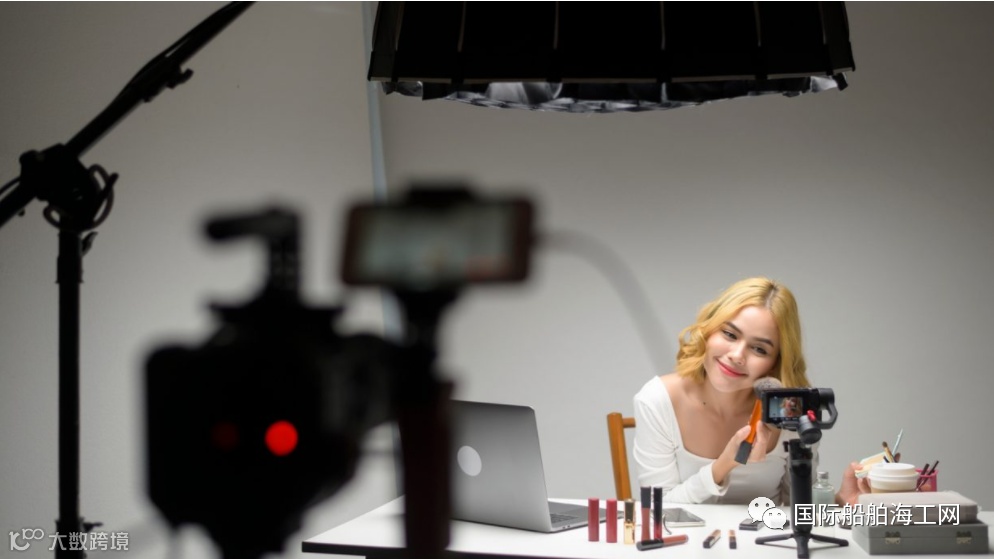
第一,“购物即娱乐”或“争夺时间份额”。中国电商市场的显著特征之一,是网上购物已被打造为一种消遣方式,电商和网购App为人们提供了发现、娱乐和享受的空间。消费似乎成为这些体验的次要方面,零售商们争夺的是消费者的时间而不是钱包。
第二,“发掘童心”或“上瘾有利于销售”。与上一主题密切相关,中国的电商平台已成为消费游戏化的大师。消费者如今可以在天猫奢侈品馆参加虚拟展览和表演,并在富有个性化的品牌小游戏或小测试的吸引下购买相关商品。融入人工智能和增强现实(AR)技术的虚拟试穿也反映出电商日益游戏化的趋势。
第三,“打造自己的购物节”。早在互联网或电商出现之前,全世界的消费者就已经开始接触在节假日期间举行的各类商业活动,伪装成文化节日的购物节活动也并非全新概念(例如情人节)。然而,过去十年来,中国涌现出大量购物节,对于塑造该国具有开创性的零售格局至关重要。“双11”“6·18” 等购物节已在全球广为人知,并越来越被中国以外的全球零售商和消费者所“庆祝”。
第四,“购物永不停歇”或“为你提供全天候服务”。在中国激烈竞争的推动下,电商消费者可以习惯性地随时与品牌和零售商沟通。
虽然尚未看到西方市场大规模采用中国的电商模式,但从技术乃至基本的社会文化角度来看,中国电商的许多方面都在塑造我们在全球的购物方式。
(作者托尔斯腾·斯托克等,丁雨晴译)
4 Ways Chinese Innovation Is Shaping Global E-Commerce
Torsten Stocker and Sadie Bargeron
August 1, 2021
From the recent boom of livestreams to 24-7 customer service, Chinese innovation is shaping global e-commerce, providing a glimpse of shopping’s future. Photo: Shutterstock
Key Takeaways:
The burgeoning success of the US-based livestream startup Popshop Live (the company recently announced a valuation of $100 million) foreshadows growing confidence in the platform in the West.
A gamified approach to selling has been a big part of Chinese mobile-first, fast-fashion brand Shein’s triumph in key Western markets, from showering its customers with virtual confetti to its famed points system.
With Shein’s Sheinsider’s Day, Net-a-Porter’s 2021 ‘The Beauty of You’ two-week-long festival, and Youtube’s recent Small Bizz Day, we now see more confidence in brand-led shopping festivals outside of China.
The commonly-told narrative where China entered e-commerce by copying and rolling out concepts from Silicon Valley has been systematically erased over the past decade. Today, from the recent boom of livestreams to 24-7 customer service, Chinese innovation has shaped global e-commerce, providing the rest of us with a glimpse of shopping’s future.
Here, Jing Daily highlights four of these innovations. But rather than focusing on their technological aspects, we explore their impact on the key social and cultural dynamics of global shopping.
“Shopping as Entertainment” or “Competing for Share of Time”
One of the defining characteristics of China’s e-commerce market is the way that online shopping has been created as a pastime, with retailers and apps curating spaces for people to discover, play, and enjoy on their own or with friends. Spending is almost a secondary aspect of these experiences, with retailers competing for consumers’ time rather than their wallets.
The explosion of livestreams in China is a case in point, and it is an area that global players are now starting to embrace, from American luxury retailer Nordstrom hosting over 50 virtual events last year to French department store Printemps recently broadcasting four live-shopping programs from its Boulevard Haussman flagship store. Furthermore, the burgeoning success of the US-based livestream startup Popshop Live (the company recently announced a valuation of $100 million) foreshadows growing confidence in the movement.
Other examples of entertainment-led commerce incorporated by global players include Instagram’s recent allowance of creators to sell products via Instagram Live, click-through product launches in its Stories, and links to products in Feed photos. Meanwhile, shoppable Reels were introduced in December of 2020 and are similar to the Chinese Bytedance-owned video app Douyin.
Taking a page from its sister app Douyin’s playbook, TikTok has persuaded consumers to habitually shop via video in Europe and the US, with the hashtag #TikTokMadeMeBuyIt currently at 4.1 billion views and counting. This angle not only shows the power of short videos but also of recommendation-led purchasing, with the evolving concept of shopping becoming a part of day-to-day online entertainment.
TikTok users share the items they bought based on other users’ recommendations. Photo: Screenshots, TikTok
“Tapping the Inner Child” or “Addiction is Good for Sales”
Closely related to the previous topic, Chinese e-commerce players have become masters of gamification. Today, shoppers attend virtual exhibitions and performances on Tmall’s luxury pavilion and get drawn to buying an item through branded games or quizzes that personalize their purchases.
A gamified approach to selling has been a big part of Chinese mobile-first, fast-fashion brand Shein’s triumph in key Western markets. From the brand showering its customers with virtual confetti when they log on to its famed points system, the company taps into the addictive nature of gaming.
Virtual try-on features that incorporate AI and AR, which were welcomed in 2020 and into 2021 due to pandemic-enforced travel restrictions, also reflect the growing gamification of e-commerce. One recent example is Snapchat’s partnership with Farfetch and Prada, where its ‘3D Body Mesh’ technology allowed users to try on clothes, visualize the movement of the fabrics and fit, and share the results with friends.
With Snapchat’s new gesture recognition capabilities, Prada shoppers can signal on the app when they want to check out another item or color. Photo: Courtesy of Snap
Literal gaming is also becoming more of an integrated part of online shopping. So it is no surprise that some global fashion brands with strong track records in China have made direct forays into this space. Balenciaga, for instance, launched its Fall 2021 collection through the online video game Afterworld: The Age of Tomorrow, while Gucci partnered with Roblox for an in-game Gucci Garden experience earlier this year.
“Create Your Own Shopping Festival” or “The New National Holidays”
Consumers worldwide were getting roped into the commercial aspects of national holidays long before the internet or e-commerce, and industries creating shopping festivals masquerading as cultural occasions is not an entirely new concept (Valentine’s Day, for example).
However, the past decade has seen a plethora of shopping festivals emerge in China, which has been pivotal in shaping the country’s trailblazing retail landscape. And today, several of these specific days now feel like deep-rooted cultural phenomena. Singles’ Day and 618 are now well-known globally and are increasingly being “celebrated” by global retailers and consumers outside China.
The 618 festival, in particular, is unique, as it started as a celebration of JD.com’s anniversary in 2010. In fact, many believe Amazon’s launch of Prime Day as an ode to its 20th birthday five years later was inspired by it. And with Shein’s Sheinsider’s Day, Net-a-Porter’s 2021 ‘The Beauty of You’ two-week-long festival, and Youtube’s recent Small Bizz Day, we now see more confidence in brand-led shopping festivals outside of China.
编辑来源:Jing Daily 环球时报、国际船舶海工网