

TITAN 具有强大的力量、智慧和重要性:对于陆军而言,这就是 JADC2 的全部
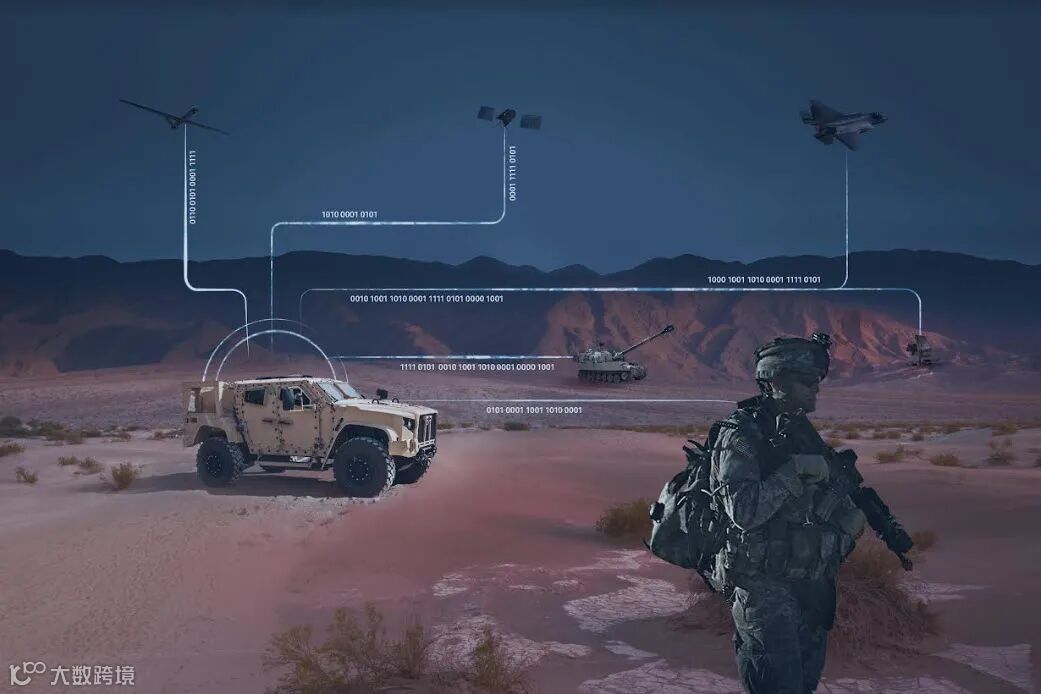
TITAN 是一个战术地面站,可以发现和跟踪威胁以支持远程精确定位,它承接汇集来自地面、空中和太空传感器的数据。
通过 Project Convergence,陆军寻求进一步融入联合部队并改变其作战方式,着眼于更快的速度、射程和准确性——尤其是远程精确火力。陆军领导层特别希望缩小传感器生成情报的差距——特别是它是如何被感知、理解和采取行动的。
为此,Raytheon Intelligence & Space (RI&S) 于 6 月被选中参加陆军战术情报目标访问节点 (TITAN) 计划持续开发的竞争性原型阶段。TITAN 是根据其他交易协议授予的,旨在将战场情报转化为目标信息。TITAN 是一个战术地面站,可以发现和跟踪威胁以支持远程精确定位,它承接汇集来自地面、空中和太空传感器的数据。
特别是,战术地面站旨在支持远程精确火力,这是 Project Convergence 的一个关键目标,也是联合全域指挥与控制 (JADC2) 的一个决定性要素。
RI&S 陆军和特种作战组合决定性地面作战副总裁 Chuck Taylor 说,理解传感器数据并使用它来推动战场决策的能力“是引领全域作战的关键组成部分” 。理想情况下,应该可以使用来自任何域中任何传感器的任何数据来识别高回报目标——“这就是 TITAN 节点在战术边缘所做的事情。”
在这种方法下,来自一系列来源的输入将被输入 TITAN 系统,然后该系统将应用人工智能来处理该数据。RI&S 空间和 C2 系统执行董事 Scott McGleish 说,在人工智能的支持下结合不同类型的数据,“可以加快决策过程并提高目标位置的准确性,从而对其产生影响” 。
通过这种实现远程精确射击的方法,陆军将能够“比以往任何时候都看得更远。我们将比以往任何时候都更有效,”泰勒说。
来自所有军种的所有传感器数据
陆军转向类似云的环境将有助于启用 TITAN 并释放专门用于情报、监视和侦察数据的信息共享可能性。
Taylor 说:“当你插入到这个环境中时,你将拥有大规模运行的智能搜索引擎,你将改变每个军种实际摄取这些信息的方式。”
他说,几乎同时从卫星、飞机、地面和海军传感器中获取传感器数据“是一个关键组成部分,不仅可以实现远程精确射击,还可以实现所有形式的作战机动”。“这将实现‘始终近乎实时’。” 这是对联合全域作战的重大贡献。”
当然,这需要高度的协调。有效使用 TITAN 需要陆军和其他武装部队之间的广泛互动,以创建整体图景。
其他政府机构甚至联盟伙伴将需要提供这些数据,而陆军将需要专注于让这些齿轮啮合。
“当你查看发布权限时,当你查看交战规则时,如何及时处理所有这些问题?” 麦格利什指出。“那里有很多政策,很多内部运作方式必须在组织之间弄清楚。”
雷神公司则希望提供能够使这些交接尽可能无缝的技术。
“模块化、开放系统架构是我们追求的最低限度,”Taylor 说。无论数据来源如何,“我们使用的算法和系统都可以摄取并处理它。这是联合或联盟环境中‘联合’的关键部分。”
雷神拥有杀伤链
兑现这一承诺需要高度的任务专业知识。雷神公司的高管指出,他们对系统各个方面的深入参与证明了他们在这方面的专业知识。
“从字面上看,进入该系统的每个传感器都是雷神公司的产品,”McGleish 说。“我们拥有整个杀伤链。合成所有这些成分的能力“是该公司拥有的一项非常强大的资质。”
与此同时,雷神公司正在与具有专业能力的组织合作,以支持人工智能和机器学习等特定需求。
“我们在人机集成方面引入了同类最佳产品,”他说,并指出这很重要,因为它确保 TITAN 永远不会将人类排除在外。相反,“我们在循环中赋予人类权力。”
现在针对 TITAN 的数十年经验
当所有这些部分结合在一起时,其效果将使指挥官能够更好地了解战场,并使围绕目标识别的大部分工作自动化。虽然机器驱动的目标定位支持似乎是一个高风险的提议,但雷神公司的高管们证明他们的解决方案可以应对挑战。
目标情报包将根据既定战术、技术和程序分析运动。它将应用预测分析来了解敌人的行动。
一个简单的例子:“对手通常向左转,但这次他们向右转。从进攻威胁的角度来看,这现在变得更加令人担忧,”麦格利什解释道。通过机器学习加速分析,该操作将触发警报。
起初,士兵可能会反复检查这些警报,以确保他们避免附带损害。与此同时,系统本身将根据自己的输出进行训练,不断提高其准确性。
“随着时间的推移,我们的指挥官将学会相信摆在他们面前的能力,”他说。“一开始,人们会对它的准确性有所犹豫,但随着这种情况的发展和加强,不准确的百分比将会降低。”
随着他们对 TITAN 输出的准确性越来越满意,他们将能够以更高的信心更快地做出战术决策。
从雷神公司的角度来看,TITAN 代表了已建立的多领域能力组合的融合。这包括安全通信、高级传感器、软件和智能效应器。
所有这一切都得到了公司对算法的长期投资的支持,这些算法将传感器和感知之间的点联系起来。雷神公司拥有“数十年的经验,可以获取我们在防空界开展的活动所需的所有类型的信号。现在我们将其导入 TITAN 系统,”泰勒说。
这段深厚的历史是公司信任主张的关键,其基本论点是 TITAN 的输出将是准确可靠的。“这些都是我们拥有的经过验证的能力,现在我们正在扩展和构建这些能力,”泰勒说。“我们不是从零开始。”
赋能 2030 年军队
雷神公司将在为期 14 个月的原型阶段将这一切变为现实。在那段时间里,“我们将提高软件的成熟度,”McGleish 说。在原型阶段结束时,“我们希望将其安装在一个先进的系统平台上,该平台是一个 FMTV(中型战术车辆体系),集成了士兵的避难所和用户站。”
天地套件将把天基数据整合到一个安全的环境中,“这样他们就能够在其中获取不同的信息,同时还可以传递给国防部以外的其他政府机构,”他说。
反过来,所有这些不仅会帮助指挥官更有效地完成工作。它将根据项目融合和 JADC2 下制定的总体目标,从根本上重塑陆军作战。
“TITAN 将使 2030 年的陆军能够进行多域作战,”泰勒说。“这是我们第一次在将数据从国家转移到战术方面取得真正的融合,战术能够影响战役和战略。它是陆军支持 JADC2 的首要推动因素之一。”
陆军本身已经表达了将这种新能力带入战场的渴望。
在启用 TITAN 的未来,陆军将比其对手更快地处理更多数据。将需要更少的人在更短的时间内解析更多的信息,少数几个人在几分钟内完成过去需要一组分析师数小时才能完成的工作。
有了人工智能驱动的洞察力,这些输出将包括预测分析,赋予指挥官更大的决策能力,而这些洞察力只会在机器学习运行的时间越长时变得更好。“随着时间的推移,它会变得更聪明,”McGleish 说。“这种信心水平只会增加。”
TITAN is a thing of great strength, intellect, and importance: For the Army, it’s all that for JADC2
A tactical ground station that finds and tracks threats to support long-range precision targeting, TITAN promises to bring together data from ground, air, and space sensors.
With Project Convergence, the Army has sought to further its integration into the Joint Force and change the way it fights, with an eye toward greater speed, range, and accuracy — particularly for long-range precision fires. Army leadership is looking particularly to close the gaps around sensor-generated intelligence — specifically how it’s sensed, made sense, and acted upon.
To that end, Raytheon Intelligence & Space (RI&S) was selected in June for a competitive, prototype phase in the continued development of the Army’s Tactical Intelligence Targeting Access Node (TITAN) program. Awarded under an Other Transaction Agreement, TITAN seeks to turn battlefield intelligence into targeting information. A tactical ground station that finds and tracks threats to support long-range precision targeting, TITAN promises to bring together data from ground, air, and space sensors.
In particular, the tactical ground station aims to support long-range precision fires, a key ambition of Project Convergence and a defining element of Joint All Domain Command and Control (JADC2).
The ability to make sense of sensor data and use it to drive battlefield decisions “is the critical component that is leading the way for all-domain operations,” said Chuck Taylor, vice president of Decisive Ground Operations for RI&S’ Army and Special Operations portfolio. Ideally, it should be possible to use any data from any sensor in any domain in order to identify high-payoff targets — “and that is what the TITAN node does at the tactical edge.”
Under this approach, input from a range of sources will be fed into the TITAN system, which will then apply artificial intelligence to process that data. Combining different types of data with the support of AI, “speeds up the decision-making process and the accuracy about where a target is in order to put an effect on it,” said Scott McGleish, executive director for Space and C2 Systems at RI&S.
With this approach enabling long-range precision fires, the Army will be able “to see farther than we’ve ever done before. We’re going to effect further than we ever have,” Taylor said.
All sensor data from all services
The Army’s move to a cloud-like environment will help enable TITAN and unlock the information sharing possibilities specifically for intelligence, surveillance and reconnaissance data.
“When you’re plugging in into this environment, where you have intelligent search engines that are operating at scale, you’re going to change the way that each one of the services are actually ingesting this information,” Taylor said.
Near-simultaneous ingestion of sensor data from satellites, aircraft, and ground and naval sensors “is one critical component enabling not only long-range precision fires, but all forms of operational maneuver,” he said. “This is going to be enabling ‘near real-time, all the time.’ That’s a major contribution to joint all-domain operations.”
This, of course, will require a high degree of coordination. An effective use of TITAN will require extensive interplay between Army and the other armed forces in order to create that holistic picture.
Other government agencies and even coalition partners will need to provide that data, and the Army will need to focus on getting those gears to mesh.
“When you look at release authority, when you look at the rules of engagement, how is that all going to be processed in a timely manner?” McGleish noted. “There’s a lot of policy in there and a lot of inner workings that will have to get figured out between organizations.”
Raytheon for its part is looking to deliver technologies that will make those handoffs as seamless as possible.
“Modular, open-systems architecture is the bare minimum that we’re going for,” Taylor said. Regardless of the source of the data, “our algorithms and the systems that we’re using can ingest it and process it. That’s a key part of the ‘joint’ in this joint or coalition environment.”
Raytheon owns the kill chain
It takes a high degree of mission know-how to deliver on that promise. Raytheon executives point to their deep engagement in every aspect of the system as proof of their expertise here.
“Literally every sensor that’s going into this system is a Raytheon product,” said McGleish. “We own the whole kill chain. The ability to synthesize all those components “is a very strong qualification that the company has.”
At the same time, Raytheon is partnering with organizations with specialized capabilities to support certain needs such as artificial intelligence and machine learning.
“We are bringing in the best-of-breed in terms of human-machine integration,” he said, noting that is significant because it ensures that TITAN never takes the human out of the loop. Rather, “we’re empowering humans in the loop.”
Decades of experience now directed at TITAN
When all those pieces come together, the effect will be to enable commanders to make better sense of the battlefield, and to automate much of the work around target recognition. While machine-driven support for targeting seems like a high-stakes proposition, Raytheon execs make the case that their solution can meet the challenge.
A target intelligence package will analyze movements based on established tactics, techniques, and procedures. It will apply predictive analytics to understand the enemy’s actions.
A simple example: “An adversary typically turns left but this time they’ve turned right. That now becomes more of a concern from an offensive-threat perspective,” McGleish explained. With analytics accelerated by machine learning, that action then will trigger an alert.
At first soldiers will likely cross-check those alerts to ensure they are avoiding collateral damage. Meanwhile, the system itself will be training on its own outputs, ever refining its accuracy.
“Our commanders are going to learn over time to trust the capabilities that are put in front of them,” he said. “In the beginning there’s going to be some hesitation about how accurate it is, but as this develops and gets stronger, that percentage of inaccuracy is going to decrease.”
As they become more comfortable with the accuracy of TITAN’s outputs, they will be able to make quicker tactical decisions, with an ever-higher level of confidence.
From Raytheon’s perspective, TITAN represents the coming together of an established multi-domain portfolio of capabilities. This includes secure communications, advanced sensors, software, and smart effectors.
All this draws support from the company’s long-term investment in algorithms that connect the dots between sensors and sense-making. Raytheon has “decades of experience in taking all of the types of signals that are required to do the activities that we have done in the air defense community. Now we’re directing that into the TITAN system, ” Taylor said.
That deep history is key to the company’s trust proposition, its underlying argument that the outputs for TITAN will be accurate and reliable. “These are proven capabilities that we have, and now we’re expanding and building on those,” Taylor said. “We’re not starting from zero here.”
Enabling the Army of 2030
Raytheon will bring all this to life in the course of a 14-month prototype phase. During that time, “we’ll have increased maturity in the software,” McGleish said. At the end of the prototype phase, “we expect to have it on an advanced system platform, which is an FMTV (Family of Medium Tactical Vehicles), integrated with a shelter and user stations for soldiers.”
A space-ground kit will integrate the space-based data in a secure environment, “so they will be able to get the different feeds in there, while also crossing over to other government agencies besides DOD,” he said.
All this, in turn, will not just help commanders do their jobs more effectively. It will fundamentally reshape Army operations, in line with the big-picture goals laid out under Project Convergence and JADC2.
“TITAN is going to enable the Army of 2030 in multi-domain operations,” Taylor said. “This is the first time that we’ve got real confluence in bringing data from national to tactical, with tactical being able to influence both the operational and strategic. It is one of the Army’s premier enablers that supports JADC2.”
The Army itself has expressed an eagerness to bring this new capability out into the field.
In a TITAN-enabled future, the Army will be processing more data faster than its adversaries. Fewer people will be needed to parse vastly more information in much shorter timeframes, with a handful of individuals doing in minutes what used to take a team of analysts hours to accomplish.
With AI-driven insights, those outputs will include predictive analytics, giving commanders greater decision-making capabilities, and those insights will only get better the longer the machine learning runs. “It’ll get smarter over time,” McGleish said. “That confidence level is only going to increase.”