Water, electricity and gas are essential for buildings. For any new project, MEP devote lots of effort to assist client investigate all municipal resources around the plot before they design. By considering the project positioning, scale, system planning, local policies, etc., series of feasible options will be provided for client to seek approval from municipal bureau.
One of the feature for this project is that it is built on a remote island,rich in natural resources, but there is no municipal resources. As the MEP consultant, We are responsible to design this self-contained resort with complete solutions including water source, sewage treatment, power generation, network and other elements.
Introduction
-
Schematic design (including municipal planning) -
Developing design -
Construction design audit -
Fitting out design -
Tendering
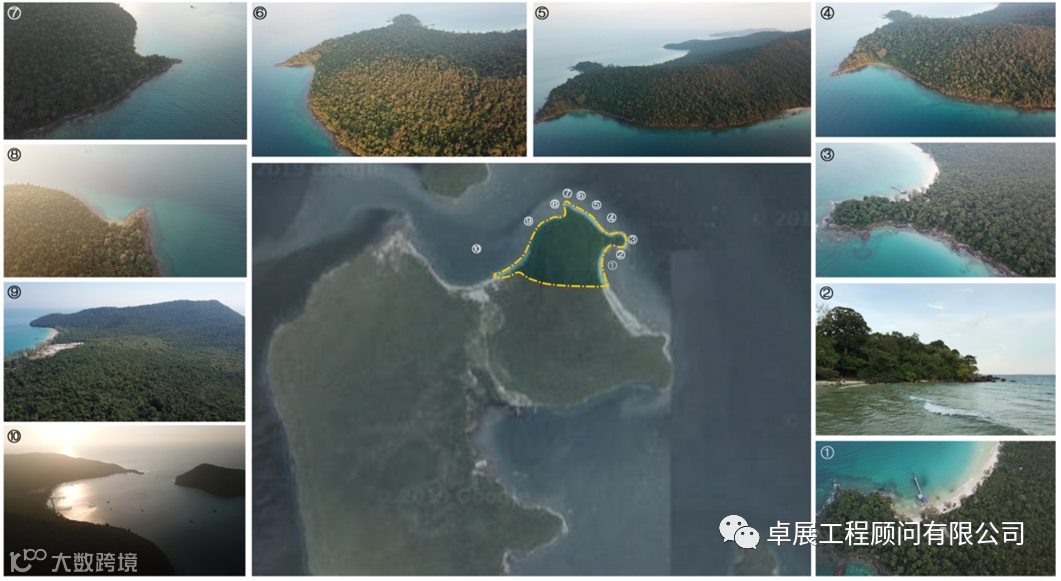
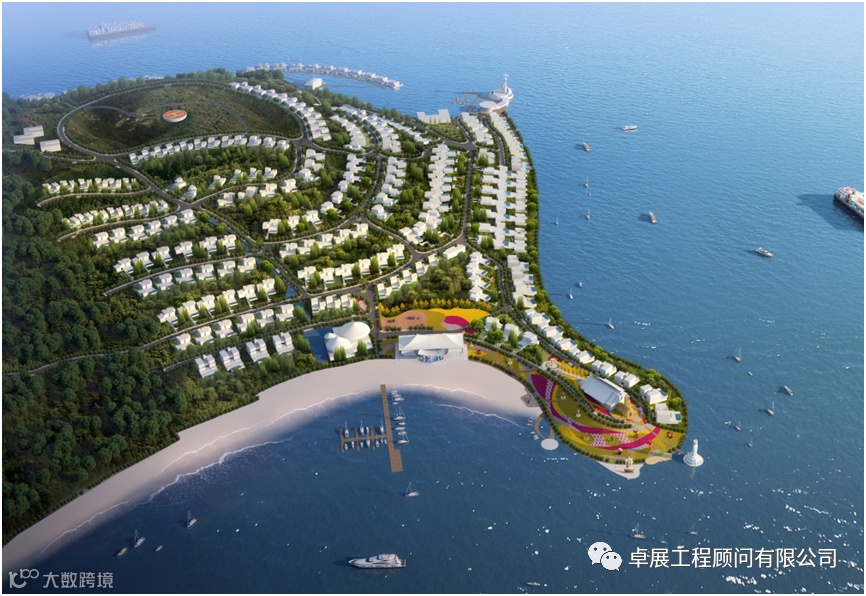
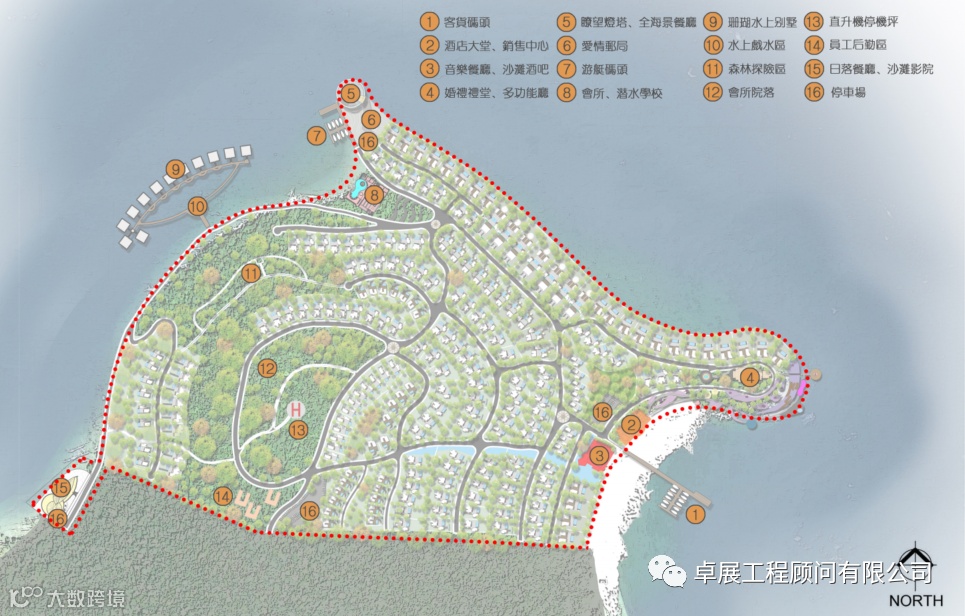
The project is located in Kaoh Rung Sanloem Khnong island, Cambodia. 200km away from PhnomPenh, the capital. 18km away from Sihanouk International Airport. The plot is located on the northern coast of the island, about 25km away from the city area. It takes 45 minutes by boat to arrive the project site, which is the only traffic available at the moment.
It is themed as eco-villa and diving resort with facilities such as scuba and snorkeling diving school, surfing, jet ski, yacht, forest exploration, tree house, water house.
Total land area:453008 sqm
Total construction area: 56970 sqm
Water source consideration
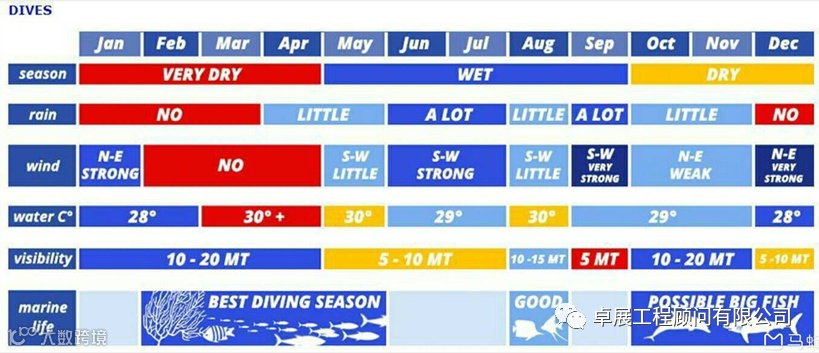
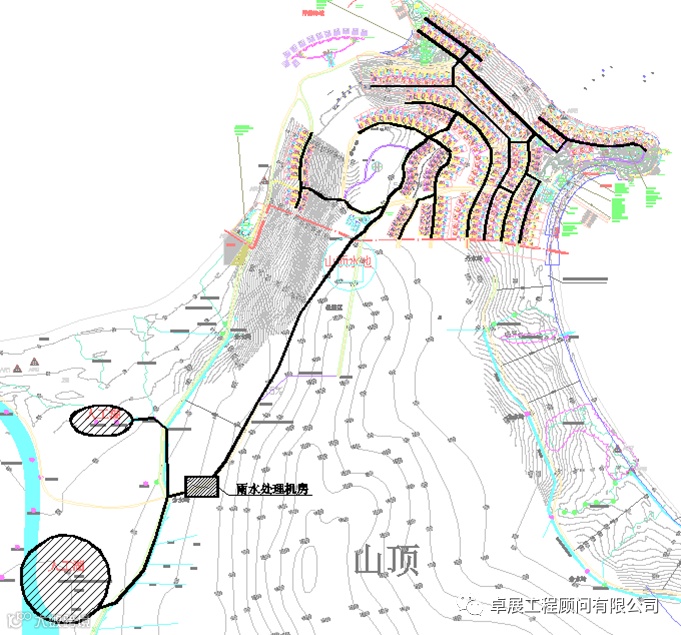
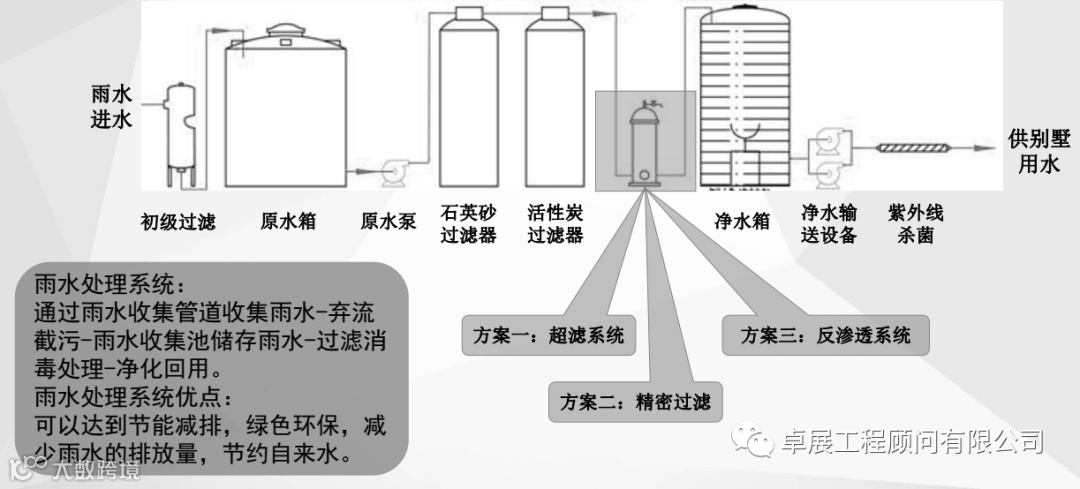
In order to resolve this, after investigation and analysis, the customer agreed to build two artificial lakes and a mountain top pool on the island.Compared with the small-scale water treatment device set in each Resort Villa, the large-scale centralized treatment plant has various advantages. The final plan adopts centralized rainwater purification, which can transport the whole resort hotel through the pipe network to meet all water needs, including the domestic water, catering, sanitary, fire services, etc.
Power source consideration
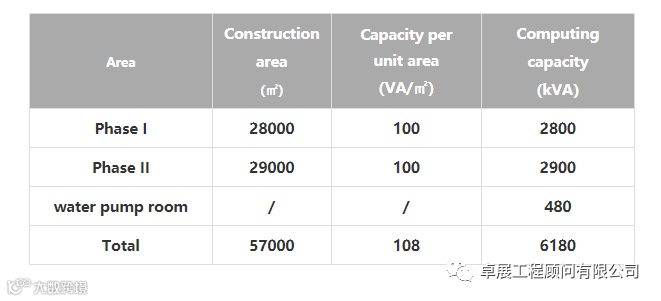
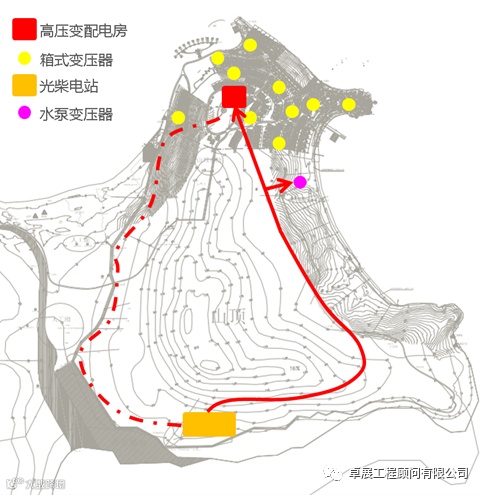
Apart from water source, power resource is another challenge for the project. Power generation of the whole project would be self-contained. We have studied several possible options, such as submarine cable, natural gas power generation, wind power generation, low-voltage distributed diesel gen-set, high-voltage centralised diesel gen-set, photovoltaic power generation etc.
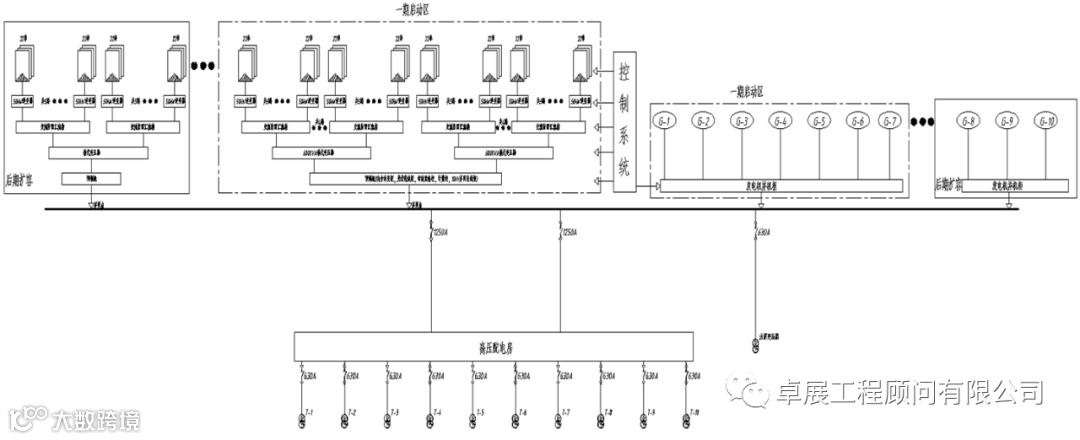
Five generators will be provided to serve the power demand of 7000kVA for the first phase of the project. 25% of the power will be generated by solar. Solar power will be prioritised. When the power consumption exceeds the photovoltaic capacity, gen-set will be started.