




What category of "foreign workers in China" do you belong to?
First identify the "category", then follow the correct "procedure"

来华工作的外籍人士并非 “单一群体”,中国按 “工作目的、技能层次、停留时长” 等维度,将其划分为不同类别 —— 不同类别对应的工作许可办理、居留要求、权益保障均有差异。比如 “学术交流者” 与 “全职任职者” 的材料清单不同,“创业投资者” 与 “普通就业者” 的审批标准也有区别。先明确自身类别,才能避免在申请中走弯路。
Foreign nationals coming to work in China are not a "single group". China classifies them into different categories based on such dimensions as "purpose of work, skill level, and duration of stay" — different categories correspond to different work permit application procedures, residence requirements, and rights protection. For example, the list of materials required for "academic exchange visitors" is different from that for "full-time employees", and the approval standards for "entrepreneurial investors" differ from those for "ordinary employees". Only by clarifying one's own category can one avoid detours in the application process.

任职就业类 ——“全职在中国企业 / 机构工作”
Employment and Job Category

分类
第1类
这是最主流的 “来华工作者” 类别,核心是 “与中国境内用人单位建立正式劳动关系”,按人才层次又可细分:
This is the most mainstream category of "foreign workers coming to China". The core is "establishing a formal labor relationship with an employer within China", and it can be further subdivided according to the talent level:



高端人才型(A 类人才)
Definition: Foreign talents who meet the "high-level, sophisticated, advanced, and urgently needed" requirements, possess top-notch industry skills or management experience, and enjoy "green channel" approval.
Examples of eligible individuals: Senior executives of multinational corporations' branches in China (such as CEOs, CFOs), technical backbones in key industries (such as chip R&D engineers, biomedical experts), leaders of national-level scientific research projects (such as specially appointed professors in universities), and those with a doctoral degree.
Key policy points: Need to provide "skill qualification certificates" (such as internationally authoritative certificates, patent certificates), and a "high-end talent recognition letter" issued by the employing unit; the work permit approval time limit is shortened to 5 working days, and "port visa entry" can be applied for (no need to apply for a visa in advance overseas).


专业人才型(B 类人才)
Definition: Foreign nationals who possess certain professional skills, can meet the regular job requirements of enterprises, and pose no risk of "replacing domestic workers".
Examples of such groups: Middle-level managers in foreign-funded enterprises (such as department managers), professionals in technical positions (such as foreign language translators in foreign trade companies, hotel operation managers), and skilled workers with more than 3 years of work experience (such as technicians in high-end manufacturing).
Key policy points: Required to provide"Proof of past work experience";"Educational certificate" (bachelor's degree or above; in some cities, those without a degree or work experience can apply through other means). The work permit is strongly bound to the position, and a change in position requires re-application for the permit.


普通人员型(C 类人才)
Definition: Engaging in basic service positions that are urgently needed by society but have insufficient domestic talent supply, mostly for seasonal or short-term needs.
Examples of groups: Foreign students studying in China, hotel service staff, temporary service staff for international events, technical guidance personnel for specific agriculture/forestry, etc.
Policy Key Points: The work permit period is relatively short (usually 90 days - 1 year); some positions require the provision of "industry-specific qualifications".

学术交流类 ——“为科研 / 教育交流而来,非全职任职”
Academic exchange category

分类
第2类
这类工作者的核心是 “以学术合作、知识分享为目的”,停留时长多为短期或中期,不与境内单位建立正式劳动关系:
The core of such workers lies in "aiming at academic cooperation and knowledge sharing", with a stay duration mostly being short-term or medium-term, and without establishing a formal labor relationship with domestic units:
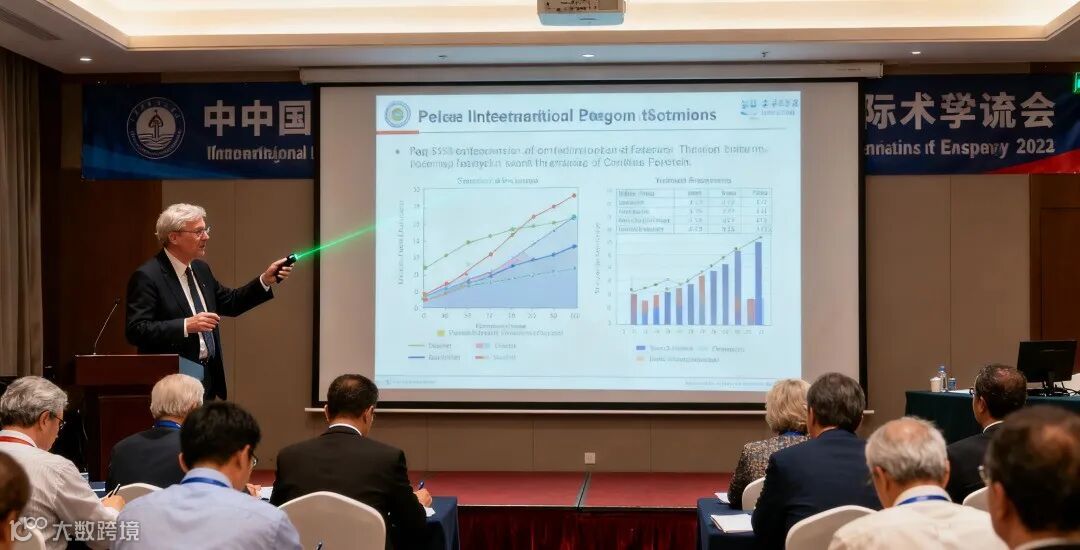
Definition:Foreign scholars invited by Chinese universities and research institutions to conduct short-term academic research and curriculum exchanges.
Examples of the group: Foreign university professors coming to Chinese universities to give lectures (such as short-term courses lasting 3 months), researchers from research institutions coming to China to participate in joint experiments (such as transnational projects in the field of environmental protection).
Policy points: It is necessary to provide an "official invitation letter issued by the cooperating university/institution" (specifying the theme of the exchange, duration, and source of funds), and "academic background certification" (such as published papers, research project profiles); it is required to apply for an "F visa" for entry.

创业投资类 ——“来中国创办企业或投资经营”
Venture capital category

分类
第3类
这类工作者的核心是 “以投资为目的,或作为企业创始人参与经营”,而非 “受雇于他人”:
The core of such workers is "to engage in investment for the purpose of investment, or to participate in operation as an enterprise founder", rather than "to be employed by others":
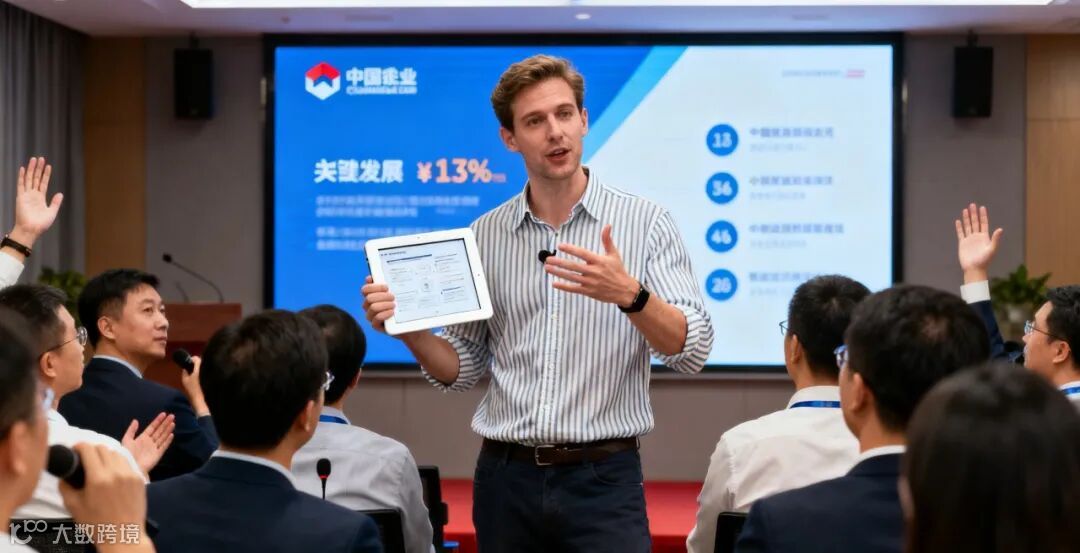
定义:在华设立外商投资企业(独资、合资均可),并担任法定代表人、执行董事等管理职务,或对境内企业进行大额投资并参与经营决策的外籍人士。
人群举例:外籍创业者(如在自贸区创办科技公司)、境外投资人(如投资境内初创企业)等。
政策要点:需提供 “企业注册证明”(营业执照)、“投资资金证明”、“企业运营计划”;工作许可申请需与企业经营状况挂钩,若企业连续无实际运营,许可可能被注销。
Definition: Foreign nationals who establish foreign-invested enterprises (either wholly foreign-owned or joint ventures) in China and hold management positions such as legal representative or executive director, or make large investments in domestic enterprises and participate in operational decision-making.
Examples of the group: Foreign entrepreneurs (such as those founding technology companies in free trade zones), foreign investors (such as those investing in domestic start-ups), etc.
Key policy points: Required to provide "enterprise registration certificate" (business license), "investment fund certificate", and "enterprise operation plan"; work permit applications need to be linked to the business operation status of the enterprise. If the enterprise has no actual operation for a consecutive period, the permit may be revoked.

短期劳务类 ——“临时来华提供服务,不长期停留”
Short-term labor services category

分类
第4类
这类工作者的核心是 “短期入境、完成特定任务后离境”,不涉及 “长期居留”:
The core characteristic of this type of workers is "entering the country for a short period and leaving after completing specific tasks", which does not involve "long-term residence":

Definition: Entrusted by domestic or foreign enterprises, they come to China to engage in short-term technical services, engineering guidance, event performances, etc., and must leave the country on schedule after completing their tasks (usually not exceeding 6 months).
Examples of people: Coming to domestic partners to complete certain technical, scientific research, management, guidance and other work; coming to domestic sports institutions for trial training (including coaches, athletes, referees); filming movies (including commercials, documentaries);Performances Fashion (models, shooting print advertisements, etc.);
Policy key points: There is no need to apply for a "long-term work permit", but the inviting unit must go through the "short-term labor record" in advance; the duration of stay is strictly determined according to the task cycle, and it is not allowed to extend the period or change the content of the task.

特殊随行类 ——“因家人来华,附带从事工作”

分类
第5类
这类核心是 “依附于主申请人(如配偶、父母)的居留资格,附带申请停留”,属于 “衍生类” 工作者:
The core of this category is "residence qualification attached to the main applicant (such as a spouse or parent), with an accompanying application for stay", and it belongs to "derivative" workers:

Definition: Generally, the first one held is the "Residence Permit for Reunion" (such as foreign spouses coming to China with their Chinese spouses, foreign children coming to China with their parents who work in China).
Examples of people: Foreign spouses who come to China with their husbands (Chinese corporate executives) and wish to work as foreign language teachers in international schools; foreign parents who come to China with their children (researchers in China), who have accounting qualifications and hope to work in foreign-related firms.
Key policy points: It is necessary to first apply for a "Residence Permit for Reunion" with the "proof of kinship", and then apply for a "work permit" separately. The work field must match one's own qualifications, and one must not engage in "sensitive industries" (such as the news and education fields, which require additional qualification review).

关键提醒:别踩 “类别混淆” 的坑

提醒
坑


误区1


误区2
"Venture investors" do not need a work permit ——Wrong! Even if you are a founder of an enterprise, if you participate in daily operations, you still need to apply for a work permit. Only investors who make "pure financial investments and do not participate in operations" are exempt from applying for it.

找到 “你的类别”,再对接 “对应流程”

分类
流程
不同 “来华工作者” 类别,对应不同的申请路径、材料清单、权益边界。咨询中创侨智,避免因类别错判导致申请延误。
Different categories of "foreign workers coming to China" correspond to different application procedures, document lists, and rights boundaries. Consult Zhongchuang QiaoZhi to avoid application delays caused by misjudgment of categories.
如需进行认定评估,欢迎咨询联系中创侨智!
If you need to conduct an authentication and evaluation, please feel free to consult and contact OTGEO!

更多信息获取可加入中创侨智—知识星球,将为您提供全面的外国人来华相关信息、专业的政策解读与指导、实时的行业动态与资讯、互动交流与学习机会以及定制化的服务方案等多种资源和服务。这些资源和服务将帮助您更好地了解和适应中国,为您的跨境之旅提供有力支持。扫描下方二维码可付费加入。
或点击下方小程序加入
or click on the mini program below to join
可以添加中创侨智顾问
进行详细评估咨询


欢迎关注公众号:中创侨智
如对相关政策有疑惑,想要了解更多的


由于近期公众号规则调整,大家很可能无法第一时间收到我们的推送。所以如果你希望我们能正常出现在你的时间线,恐怕你要手动设置个星标了,阅读完后顺手点一下「在看」,记得哦~
声明:此文章乃中创侨智原创不易,杜绝任何形式的抄袭行为
图片来自网络,如有侵权请联系删除