


2019船用洗涤器和压载水系统上海论坛将召开//洗涤器和压载水2019国际论坛日程公布//Scrubber & BWMS Shanghai Forum 2019//Shipping Outlook Forum 2019 on IMO New Regulations’ Impact

World Maritime News近日以标题“德路里:全球集装箱船队对洗涤塔需求的胃口势不可挡(Drewry: Liner Industry’s Appetite for Scrubbers Grows )”报道:距离限硫令正式实施仅剩一年,越来越多的集装箱船船东选择安装洗涤塔装置。
德路里说,洗涤塔作为2020限硫令的一种解决方案,一开始并未受到广泛重视,如今却愈发受到业界青睐。根据统计,目前有266艘集装箱船安装了洗涤塔,运力总和为220万TEU,占总运力的2.5%。而装有洗涤塔的船舶数量仅占总量的5%。
德路里指出,“洗涤塔在新船订单中所占比例较大,随着改装数量的增多,总体安装比例将持续上升。” 德路里表示,安装洗涤塔后,虽然燃料成本会降低,租船价格会上升,但是改装前置费用、持续服务成本、对未来环保法规的不确定以及高硫燃油(HSFO)是否可得等因素将减少洗涤塔策略的潜在竞争优势。无论洗涤塔安装数量上升的原因是什么,如果这一趋势继续,“可能会因为2019年供给收缩为远洋货轮带来附加优势。”
总体来看,经历了较为低迷的2018年后,限硫令新规将给市场发展带来动能,更多老旧且污染严重的运力将因此淘汰。但是从另一层面看,由于有船舶需进行改装工程,一些航线上部署的船舶数量将会暂时减少。
而不同尺寸和类型的船舶改装所需的时间也不同,最长的需要6周,这段时间足以影响舱位数量。目前情况下,东西航线上的船舶选择安装洗涤塔的还不多。
根据德路里的研究数据,11月份,亚洲-地中海航线有17%的船舶装有洗涤塔;亚洲-北美东海岸航线上比例更低,为10%;亚洲-北美西海岸仅为6%;亚洲-北欧航线仅为5%。
德路里认为明年可能有集装箱船停运改装,运价将因此出现上涨。
正在积极筹备2019船用洗涤器和压载水系统上海论坛将于2019年1月16-17日召开的国际船舶海工网认为,不仅仅是集装箱船,散货船、油轮、豪华邮轮等船舶在面临新规范实施要求的大背景下,都对新技术的新应用非常迫切。众多国内外航运、造修船、船舶配套、设计、投资、服务等将汇聚2019船用洗涤器和压载水系统上海国际论坛和IMO2020限硫等新规对航运和造修船冲击论坛对广泛议题交流探讨。
报名邮件:china@ishipoffshore.com
也欢迎关注即将举办的系列专业论坛和活动:
http://www.ishipoffshore.com/html/1/2018-12-17/8534.htm
http://www.ishipoffshore.com/html/1/2018-12-14/8504.htm
http://www.ishipoffshore.com/html/1/2018-11-30/8423.htm
Shipping Outlook Forum 2019 on IMO New Regulations’ Impact
http://www.ishipoffshore.com/html/11/2018-12-14/8506.htm
Marine Scrubber & BWMS Applications Shanghai Forum 2019
http://www.ishipoffshore.com/html/11/2018-12-14/8505.htm
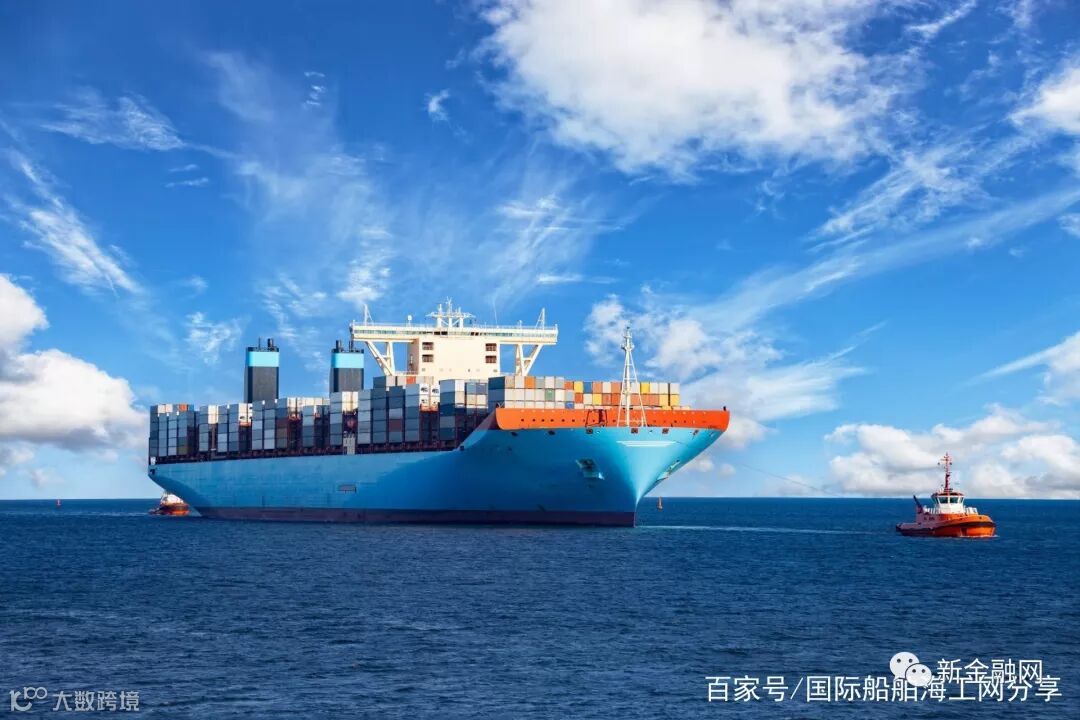

Drewry: Liner Industry’s Appetite for Scrubbers Grows
After a slow start, adoption of exhaust scrubbers as a solution to the 2020 low-sulphur regulations is picking up, according to shipping consultancy Drewry.
With just over one year to go before the IMO’s new marine fuel sulphur cap of 0.5% comes into force, more containership owners are opting for exhaust scrubbers.
There are currently 266 containerships fitted with scrubbers with an aggregate capacity of 2.2 million TEU. While the scrubber fleet only represents 5% of the fleet in number, it accounts for twice that ratio in TEU capacity due to the emphasis towards larger ships being retrofitted.
“Moreover, scrubber penetration is much more significant in the orderbook, which combined with more anticipated retrofits in time will lift the ratio higher still,” Drewry said. The shipping consultancy explained that the upfront expense of the retrofit and ongoing servicing costs, uncertainty about future environmental regulations and the availability of high-sulphur fuel oil (HSFO) in owners’ minds will all have weighed against any potential competitive edge to be gained from lower fuel bill or higher charter rates.
Whatever the reason for the greater uptake of scrubbers, if the trend intensifies “there could well be some side benefits for ocean carriers by restricting supply during 2019.”
In the big picture, the new regulation is expected to reignite the demolitions market after a down year in 2018 by weeding out more of the older, more heavily polluting ships that will no longer be economic post-2020, but at a more macro-level a number of trades could see deployment numbers temporarily reduced next year as more ships are taken out of service for retrofitting.
Depending on the size and type of ship, an exhaust scrubber retrofit can as long as six weeks, which is a sufficiently long time to impact the slot availability. As things stand, the penetration of scrubber-fitted ships is low in the major East-West trades.
According to Drewry’s research just 17% of the ships deployed in the Asia-Mediterranean trade ran with scrubbers as of November. The ratio was even lower in the Asia-East Coast North America (10%), Asia-WCNA (9%), Transatlantic (6%) and Asia-North Europe (5%) lanes.
“This means there is plenty of scope for those ships to be pulled from active duty next year to get retrofitted, which unless replaced will reduce overall utilisation and aide spot market freight rate inflation.”
来源:World Maritime News