

“If you look at the Chinese yards, all of them are now developing new designs for LNG-propelled vessels,” said Christos Begleris, co-CFO of Star Bulkers (NASDAQ: SBLK). 在美国上市、在中国安装了许多船用洗涤塔的Star Bulkers的财务总监近日惊叹道:看看中国造船,他们的船厂都在开发新的LNG动力船设计。
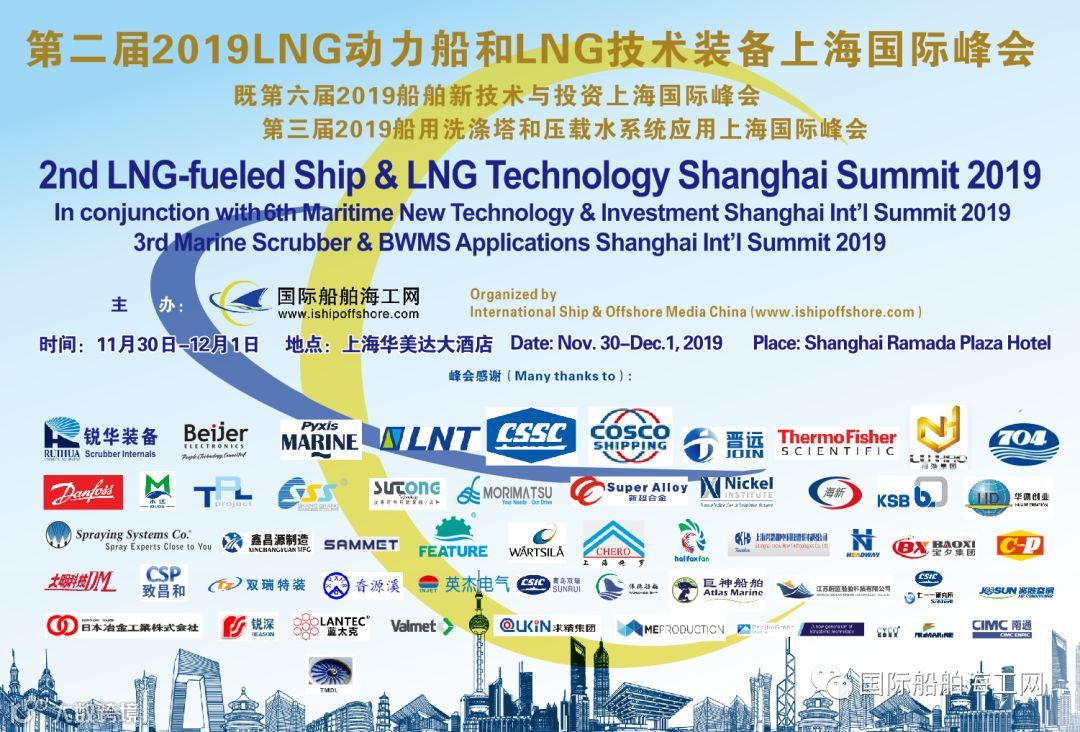
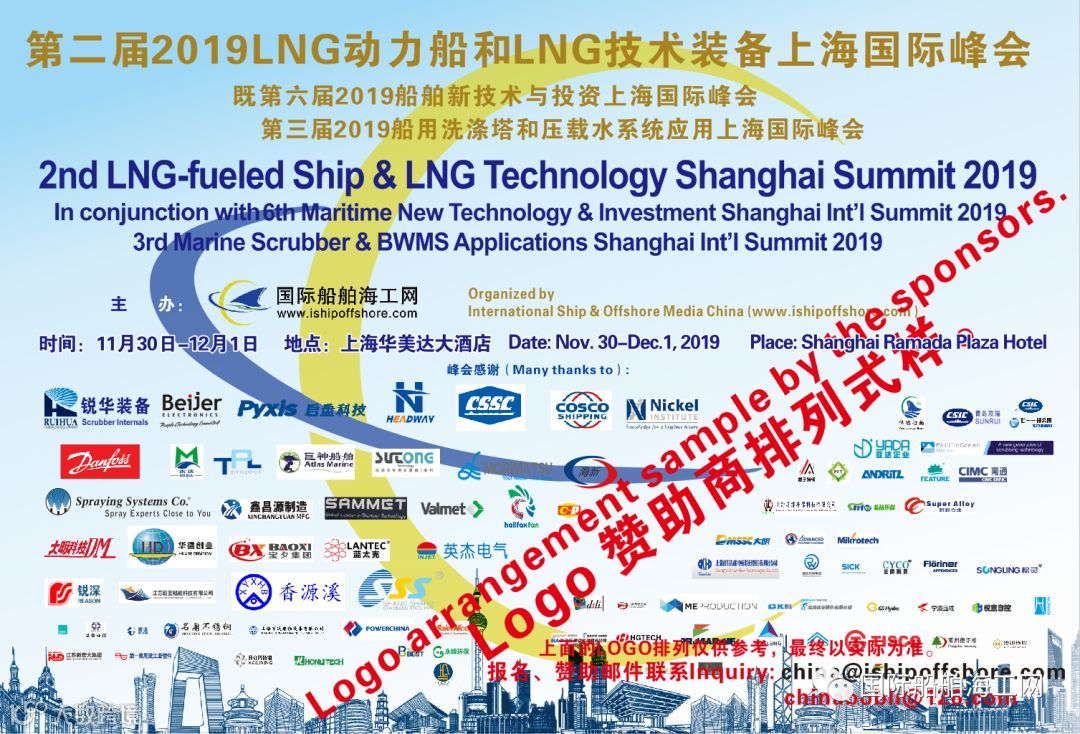
中国造船产业从洗涤塔热到LNG动力船热,让欧美船舶界人士惊叹不已。正筹备“2019年第二届LNG动力船和LNG技术装备上海国际峰会" 暨“第六届2019船舶新技术与投资上海国际峰会” 和“第三届2019国际船用洗涤塔和压载水系统产业上海峰会‘’将于2019年11月30日-12月1日将在上海市华美达大酒店举办、同时将在上海国际海事展期间发布3版不同2020中国造船地图的国际船舶海工网了解到。
英国克拉克森的最新数据显示,全球最大的14家加装脱硫洗涤塔船厂都在中国。据行业数据,因为不断涌来的大量的洗涤塔安装订单,中国整个船舶改装、修船厂行业的业务量,2019年上半年就增长550%以上,全行业盈利。中企不但成功抢占了船舶行业新热点,助力行业转型升级,还借助船用脱硫洗涤塔赚得盆满钵满。
目前中国本土已有30多家厂家可以制造洗涤塔塔体和进行系统集成,还有整个洗涤塔产业链上汇聚的大量的零配件、材料、元器件等配套厂商,尤其是许多OEM和贴牌厂家,相关船厂、设计公司、服务公司等,都瞅准抓住了全球船用脱硫洗涤塔提供的庞大机会。来自环保、电力、石化、制造、工程、船厂等行业背景厂家,将与50多位船东代表、100多家船企的300多专业嘉宾一道,出席演讲、“第三届交流 2019年11月30-12月1日将举办的”2019第三届船用洗涤塔和压载水系统上海峰会”和“2019年第二届LNG动力船和LNG技术装备上海国际峰会"。 期待更多的厂家报名,邮件:chinabobli@126.com 或 china@ishipoffshore.com2019
LNG动力船和LNG船用技术被认为是船用洗涤塔之后的新高潮。中国造船和航运企业又把握住了这个全球发展趋势。
在绿色航运、节能减排的大趋势下,LNG成为航运业新技术投资应用的“热门选项之一”。国际船用LNG领域新锐的挪威LNT公司以创新技术应用,将于2019年11月30日-12月1日在上海市华美达大酒店举办的“2019年第二届LNG动力船和LNG技术装备上海国际峰会" 暨“第六届2019船舶新技术与投资上海国际峰会” 和“第三届2019国际船用洗涤塔和压载水系统产业上海峰会‘’上做主旨演讲交流。
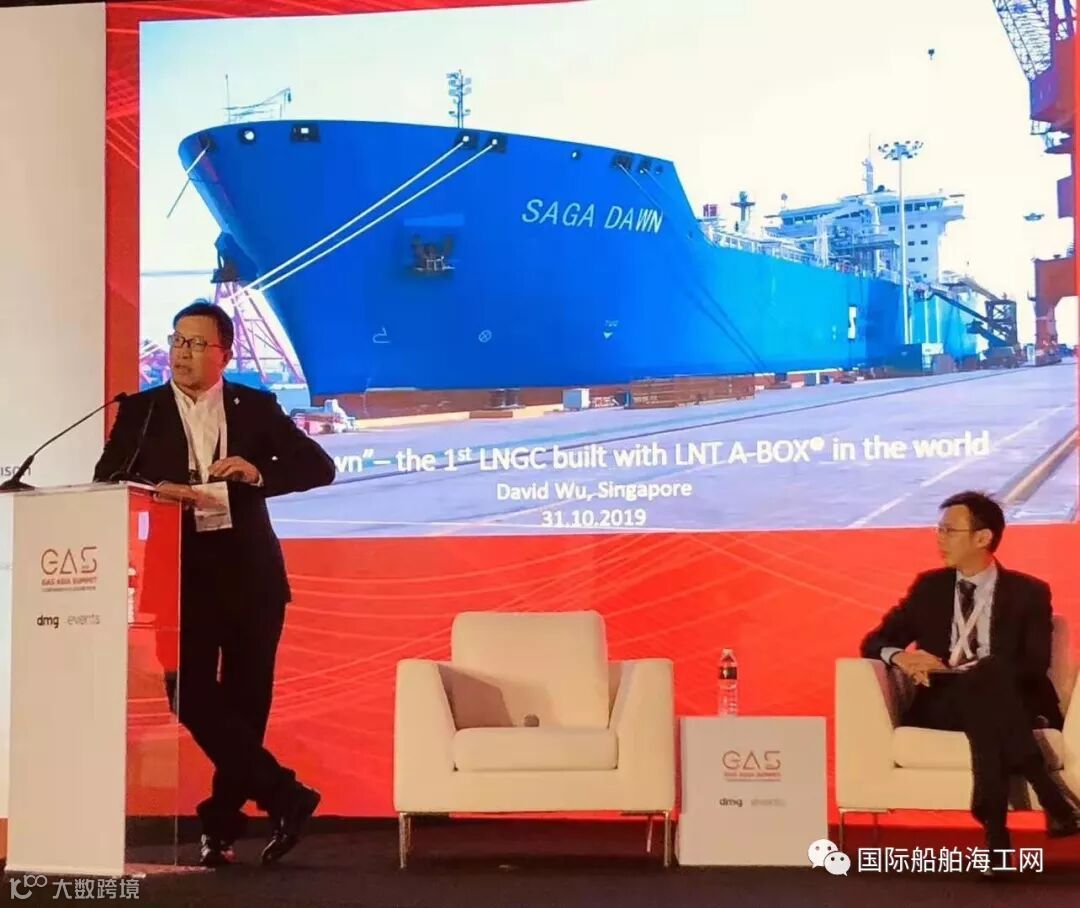
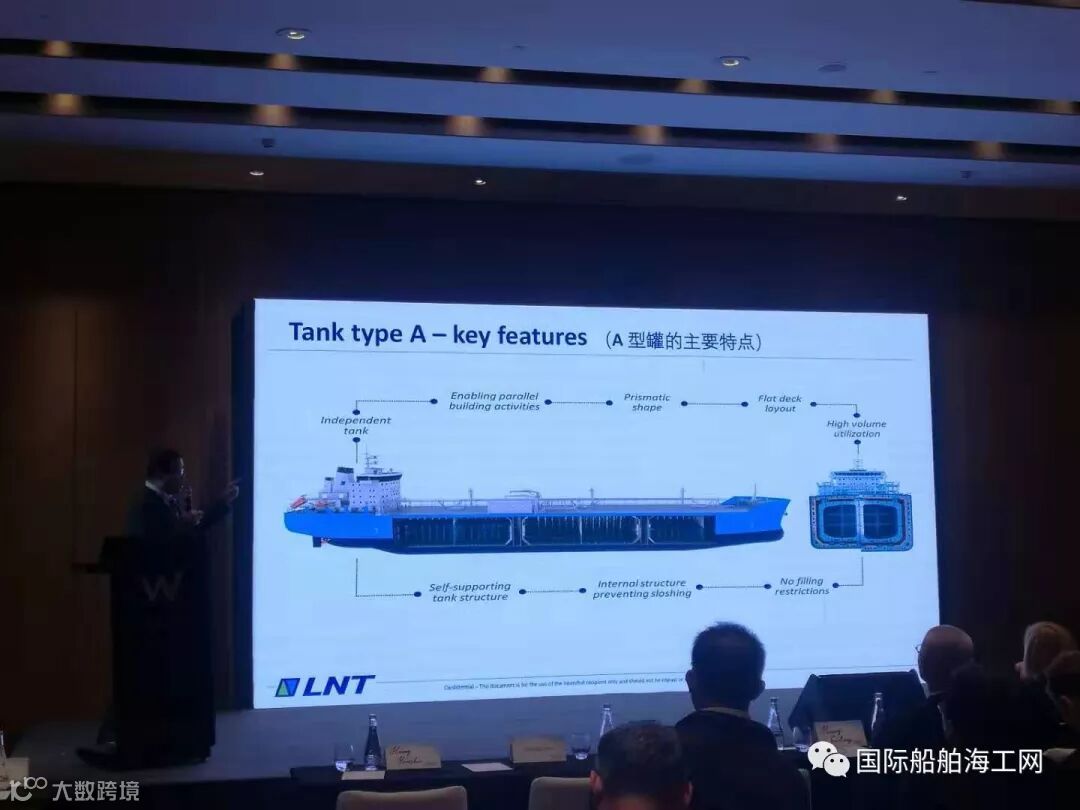
据主办峰会的国际船舶海工网了解,挪威LNT公司推出的、世界首创2巴压力的LNG菱形燃料罐是在招商局重工(江苏)有限公司正在建造、即将交付的45000m3 LNG运输船上的LNG A型液货罐基础上发展起来的,该项新技术还正不断开发准备应用于大中型各类商船的LNG动力应用。
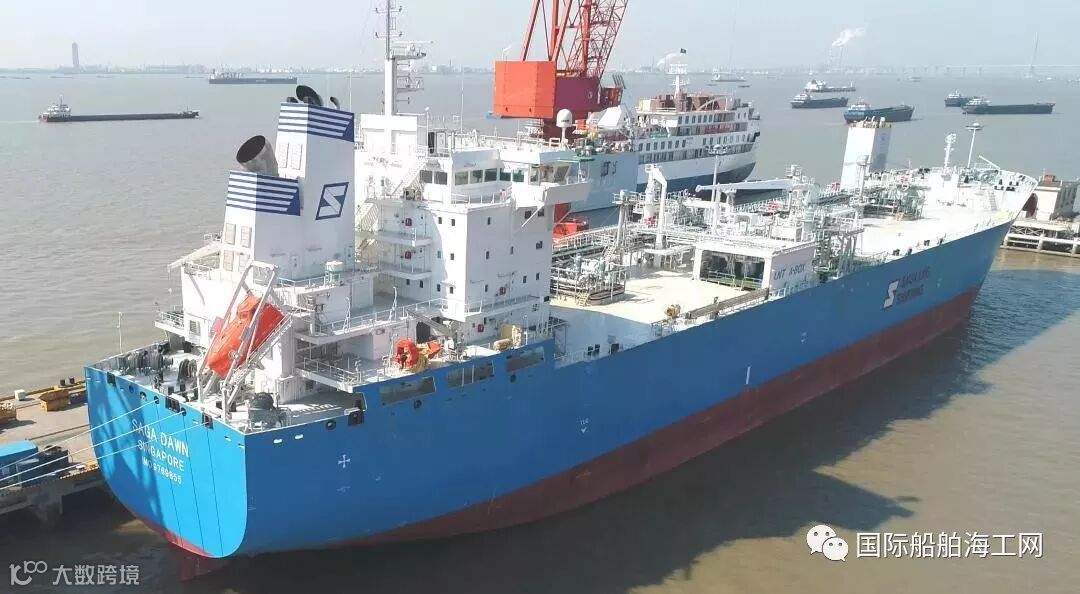
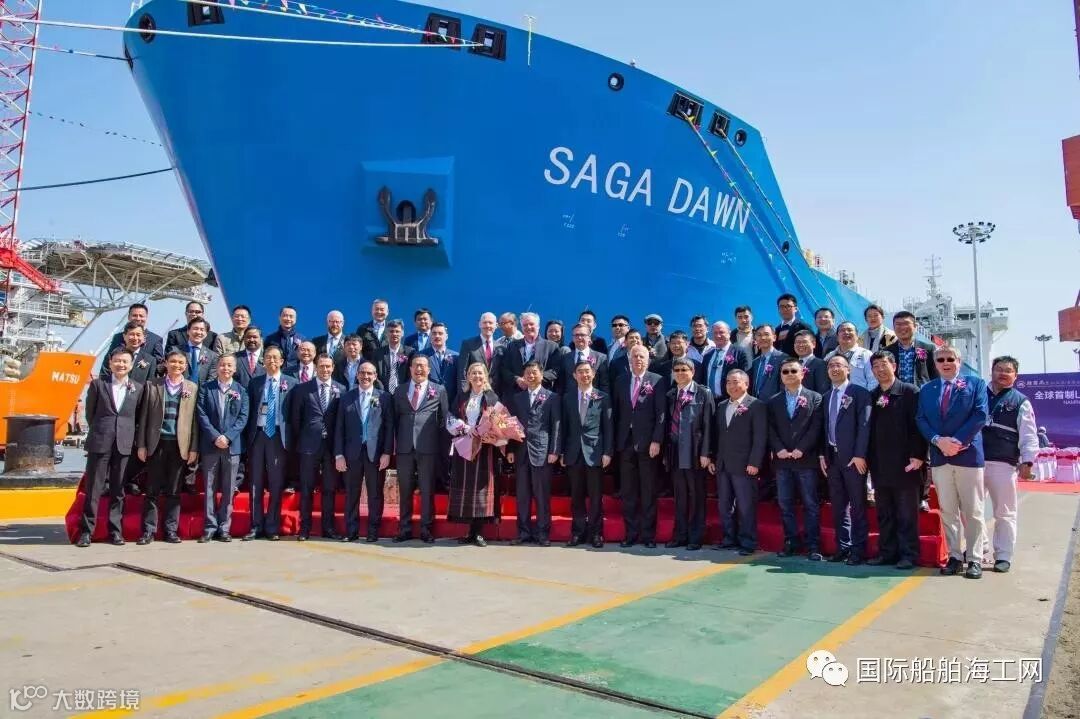
2019年3月13日,在招商局重工(江苏)有限公司1#码头隆重举行了45000m3 LNG运输船命名仪式。船东母公司Landmark Capital、船东Saga LNG Shipping、船东监造IMC、ABS、CCS、南京油运股份有限公司、美中能源集团、中海石油气电集团、江西鄱阳湖LNG公司、湖北民生石油液化气有限公司、台州五洲、上海船舶研究设计院、Bestway、LNT Marine、上海FKAB等主要负责人,招商局工业集团和江苏重工主要领导共同出席仪式。招商工业副总经理朱桂明致辞。
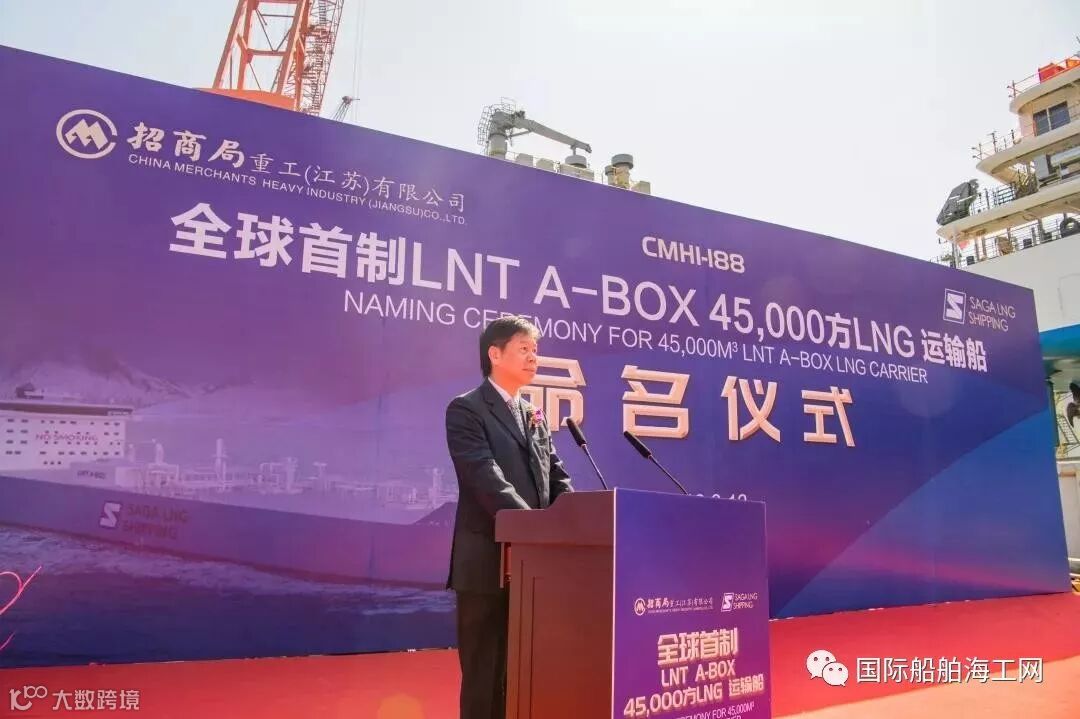
45000 m3 LNG 运输船是全球首制的搭载LNT A-Box型货舱维护系统的LNG运输船,也是招商工业集团远见卓识地进行产品创新、转型升级的硕果之一。该船的设计具有货舱空间利用率高、LNG蒸发率低的特点,并且通过双燃料主机的应用来进一步提高船舶经济性能。
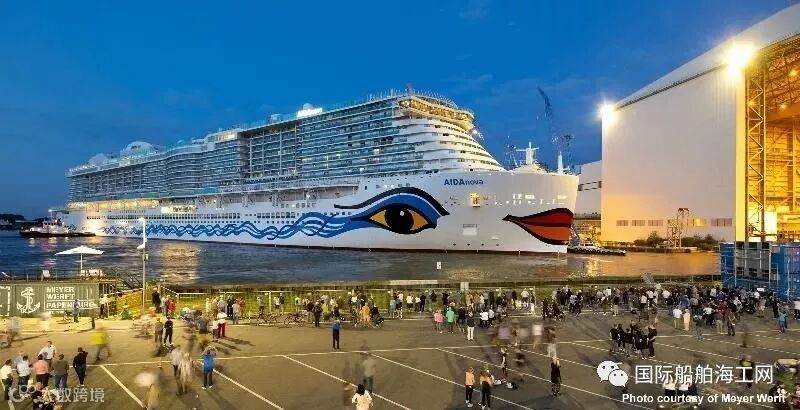
在LNG产业的新技术应用方面,最近,挪威LNT Marine 还再次击败所有绝缘竞争对手,又获得德国 Meyer 船厂为迪士尼邮轮建造三艘豪华邮轮的LNG燃料罐绝缘工程。已连续获得了德国 Meyer 船厂17艘豪华邮轮LNG燃料罐的绝缘工程。
随着全球产业新技术和国际经济贸易新发展,新的业态、新的思维、新的应用正对航运、造船、海事、配套和服务等领域发起新的冲击、机会和挑战。为响应国内外众多船东、船管、船厂、供应商、投资机构、制造厂、配套厂、设计公司、服务公司等单位的交流、探讨和分享要求,更大规模、更高规格的“第六届2019船舶新技术与投资上海国际峰会”暨“第三届2019国际船用洗涤塔和压载水系统产业上海峰会” 定于2019年11月30日-12月1日将在上海市华美达大酒店举办 。
届时将有超过300多位来自中国、英国、美国、加拿大、德国、丹麦、挪威、瑞典、日本、法国、荷兰、比利时、芬兰、新加坡、马来西亚、韩国等国的船东、船厂、洗涤塔厂商、压载水厂商、配套厂家、设计和投资单位等参加,汇聚上海,在12月3-6日的上海国际海事展前3天,交流、探讨和分享低硫油供应切换压载水处理系统、船舶洗涤塔、LNG装备、智能装备和其他新技术产品应用的市场机会现状和趋势等。咨询邮件:chinabobli@126.com 或china@ishipoffshore.com
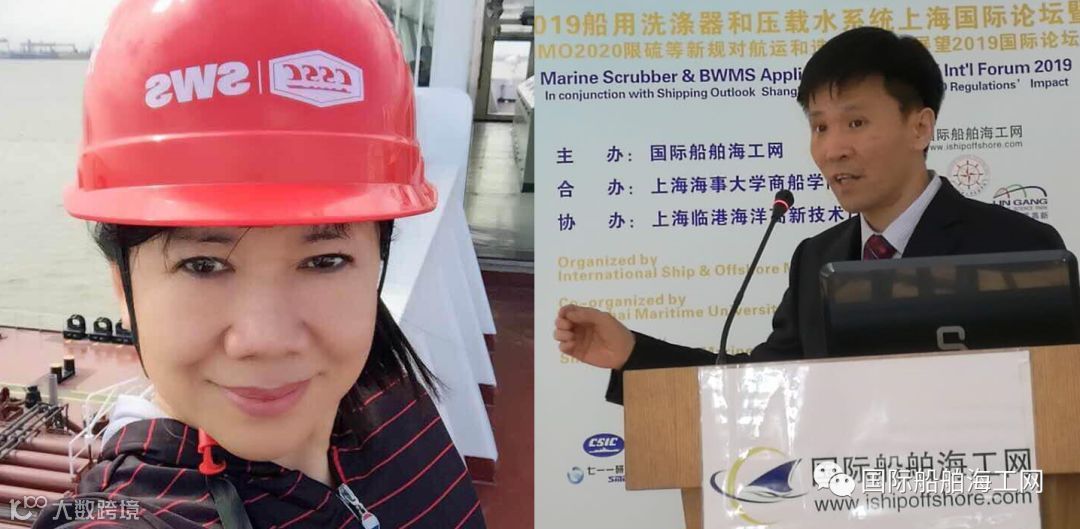
峰会很高兴目前已邀请了50多位著名中外船东嘉宾,其中挪威LNT公司董事长邬卫华、香港华光海运集团新船部技术总监程红女士和中波轮船公司新船部技术经理郑庆国先生等,他们将以多年航运业造船的经历,分享和交流当今热门的行业发展案例、机会和趋势,将会峰会上分享交流、探讨。多位船东将分享洗涤塔压载水LNG装备等热点话题。
报名、咨询邮件: chinabobli@126.com 或者 china@ishipoffshore.com
报名参会流程见如下链接:
2019年第二届LNG动力船和LNG技术装备上海国际峰会将召开
//www.ishipoffshore.com/html/4/30/2019-10-23/9994.htm
ESG “Green’ Push Has Ship Owners Seeing Green(backs)
If you’re a landlord in a city with escalating housing demand — think San Francisco — you despise most regulations, but there’s one kind you absolutely adore: restrictions on development that curb construction of new buildings. The harder to create new housing, the higher your rental income.
The same logic applies in bulk ocean shipping — the non-regularly scheduled transport of crude oil, refined products, dry bulk and liquefied gas. The move to cut carbon intensity and greenhouse gas (GHG) emissions is constraining the creation of new vessel capacity.
Unless there’s a global economic collapse and a slide in commodity demand, owners with tanker and dry bulk ships appear poised to profit from the environmental, social and governance (ESG) movement.
To put it another way, it looks like the transport of bulk commodities could become considerably more expensive in the future.
ESG and the reduction of carbon emissions took center stage at the Marine Money forum in New York on Nov. 13. Shipping executives sounded genuine in their commitment to becoming “greener,” but at the same time, the underlying takeaway was that ESG and carbon reduction should be good for the bottom lines.
Financing Constraints
The first issue holding back new capacity is constraints on both the debt and equity financing. With the exception of a few months in 2009 when it appeared the entire global financial system was about to implode, there has never been a time in the modern era when less money has been available for newbuildings.
ESG funds are shunning shipping stocks, making it less likely that listed owners can sell shares to fund newbuildings. On the private-equity side, investment is likewise scarce due to ESG pressures on limited partners.
“There is such institutional pushback now on investing in carbon,” said Bob Burke, CEO of privately held Ridgebury Tankers. “If you sit down with an investor and say, ‘I want to invest in a vehicle that moves 2 million barrels of carbon every day and will burn a whole bunch more over the next 20 years,’ that’s a tough conversation.”
Bank financing is also harder to come by, due to European banking restrictions under the Basel protocols as well as global ESG pressures. In June, shipping banks handling around 20% of the industry’s senior-debt needs signed the “Poseidon Principles,” under which they will benchmark loan portfolio carbon intensities versus the targeted reduction trajectory endorsed by the International Maritime Organization (IMO).
Asked by the panel moderator why banks should focus on ESG and not just profit, DNB Bank Global Head of Shipping Christos Tsakonas replied, “First, our shareholders care, and second, the young people we are recruiting in the bank care. The wave [of change] is coming and we have to adapt. There’s no sign on the wall at DNB that says we have to keep lending to shipping. We’ll only do so as long as it’s profitable and as long as it adheres to the principles of our shareholders and our staff.”
Newbuild Design Uncertainty
Constraints on equity and debt financing of newbuildings are enough by themselves to boost market prospects. But an even bigger potential upside driver is confusion over newbuilding designs. Neither owners nor lenders know which new ship designs will meet yet-to-be-determined carbon regulations, given the IMO’s target to cut shipping’s carbon intensity by at least 40% from 2008 levels by 2030 and to reduce its GHG emissions by 50% by 2050.
If newbuildings are built to use a fuel that does not meet the future regulations, those assets will be obsolete far before the end of their 20-year depreciation. Technological obsolescence risk for newbuilding orders has never been as high as it is today.
According to Burke, “Investors have always asked us: ‘Is there any technological obsolescence risk in your industry?’ For like, forever, the answer was: ‘No, it’s a ship. It moves.’ But now there is.”
“The blessing of this whole situation we’re in right now is that people are holding off on ordering,” said Anders Redigh Karlsen, senior shipping analyst at Danske Bank. “If you buy a new ship, it takes two years until delivery and it will last 20-30 years, so you need to have some kind of ‘future-proofing.’ Nobody wants to order the last one of the old ships and they really don’t want version 1.0 of the new ship either.”
“I think that LPG [liquefied petroleum gas] and LNG [liquefied natural gas] will be an interim solution [as fuel],” said Ted Young, chief financial officer of Dorian LPG (NYSE: LPG). “But the long-term future is probably hydrogen or ammonia as fuel, or something else, so the question is: When is the next hydrogen ship or ammonia-powered ship actually going to be available?”
“Why do you think the yards are full of LNG newbuildings right now?” asked Jeff Pribor, CFO of International Seaways (NYSE: INSW). “It’s because they don’t have the fueling problem. They can just reach into the back trunk and get some fuel,” he said, citing the ability of LNG carriers to use their own cargo for propulsion fuel and obtain a lower carbon intensity versus the use of marine fuel oil.
“If you look at the Chinese yards, all of them are now developing new designs for LNG-propelled vessels,” said Christos Begleris, co-CFO of Star Bulkers (NASDAQ: SBLK). “But is LNG the right solution? Will LNG ships be able to cope with new regulations? Hopefully in 2020, we’ll be able to get more guidance [from the IMO], but from a shipowner’s perspective, right now is definitely not the right time to be ordering a ship.”
“At some point there will be a new viable alternative out there,” said Gary Vogel, CEO of Eagle Bulk (NASDAQ: EGLE). Until that alternative is identified, he said, the design uncertainty will inhibit new orders. “And as long as there’s that inhibitor to ordering news ships, it will be a positive thing — and we shouldn’t push back on it,” he said.
Robert Bugbee, president of Scorpio Bulkers (NYSE: SALT) and Scorpio Tankers (NYSE: STNG), also sees the current regulatory environment as a profit driver. “There’s no point in fighting county hall. If you’re able to embrace change and go with the future, it will be profitable,” he maintained.
“Look at Shell (NYSE: RDS.A). You can’t fight this when the largest product-tanker customer in the world decides to give its trading departments a carbon budget and tells them, ‘Oh, by the way, the following year it’s going to be 10% lower, and 10% lower after that.’ When that happens, you’d better stop worrying about whether it’s right or wrong and just accept that it is — and make the best of it.”
Summing up the current situation from an investor’s perspective, Vance Brown, portfolio manager at William Jones Wealth Management, said, “What really attracts me to this industry is that I anticipate a really powerful shortage of new vessels. There is no consensus on what the new propulsion system will be. That means the banks are not going to finance newbuilds. That leads me to the conclusion that the earnings power and cash-flow-generative capabilities — particularly of the tankers but also in other areas — is being substantially undervalued by Wall Street.”
Source: Freight Waves by Greg Miller (https://www.freightwaves.com/news/esg-green-push-has-ship-owners-seeing-greenbacks)