

5月19日,中远海运重工与沪东中华在沪签署了LNG船舶修造一体化合作框架协议。中远海运集团科信部总经理刘一凡,沪东中华总经理陈军,中远海运重工董事长、总经理梁岩峰等嘉宾出席签约仪式,中远海运重工副总经理赵增山、沪东中华LNG总建造师/副总经理何江华代表双方签字。
正筹备第三届2020年LNG动力船和LNG技术装备上海国际峰会暨第5届2020 年LNG新技术和投资上海国际峰会将于2020年9月9日-10日举办的国际船舶海工网了解到。
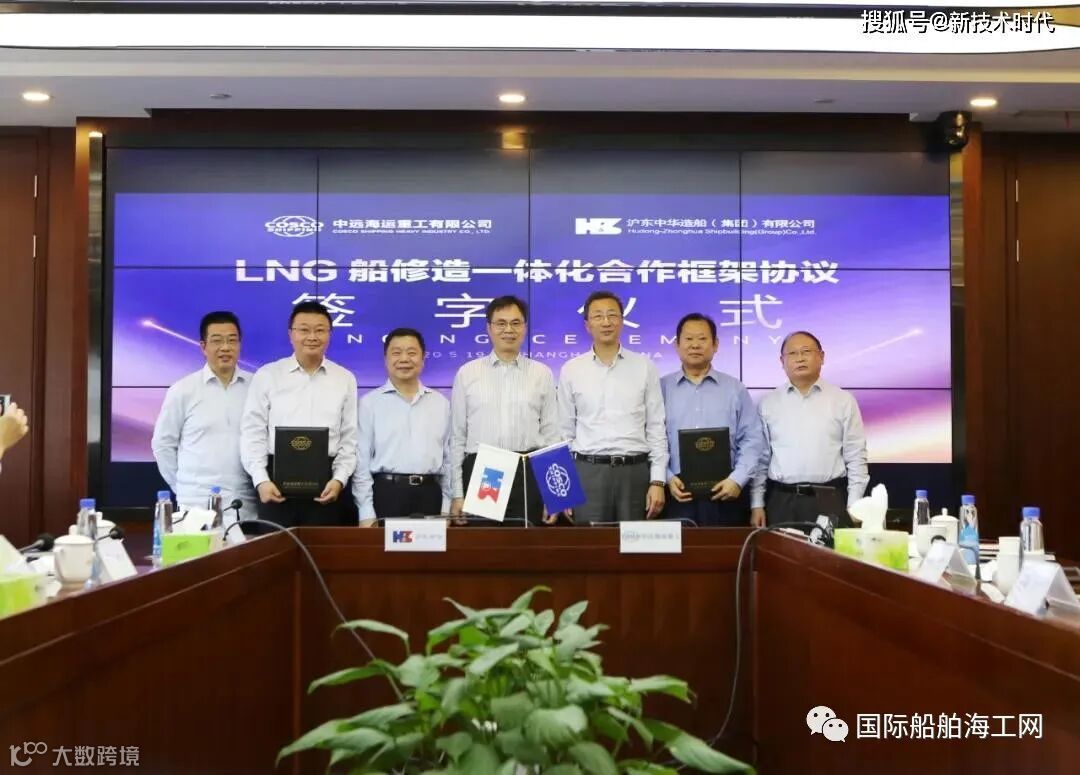
在签约仪式前的座谈中,梁岩峰对沪东中华长期以来为中远海运重工各下属企业提供的修造船技术服务表示感谢,认为双方具有良好的合作基础、合作经历和广阔的合作前景,此次签署合作协议,对于全面提升双方的市场竞争力意义重大。陈军对中远海运重工多年来给予沪东中华的支持和信任表示感谢,沪东中华将进一步提升服务质量,全力支持中远海运重工的发展。双方还就LNG船舶修造发展前景和趋势等进行了交流和探讨。
此次框架协议的签署,将进一步推动双方在造修领域的合作,有助于大型LNG船国内修船基地的建立,并通过先进的大型LNG船的建造技术和工艺,推动修船业务向高技术、高附加值领域发展,带动大型LNG船的修理能力和水平提升,为客户提供更加优质的售后服务,实现共赢发展。
编辑来源:文字:齐东周 摄影:马嵘
免费的2020年绿色船舶创新上海国际展览和论坛将于10月20-22日举办



The Shipbuilding And Ocean Technology In Germany – Current Situation
Shipbuilding has always been a seismograph for long-term development lines in world trade. 95% of the global exchange of goods is handled by ship. New ships are ordered when the market expects positive developments. SARS-CoV-2 not only leads to short-term distortions, but also to considerable uncertainties for the medium-term development. The sharp increase in public and private sector debt will result in high consumption losses. Existing trends that impede the global exchange of goods will be reinforced. Global systemic tensions, especially between China and the USA, are intensifying.
Slump in demand expected
In such an environment, investment decisions related to capital goods such as ships are typically postponed. Therefore, the shipbuilding sector should prepare for an extended period of low demand around the globe. Considering the weakness of the shipbuilding market since 2016 – with the global newbuilding orderbook remaining more than 40% below production over the past four years – this additional drop in demand will severely worsen the current under-utilisation of the world’s shipbuilding capacity. Cancellations of confirmed orders could further exacerbate the situation. Intensified price dumping practices and subsidy races can be observed already today. So far, both German and European shipbuilding have been able to decouple themselves from the weak global shipbuilding economy by successfully focusing on high-tech segments.
On average, the European pre-Coronavirus orderbook would have kept shipyards busy for more than four years, much longer than in other shipbuilding countries such as China, Korea or Japan, where the current orderbooks would last roughly two years only. However, the larger order backlog cannot hide the fact that the European market segments are hit particularly hard and that complex projects require longer lead times. Across the range of products made in Europe, more than 3.5 years on average pass between the signing of a newbuilding contract and the ship’s delivery; in the case of passenger ships and yachts, the pre-contract phase sometimes takes a similar amount of time.
All segments are affected
To date the most successful shipping segment – the cruise sector – has ordered its ships predominantly (95%) in Europe. But this ship type has been hit the hardest by the pandemic. While cargo vessels are suffering from a reduced cargo volume, the cruise industry has seen its operation come to a total standstill. therefore, it is unlikely that any new orders will be placed in this segment for years to come.
However, for VSM it is important to underline that the shipbuilding crisis will not be limited to the cruise segment alone. Even order from public entities (naval and other government vessels) will not 2/2 be exempted from the consequences of the pandemic, as the increasing public debt in the wake of the crisis management will limit investment capacity worldwide. Therefore, when considering crisis management in the shipbuilding industry, the industry as a whole must be considered. Particularly high employment effects are achieved in the complex value chain, which in shipbuilding has a particularly high domestic share. In Germany there are about 2,800 companies and about 200,000 employees active in shipbuilding and ocean industries. Together they generate a domestic value added of approx. 85% on deliveries from German shipyards.
Europe is by far the most important market for the maritime supply industry The export-oriented maritime machinery and system suppliers generate about a quarter of their turnover with shipyards in Asia.
Call for a temporary fleet renewal programme
The VSM, together with its colleagues throughout Europe, is therefore campaigning for a temporary fleet renewal programme based both on public contracts (e.g. coastguard, police, fire brigade, research vessels, public transport etc.) and on incentives for the environmentally friendly commercial ships. The purpose of this initiative is to compensate for at least some of the expected loss of demand so as to prevent an uncontrolled breakdown of the entire sector. The industry must now make every effort to reduce its cost basis while maintaining its technology leadership and keeping most of its skilled workforce on board. For the same reason it is imperative to continue research and development efforts and maintain the focus on maritime climate and environment protection, even during the crisis.
A well-designed fleet renewal programme can be a decisive factor in getting a head start on tomorrow’s technology. Furthermore, it is time to finally introduce effective measures to fight unfair competition in the shipbuilding sector so that once the market recovers, a healthy and competitive shipbuilding industry can make a lasting contribution to national prosperity and a clean maritime economy.
Source: Verband Für Schiffbau Und Meerestechnik E. V. (German Shipbuilding And Ocean Industries Association)