导读:Visitors at the booth of Digital Currency Institute of
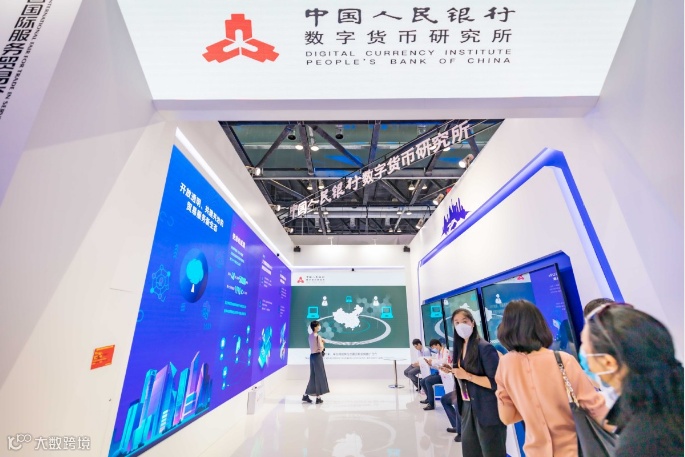
Visitors at the booth of Digital Currency Institute of the People's Bank of China during the China International Fair for Trade in Services on Sept 6. ZHAN MIN/FOR CHINA DAILY Analysts predict that China's e-currency could be in circulation as early as 2022 China's monetary authorities will designate more payment service institutions to develop digital RMB electronic wallets with complicated functions, in order to satisfy various types of payment needs. "Smart wallet" has a powerful feature that allows users to implement payment autonomously under certain conditions and rules, which can prevent the illegal withdrawal of funds deposited in prepaid accounts. The digital RMB is expected to be one of the world's first major sovereign digital currencies, and the central bank is gradually expanding its trials. The digital RMB e-wallet is managed under a centralized system led by the central bank, which can verify the currency's authenticity. Users can deposit as much as 10,000 yuan ($1,562) of digital RMB in the wallet, and the maximum aggregate daily payment is 5,000 yuan, with a limit of 2,000 yuan for each transaction. For a higher level e-wallet, the maximum deposit will increase to 500,000 yuan, with limits of 50,000 yuan for each payment and 100,000 yuan for the daily aggregate payment. Some experts predicted that the digital RMB could become the first central bank digital currency in circulation as early as 2022, ahead of other major economies, and cross-border usage may continue to grow. The expansion of the digital RMB's payment system will help connect different internet platforms. There will be many formats for e-wallets, including IC cards, wearable devices and internet of things devices. The central bank has launched a so-called hard wallet product loaded with a health code function for elderly people, which not only provides convenient payment functions, but also facilitates their safe travel while the pandemic continues. Source: China Daily


 广州寰东投资咨询有限责任公司