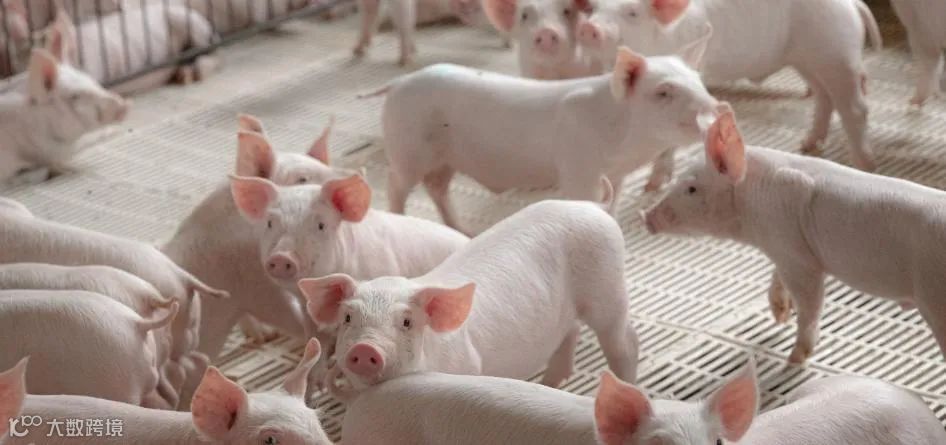
Recently, China implemented anti-dumping measures on pork and pork by-products imported from the European Union, exerting a noticeable impact on the domestic pork market. On one hand, the policy may tighten domestic pork supply, particularly for by-products, which could increase costs for catering businesses and food processing companies. On the other hand, the narrowing price gap between imported and domestic pork may encourage demand to shift toward local products.
Following the announcement, the market experienced a short-term bullish sentiment. Spot prices for imported pork and by-product frozen products generally rose, with by-products such as ribs and pig heads seeing more pronounced increases. This reflects amplified restocking and speculative demand from downstream buyers. Regional market performance varied: Shandong Binzhou and Zhengzhou logistics port markets were active, with price inversions observed between port and retail prices; Guangzhou saw active sales but cautious stocking; while Shanghai Pudong and Kunshan markets focused on accelerating sales.
If the anti-dumping measures continue or are converted into formal duties, the structure of import sources is likely to be reshuffled, with countries such as Brazil, the UK, and Russia expected to gain a larger share of exports. Domestic markets, particularly in by-products, may experience temporary import gaps, presenting structural opportunities for traders.