

编者按:肺癌是全球发病率和致死率最高的恶性肿瘤之一,晚期肺癌患者的整体5年生存率仅约为20%。其中,非小细胞肺癌(NSCLC)是最常见的病理类型,约占所有肺癌的85%。对于晚期肺癌患者而言,脑转移和靶向药物耐药性的出现,成为影响生存的两大难题。近年来,随着新一代结构优化的靶向抑制剂不断问世,生物医药行业在提升肺癌药物中枢神经系统(CNS)疗效与延缓耐药性进展方面取得了显著突破。例如,针对EGFR、ALK、ROS1等靶点的新一代靶向疗法,让部分晚期患者迎来了肿瘤缩小、生存期显著延长的新希望。长期以来,药明康德依托其一体化、端到端的CRDMO平台,持续赋能合作伙伴肺癌创新疗法的开发,助力突破性药物加速上市,惠及全球患者。在“世界肺癌日”(8月1日)到来之际,本文将聚焦脑转移和耐药性这两大挑战,介绍新一代靶向药物的研发,以及药明康德如何为肺癌新药开发提供支持。
据统计,肺癌每年在全球导致约180万人死亡,占所有癌症死亡人数的19%。在晚期NSCLC患者中,约30%在确诊时即已发生脑转移。此外,即使最初未发现脑部病灶,患者每年仍有约11%的概率发展为脑转移。尤其是携带EGFR、ALK及ROS1基因突变的患者,脑转移风险更高[4]。一旦发生脑转移,患者的5年生存率仅为5%-10%。脑转移不仅限制了可选的治疗方案,也显著降低了现有药物的疗效,成为肺癌治疗领域的一大难题。
与此同时,耐药性问题也在不断挑战靶向疗法的持续有效性。许多携带驱动基因突变的肺癌患者在接受靶向药物治疗一段时间后,因靶点蛋白发生新的突变而产生耐药性,导致疾病再次进展。因此,如何在提升中枢神经系统疗效的同时,克服多种耐药机制,成为新一代靶向疗法研发的关键焦点之一。
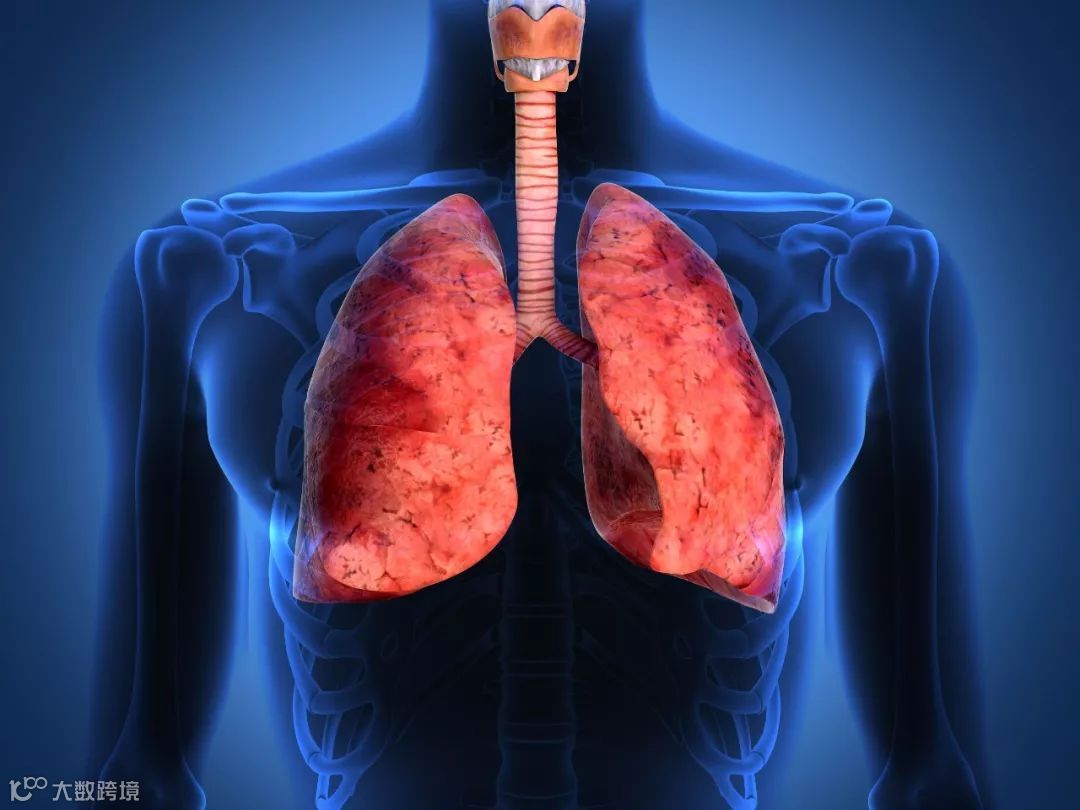
图片来源:123RF
突破脑转移和耐药性:新一代靶向抑制剂的创新
为应对脑转移与耐药性的双重挑战,近年来,研发人员在药物分子设计方面持续探索,新一代靶向抑制剂不但对多种耐药突变体表现出显著活性,也具备更强的血脑屏障穿透能力。
以EGFR靶向抑制剂为例,一项汇总研究显示,第三代抑制剂osimertinib治疗脑转移患者的客观缓解率(ORR)达到64%,CNS疾病控制率高达90%。
在ALK抑制剂方面,与第一代抑制剂相比,第二代药物alectinib和brigatinib在携带脑转移的NSCLC患者中均显示出更高的缓解率。而第三代抑制剂lorlatinib的血脑屏障穿透能力进一步增强。在一项3期临床试验的长期随访中,数据显示,与第一代ALK抑制剂相比,接受lorlatinib治疗的患者脑转移进展风险降低94%。
在ROS1融合阳性NSCLC的治疗领域,新一代抑制剂entrectinib和repotrectinib同样展现出良好的CNS渗透能力。在基线时存在可测量CNS转移瘤的患者中,entrectinib的颅内ORR为79.2%,中位颅内无进展生存期(PFS)为12个月。而repotrectinib在未接受过酪氨酸激酶抑制剂治疗、且伴有CNS转移瘤的患者中,颅内ORR达到88%。这些进展不仅反映出药物设计创新对疗效提升的关键作用,也为携带脑转移瘤和/或耐药性肿瘤的晚期肺癌患者带来了新的希望。

图片来源:123RF
一体化平台加速肺癌新药从发现到转化
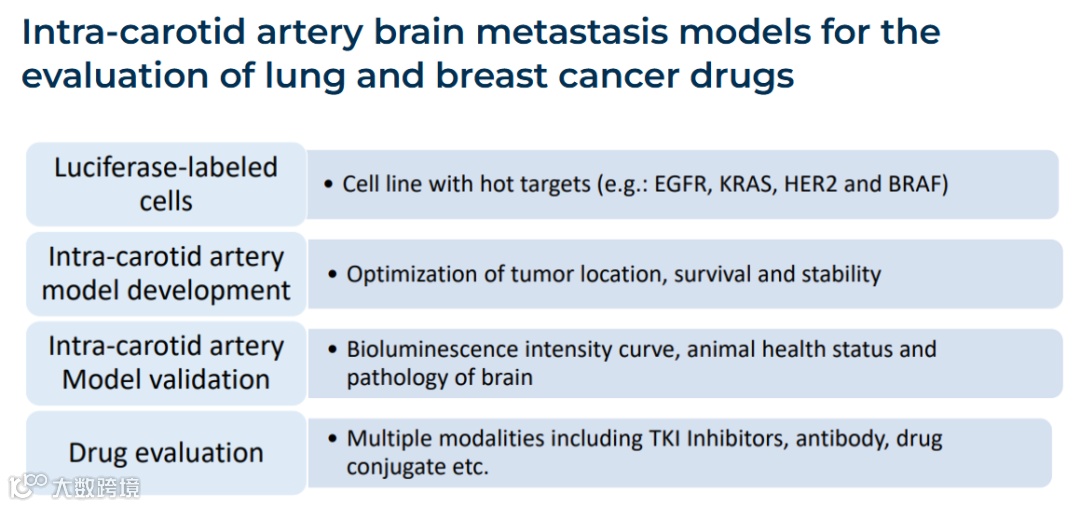
长期以来,药明康德通过独特的一体化、端到端CRDMO模式,助力合作伙伴加速肺癌疗法的研发进程。在早期研发阶段,药明康德可助力肺癌靶向药物从药物发现、CMC及制剂、药理药效、药代毒理、IND申请到获得临床试验批件的全过程推进。例如,针对脑转移,药明康德生物学业务平台已建立多种肺癌脑转移动物模型,包括基于颈内动脉注射的模型,可更真实地模拟肿瘤细胞穿越血脑屏障的生物学过程,为药物脑部疗效评价提供坚实基础。
在后续开发阶段,药明康德建立了全面的能力,构建起了从科学探索到临床转化的加速路径,可以显著降低合作伙伴的开发周期,提高新药研发效率。例如,药明康德测试业务平台可为合作伙伴提供全面、专业、系统的生物分析解决方案,助力合作伙伴的药物成功申报IND、NDA和BLA。该平台还能为合作伙伴的药品提供全方位的临床研究服务,涵盖生物等效性(BE)/1期至4期的临床试验及真实世界研究。
脑转移和耐药性是晚期肺癌患者面临的严峻挑战,对患者的长期生存构成重大威胁。令人欣慰的是,随着新药研发创新和生物标志物驱动治疗的不断进步,越来越多具有突破性的创新药物正走向临床,点燃患者的新希望。每一次科研突破的背后,都是无数研究人员与产业平台的通力合作与坚持探索。展望未来,药明康德将持续以其独特的一体化、端到端的CRDMO模式,携手全球合作伙伴加速肺癌新药开发进程,为全球患者带来更多希望与新生。
Crossing the Blood-Brain Barrier: Breakthrough Small Molecules Bring New Hope for Patients with Advanced Lung Cancer
Lung cancer remains one of the most common and deadly malignancies worldwide, with a five-year overall survival rate of only approximately 20% for patients with advanced disease. Among these cases, non-small cell lung cancer (NSCLC) is the most prevalent subtype, accounting for approximately 85% of all lung cancers. For patients with advanced NSCLC, two major challenges significantly impact survival outcomes: brain metastases and resistance to targeted therapies. Encouragingly, recent years have witnessed the emergence of next-generation, structurally optimized targeted inhibitors that have led to remarkable progress. These novel therapies have improved central nervous system (CNS) efficacy and delayed the development of resistance in lung cancer treatment. In particular, targeted therapies addressing EGFR, ALK, and ROS1 mutations have demonstrated promising tumor shrinkage and prolonged survival in some patients with advanced disease. WuXi AppTec has long supported the development of innovative lung cancer treatments through its unique, integrated, and end-to-end CRDMO model. In recognition of World Lung Cancer Day, this article explores the dual challenges of brain metastases and therapeutic resistance, highlights recent advancements in next-generation targeted therapies, and illustrates how WuXi AppTec supports lung cancer drug development.
Unmet Medical Needs in Lung Cancer Treatment: Dual Challenges of Brain Metastases and Drug Resistance
Lung cancer is responsible for approximately 1.8 million deaths globally each year, making up nearly 19% of all cancer-related mortality. Among patients with advanced NSCLC, around 30% already present with brain metastases at diagnosis. Even for those without initial CNS involvement, the risk of developing brain metastases rises by approximately 11% annually. This risk is particularly elevated in patients with mutations in EGFR, ALK, and ROS1.
Once brain metastases occur, five-year survival rates drop dramatically to just 5%-10%. Beyond reducing survival, brain metastases also limit available treatment options and compromise the efficacy of systemic therapies, underscoring their severity as a clinical obstacle in lung cancer care.
At the same time, drug resistance presents another persistent challenge. Many patients who initially respond to targeted therapies eventually experience disease progression due to new mutations in the target oncogenes. As a result, developing next-generation therapies that can effectively penetrate the CNS and overcome acquired resistance has become a critical objective in lung cancer drug innovation.
Overcoming Brain Metastases and Resistance: Innovations in Next-Generation Targeted Inhibitors
To address the dual challenges of brain metastases and drug resistance, researchers have in recent years continuously explored innovations in molecular drug design. Next-generation targeted inhibitors now demonstrate remarkable potency against resistant mutations, while also achieving significantly improved blood–brain barrier (BBB) penetration.
Take EGFR-targeted inhibitors as an example. A pooled analysis revealed that a third-generation inhibitor achieved an objective response rate (ORR) of 64% in treating brain metastases, with a CNS disease control rate as high as 90%.
In the ALK inhibitor space, compared with first-generation inhibitors, multiple second-generation agents showed higher response rates in NSCLC patients with brain metastases. In addition, in a long-term follow-up of a Phase 3 clinical trial, data showed that compared to first-generation ALK inhibitors, a third-generation ALK inhibitor had a 94% reduction in the risk of brain metastasis progression.
In the treatment of ROS1 fusion–positive NSCLC, next-generation inhibitors also demonstrated strong CNS penetration. Among patients with measurable CNS metastases at baseline, they achieved an intracranial ORR of 79.2%~88%.
These advancements not only underscore the critical role of innovative drug design in improving therapeutic efficacy but also bring new hope to patients with advanced lung cancer who have brain metastases and/or drug-resistant tumors.
CRDMO: Accelerating Discovery to Clinical Translation
WuXi AppTec has long leveraged its unique integrated, end-to-end CRDMO model to accelerate the development of lung cancer therapies in collaboration with global partners. During early-stage development, WuXi AppTec can provide end-to-end services encompassing drug discovery, CMC and formulation, pharmacology and efficacy, pharmacokinetics and toxicology, IND application to clinical trial approval.
For therapies targeting brain metastases, WuXi AppTec has developed a range of lung cancer brain metastasis models, including an intra-carotid artery injection model that more accurately mimics tumor cell penetration through the blood-brain barrier. These models provide a scientifically rigorous foundation for evaluating CNS efficacy during preclinical development.
During clinical development, WuXi AppTec provides comprehensive, professional, and systematic bioanalytical services to support successful IND, NDA, and BLA submissions. We also provide Phase I to Phase IV clinical development services & BE (bioequivalence), for products including pharmaceuticals and biologics.
Together, these integrated services create an accelerated and cost-effective path from early discovery to clinical validation, enabling faster development cycles and reducing the risk of failure along the way.
Brain metastases and resistance continue to represent formidable challenges in the treatment of advanced lung cancer, with significant implications for long-term survival. Yet, ongoing innovation in molecular design, coupled with the rise of biomarker-driven precision medicine, has brought an increasing number of breakthrough therapies into clinical practice—offering renewed hope to patients worldwide.
As we look to the future, WuXi AppTec will continue to leverage its unique, integrated, and end-to-end CRDMO model to work alongside global partners in accelerating the development of novel lung cancer therapies and bringing more hope and healing to patients around the world.
参考资料:
[1] AUGTYRO® ROS1+ NSCLC PATIENT & CAREGIVER RESOURCES. Retrieved July 13, 2025, from https://www.augtyro.com/ros1/patient-support
[2] Intra-carotid artery brain metastasis models for the evaluation of lung and breast cancer drugs. Retrieved July 14, 2025, from https://wuxibiology.com/resource/intra-carotid-artery-brain-metastasis-models-for-the-evaluation-of-lung-and-breast-cancer-drug/
[3] Tumor Models. Retrieved July 14, 2025, from https://wuxibiology.com/biology-services/oncology-immunology/tumor-models/
[4] Rijmers et al., (2025). Resistance mutations and the blood–brain barrier: Key challenges in targeted treatment of brain metastatic non-small cell lung cancer. Acta Pharmaceutica Sinica B, https://doi.org/10.1016/j.apsb.2025.06.002
[5] Song et al., (2023). Applications of macrocyclic molecules in cancer therapy: Target cancer development or overcome drug resistance. MedComm-Oncology, https://doi.org/10.1002/mog2.50
[6] Lung Cancer Kills More People Worldwide Than Other Cancer Types. Retrieved July 14, 2025, from https://www.cancer.org/research/acs-research-news/lung-cancer-kills-more-people-worldwide-than-other-cancers.html
[7] Erickson et al., (2020). Assessment of Effectiveness and Safety of Osimertinib for Patients With Intracranial Metastatic Disease. JAMA Netw Open. doi: 10.1001/jamanetworkopen.2020.1617
[8] Dziadziuszko et al., (2021). Updated Integrated Analysis of the Efficacy and Safety of Entrectinib in Locally Advanced or Metastatic ROS1 Fusion–Positive Non–Small-Cell Lung Cancer. J Clin Oncol. doi: 10.1200/JCO.20.03025
[9] Lin et al., (2023). Intracranial and systemic efficacy of repotrectinib in advanced ROS1 fusion-positive (ROS1+) non-small cell lung cancer (NSCLC) and central nervous system metastases (CNS mets) in the phase 1/2 TRIDENT-1. Journal of Clinical Oncology, https://doi.org/10.1200/JCO.2023.41.16_suppl.9017

分享,点赞,在看,聚焦全球生物医药健康创新