

“Take you on the ride into Europe”
- Bavaria: world's largest folk festival and Munich terminal
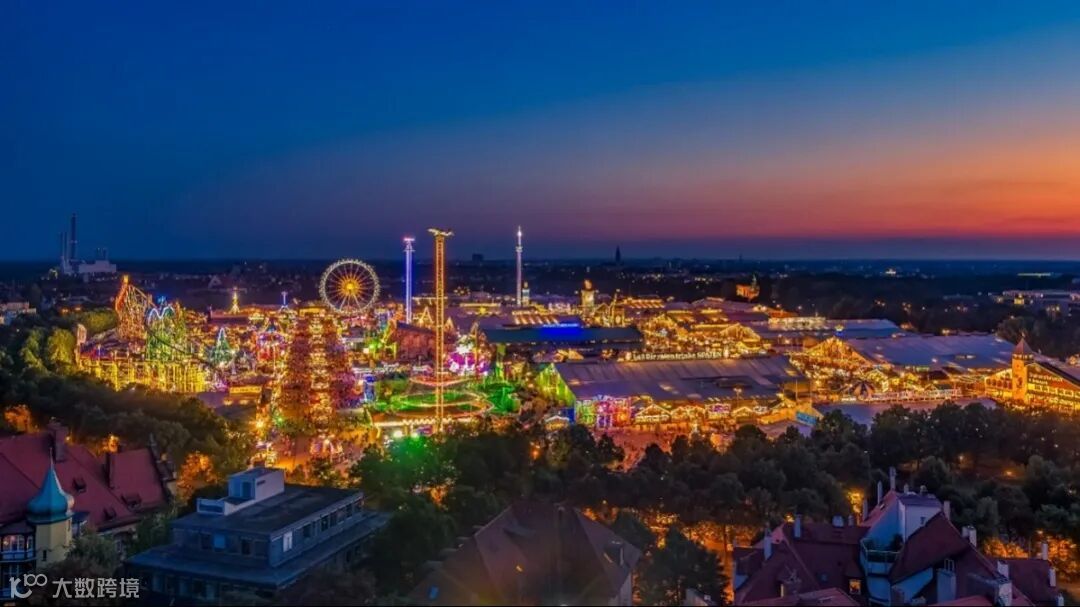
Oktoberfest:
After a two-year pandemic break, the Oktoberfest starts. The fest attracts thousands and thousands of people in Munich from September 17 to October 3, 2022.
Around six millions of visitors from all over the world flock to the festival in the city center every September to polish off beer from steins, roast chicken and other. In any case, it is the largest public festival in the world and definitely a gigantic battle of materials that is meticulously measured statistically. Here's what you need to know about the Oktoberfest.
Since 1810, there has been an annual celebration at Theresienwiese in Munich. The first occasion for the Oktoberfest was the wedding of Crown Prince Ludwig of Bavaria and Princess Therese. As part of the festivities, a horse race was held on the meadow at Sendlinger Berg (today: Theresienwiese and Theresienhöhe), where the ordinary people were also allowed to attend. Beer and wine were served to the guests on the grandstand - the origin of the Oktoberfest was born.
The last two years have not been easy for fans of the Oktoberfest: For two years in a row, the festival was cancelled due to Covid-19. That the Oktoberfest does not take place is rather the exception: Only because of the largest folk festival in the world has been canceled so far, a total of 26 times until 2021.
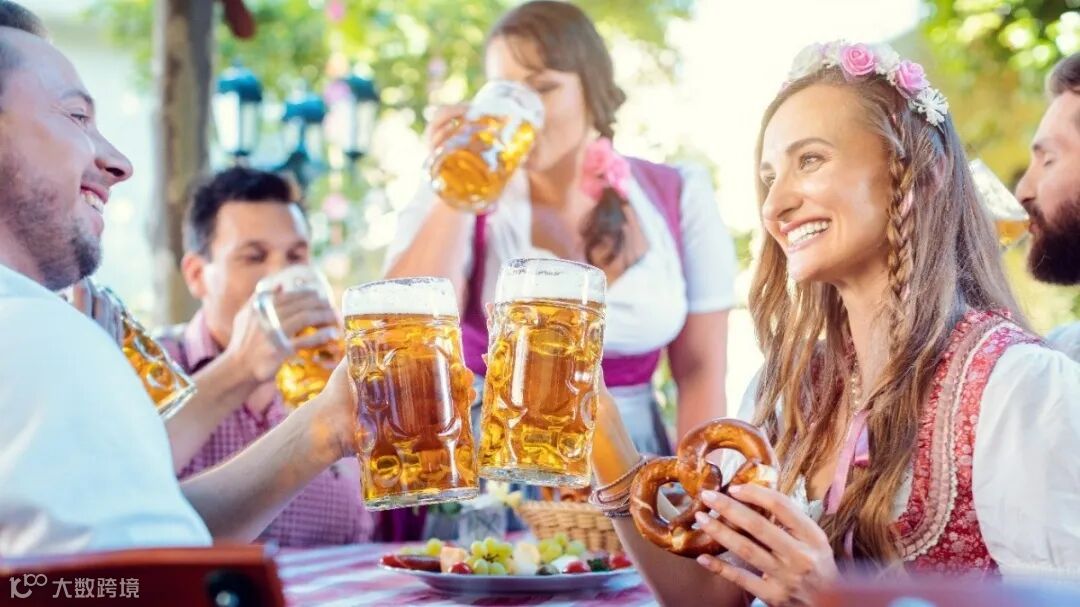
A couple of important facts:
About 8,000 people work permanently at the Oktoberfest, plus around 5,000 seasonal workers.
The record of female waiter can carry up to 19 beer mugs at once – that's 45kg!
7,100,000 visitors attended the festival in the record year of 1985.
448,000,000 euros of total revenue was generated at the festival in 2019. The hotel overnight stays, train tickets and cab rides are not counted there.
7,850,000 liters were served at the past Oktoberfest 2019. With that much beer, roughly speaking, you could possibly get 600,000 elephants drunk.
Munich Terminal
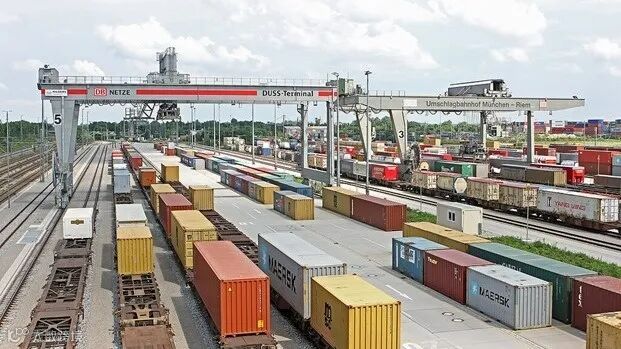
Munich is also famous in the logistics and forwarding industry because of its terminal.
In September 1992, the Munich East Terminal was put into operation as a double-module facility. Due to its geographical location, Munich has always had a significant strategic importance on the north-south axis as a gateway terminal.
Loading units from all over Germany and the neighboring states run toward Munich in feeder trains, are sorted here and reloaded onto existing connections to Italy and vice versa. The share of these shipments here accounts for about 25% of total rail inbound and outbound shipments.
Furthermore, Munich is interesting for seaport-hinterland traffic. The terminal has a direct rail link to the main line in all directions.

About DBCE & DBCT
Since 2008 DB Cargo Eurasia GmbH (DBCE) has been working in the Eurasian Corridor. After a reorganization in 2018, DBCE becomes the specialist for Eurasian container traffic by rail within DB group. To be closer to the Chinese market, DB Cargo Transasia (DBCT) was established in 2021 with 100% shares by DBCE. DBCE forms the network of DB Cargo structures on the eastern EU-border and fills the rail traffic within DB network with volume to and from Asia. Transcontinental connections from Europe to China now offer customers the efficient and competitive alternatives to time-consuming ocean carriage and expensive air freight.
What advantages will you enjoy as a customer of DB Cargo Eurasia:
-
The experience and know-how of the “pioneer” operator of block trains between China and Europe since 2008
-
Resources, infrastructure and know-how of DB as the biggest rail provider in Europe
-
Tailored transport solutions (pre-/on-carriage, container stuffing, reefer container transports and more)
-
Established offices in Germany, Poland, Russia and China in order to accelerate your direct contact service in timely manner
-
Rendering neutral services to forwarding companies
-
Our service offer includes terminal-terminal, door-door and door-terminal delivery