


随着 Web3.0 的快速发展,多链钱包已成为链接用户与去中心化世界的重要入口。构建一个支持超过60条主流公链(如 Ethereum、BSC、Solana、Polygon、Avalanche、Tron、TON 等)的 Web3 钱包,不仅需要良好的架构设计,更需要兼容多种公链协议与签名机制。
本文将从架构设计、核心功能模块、以及关键代码实现出发,解析如何开发一个真正“多链兼容”的 Web3 钱包。
一、架构总览
多链钱包的整体架构如下:
+------------------+
|     前端 DApp     | ← Vue / React / Flutter
+------------------+
         |
         ↓
+------------------+
|  钱包中间服务层  | ← 自定义 SDK、私钥管理、安全模块
+------------------+
         |
         ↓
+-------------------------------+
|        多链支持模块           |
| Ethereum / Solana / Tron 等  |
+-------------------------------+
         |
         ↓
+------------------+
|      RPC 节点     | ← 各公链的节点接口或 API
+------------------+
二、核心功能模块
-
助记词生成与私钥派生 钱包的第一步是创建账户,必须支持 BIP39 助记词标准及 BIP44 路径派生。
from bip_utils import Bip39MnemonicGenerator, Bip39SeedGenerator, Bip44, Bip44Coins

mnemonic = Bip39MnemonicGenerator().FromWordsNumber(12)
seed_bytes = Bip39SeedGenerator(mnemonic).Generate()
eth_wallet = Bip44.FromSeed(seed_bytes, Bip44Coins.ETHEREUM).DeriveDefaultPath()

print("Mnemonic:", mnemonic)
print("ETH Address:", eth_wallet.PublicKey().ToAddress())
print("Private Key:", eth_wallet.PrivateKey().Raw().ToHex())
扩展支持:
BIP49:用于 BTC SegWit
BIP84:用于 BTC Native SegWit
自定义路径:适配不同链的地址结构
示例:发送 ETH 的交易构造与签名
from web3 import Web3
from eth_account import Account

w3 = Web3(Web3.HTTPProvider("https://rpc.ankr.com/eth"))
private_key = "0x..."
account = Account.from_key(private_key)

tx = {
    'to': '0xReceiverAddress...',
    'value': w3.to_wei(0.01, 'ether'),
    'gas': 21000,
    'gasPrice': w3.to_wei(30, 'gwei'),
    'nonce': w3.eth.get_transaction_count(account.address),
    'chainId': 1
}

signed_tx = account.sign_transaction(tx)
tx_hash = w3.eth.send_raw_transaction(signed_tx.rawTransaction)
print("Tx Hash:", w3.to_hex(tx_hash))
扩展实现:
Tron 链使用 tronpy
Solana 使用 solana-py
TON 使用 tonpy 或 HTTP API
Aptos/Sui 使用 REST + Ed25519 签名
# ETH/BSC 示例
balance = w3.eth.get_balance(account.address)
print("ETH Balance:", w3.from_wei(balance, 'ether'))

# Solana 示例
from solana.rpc.api import Client
solana = Client("https://api.mainnet-beta.solana.com")
sol_balance = solana.get_balance("YourSolanaAddress")["result"]["value"] / 1e9
print("SOL Balance:", sol_balance)
# ERC20 转账(Ethereum/BSC)
contract = w3.eth.contract(address="0xTokenAddress...", abi=ERC20_ABI)
tx = contract.functions.transfer("0xTo...", 1000 * (10 ** 18)).build_transaction({
    'from': account.address,
    'nonce': w3.eth.get_transaction_count(account.address),
    'gas': 60000,
    'gasPrice': w3.to_wei(10, 'gwei'),
})
# Ethereum 签名消息
message = "Login at 2025-06-24"
signed = account.sign_message(Web3.keccak(text=message))
print("Signature:", signed.signature.hex())
三、支持 60+ 主流链的扩展设计
建议使用模块化结构,每条链一个 SDK 接口类:
class ChainAdapter:
    def get_balance(self, address): ...
    def send_transaction(self, private_key, to, amount): ...
    def get_token_balance(self, address, token): ...

class EthereumAdapter(ChainAdapter): ...
class SolanaAdapter(ChainAdapter): ...
class TronAdapter(ChainAdapter): ...
...
配置文件示例:
{
  "chains": [
    {"name": "Ethereum", "rpc": "https://rpc.ankr.com/eth", "type": "evm"},
    {"name": "Solana", "rpc": "https://api.mainnet-beta.solana.com", "type": "solana"},
    {"name": "Tron", "rpc": "https://api.trongrid.io", "type": "tron"},
    ...
  ]
}
四、安全与合规
私钥管理:建议集成 Vault、HSM 或 TEE
多签签名:支持 MPC 钱包或 Safe 模型
合规支持:集成 KYC、地址风险评分(如 Chainalysis API)
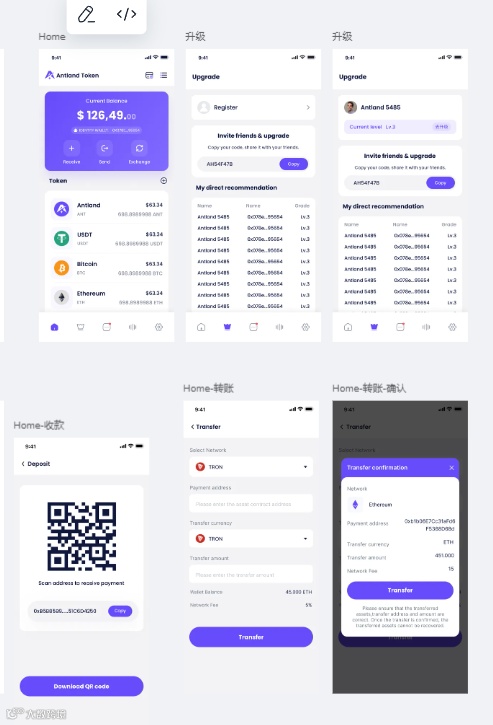
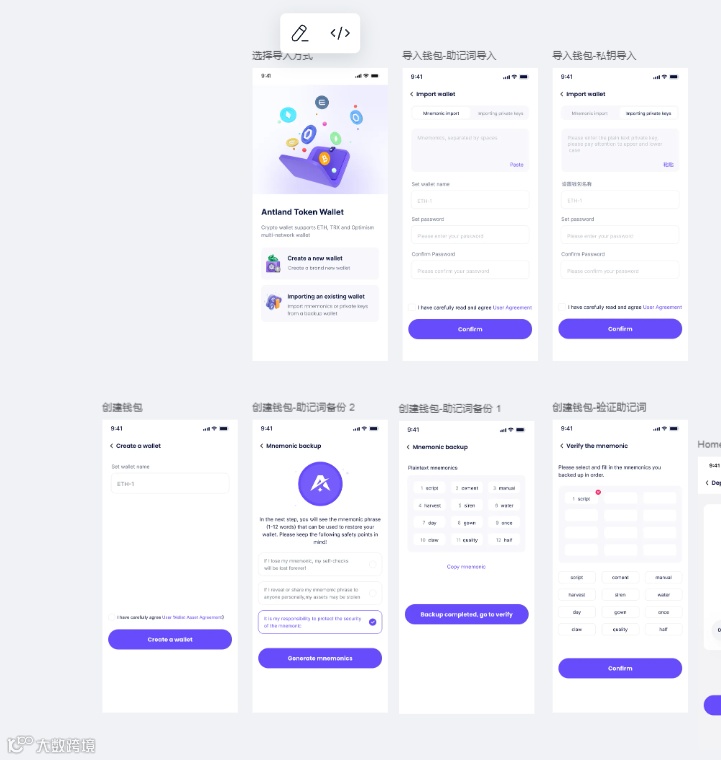
成功案例展示:
五、总结
构建一个支持 60+ 主流链的钱包系统是一个系统工程,需要充分理解每条链的账户体系、交易结构、签名机制,同时设计统一的抽象接口与多链适配层,确保功能完整与安全可靠。

❝本公众号发布的内容除特别标明外版权归原作者所有。若涉及版权问题,请联系我们。所有信息及评论区内容仅供参考,请读者自行判断信息真伪,不构成任何投资建议。据此产生的任何损失,本公众号概不负责,亦不负任何法律责任。