
空间设计Sergio说:
打破束缚我们的线,传达未来!
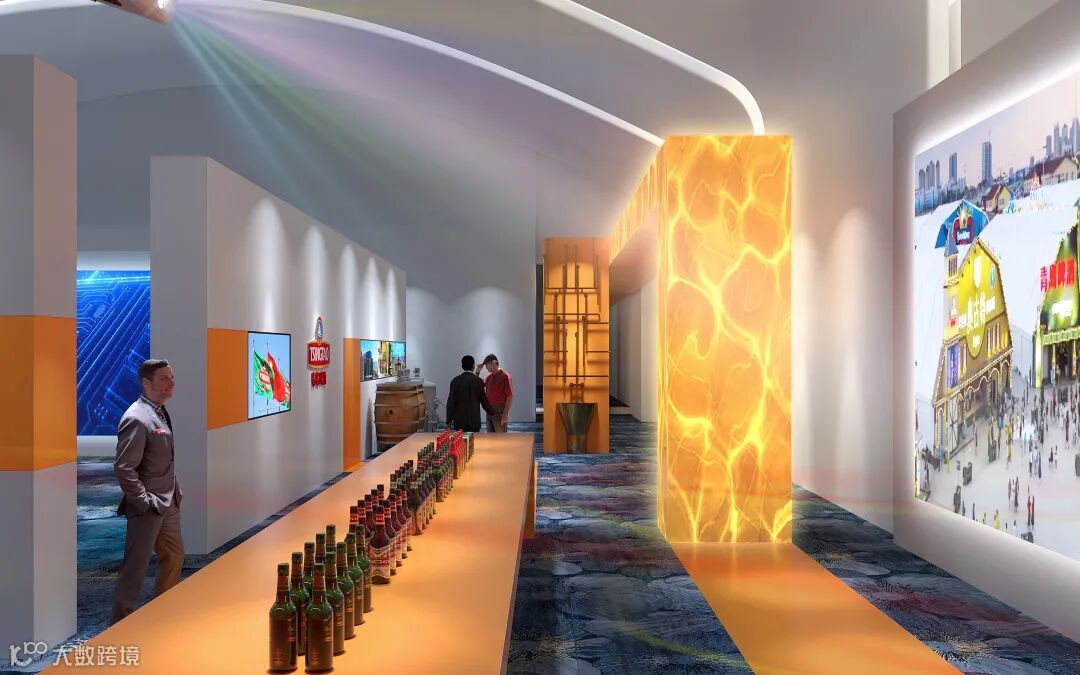
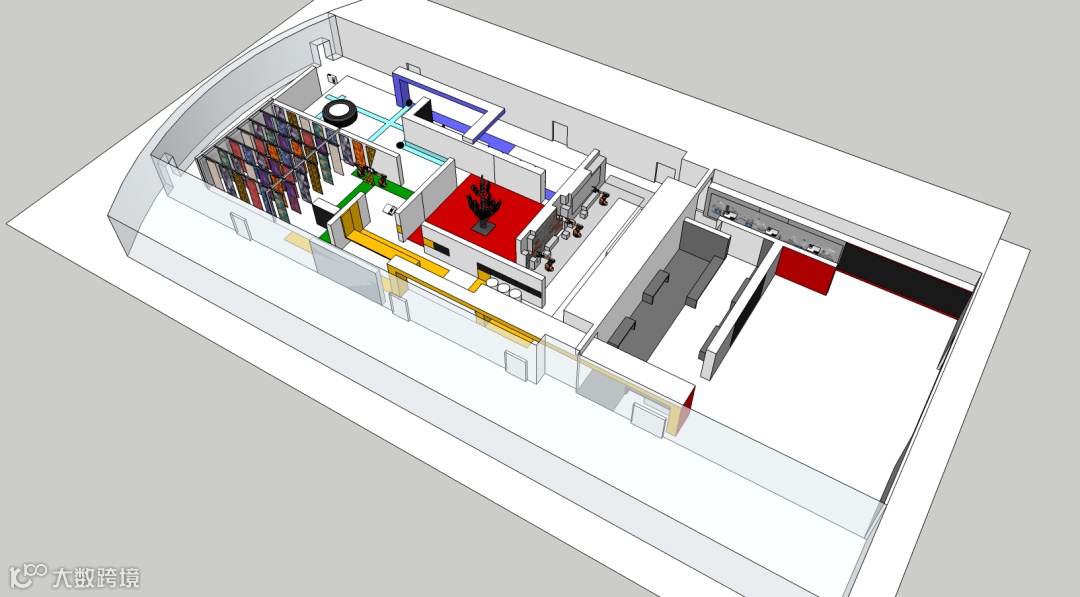
空间设计概念方向,我们使用的设计语言是基于德国建筑师米斯·范德罗的美学。我们以连接我们概念工厂的逻辑为基础,并设置了许多纯平面(墙壁、天花板、地板),从而稳定了流动和相互连接的空间。为了进一步表明这些明显脱节的科学领域之间的潜在联系,我们为每个空间定义一个色彩,形成独立而又相关联的特性,从而达到整个创新节在工业互联网方面的认知高度统一。

视觉设计Simone说:
在视觉上我们将采用创新节大会LOGO的色彩来进行区域的划分,这个概念创想来自于模拟工厂的传送带,每个色块空间将代表工业互联网所应用的不同场景,作为世界及科技发展的产物,即使是在不同的领域,工业互联网对于一个城市,一个国家创造的贡献是极大的而且相互关联密不可分的,因此连接成一个清晰的整合概念。
根据已纳入参展企业的专攻方向,我们将空间划分为农业、工业、时尚、食品、建筑及接待展示几个创意互动板块。
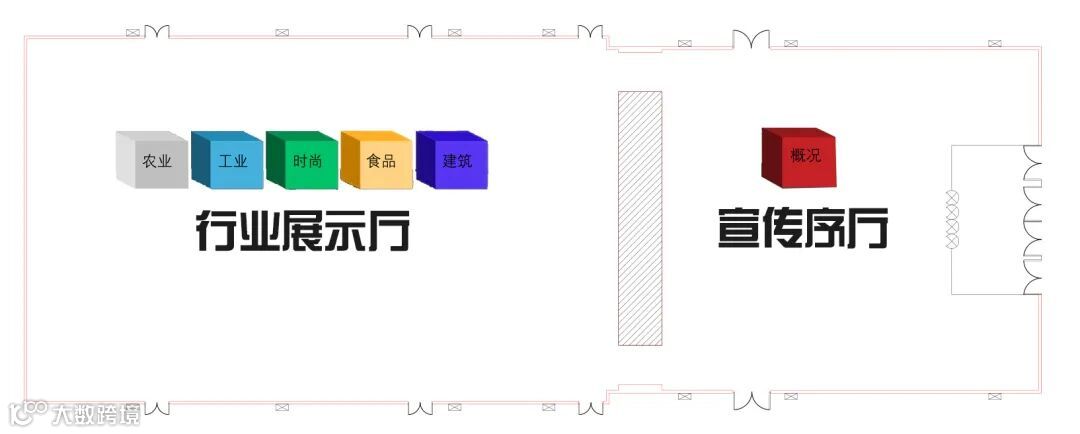
宣传序厅:将作为政府对外宣传的主要展示区,包含对于工业互联网的视频介绍、青岛作为工业互联网之都在地图上的重要呈现。
行业展示厅:根据已知的各个企业工业互联网主要展现方向,设立不同的展示体验区域。
动线设计

Sergio心声:
The project for the Qingdao Innovation Festival: IIoT Theme Exhibition aims to build a wide-public comprehensive exhibit on IIoT, emphasizing the experiential and impression component´s far-reaching divulgation capacity rather than using a more traditional extensive content-based pattern. As such, the final design has become the distillation of a long process of conceptual iterations that have accompanied the design through its number of stages.
青岛创新节之工业互联网主题展旨在打造一个具有传播力的工业互联网主题的综合展览。我们没有选择采用更传统的内容模式,而是更加强调参观的体验和印象。因此,最终成型的这个设计经过了多个设计阶段,以及漫长的概念迭代过程的提炼。
工业互联
Since its very inception, the design has aimed to try and stablish a consistent baseline narrative around the hardly intuitive concept of IIoT, displayed along an immersive step-by-step instructional storyline. However, the original requirements ended up changing its overall conceptually introductory character into, basically, a corporate display for several IIoT-related local companies.
从一开始,我们的设计的目的就是试图围绕“工业互联网”这个难以直观表现的概念,建立了一套具有一致性的叙事线,沿着一个沉浸式的情节,逐层递进地进行展示。然而,最初的要求后来发生了调整,从开始的整体概念上的介绍,基本上变成了几家当地工业互联网行业头部的平台企业的展示。
As a result of that drastic change in the very content basis of the project, the design was forced to evolve to an even more abstract approach. Hence, while protecting the aforementioned parallelism between the IIoT infrastructure interconnection logic and the design venue’s space and conveyance flow, we opted to rebuild the original content narrative-based plan into a formal language-based one. This way, the design manages to keep a visually coherent perception while articulating all those fundamentally uncorrelated elements and their specific style books.
由于这个项目的内容基础发生了很大的变化,使我们的设计不得不调整为更加抽象的方式。因此,在维持原有的工业互联网的基础设施互联逻辑,以及设计场地空间和传播表达流程之间的平衡性的同时,我们选择将原来基于内容叙述的方案,重建为另一套语言为基础的方案。这样一来,设计既能保持视觉上的连贯性,又能衔接所有成分更加复杂的元素,并形成特定的风格。
Thus, the different areas for the exhibit, adopt a unified appearance around streams of color (as a representation of the II data streams) which flow and intertwine with each other, defining the spaces’ transitions. The color palette sets each tone as the leitmotif to give specific character and make the II field its hosting recognizable. Finally, all those areas orbit around a central hub, physical manifestation of the encompassing IIoT core definition.
因此,展览的不同区域,围绕着色彩(体现工业互联网大数据)采用统一的外观,这些色彩相互流动和交织,以此来定义空间的衔接和过渡。色彩调色板将为每一个区域定义出主色调,并且赋予特定的个性特征,使工业互联网领域的呈现具有可识别性。最后,所有这些区域都围绕着一个中心枢纽运行,是包罗万象的工业互联网核心定义在现实中的表现。
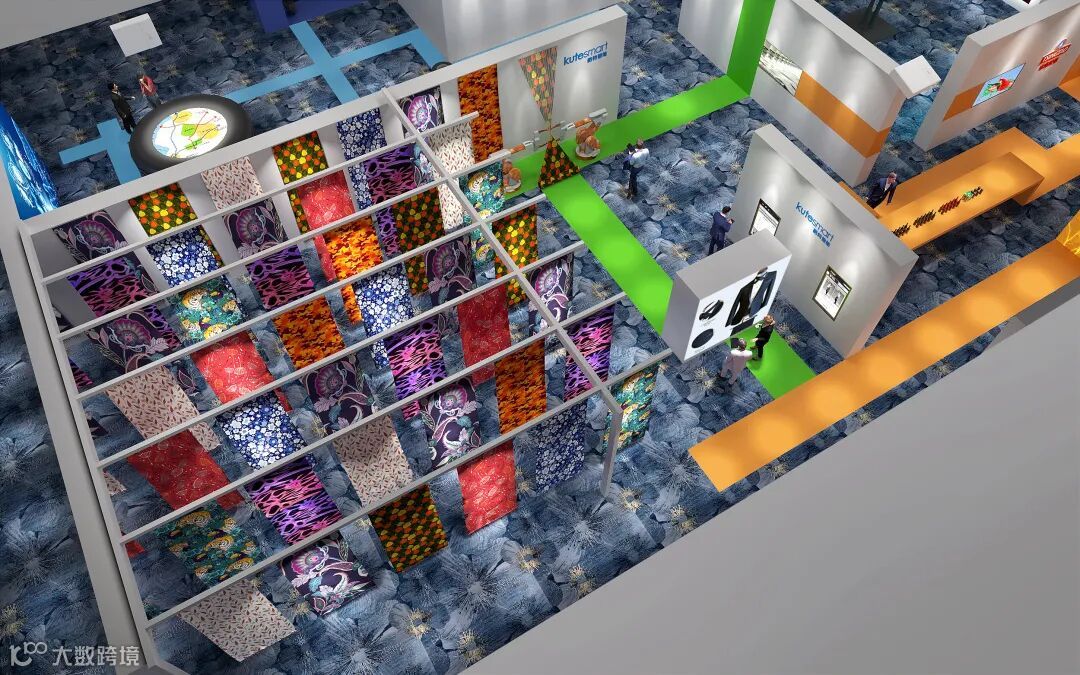
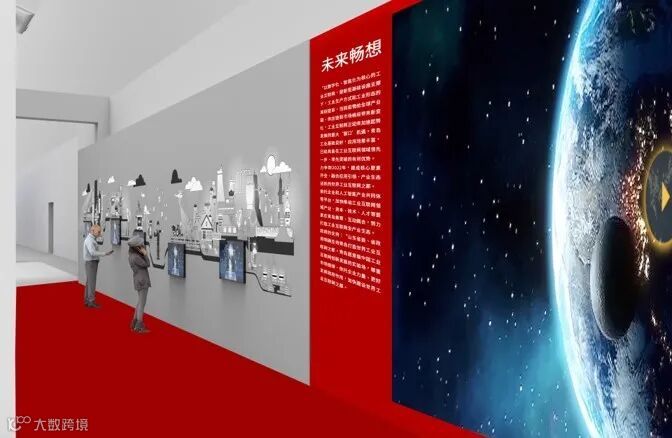
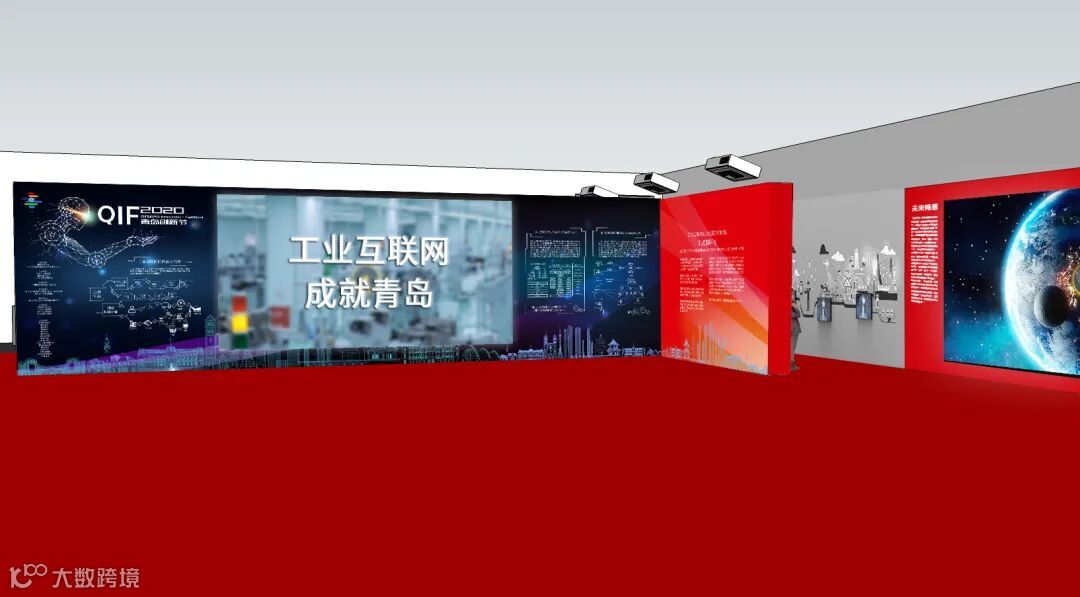
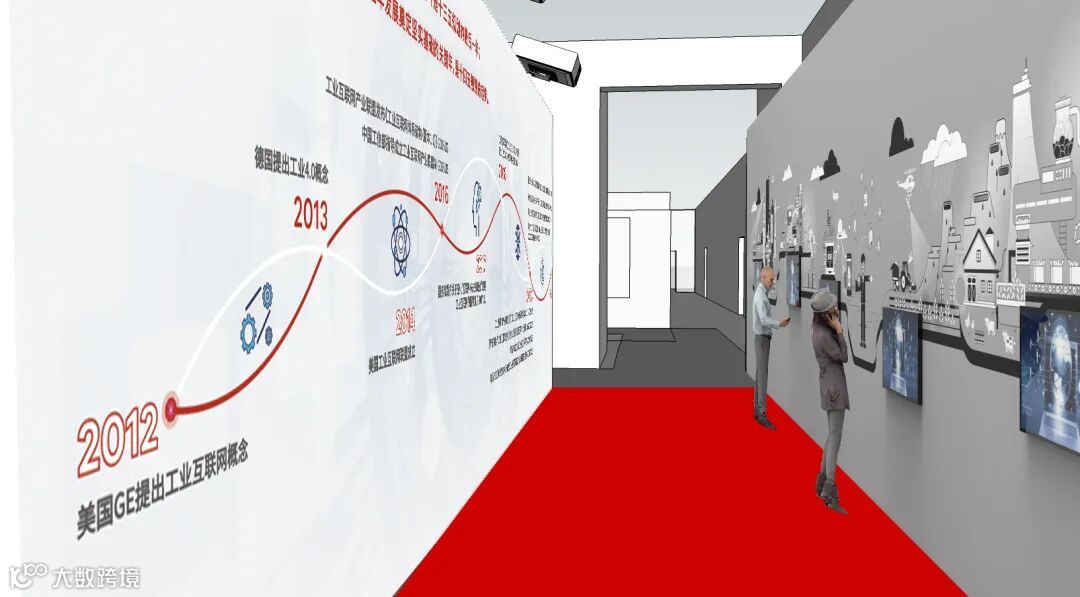
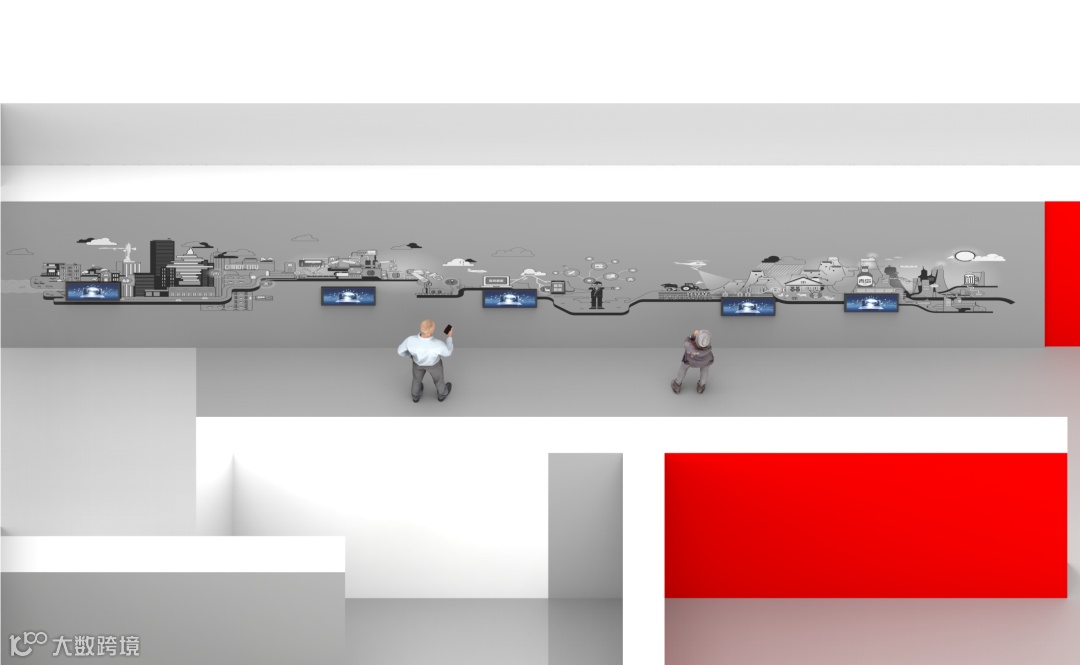
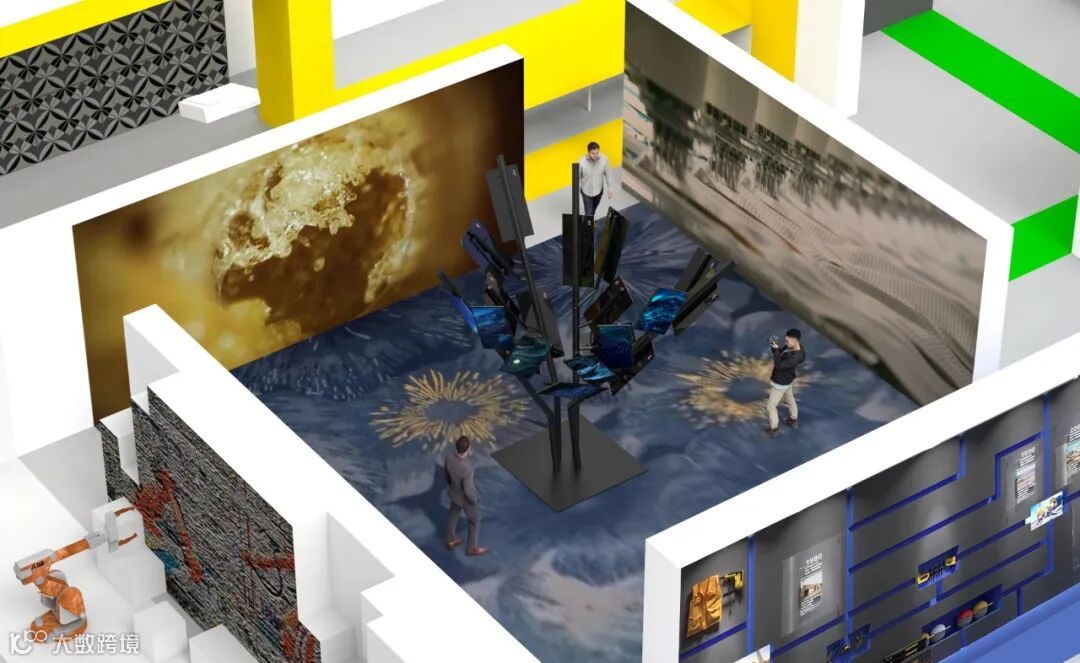
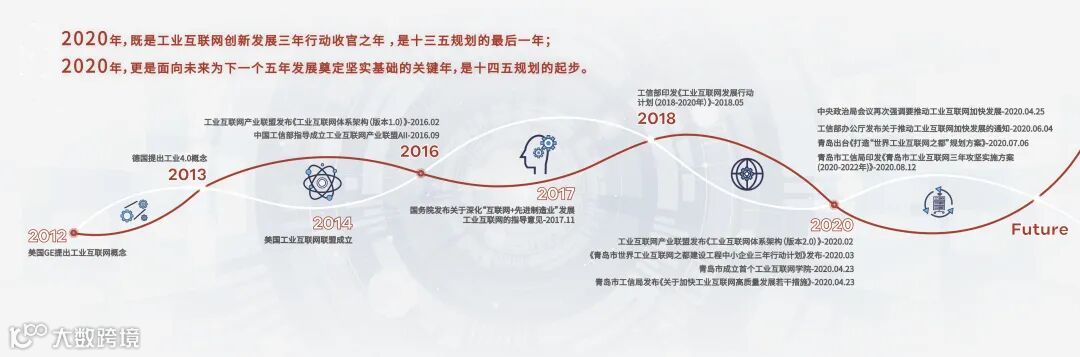
The experiential visit starts in the main entrance hall with a vast introductory area for the whole IIoT base idea, its essential must-know factors, key timeline and how it relates to Qingdao, as well as a brief exhibit introduction. From there, the visit continues into the main exhibition hall, divided into 5 areas + 1 hub in an orbital disposition, which can be explored consecutively through the main narrative line (mostly set for professionals with previous background) or individually discovered by using that central nexus (mainly oriented to general public). This core area hosts a major experiential element and acts as a representative for the prevailing IIoT that encompasses the whole exhibit.
整个体验式的参观过程将从主入口大厅开始,将会有一个巨大的介绍区,介绍整个工业互联网基本概念、必备要素、关键节点时间线、它与青岛的关系,以及一些简单的展品介绍。接着继续进入主展馆参观,以轨道式布局分为5个区域+1个中心展区,可以通过主叙事线(主要是针对有知识背景的专业人士设置的)进行连续探索,也可以通过该中心节点(主要面向普通观众)进行逐一的探索和发现。核心区域承载了一个主要的体验元素,并作为一个代表,涵盖了整个展览的主线——工业互联网。
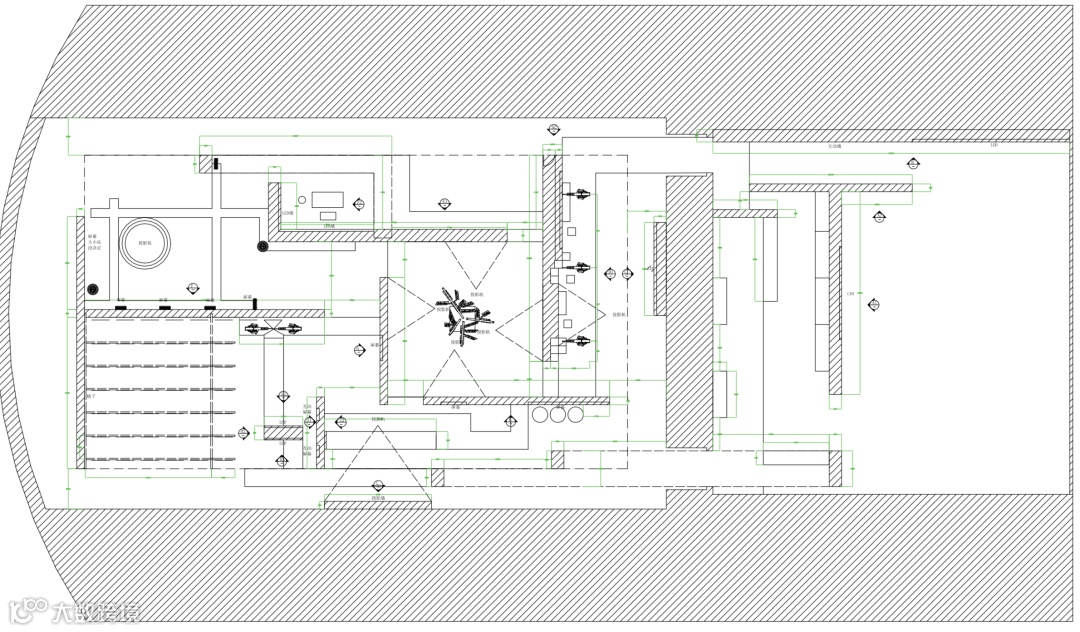
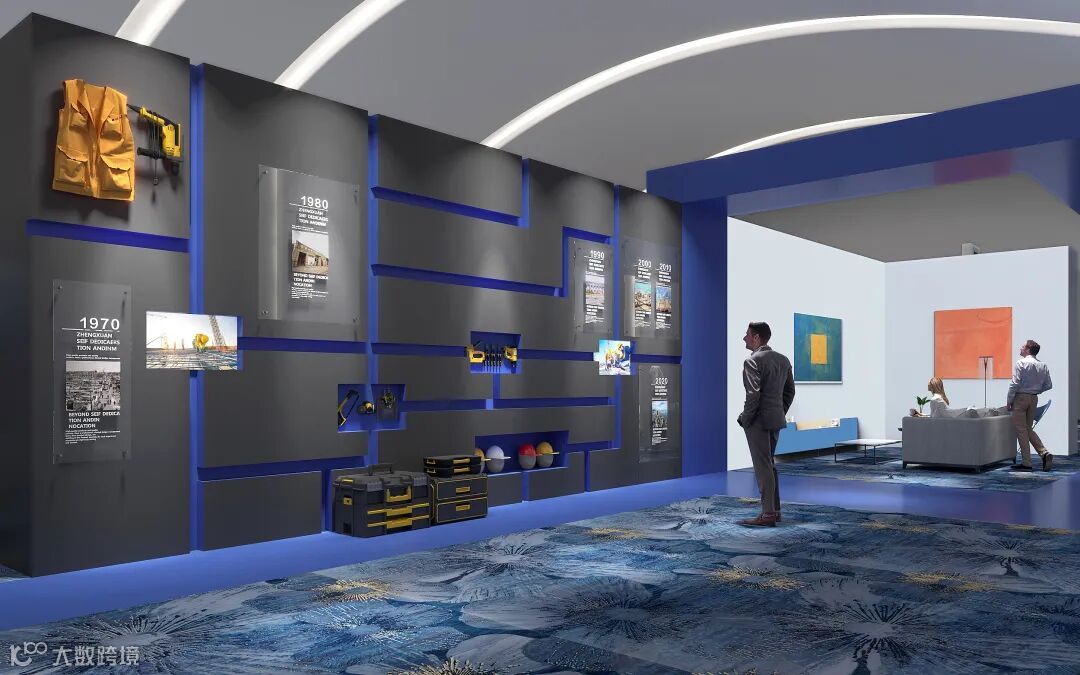
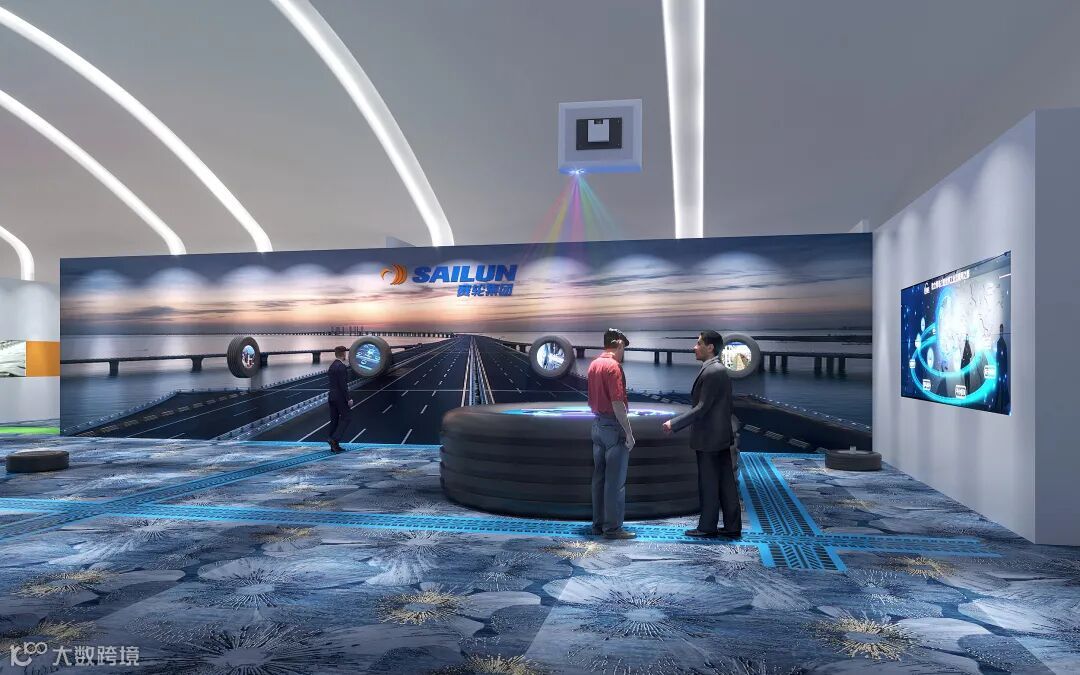
Each of these areas, despite having to adhere to each of the companies´ specific corporate image restrictions and product displays, is designed following a gradient approach: spanning from the hub (IIoT as a whole), the content is introduced from the main market sector they belong to (agricultural, industrial, construction, retail, food) towards their specific company as an exemplary case of actual implementation.
每一个区域,尽管必须遵守每个参展企业特定的企业形象限制和产品展示,但都是按照梯度的方法设计的:从中心(工业互联网整体)跨越,内容从他们所属的主要行业部门(农业、工业、建筑、零售、食品),展示专门的公司介绍,并作为工业互联网具体的实践典型案例。
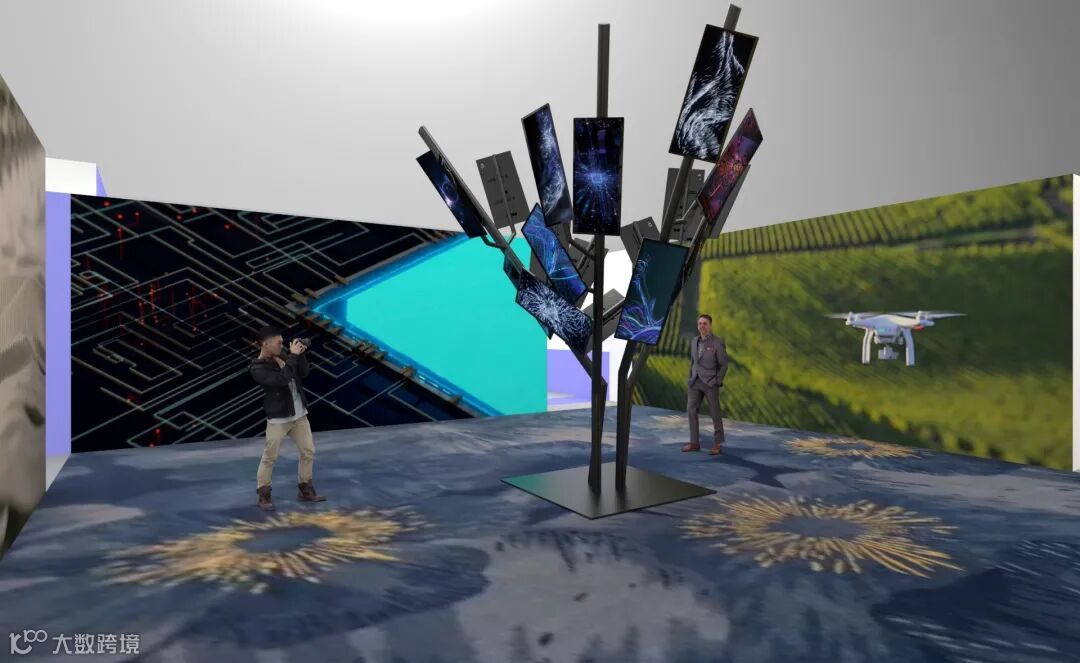
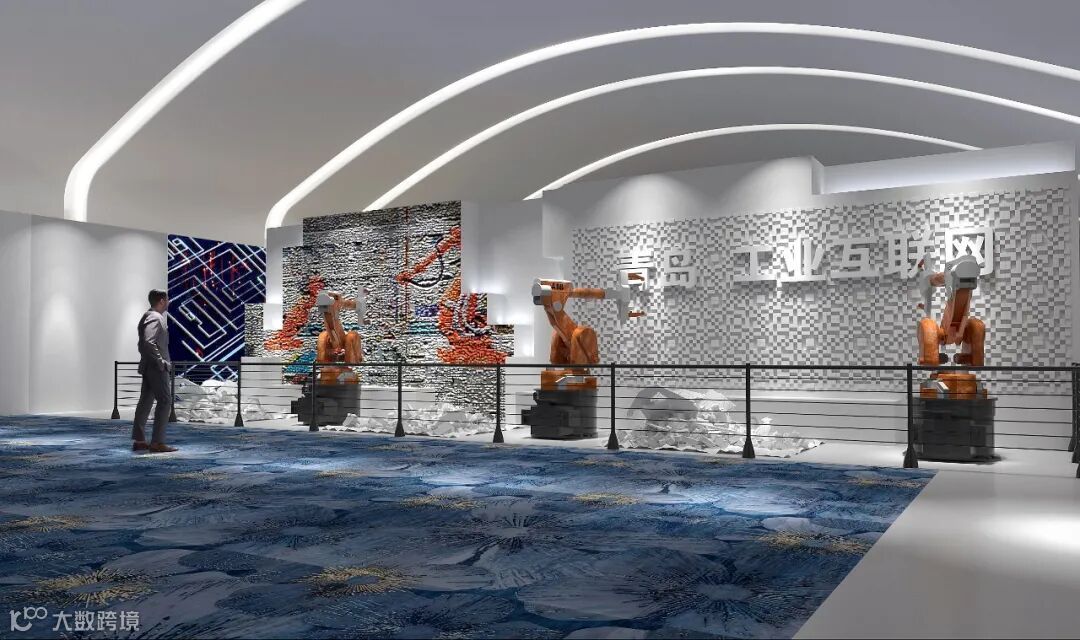
As per the content display, the design reconciles hosting the resources and products provided by each company with a certain number of more general guest-oriented experiential attractions. Those take the shape of media projection, moving screens, interactive displays, physical and robotic elements, custom-made sculptural installations, immersive environments and others; all in order to build a rigorous, accurate and content-rich government and corporate-level IIoT exhibition, enhanced through the power of technological and artistic impression.
根据内容的展示,设计将各公司提供的资源和产品与一定数量的面向客人的普通体验性景点相协调。这些形式包括多媒体投影、矩阵屏幕、触摸式互动展示、机械臂和机器人元素、定制雕塑装置、沉浸式的环境创设等;所有这些都是为了构建一个严谨、准确、内容丰富的政府和企业级工业互联网展览,通过科技和艺术印象的力量来增强表现力。