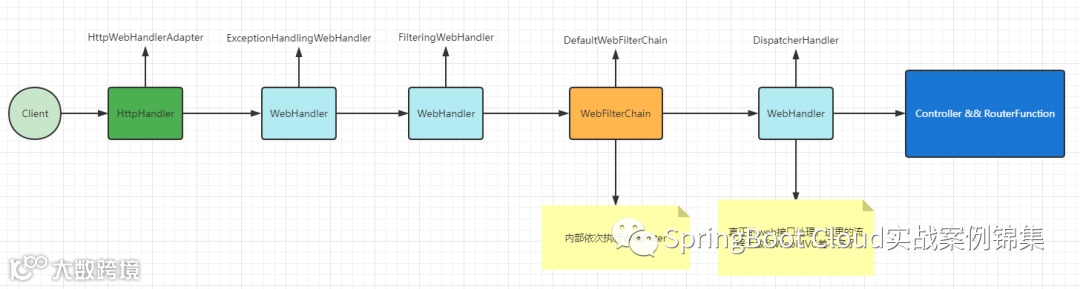
1 请求入口HttpHandler
自动配置
public class HttpHandlerAutoConfiguration {(proxyBeanMethods = false)public static class AnnotationConfig {private final ApplicationContext applicationContext;public AnnotationConfig(ApplicationContext applicationContext) {this.applicationContext = applicationContext;}public HttpHandler httpHandler(ObjectProvider<WebFluxProperties> propsProvider) {HttpHandler httpHandler = WebHttpHandlerBuilder.applicationContext(this.applicationContext).build();WebFluxProperties properties = propsProvider.getIfAvailable();if (properties != null && StringUtils.hasText(properties.getBasePath())) {Map<String, HttpHandler> handlersMap = Collections.singletonMap(properties.getBasePath(), httpHandler);return new ContextPathCompositeHandler(handlersMap);}return httpHandler;}}}
这个自动配置与DispatcherServletAutoConfiguration相对应;HttpHandler是WebFlux环境下的核心处理器类。
其中这里的WebHttpHandlerBuilder.applicationContext(this.applicationContext).build()代码就是用来构建HttpWebHandlerAdapter对象。
核心处理类 HttpWebHandlerAdapter
public class HttpWebHandlerAdapter extends WebHandlerDecorator implements HttpHandler {// 请求入口public Mono<Void> handle(ServerHttpRequest request, ServerHttpResponse response) {if (this.forwardedHeaderTransformer != null) {try {request = this.forwardedHeaderTransformer.apply(request);} catch (Throwable ex) {response.setStatusCode(HttpStatus.BAD_REQUEST);return response.setComplete();}}ServerWebExchange exchange = createExchange(request, response);// 获取委托类,最终是由委托的WebHandler进行处理// 1.1return getDelegate().handle(exchange).doOnSuccess(aVoid -> logResponse(exchange)).onErrorResume(ex -> handleUnresolvedError(exchange, ex)).then(Mono.defer(response::setComplete));}}
一个请求是如何通过上面的HttpWebHandlerAdapter执行调用处理的?
容器在启动执行refresh核心方法
public abstract class AbstractApplicationContext {public void refresh() throws BeansException, IllegalStateException {// ...// 执行子类方法onRefresh();// ...}}public class ReactiveWebServerApplicationContext {protected void onRefresh() {// ...createWebServer();// ...}private void createWebServer() {WebServerManager serverManager = this.serverManager;if (serverManager == null) {// ...// this::getHttpHandler方法获取上面的HttpHandler对象this.serverManager = new WebServerManager(this, webServerFactory, this::getHttpHandler, lazyInit);// ...}initPropertySources();}protected HttpHandler getHttpHandler() {String[] beanNames = getBeanFactory().getBeanNamesForType(HttpHandler.class);// ...return getBeanFactory().getBean(beanNames[0], HttpHandler.class);}}
1.1 请求处理委托类WebHandler
getDelegate方法返回的调用的是父类WebHandlerDecorator方法
public class WebHandlerDecorator implements WebHandler {private final WebHandler delegate;public WebHandlerDecorator(WebHandler delegate) {\this.delegate = delegate;}public WebHandler getDelegate() {return this.delegate;}}
这里的delegate是谁?
1.2 HttpWebHandlerAdapter创建
自动配置
public class HttpHandlerAutoConfiguration {(proxyBeanMethods = false)public static class AnnotationConfig {private final ApplicationContext applicationContext;public AnnotationConfig(ApplicationContext applicationContext) {this.applicationContext = applicationContext;}public HttpHandler httpHandler(ObjectProvider<WebFluxProperties> propsProvider) {// 这里通过WebHttpHandlerBuilder对象创建HttpWebHandlerAdapter对象HttpHandler httpHandler = WebHttpHandlerBuilder.applicationContext(this.applicationContext).build();// ...return httpHandler;}}}public final class WebHttpHandlerBuilder {private final List<WebFilter> filters = new ArrayList<>();// 获取WebHttpHandlerBuilder对象public static WebHttpHandlerBuilder applicationContext(ApplicationContext context) {// 构造WebHttpHandlerBuilder对象,在参数上会获取// 容器中的webHandler名称的WebHandler对象,// 而这里获取的就是DispatcherHandler对象// 这个对象是如何创建的?// 1.2.1WebHttpHandlerBuilder builder = new WebHttpHandlerBuilder(context.getBean(WEB_HANDLER_BEAN_NAME, WebHandler.class), context);// 获取容器中所有的WebFilter类型的Bean对象List<WebFilter> webFilters = context.getBeanProvider(WebFilter.class).orderedStream().collect(Collectors.toList());// 添加到了filters集合中builder.filters(filters -> filters.addAll(webFilters));// 获取容器中所有的WebExceptionHandler类型的异常处理句柄List<WebExceptionHandler> exceptionHandlers = context.getBeanProvider(WebExceptionHandler.class).orderedStream().collect(Collectors.toList());builder.exceptionHandlers(handlers -> handlers.addAll(exceptionHandlers));context.getBeanProvider(HttpHandlerDecoratorFactory.class).orderedStream().forEach(builder::httpHandlerDecorator);try {builder.sessionManager(context.getBean(WEB_SESSION_MANAGER_BEAN_NAME, WebSessionManager.class));}catch (NoSuchBeanDefinitionException ex) {}try {builder.codecConfigurer(context.getBean(SERVER_CODEC_CONFIGURER_BEAN_NAME, ServerCodecConfigurer.class));}catch (NoSuchBeanDefinitionException ex) {}try {builder.localeContextResolver(context.getBean(LOCALE_CONTEXT_RESOLVER_BEAN_NAME, LocaleContextResolver.class));} catch (NoSuchBeanDefinitionException ex) {}try {builder.forwardedHeaderTransformer(context.getBean(FORWARDED_HEADER_TRANSFORMER_BEAN_NAME, ForwardedHeaderTransformer.class));} catch (NoSuchBeanDefinitionException ex) {}return builder;}public HttpHandler build() {// 注意这里将webHandler = DispatcherHandler保存到了// FilteringWebHandler对象中WebHandler decorated = new FilteringWebHandler(this.webHandler, this.filters);// 查看下面的类信息decorated = new ExceptionHandlingWebHandler(decorated, this.exceptionHandlers);HttpWebHandlerAdapter adapted = new HttpWebHandlerAdapter(decorated);// ...return (this.httpHandlerDecorator != null ? this.httpHandlerDecorator.apply(adapted) : adapted);}}// --------------------------------------------------------------------------------// 上面获取了WebHttpHandlerBuilder对象后调用build开始创建// HttpWebHandlerAdapter对象public class HttpWebHandlerAdapter extends WebHandlerDecorator implements HttpHandler {public HttpWebHandlerAdapter(WebHandler delegate) {super(delegate);}}public class WebHandlerDecorator implements WebHandler {// 通过上面的源码,知道了这个// delegate = ExceptionHandlingWebHandlerprivate final WebHandler delegate;public WebHandlerDecorator(WebHandler delegate) {this.delegate = delegate;}public WebHandler getDelegate() {return this.delegate;}}// -------------------------------------------------------------------------------public class FilteringWebHandler extends WebHandlerDecorator {private final DefaultWebFilterChain chain;// 这里传递过来的handler = DispatcherHandlerpublic FilteringWebHandler(WebHandler handler, List<WebFilter> filters) {super(handler);// 创建了过滤器链this.chain = new DefaultWebFilterChain(handler, filters);}}
public class ExceptionHandlingWebHandler extends WebHandlerDecorator {
    private final List<WebExceptionHandler> exceptionHandlers;
    public ExceptionHandlingWebHandler(WebHandler delegate, List<WebExceptionHandler> handlers) {
        // 这里的delegate = FilteringWebHandler
        super(delegate);
        List<WebExceptionHandler> handlersToUse = new ArrayList<>();
        handlersToUse.add(new CheckpointInsertingHandler());
        handlersToUse.addAll(handlers);
        this.exceptionHandlers = Collections.unmodifiableList(handlersToUse);
    }
}
通过上面的源码应该非常清楚HttpWebHandlerAdapter对象创建的过程及该对象都会写什么东西。
到此你应该清楚了,上面一开始说的getDelegate()方法返回的就是ExceptionHandlingWebHandler对象
1.2.1 DispatcherHandler创建
public class WebFluxAutoConfiguration {(proxyBeanMethods = false)(WebProperties.class)public static class EnableWebFluxConfiguration extends DelegatingWebFluxConfiguration {}}
在这里的DelegatingWebFluxConfiguration的父类WebFluxConfigurationSupport中创建了webHandler名称的DispatcherHandler对象。
public class WebFluxConfigurationSupport implements ApplicationContextAware {public DispatcherHandler webHandler() {return new DispatcherHandler();}}
到此HttpWebHandlerAdapter#handle中执行的getDelegate方法返回的是ExceptionHandlingWebHandler对象。
2 委托类WebHandler执行
接下来就是执行ExceptionHandlingWebHandler的handle方法了
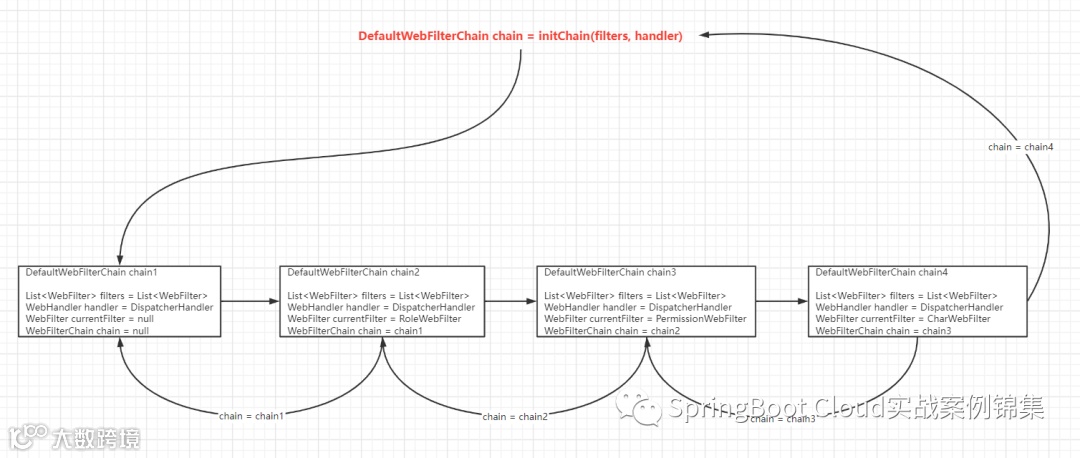
public class ExceptionHandlingWebHandler extends WebHandlerDecorator {private final List<WebExceptionHandler> exceptionHandlers;public Mono<Void> handle(ServerWebExchange exchange) {Mono<Void> completion;try {completion = super.handle(exchange);} catch (Throwable ex) {completion = Mono.error(ex);}for (WebExceptionHandler handler : this.exceptionHandlers) {completion = completion.onErrorResume(ex -> handler.handle(exchange, ex));}return completion;}}public class WebHandlerDecorator implements WebHandler {// 通过在上面的build知道该deletgate = FilteringWebHandlerprivate final WebHandler delegate;public Mono<Void> handle(ServerWebExchange exchange) {return this.delegate.handle(exchange);}}public class FilteringWebHandler extends WebHandlerDecorator {private final DefaultWebFilterChain chain;public FilteringWebHandler(WebHandler handler, List<WebFilter> filters) {// 这个handler = DispatcherHandler对象super(handler);this.chain = new DefaultWebFilterChain(handler, filters);}public Mono<Void> handle(ServerWebExchange exchange) {// 执行所有的过滤器return this.chain.filter(exchange);}}public class DefaultWebFilterChain implements WebFilterChain {private final List<WebFilter> allFilters;private final WebFilter currentFilter;// handler = DispatcherHandlerprivate final WebHandler handler;public DefaultWebFilterChain(WebHandler handler, List<WebFilter> filters) {Assert.notNull(handler, "WebHandler is required");this.allFilters = Collections.unmodifiableList(filters);this.handler = handler;// 这里就是为了让所有的WebFilter串联起来,按照顺序执行DefaultWebFilterChain chain = initChain(filters, handler);this.currentFilter = chain.currentFilter;this.chain = chain.chain;}private static DefaultWebFilterChain initChain(List<WebFilter> filters, WebHandler handler) {// 这里就相当于是最后执行的一个Chain了,因为第三个参数(currentFilter) = null// 在羡慕的filter方法中执行的时候判断了currentFilter如果为空就执行DispatcherHandler#handle方法// 这里大致的流程如下:DefaultWebFilterChain chain = new DefaultWebFilterChain(filters, handler, null, null);ListIterator<? extends WebFilter> iterator = filters.listIterator(filters.size());while (iterator.hasPrevious()) {chain = new DefaultWebFilterChain(filters, handler, iterator.previous(), chain);}return chain;}public Mono<Void> filter(ServerWebExchange exchange) {return Mono.defer(() ->this.currentFilter != null && this.chain != null ?invokeFilter(this.currentFilter, this.chain, exchange) :// 当过滤器都执行完了以后会执行DispatcherHandler调用this.handler.handle(exchange));}private Mono<Void> invokeFilter(WebFilter current, DefaultWebFilterChain chain, ServerWebExchange exchange) {String currentName = current.getClass().getName();return current.filter(exchange, chain).checkpoint(currentName + " [DefaultWebFilterChain]");}}
Webfilter: 1, 2, 3 三个WebFilter。
初始的chain:DefaultWebFilterChain chain = new DefaultWebFilterChain(filters, handler, null, null);
3:chain = DefaultWebFilterChain(filters,handler, 3,chain) ;
2: chain = DefaultWebFilterChain(filters,handler, 2,chain<3>) ;
1: chain = DefaultWebFilterChain(filters,handler, 1,chain<2>) ;
这样3个过滤器就串联在一起了。
WebFilter#filter实现:public Mono<Void> filter(ServerWebExchange exchange, WebFilterChain chain) { System.out.println("DemoFilter...") ; return chain.filter(exchange) ; } // 过滤器链执行过程:1:chain.filter(exchange) ; => currentFilter.filter(exchange, chain) ;(执行的是当前WebFilter) 执行chain#filter,根据上面此时的chain = chain<2> 2: 依次类推。
3 DispatcherHandler执行
public class DispatcherHandler implements WebHandler {public Mono<Void> handle(ServerWebExchange exchange) {if (this.handlerMappings == null) {return createNotFoundError();}if (CorsUtils.isPreFlightRequest(exchange.getRequest())) {return handlePreFlight(exchange);}return Flux.fromIterable(this.handlerMappings).concatMap(mapping -> mapping.getHandler(exchange)).next().switchIfEmpty(createNotFoundError()).flatMap(handler -> invokeHandler(exchange, handler)).flatMap(result -> handleResult(exchange, result));}}
其实接下来的过程就和Spring WebMVC的执行大致相同。
查找HandlerMapping
查找HandlerAdapter
查找HandlerResultHandler
通过HandlerAdapter调用处理程序的返回值被包装为HandlerResult,并传递给声称支持它的第一个HandlerResultHandler。下表显示了可用的HandlerResultHandler实现,所有这些实现都在WebFlux配置中声明:
Result Handler Type |
Return Values |
Default Order |
ResponseEntityResultHandler |
ResponseEntity, typically from @Controller instances. |
0 |
ServerResponseResultHandler |
ServerResponse, typically from functional endpoints. |
0 |
ResponseBodyResultHandler |
Handle return values from @ResponseBody methods or @RestController classes. |
100 |
ViewResolutionResultHandler |
CharSequence, View, Model, Map, Rendering, or any other Object is treated as a model attribute.See also View Resolution. |
Integer.MAX_VALUE |
4 流程处理