




21世纪经济报道专访阿美亚洲总裁:期待扩大在华投资规模,重点布局三大领域
文章来源:21世纪经济报道
记者:郑青亭
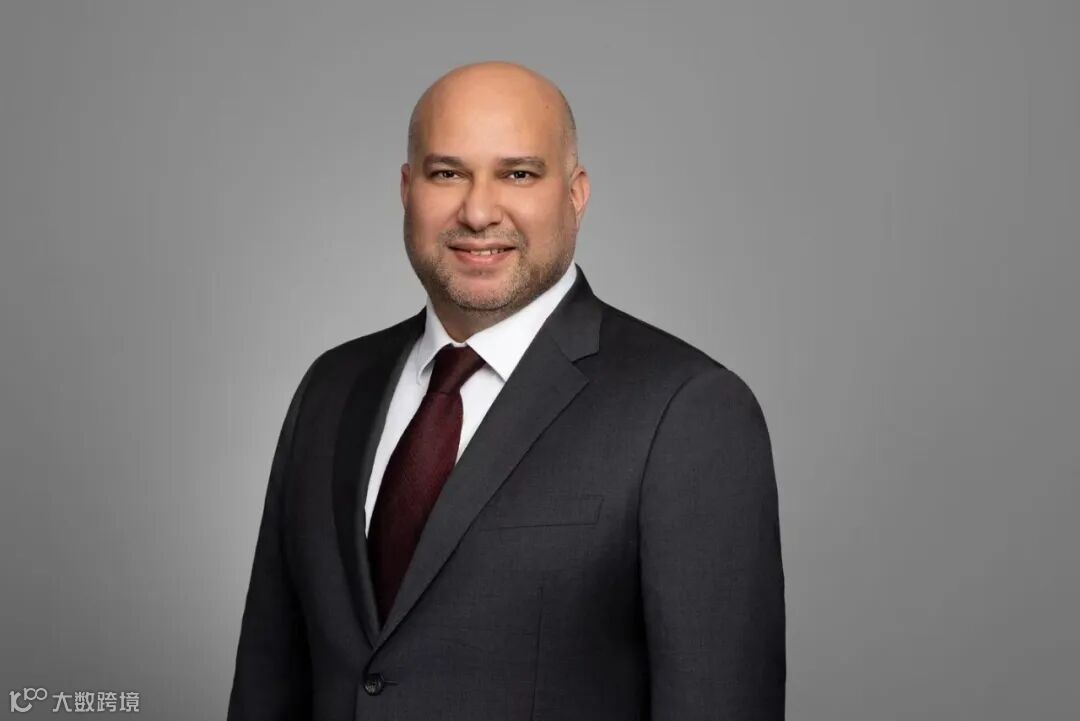
阿美亚洲总裁赛乐·扎伊德(Saleh Y. Al Zaid)
近日,阿美亚洲总裁赛乐·扎伊德(Saleh Y. Al Zaid)在接受21世纪经济报道独家书面专访时表示,沙特阿美在中国市场的投资已超过2400亿元人民币,其中沙特阿美出资逾900亿元,公司期待继续扩大在华投资规模,并聚焦先进石化、新能源与低碳技术、先进材料三大重点领域,以践行其“未来50年甚至更久”的长期承诺。
扎伊德在今年9月荣获2025年度中国政府友谊奖。这是中国政府授予为中国经济和社会发展作出突出贡献的外国专家的最高国家荣誉。他在采访中谈到,这份荣誉不仅是对其个人工作的认可,更是对沙特阿美与中国多年来深度合作与战略协同的肯定。“在中沙关系全面深化的关键阶段,这一奖项具有特殊意义。”他表示。
近年来,沙特阿美不断加强在华炼化布局,通过入股和合作项目在中国石化领域大规模投资。扎伊德表示,通过投资炼化一体化项目,沙特阿美与中方伙伴实现了优势互补。沙特阿美在合作中充分发挥其在能源供应、全产业链整合与低碳技术方面的优势,不仅助力中国提升能源安全水平,也推动其在经济发展与气候目标之间实现平衡,构建起真正意义上的互利共赢模式。
自2012年在北京设立亚洲总部以来,沙特阿美已在中国多个区域推进实施涵盖能源、化工与前沿技术等多个领域的重大项目。扎伊德强调,未来三年,公司将重点聚焦三大方向:先进石化产业——如福建中阿炼化一体化项目;新能源与低碳解决方案——包括氢能、碳捕集与利用等;以及以科技为驱动的产业创新与先进材料。
截至目前,沙特阿美在中国共设立9家合资企业,并设立了规模约550亿元的风险投资基金,已完成对多家中国初创企业的投资。扎伊德高度评价中国的创新生态,认为中国在政策引导、市场规模、人才储备及技术产业化能力方面具备显著优势,与沙特阿美推动创新和可持续发展的企业战略高度契合。
沙特阿美是沙特阿拉伯国家石油公司,为全球最大石油生产商之一,业务覆盖油气全产业链。在2025年《财富》世界500强中位列第四,营业收入约4801.9亿美元,旗下管理包括全球最大陆上油田加瓦尔油田及最大海上油田萨法尼亚油田。
“
01
下游领域的合作持续深化
《21世纪》 :获得中国政府友谊奖,对你个人和沙特阿美而言具有怎样的特殊意义?这一荣誉如何体现公司在华角色,尤其是在当前中沙关系全面深化的背景下?
扎伊德:中国政府友谊奖是中国授予外籍专家的最高荣誉,此次获奖令我深感荣幸。这不仅是对我个人的肯定,更是对沙特阿美与中国长期紧密合作的认可。在中沙关系全面深化的关键时期,这份荣誉具有特殊意义,彰显了我们在战略投资、产业协同及社区参与等多维度日益提升的影响力。
对沙特阿美而言,该奖项印证了我们自1991年向中国出口首船原油以来,始终秉持的长期承诺——我们不仅是稳定的能源供应者,更是深度融入中国发展的合作伙伴。它体现了中国市场对我们助力能源安全、推动产业创新、支持可持续发展等方面贡献的认可,也强化了我们“投资中国、信任中国”的战略信念。
随着中沙合作迈向新高度,我们在高附加值下游领域的合作持续深化。例如,新近成立的福建中阿炼油化工有限公司,正着手建设大型炼化一体化项目,正是这一战略的有力体现。展望未来,正如公司首席执行官阿敏·纳瑟尔所言,我们对中国的承诺是长期而坚定的——不止未来5年,而是未来50年甚至更久。我们将继续携手中国伙伴,共筑安全韧性的产业链,推动低碳创新,促进民间友好。这份奖项,既是对过往的肯定,更是对未来的共同承诺。
“
02
在华投资超2400亿元
五大领域布局未来
《21世纪》 :沙特阿美自2012年设立亚洲总部以来,在华投资已形成相当规模。能否总结一下公司在华核心布局?中国在贵公司全球战略中处于什么位置?
扎伊德:目前沙特阿美在华投资总额已超过2400亿元人民币,其中我方出资逾900亿元。我们正持续关注并拓展多个潜力领域,期待进一步扩大投资规模。我们认为在如下五个关键领域与本地合作伙伴开展投资与合作,有望为双方带来巨大发展机遇:
• 化学品:中国已成为该产业的重要力量,占全球化学品销量的40%;我们也在该领域建立了强大的市场地位,目标在2030年前实现日均400万桶的化工原料转化能力。
• 先进材料:为应对低碳材料需求的快速增长,我们已在北京设立非金属材料创新中心,致力于研发低排放的新型复合材料,拓展其在建筑等领域的应用。
• 减排技术:我们认同中国在能源转型中务实审慎的路径,愿共同开发先进的温室气体减排技术,打造具有全球影响力的新产业价值链。
• 低碳能源:聚焦太阳能、风能、氢能及合成燃料,我们期待结合中国在可再生能源和关键材料方面的优势,共同推进清洁能源发展。
• 科技创新与风险投资:我们高度重视数字技术及工业4.0创新,已将风险投资基金规模扩大一倍以上,重点投向产业创新、颠覆性技术及可持续发展领域。
“
03
聚焦三大方向
高标准遴选合作项目
《21世纪》 :沙特阿美在华已设立九家合资企业。未来三年,公司计划优先拓展哪些领域?选择新合作项目时,主要考量哪些因素?
扎伊德:未来,我们将继续围绕与中国国家战略及沙特“2030愿景”相契合的领域深化布局,重点聚焦三大方向:
•先进石化产业:顺应中国市场对高性能材料的需求,我们正积极投资建设大型炼化一体化项目。例如,新合资企业福建中阿炼化将建设并运营一座炼油石化一体化设施,主要包括1600万吨/年(32万桶/日)炼油装置、150万吨/年乙烯装置、200万吨/年对二甲苯装置和下游衍生物生产装置,以及一个30万吨级原油码头。
• 新能源与低碳解决方案:优先布局氢能、碳捕集与封存及循环经济技术,支持中国实现“双碳”目标和推动能源转型。
•产业创新与先进材料:关注航空航天、汽车及清洁能源所需的先进材料,持续推动非金属材料创新中心的研发,积极探索与中国建筑材料科学研究总院等机构的合作。
中国已成为全球石化产品第一大消费国和最大生产国地位,其市场需求量约占全球总量的一半。同时,中国也正日益发展成为整个化工行业价值链的重要枢纽。我们正积极在中国寻求高质量的一体化炼油化工项目机会,重点考量包括经济适配性、可行性、项目规模、可靠性、合作伙伴能力等关键指标,尤其关注原油转化率高、原料投放量大的优质资产。
“
04
中国创新生态的活力与
独特性令人瞩目
《21世纪》 :沙特阿美设立了约550亿元(约合75亿美元)的风险投资基金,并已投资多家中国初创企业。该基金的战略意图是什么?你如何评价中国当前创新生态的活力与独特性?
扎伊德:我们设立风险投资基金,旨在支持具有雄心的创新者将前沿理念转化为切实解决方案,以创新应对能源转型等全球挑战。该基金致力于投资能源以外的颠覆性技术,以及可持续与数字化领域的成长期项目,通过构建多元化科技组合,助力沙特阿美实现业务多元与竞争力提升。
沙特阿美正在积极推进多项新兴解决方案,致力于提升业务的可持续性。这些重点探索的方向包括:石油化工业务;在捕集并封存相关排放的同时,通过油气资源制取氢能;拓展非金属材料的应用场景;加快碳捕集与封存技术的大规模部署;通过更高效的发动机和低碳燃料推动可持续交通发展;加快推进以技术为基础的碳抵消解决方案,例如直接空气捕集技术。
中国创新生态的活力与独特性令人瞩目。构建现代化产业体系等战略举措以及对高质量发展的高度重视,为创新提供了清晰的政策框架。中国广阔的国内市场为新技术的快速规模化和商业化提供了有力支撑——中国拥有全球最大的电动汽车产量(约占70%),并主导全球光伏组件和锂电池制造(分别约占80%和70%的产能)。同时,深厚的科技与工程人才积淀也是推动中国技术持续进步的关键动力。
中国最具特色的优势之一,是其能够迅速将创新成果嵌入产业供应链体系。沙特阿美在自身战略中也秉持类似理念。我们重视与中国顶尖机构的合作,希望通过构建韧性供应链、加快技术商业化,共同推动产业转型。
“
05
以长期伙伴角色
助力中国低碳转型
《21世纪》 :沙特阿美近年来积极投资中国炼化一体化项目。双方在哪些方面实现了优势互补?这些合作如何实现互利共赢?
扎伊德:沙特阿美炼油与化工制造资产的一体化布局,为进一步释放附加价值提供了重要机遇,也推动公司持续优化产品组合结构,实现燃料与化学品产量的更合理平衡。
首先,中国日益增长的能源需求表明,建设坚强韧性的能源体系是一项战略需求。作为全球领先的原油供应商,我们凭借每日1200万桶的最大可持续产能,为增强中国能源供应的韧性与灵活性创造有利条件。
其次,我们希望通过与中国合作伙伴携手,在全国范围内构建一个大型的一体化下游业务体系,涵盖油气供应、炼化、销售及润滑油等多个关键环节,以实际行动投资中国未来的经济增长。
再次,我们是上游碳强度最低的能源公司之一,并致力于2050年实现运营净零排放。通过布局CCUS、氢能、直接空气捕获(DAC)等技术,我们愿长期为中国提供低碳强度能源。
合资企业不仅深化了我们与中国伙伴的纽带,也开辟了新机遇,推动下游目标实现,强化中沙能源石化合作,并为未来技术开发注入动能。简言之,沙特阿美作为长期伙伴,可同时支持中国实现能源安全、经济发展与气候目标。
“
06
以技术与规模优势
与中国共建低碳未来
《21世纪》 :中国近期公布了2035年量化减排目标。沙特阿美将如何以自身资源与技术,支持中国实现高质量发展与“双碳”目标?
扎伊德:我们深知气候变化挑战的严峻性和紧迫性,致力于在2050年前实现公司全资运营资产范围一和范围二温室气体净零排放,并推动低碳能源解决方案的开发。这一目标与沙特力争在2060年前实现净零排放的国家愿景高度契合。
为巩固我们的行业最低碳强度并助力中国实现减排目标,我们正在采取五大举措:
• 能效提升:沙特阿美拥有规模化的热电联产设施,2023年供电5.3 吉瓦,能效显著高于传统发电模式。
• 甲烷与火炬近零排放:我们的甲烷强度仅为0.05%,远优于行业目标(到2025年为0.2%),并且常规运行火炬燃烧接近于零;通过火炬气回收系统,将排放气转化为商用天然气。
• 可再生能源:我们积极参与沙特总容量12吉瓦的太阳能与风能计划。
• 碳捕集与封存:我们计划于2027年建成全球碳捕集与封存中心,年处理能力达900万吨二氧化碳当量。
• 碳抵消与生态建设:我们已种植2400万棵红树林,计划至2035年扩至3亿棵,并通过区域自愿碳市场采购高质量碳信用。


Aramco vows to expand investment in China, eyeing three strategic sectors
21st Century Business Herald Exclusive written interview with Aramco Asia President
Reporter: Zheng Qingting
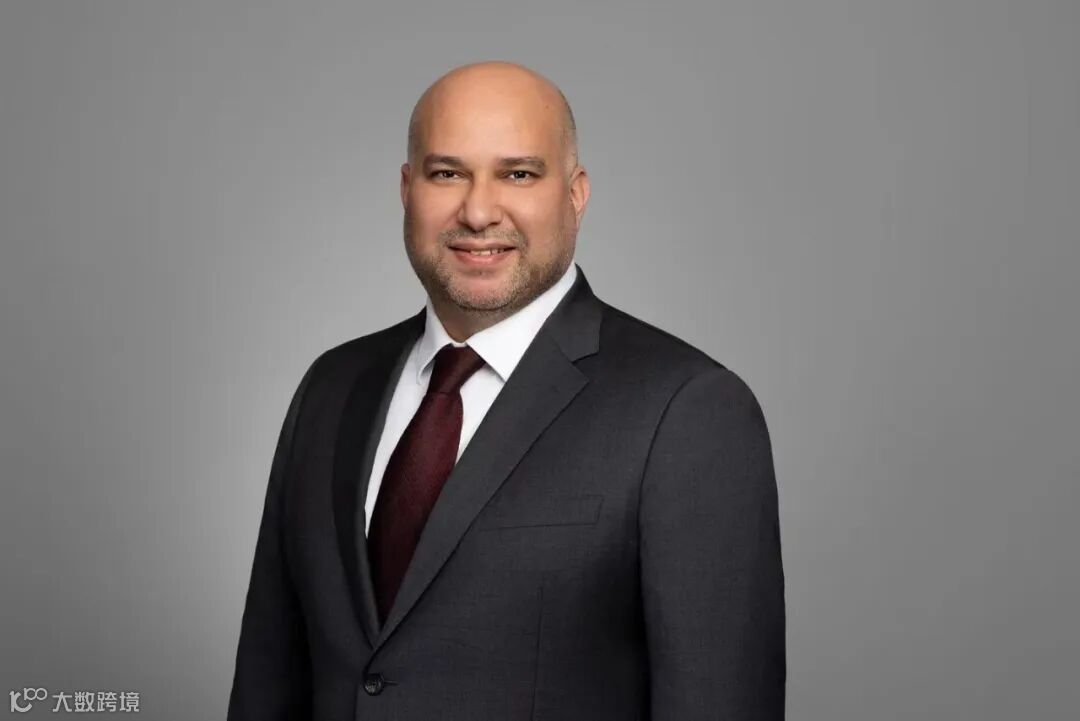
Aramco Asia President Saleh Y. Al Zaid
In a recent written interview with 21st Century Business Herald, Saleh Y. Al Zaid, President of Aramco Asia, revealed that the company is currently investing in projects in China that have a collective and total value of over 240 billion yuan, with Aramco’s share at over 90 billion yuan.
He emphasized that Aramco planned to further expand its investment footprint in China, mainly focusing on three priority areas: advanced petrochemicals, new energy and low-carbon technologies, and advanced materials, underscoring its long-term commitment “for the next 50 years and beyond.”
In September this year, Al Zaid won the 2025 Chinese Government Friendship Award, the highest national honor for international experts who have made outstanding contributions to China’s economic and social development.
He noted that the award not only recognized his efforts but also affirmed the deep cooperation and strategic alignment between Aramco and Chinese partners over the years. “The award comes at a critical time as China-Saudi relations have entered a period of fast and positive growth,” he said.
In recent years, Aramco has strengthened its refining and petrochemical presence in China through equity stakes and joint ventures, making large-scale investments in the petrochemical sector.
Al Zaid noted that integrated refining and petrochemical projects allowed Aramco and its Chinese partners to harness complementary strengths. By leveraging its expertise in energy supply, value chain integration, and low-carbon technologies, Aramco supported China in enhancing energy security while striking a balance between economic growth and climate objectives.
Since establishing its Asia headquarters in Beijing in 2012, Aramco has advanced major projects across multiple regions in China, spanning energy, chemicals, and cutting-edge technologies.
Looking ahead, Al Zaid stressed that the company will focus on three key areas over the next three years: advanced petrochemical industries, such as the Fujian integrated refining and petrochemical project; new energy and low-carbon solutions, including hydrogen and carbon capture, utilization and storage (CCUS); and technology-driven industrial innovation and advanced materials.
To date, Aramco has set up nine joint ventures in China and launched a venture capital fund worth approximately 55 billion yuan, investing in several Chinese start-ups. Al Zaid praised China’s innovation ecosystem, citing its strengths in policy support, market scale, talent pool, and technology commercialization, attributes that align closely with Aramco’s corporate strategy to drive innovation and sustainability.
Aramco, the national oil company of Saudi Arabia, is among the world’s largest oil producers, with operations spanning the entire oil and gas value chain. Ranked fourth on the 2025 Fortune Global 500 list, the company reported revenues of about $480.19 billion and manages assets including the world’s largest onshore oil field, Ghawar, and the largest offshore oil field, Safaniya.
“
01
What personal significance does receiving the Chinese Government Friendship Award hold for you, and what does it represent for Aramco as a company? In your view, how does this honor reflect Aramco’s contribution to China’s economic and social development, particularly in the context of the growing China-Saudi Arabia relations?
This award represents the highest national recognition conferred by the Chinese government to international experts who have made outstanding contributions to China’s economic and social development.
Winning the award underscores Aramco’s deepening presence in China through strategic investments, industrial cooperation, and community engagement. The award comes at a critical time as China-Saudi relations have entered a period of fast and positive growth.
For Aramco as a company, this honor carries extraordinary significance that it validates our long-standing strategic commitment to China’s development. Since our first crude oil shipment to China in 1991, we have strived to be more than an energy supplier. We sought to be a deeply rooted partner.
The award reflects the recognition of our role in enhancing energy security, driving industrial innovation, and supporting sustainable growth. This honor also underscores our "Invest in China, Trust in China" strategy is not just a slogan, but a mission we deliver on daily.
This recognition also vividly mirrors our contributions to China’s economic and social development. As China and Saudi Arabia elevate cooperation to new heights, we are deepening collaboration in high-value downstream sectors as seen in the recent establishment of a new joint venture, Fujian Sinopec Aramco Refining and Petrochemical Co., Ltd., to develop a large-scale integrated refining and petrochemical complex in Fujian province, China.
Looking ahead, this award will only strengthen our resolve. As Aramco’s CEO Amin Nasser noted, our commitment to China extends "not just for the next 50 years, but far beyond”. We will continue to stand with China in safeguarding industrial supply chains, innovating for a low-carbon future, and nurturing the friendship between our two peoples — proving that this award is not just a recognition of the past, but a promise for the future.
“
02
Since establishing its Asia headquarters in Beijing in 2012, Aramco has significantly expanded its footprint in China. Could you outline the core focus and key sectors of Aramco’s investment strategy in China? What role does China play in Aramco’s global energy strategy?
Aramco is currently investing in projects in China that have a collective and total value over 240 billion yuan (US$34bn), with Aramco’s share at over 90 billion yuan (US$13bn). And we hope to expand this as we see a number of opportunities that offer great potential.
We see five key areas where win-win investment and cooperation are expected to be enormous, through our consistently working with our Chinese partners.
First, chemicals. China is already a powerhouse representing 40% of global sales, and Aramco has developed a formidable position as well. We plan to increase liquid-to-chemicals throughput to four million barrels per day by 2030.
Second, demand for lower greenhouse gas emissions materials – especially advanced composites and non-metallics in general – is growing rapidly. Our NEXCEL center of excellence for non-metallic technologies is right here in Beijing. NEXCEL carries outstanding research on less greenhouse gas intensive materials to complement more intensive conventional materials, especially in construction and buildings.
Third, we agree with China’s pragmatic and prudent approach to energy transition. There are wide-ranging opportunities to jointly develop advanced GHG emission reduction technologies. This would help to protect the environment and create new industrial value chains with global impact.
Fourth, lower carbon energy is clearly an area of global importance, including the climate ambitions of both our nations. China has distinct strengths in renewables and critical materials, while Aramco and Saudi Arabia have a clear interest in solar, wind, hydrogen, and electro fuels.
The fifth area covers multiple domains. We both have major ambitions in digital technologies, and Fourth Industrial Revolution (4IR) technologies in general. Another strategic area for collaboration is venture capital. We have more than doubled the funding for our venture capital arm, with a focus on industrial innovation, disruptive technologies, and sustainability.
“
03
Aramco currently has nine joint ventures in China. Looking ahead over the next three years, which industries or emerging sectors does the company plan to prioritize for expansion? What are the most important criteria you consider when evaluating new partnership opportunities?
Aramco’s strategic roadmap for China over the next three years is anchored in deepening its presence across high-impact sectors that align with both China’s national development priorities and Saudi Arabia’s Vision 2030. As we move forward, our focus will be on three core areas: advanced petrochemicals, low-carbon energy solutions, and technology-driven industrial innovation.
First, petrochemicals remain a cornerstone of our downstream expansion. With China’s demand for high-performance materials, such as synthetic fibers, engineering plastics, and specialty chemicals, expected to surge, we are actively investing in integrated refining and petrochemical complexes.
The recently announced Fujian Sinopec Aramco Refining and Petrochemical Co., Ltd. The joint venture will oversee construction and operation of an integrated refining and petrochemical complex that will include a 16 million tons-per-year crude oil refining unit (equivalent to 320,000 barrels per day); a 1.5 million tons-per-year ethylene unit; a paraxylene and downstream derivatives capacity of 2 million tons-per-year; and a 300,000 tons capacity crude oil terminal.
Second, we are prioritizing low-carbon and renewable energy technologies, including hydrogen, carbon capture and storage (CCS), and circular economy solutions. These areas are critical to supporting China’s dual carbon goals and energy transition.
Third, we see significant potential in advanced materials, particularly those supporting China’s strategic sectors such as aerospace, automotive, and clean energy. We are exploring partnerships with entities like China Building Materials Academy (CBMA) to explore new opportunities in advanced materials and industrial development.
China is already the world’s largest consumer and producer of petrochemicals, accounting for nearly half of global demand. And it is becoming a major hub for the entire chemicals industry value chain.
We are proactively exploring high-quality integrated refining and petrochemical opportunities in China based on economic fitness, feasibility, project scale, reliability, capability of the partners and other strategic fitness metrics that were identified by Aramco. We are mainly targeting high liquid-to-chemical conversion assets with high crude placement.
“
04
Aramco has launched a venture capital fund of approximately 55 billion RMB and invested in several Chinese startups. What was the strategic motivation behind establishing this fund? How are these investments progressing, and how would you characterize the vitality and distinctive strengths of China’s innovation ecosystem?
Innovation is key to addressing some of the fundamental challenges facing the world today, including the energy transition. Through Aramco Ventures, we aim to support pioneers with big ambitions and ultimately help bring their ideas to life.
The venture fund continues to invest in disruptive technologies outside the energy sector and late-stage larger-ticket ventures in the sustainability and digital domains in an effort to build a portfolio of start-up companies and minority equity holdings in significant high-growth technology companies to support Aramco’s diversification and competitiveness.
We intend to provide the financial backing required to take game-changing solutions to the next level. Examples of the new solutions that Aramco believes could positively impact on its business sustainability, and which are being actively pursued, include:
• Directly converting liquids to chemicals.
• Producing hydrogen from hydrocarbons while capturing and storing associated emissions.
• Expanding nonmetallic applications.
• Accelerating large-scale deployment of carbon capture and storage.
• Enabling sustainable transport through more efficient engines and lower-carbon fuels; accelerating technology-based offsetting solutions, such as direct air capture.
Strategic initiatives such as “Made in China 2025” and the emphasis on high-quality development provide a clear framework for innovation.
China’s vast domestic market enables rapid scaling and commercialization of new technologies. China is already home to most of the world’s manufacturing capacity for both solar photovoltaic cells and lithium-ion batteries – at around 80% and 70%, respectively. Roughly seven out of every 10 electric vehicles sold globally today are now manufactured here.
One of China’s most distinctive strengths lies in its ability to swiftly embed innovations into industrial supply chains. Aramco echoes this approach in its own strategy by “building more resilient local supply and value chains by nurturing commercial ecosystems,” as outlined in its official innovation ecosystem framework. This integration accelerates the commercialization of new technologies and enhances the agility of industrial transformation.
“
05
In recent years, Aramco has actively invested in integrated refining and chemical projects across China. From your perspective, in which areas do Aramco and Chinese refining and chemical enterprises complement each other? How does this collaboration foster mutual benefit and create win-win outcomes?
The integration of Aramco’s refining and chemicals manufacturing assets provides an opportunity to capture additional value and continue the shift of its product portfolio to improve the balance of fuels and chemicals production.
First, China’s rising energy needs and the challenging environment underline the strategic case for a more resilient energy system. Stronger ties with the world’s largest oil exporter would enhance China’s energy security, as we maintain our Maximum Sustainable Capacity (MSC) at 12 million barrels per day (MMBD) to provide increased flexibility, as well as an opportunity to focus on increasing gas production and growing our liquids-to-chemicals business.
Second, we aspire to invest in China’s future economic growth by building a large, integrated downstream business across the country with our Chinese partners. Everything from reliable supplies of oil and natural gas liquids to refining, marketing, petrochemicals, and lubricants.
Third, Aramco already has one of the lowest upstream footprints in the world. And, fueled by our well-known net-zero ambitions, we are dedicated to being one of China’s lowest carbon intensity suppliers of energy far into the future, leveraging ever more advanced technologies like carbon capture, utilization, and storage; hydrogen; and Direct Air Capture technology, while adopting the circular carbon economy framework.
Moreover, they also unlock new opportunities in this crucial market and advance our downstream objectives, contribute to both China’s and Saudi Arabia’s vibrant energy and petrochemicals sectors, and help develop future technology solutions.
In other words, a long-term partnership with Aramco would help China meet its energy security, economic development, and climate change mitigation goals simultaneously.
“
06
China recently announced its quantified emission reduction targets for 2035. What strategic initiatives is Aramco pursuing to promote the integrated development of traditional energy and low-carbon technologies? How will the company leverage its resources and expertise to support China’s high-quality development and its “Dual Carbon” goals?
We recognize the scale and urgency of the climate challenge. We are leveraging our operational strengths and our business portfolio to play our part in the energy transition, underpinned by our ambition to achieve net-zero Scope 1 and Scope 2 greenhouse gas emissions across our wholly owned operated assets by 2050 and our development of lower-carbon energy solutions. This aligns with the Saudi Arabia’s aim to reach net-zero emissions by 2060.
To achieve meaningful reductions in greenhouse gas (GHG) emissions by 2035, we are focusing on five strategic levers across our upstream and downstream operations: enhanced energy efficiency, further reductions in methane emissions and flaring, increased integration of renewable energy, large-scale carbon capture and storage (CCS), and the development or acquisition of high-quality carbon offsets to address hard-to-abate emissions.
One notable example of our energy efficiency efforts is the deployment of large-scale cogeneration facilities, which delivered 5.3 gigawatts of utility-scale power in 2023. These systems are significantly more efficient than conventional power and steam generation technologies.
In terms of methane and flaring reduction, Aramco remains among the industry’s best performers, maintaining a methane intensity of just 0.05%, which is well below the Oil and Gas Climate Initiative’s 2025 target of 0.2%. Routine flaring has been nearly eliminated, with captured flare gas redirected into the Master Gas System, which was established in 1975, to produce sales gas for power generation and industrial use.
On the renewables front, Aramco is contributing to Saudi Arabia’s national target of 12 gigawatts of solar and wind capacity, supporting the Kingdom’s broader energy transition.
In CCS, we are advancing the development of one of the world’s largest carbon capture hubs, with a planned capacity of 9 million metric tons of carbon dioxide equivalent per year by 2027, in collaboration with global partners.
The fifth and complementary lever is carbon offsets. Aramco has already planted 24 million mangrove trees and plans to increase this to 300 million by 2035. These efforts are supported by the purchase of high-quality offsets through the newly established regional voluntary carbon market in Saudi Arabia.


点击“阅读原文”,浏览我们的官方网站。
Click "Read More" to visit our official website.