

张晓娜的老家在河北一个偏远的村庄,她的爷爷经常因天气寒冷、空气污染、和当地使用秸秆燃料过多等原因犯老年性慢性支气管炎(老慢支),最严重的时候还住进了院。在当地,老慢支这样的呼吸系统疾病被认为是一种老年病,无从治疗。
晓娜是张家第一个大学生,毕业于黑龙江中医药大学,并曾在浙江从事过医药研发工作。 她于2006年加入GSK,通过从事呼吸产品医药代表工作,晓娜对呼吸系统疾病有了更深入的了解。
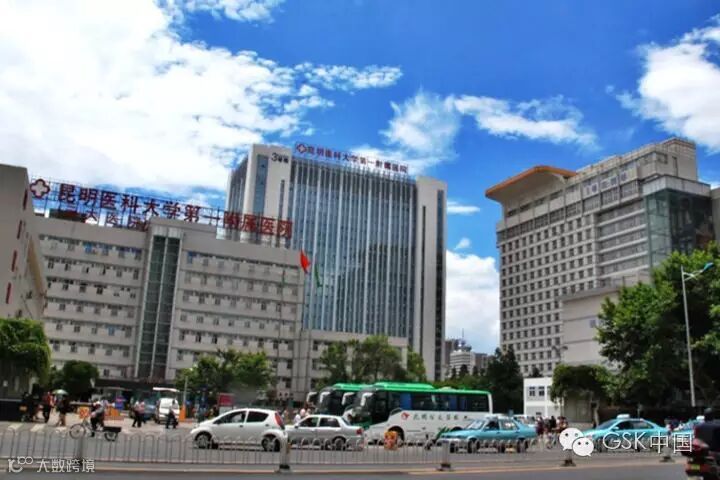
“10年前我就开始负责昆明医科大学第一附属医院了。那个时候还没有现在这幢现代化的大楼,呼吸系统疾病最早的时候也只有一个科室。为了拜访方便,我当时就租住在医院旁边,每天可以步行或坐公车两站路到达医院。”晓娜回忆。
云南是烟草大省,当地很多人还喜欢吸水烟,因吸烟导致的呼吸系统疾病非常之多。在云南的工作让晓娜学到了很多,她知道爷爷的病更准确地说叫慢性阻塞性肺病(慢阻肺)。
最令她感到欣慰的是她帮助过自己的爷爷。晓娜的爷爷曾经常跟村里的邻居提起这个令他骄傲的孙女。晓娜的奶奶曾对她说:“如果不是因为你的知识和支持,爷爷也许会像村里很多老人一样,患病一两年就离开了。”
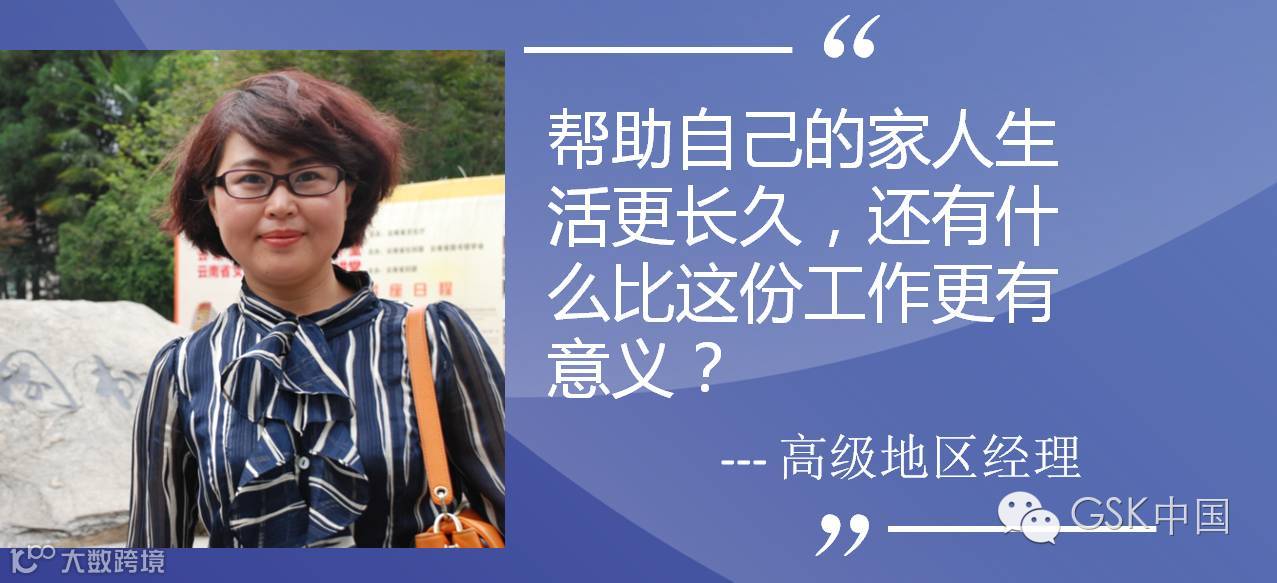
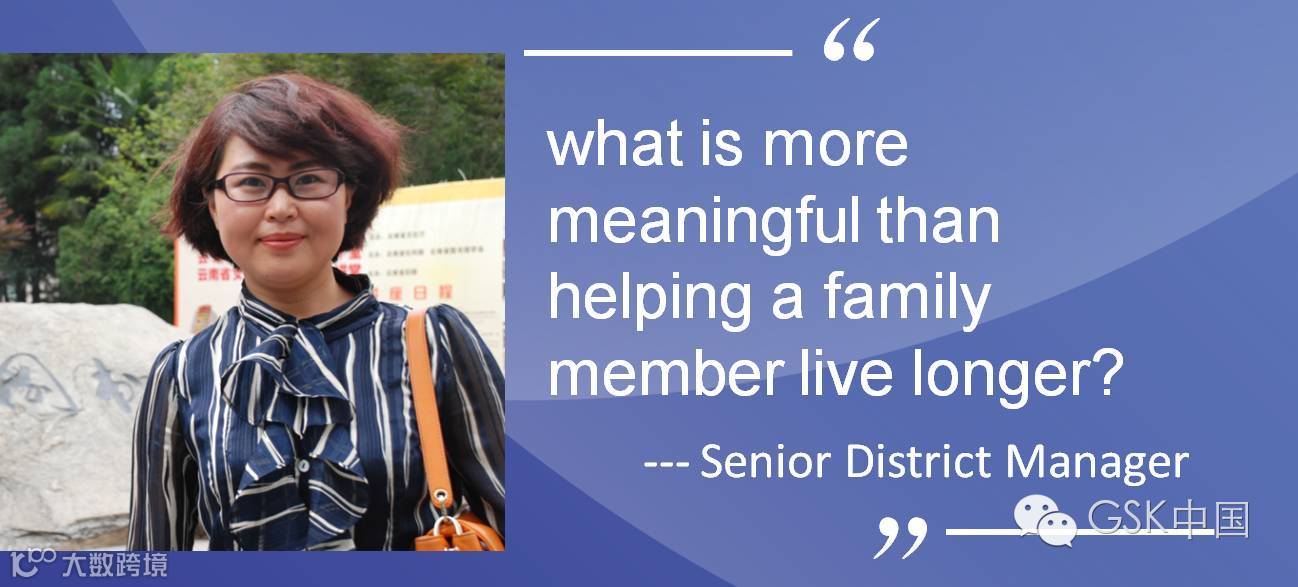
“我怎样都不会忘记奶奶的话。”晓娜说。“帮助自己的家人生活更长久,还有什么比这份工作更有意义?”
正是家人的认可与信任,让晓娜在过去近十年间一直坚守着自己的岗位,即使在最困难的时期也依旧如此。“其实不仅是我,我的同事以及认识的医生们都没有因为GSK内外环境的变化而动摇。”晓娜说。“我在昆明所负责的大部分医院也一直没有停止使用我们的产品,原因非常简单,那就是这些药真正在帮助病人。”
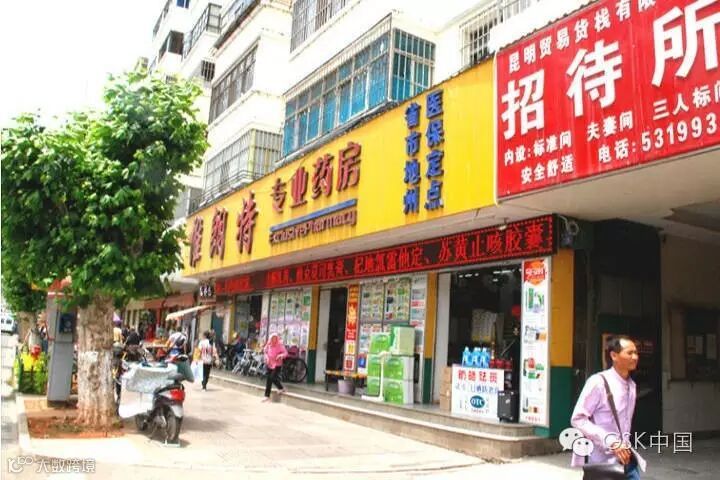
在医院附近,有很多像照片中这类传统药房。
2015年GSK启动的新运营模式增强了晓娜对公司的信心。这些变化反映了GSK和医疗保健专业人士的共同目标,既改善患者的健康和生活质量。例如,医药代表的个人奖励不再基于处方数量,而是他们为医生传递可靠的信息和帮助医疗保健专业人士做出适当治疗决策的能力。除此之外,GSK还改进了员工与医疗保健专业人士之间分享产品信息的方式。
新运营模式中,现代化科技的运用让晓娜这些医药代表们有机会覆盖到更广阔的地区、改变更多人的生活。晓娜和她的团队现在能够支持曲靖、大理、腾冲这些以前不方便拜访的云南偏远地区,那里的病人对治疗的需求也非常迫切。
如今,晓娜不仅是一对双胞胎儿子的妈妈,她也已经从一名医药代表一步步成长为一位高级地区经理。回顾在GSK的职业历程,通过帮助医疗保健专业人士了解更多治疗高度盛行的呼吸系统疾病的选择,从而帮助到患者,晓娜对自己在其中所扮演的角色感到非常自豪。这份成就感,大概只有她帮助到自己最亲的爷爷所带来的喜悦才能相之媲美吧!
Changing for China: A story from Xiaona a District Sales Manager at GSK
Xiaona Zhang’s grandfather suffered from chronic bronchitis. The cold weather and air pollution were two contributing factors. Breathing in emissions due to straw burning for fuel didn't help either. At its worst, the condition affecting Xiaona’s grandfather caused him to be hospitalised. In a remote village of Hebei, where Xiaona and her grandfather are from, chronic bronchitis is considered a disease of old age and is not typically treated.
Xiaona, who was the first in her family to go to university, graduated from Heilongjiang University of Chinese Medicine and also worked in pharmaceutical R&D in Zhejiang. She joined GSK in 2006 and she was able to gain a better understanding of respiratory disease through her work as a pharma representative for respiratory products.
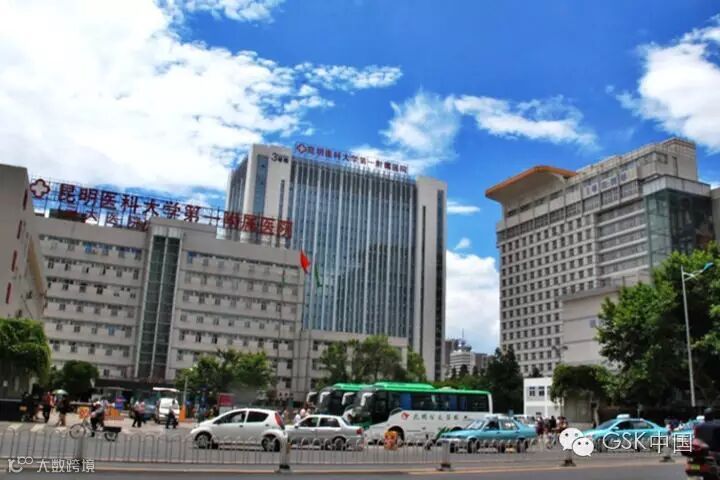
"Ten years ago, I became responsible for the First Affiliated Hospital of Kunming Medical College. The tall, modern building that stands today did not exist at that time and there was only one department(office or room) for respiratory diseases in those early days. I rented an apartment within walking distance, or two bus stops away, from the hospital to make it convenient for visits. " Xiaona Zhang remembers.
It was then that she realised that her grandfather was living with chronic obstructive pulmonary disease (COPD). She had learnt a lot through her work in Yunnan, a major tobacco producing province where there’s a high prevalence of respiratory disease in part because of the local habit of smoking water pipes.
What makes her happy is that she was able to help her grandfather. He often talked to his neighbours about the granddaughter he was so proud of. Xiaona’s grandmother once said to her: “If it wasn’t for your knowledge and support, your grandfather may have been just like a lot of other old people in the village, who pass away after being sick for one or two years.”
“I will never forget my grandmother words,” says Xiaona. “What is more meaningful than helping a family member live longer?”
It was precisely her family’s recognition and trust that made Xiaona continue in her position at the company for almost a decade, even during difficult times. “In fact, it’s not just me, but also my colleagues and the physicians I know, whose belief in GSK has not wavered regardless of internal and external changes,” says Xiaona. “Most hospitals in Kunming where I am based haven’t stopped using our products for the simple reason that these medicines help patients.”
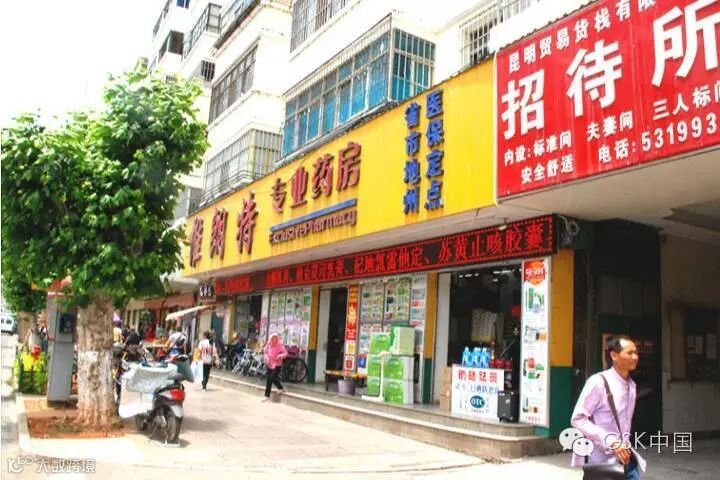
Around the hospital, there are many traditional pharmacies like the one in the photo above.
GSK’s new operating model, launched in 2015, has reaffirmed Xiaona’s faith in the company. These changes reflect the common goal of GSK, healthcare professionals (HCPs) and the government to improve the health and quality of life of patients. For example, individual pharma reps are now rewarded based on skills to provide HCPs with reliable information and ability to help HCPs make appropriate treatment decisions, not for the number of prescriptions written. In addition, GSK has improved the way product information is shared between GSK staff and HCPs.
“At GSK, we now have a wider variety of modern tools to help us communicate with doctors.” Xiaona said.
The new operating model also has the potential to change the lives of even more people because modern technological advances provide a broader reach. Xiaona and her team are now able to support remote and previously inaccessible parts of Yunnan province like Qujing, Dali and Tengchong, where patient demand for treatment is urgent.
Now the mother of twin boys, Xiaona reflects on her career at GSK where she has grown professionally from a pharma representative to a Senior District Manager. She is proud that she has played a role in helping patients, through supportinghealthcare professionals understand options available to treat highly prevalent respiratory diseases. Perhaps Xiaona’s satisfaction of making a difference in her community is only surpassed by the feeling of helping someone dear to her – her grandfather.